Architecture of Reinvention
A museum design which seeks to reinvent architecture as a vehicle for storytelling through the intermixing of art and technological trends by interweaving the tangible with the intangible.
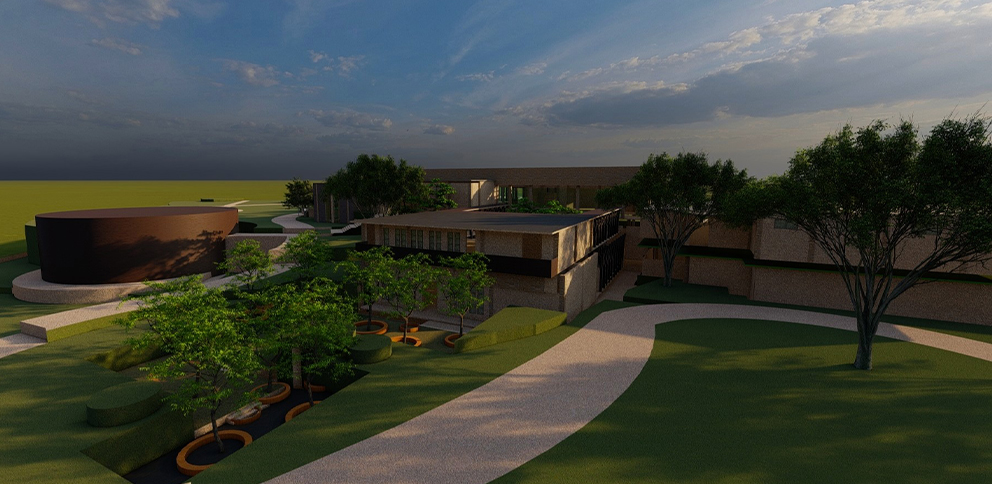
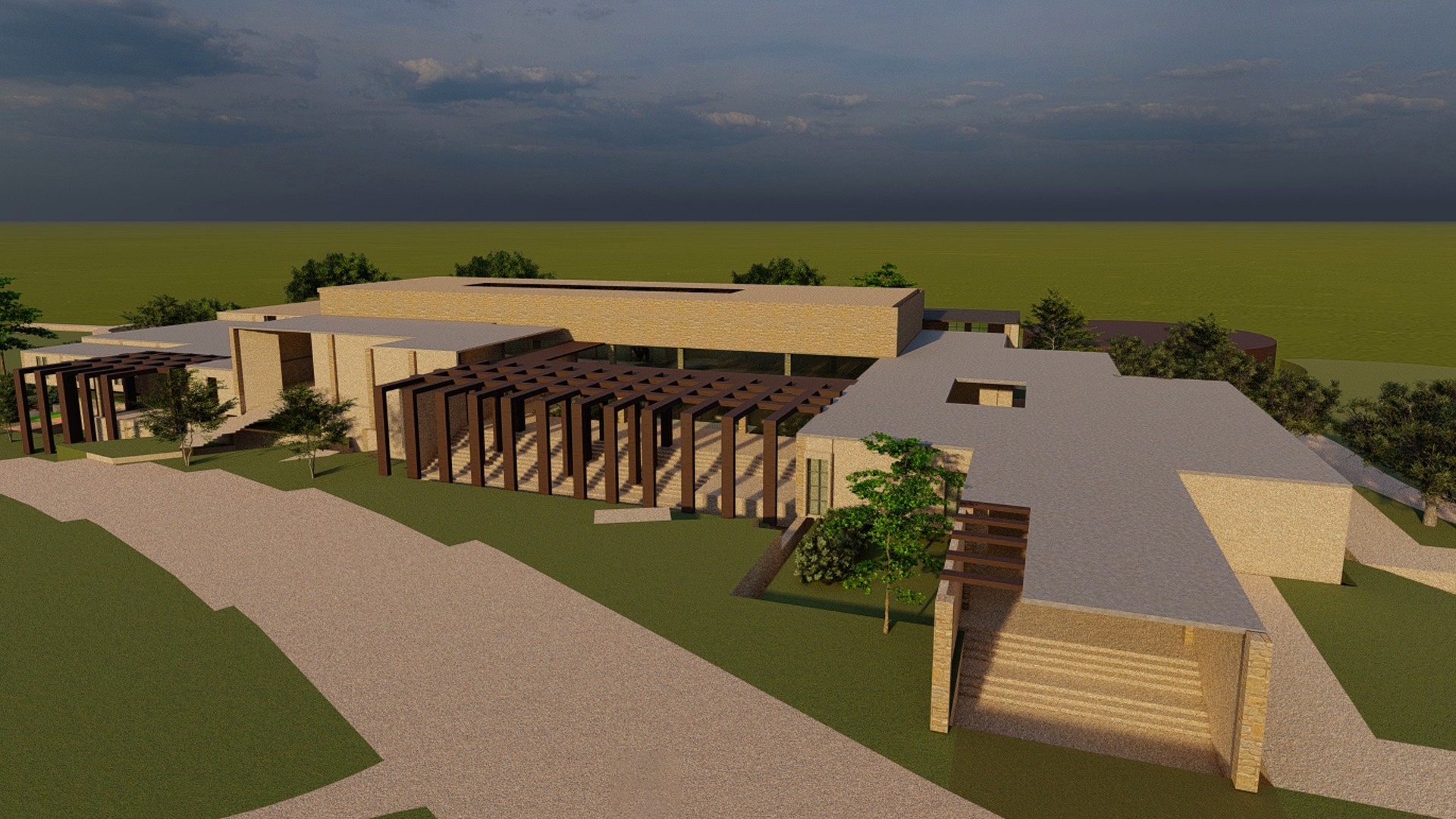
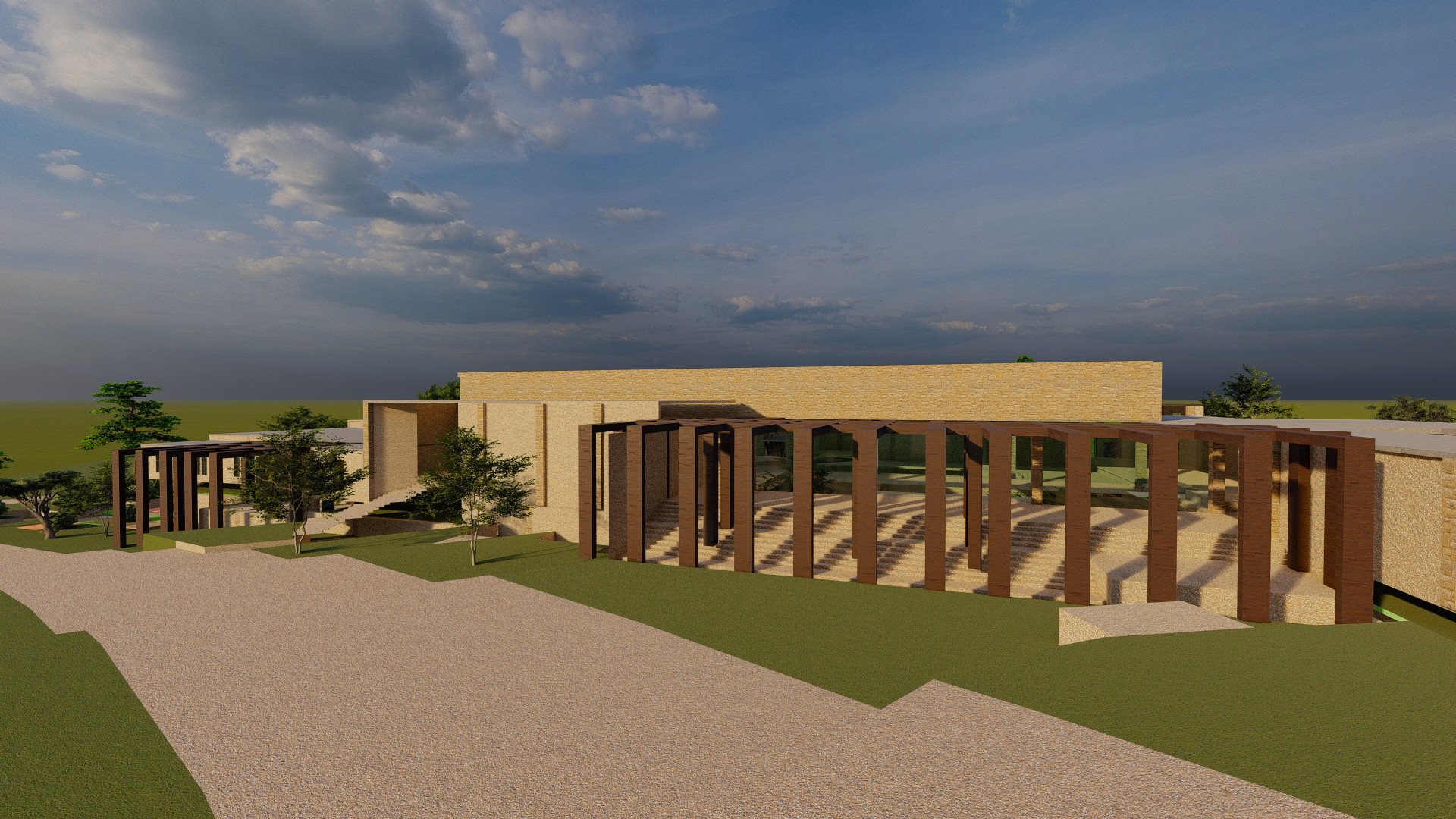
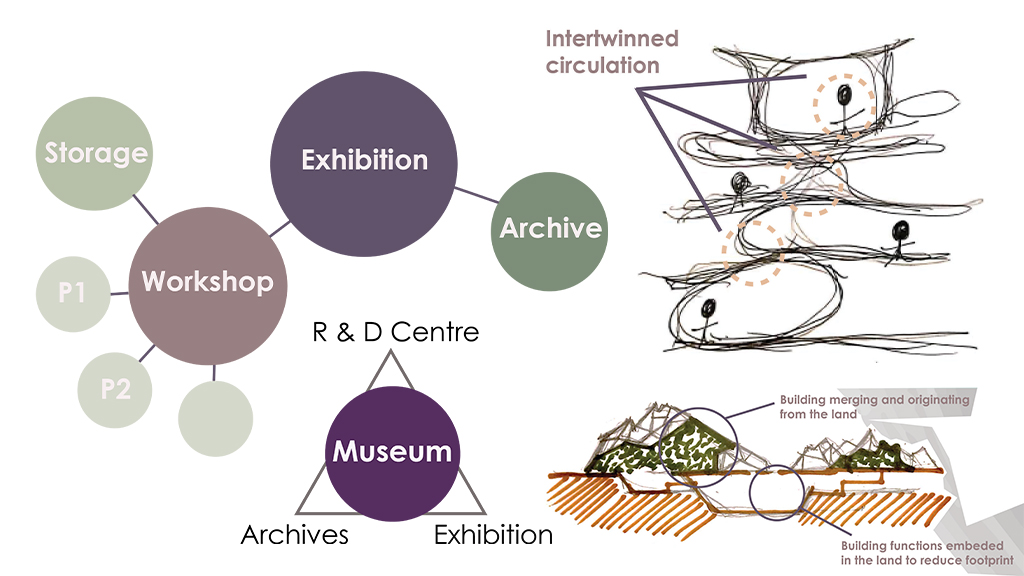
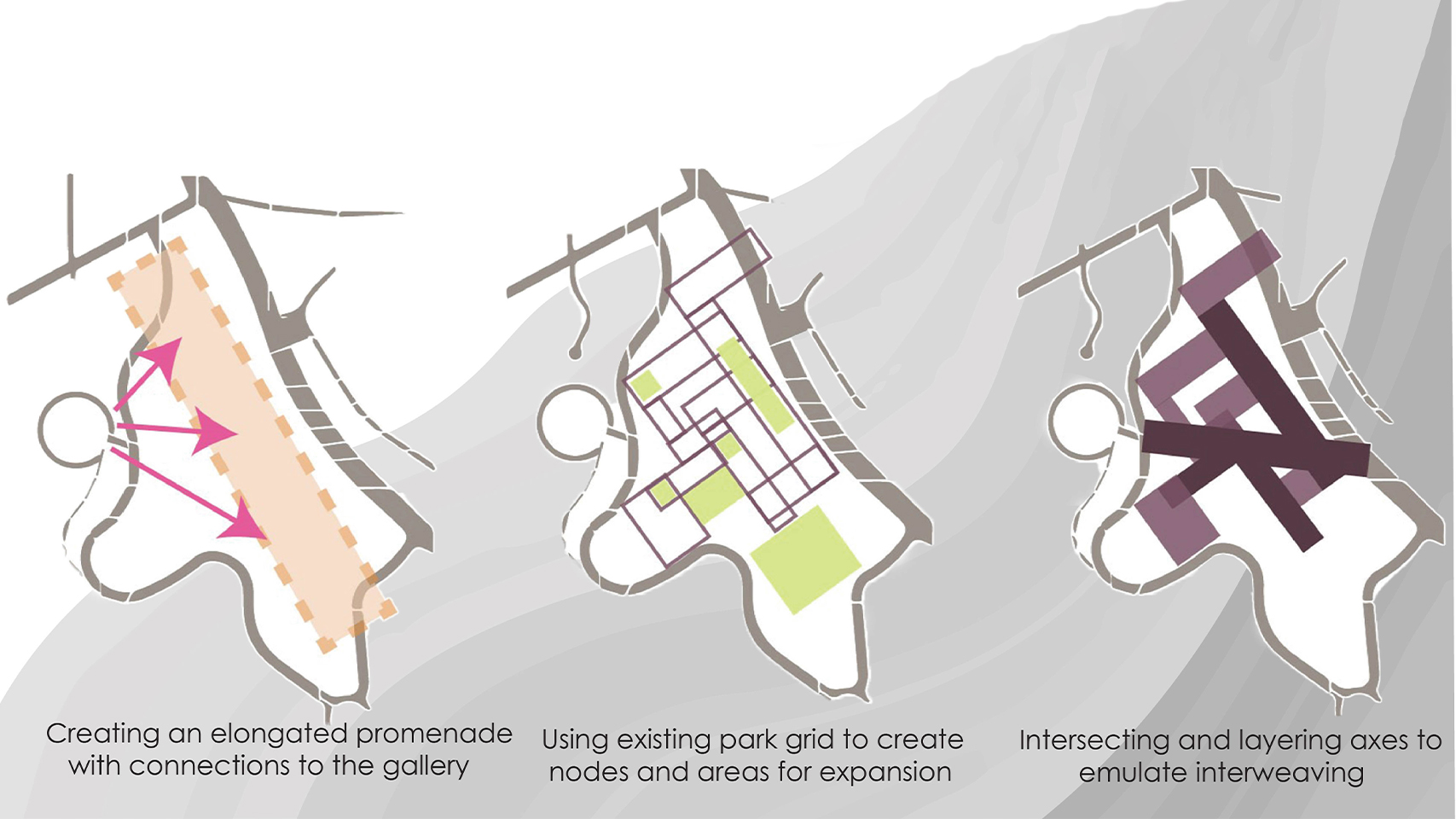
Alisha Zehra’s undergraduate thesis seeks to reinvent architecture as a vehicle for storytelling through the intermixing of art and technological trends. This idea is explored in the form of a museum as a social catalyst which extracts its narratives from the history and culture of Pakistani art and its evolution with time. This allows the museum to not only act as a tool for commemoration but also serve as a crossroads between tradition and innovation. Use of digital galleries, animations, cinemas, and interactive computer games adds a new facet to exploring history. The aim is to make people an active part of the narrative so that they can take ownership of their culture and also make it accessible in a different setting. It is also to establish the evocative power of art which has been used as a major source of dissemination and anchoring from the beginning. So that not only a connection is established between the visitors but also such experiences are also used to add an identity to our public spaces.
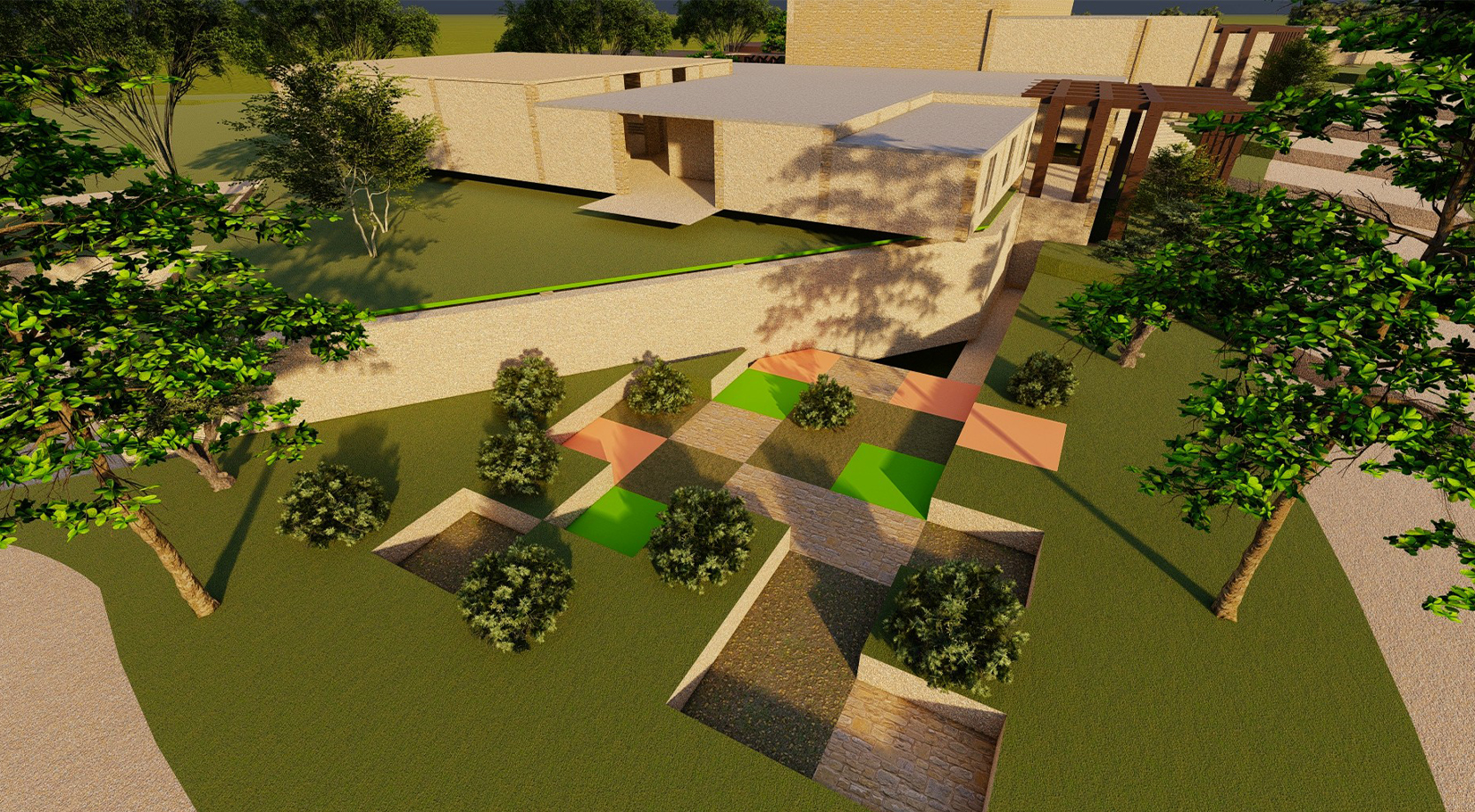
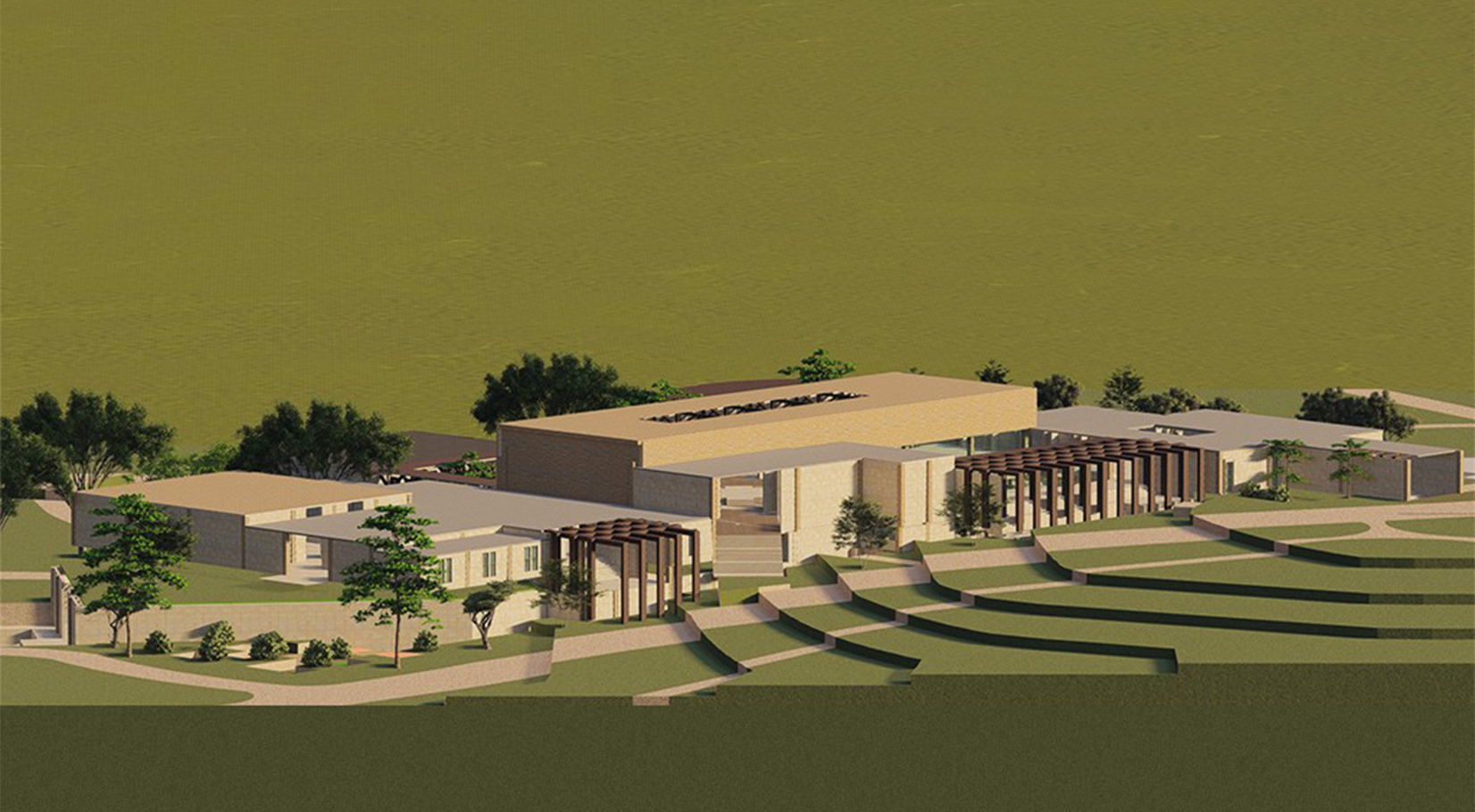
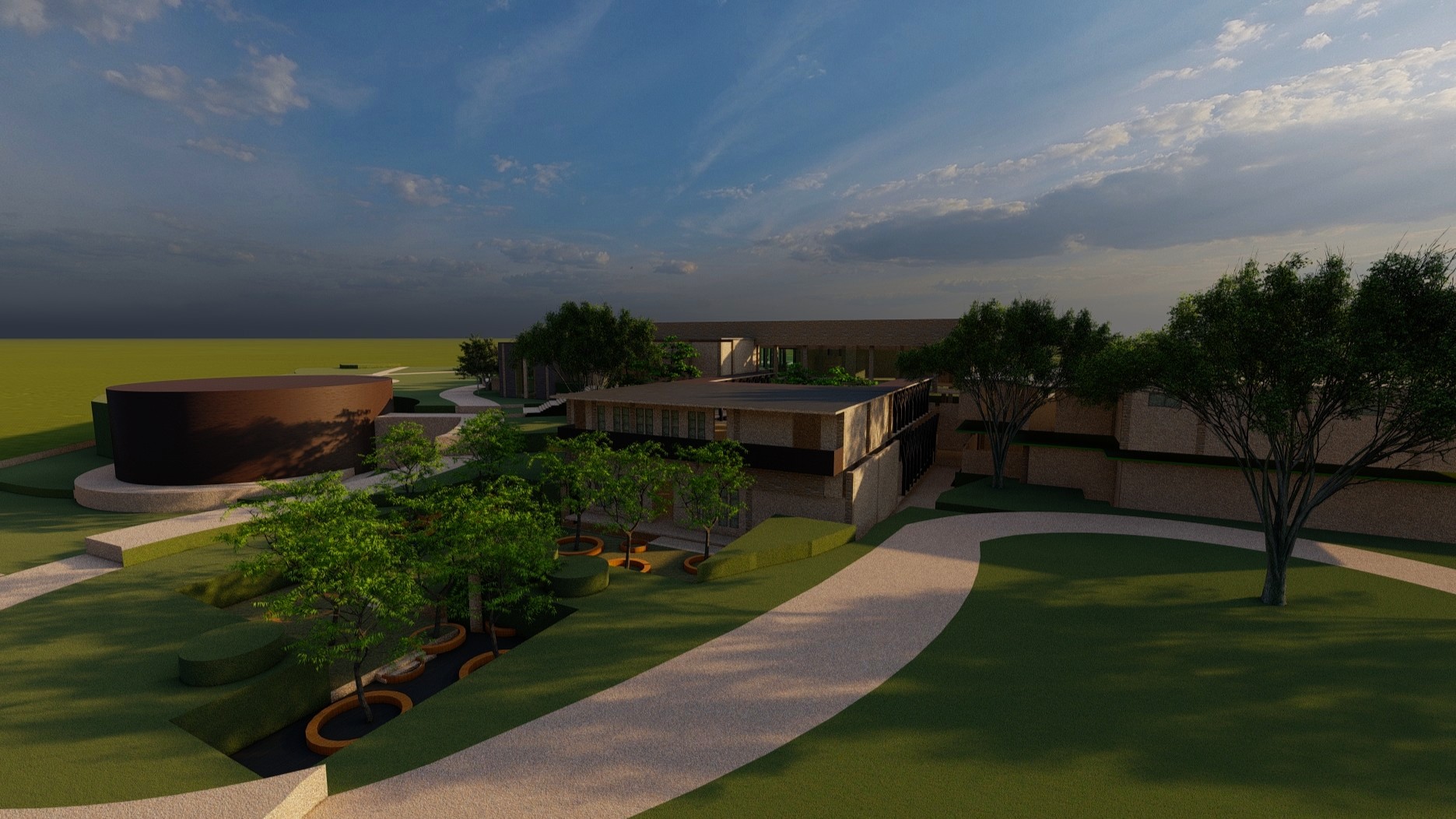
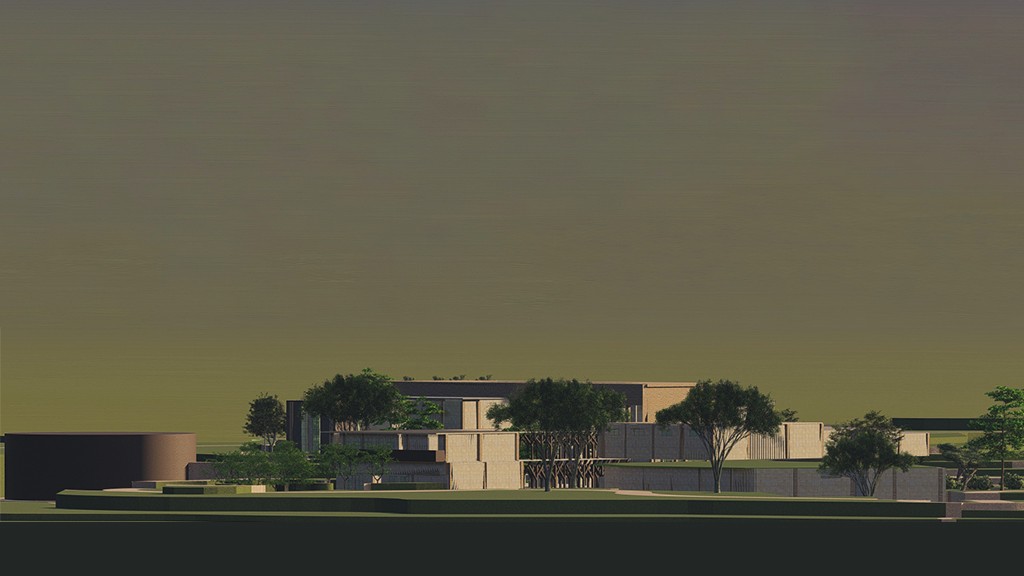
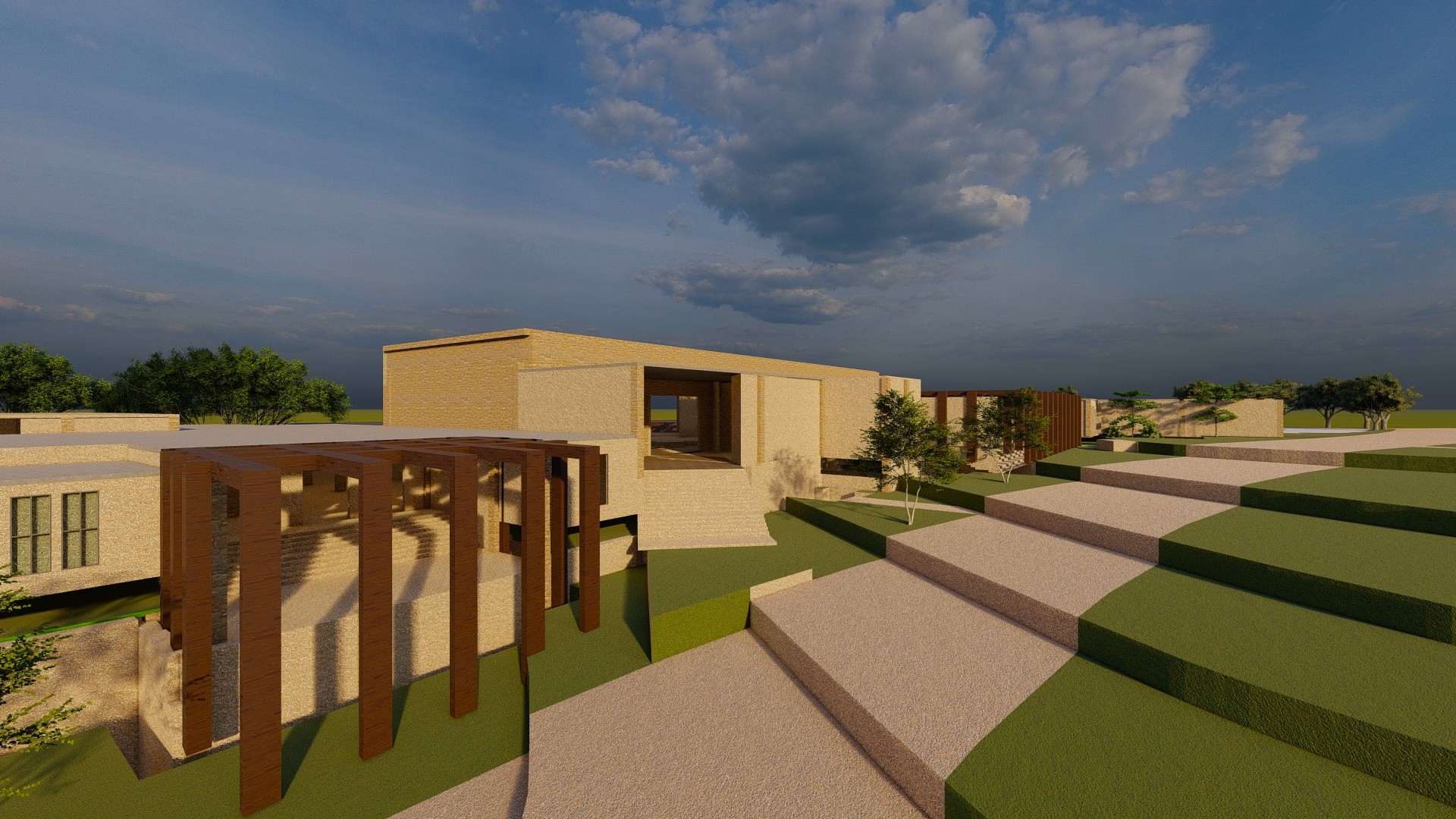
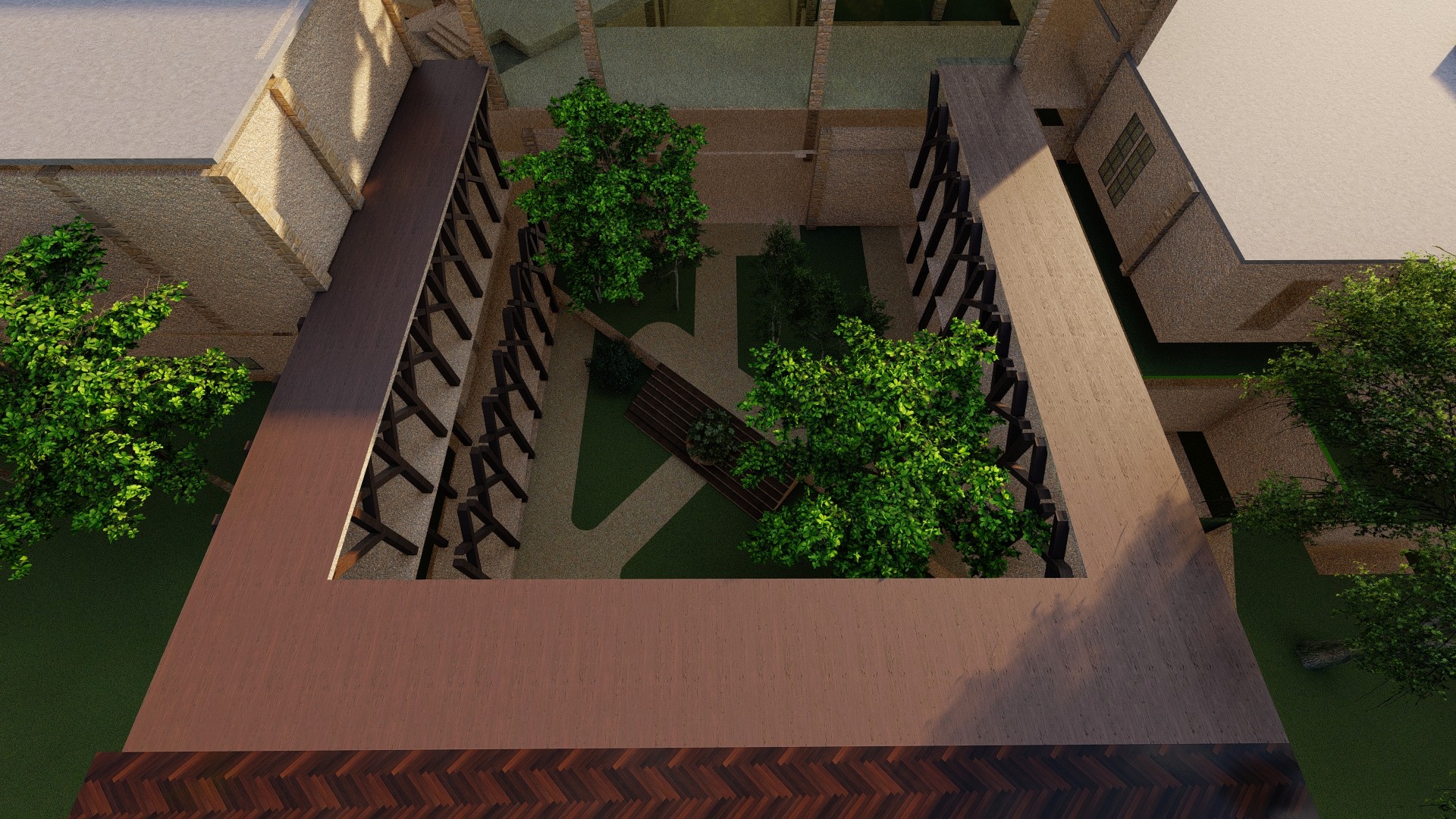
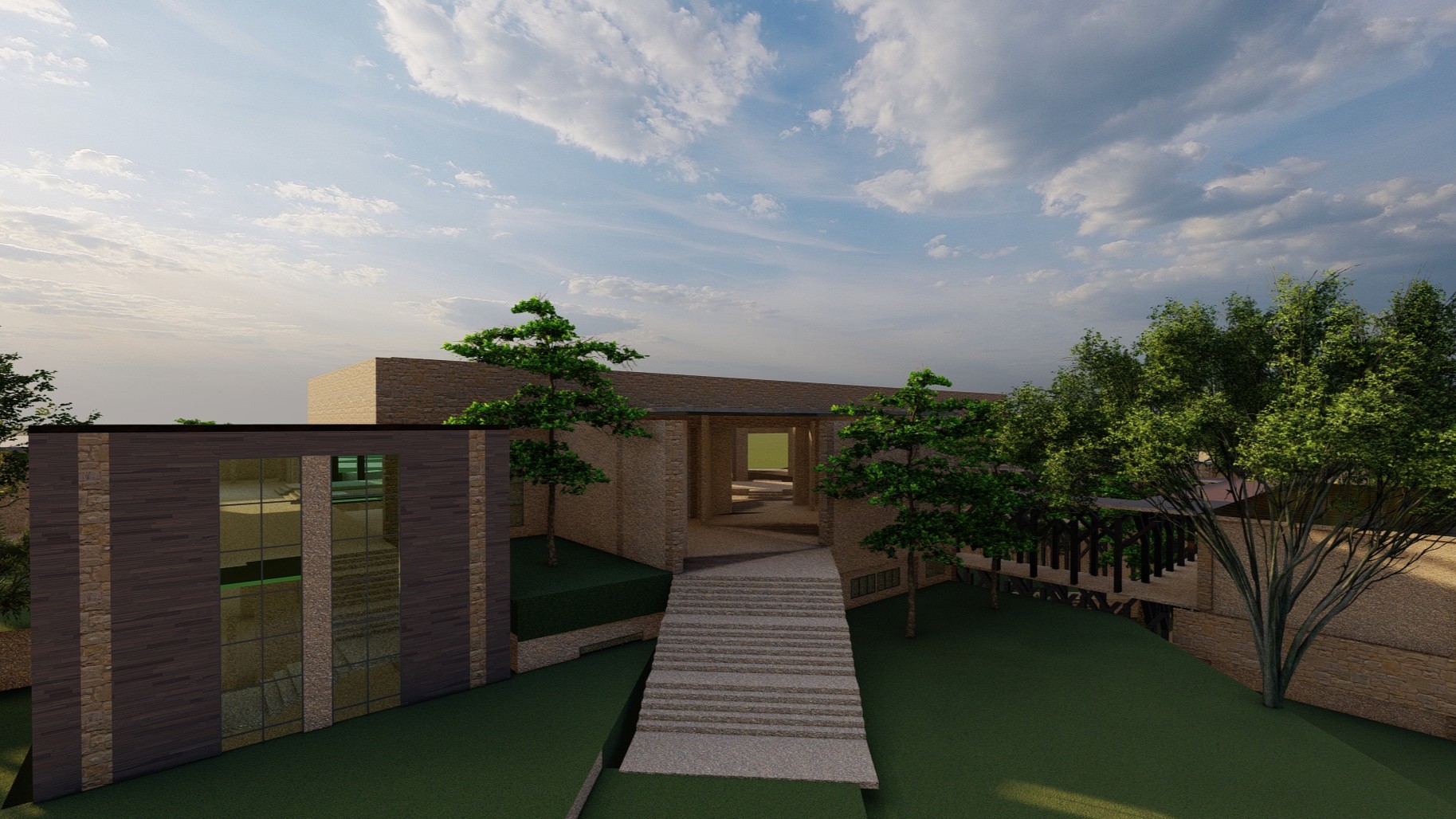
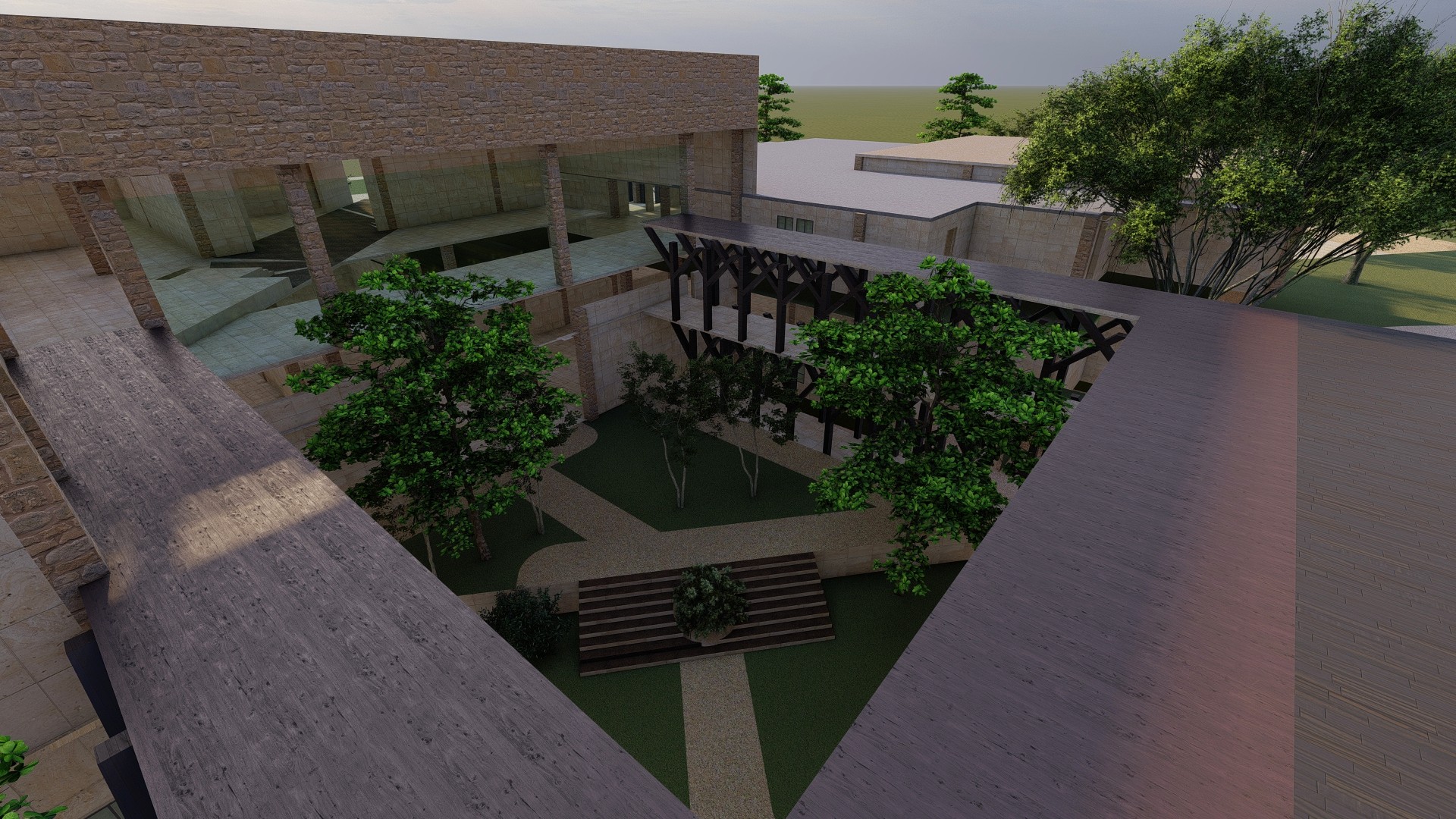
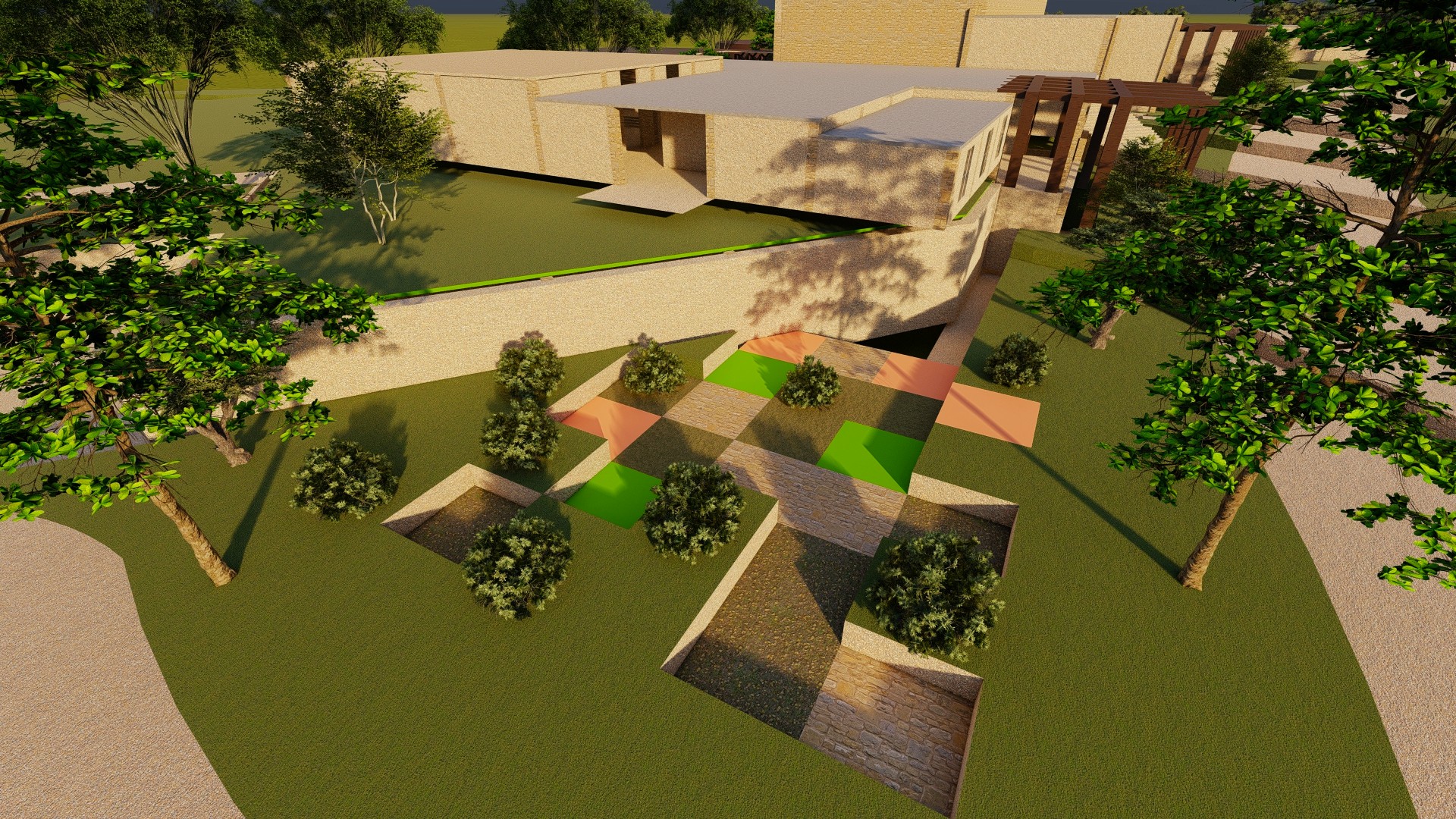
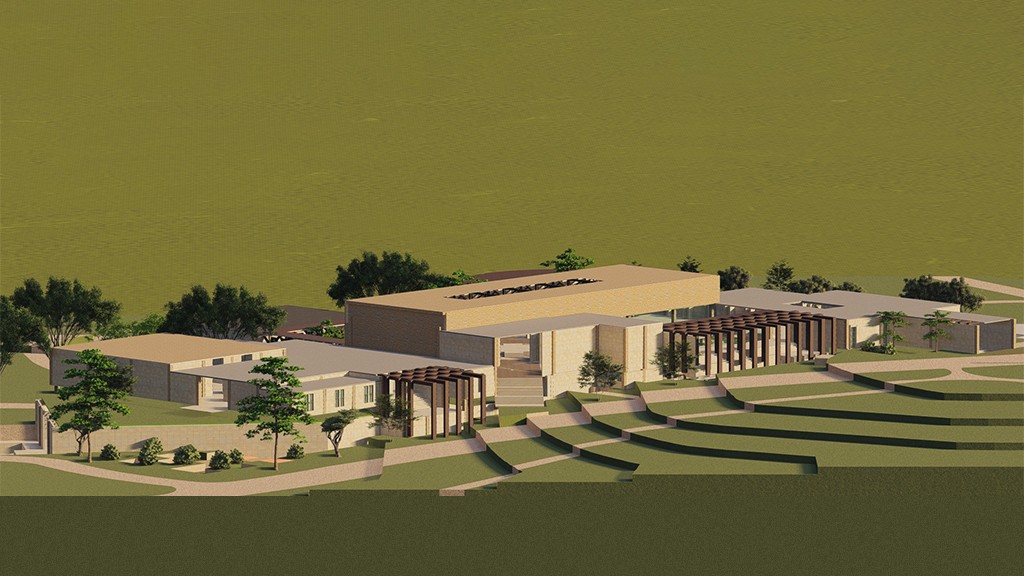
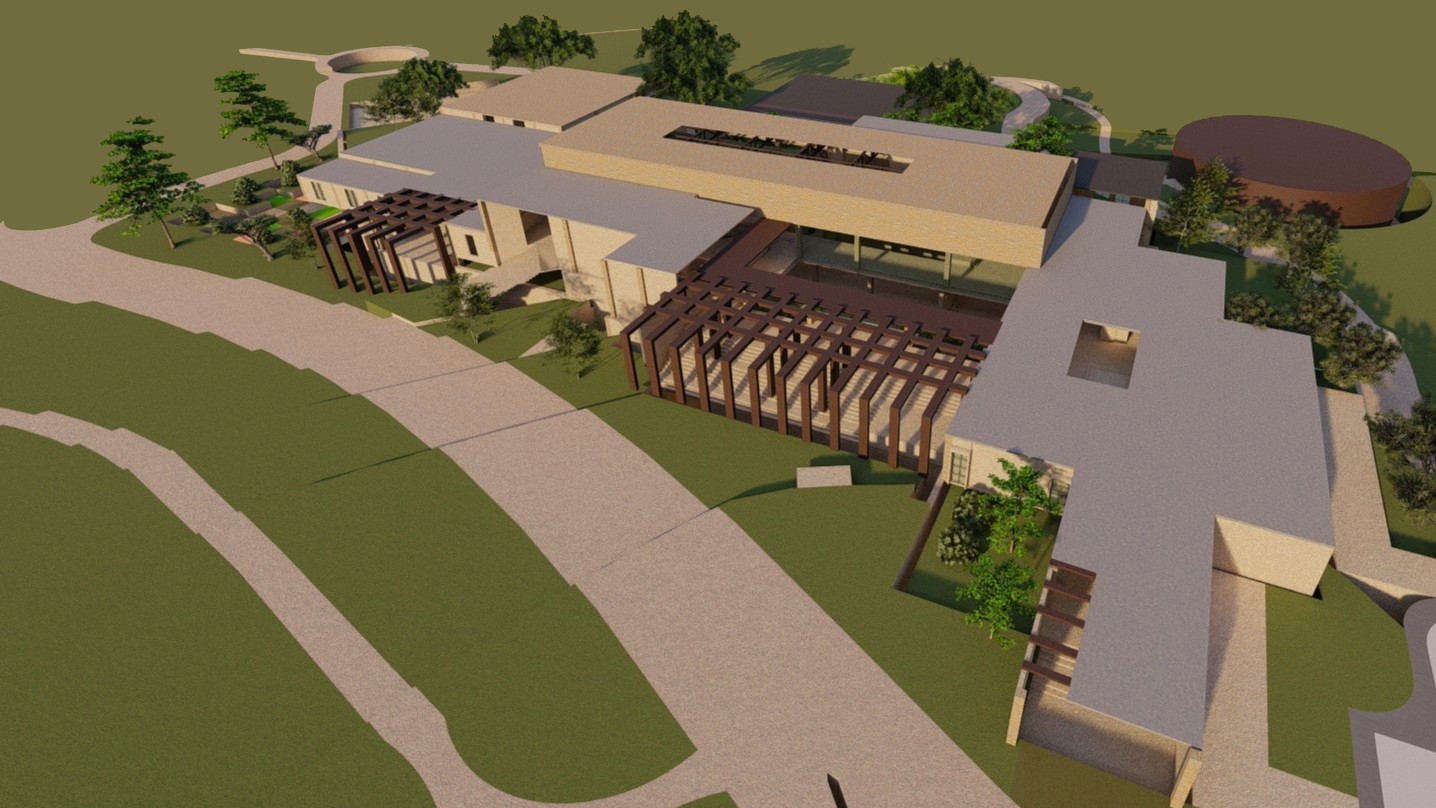
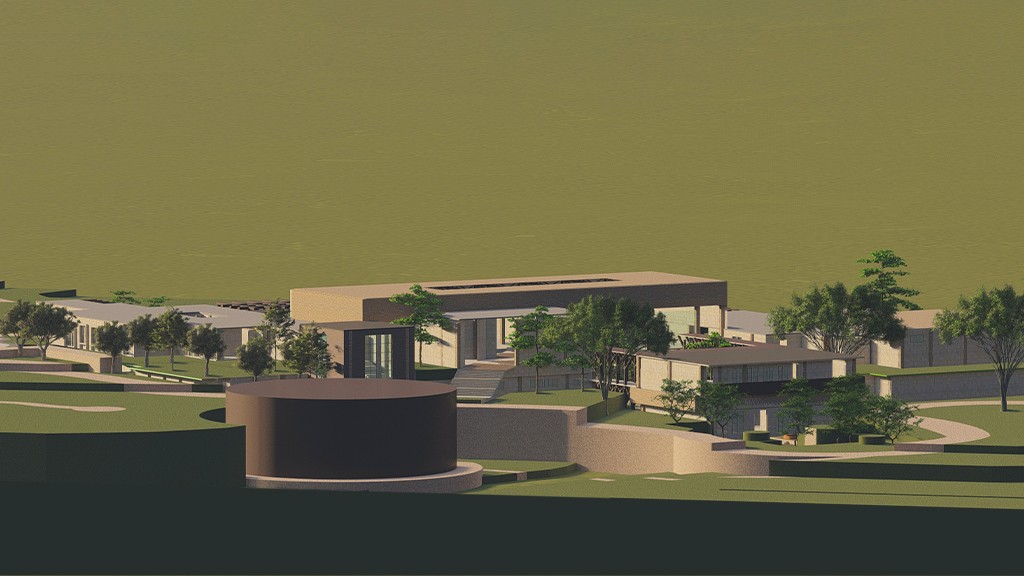
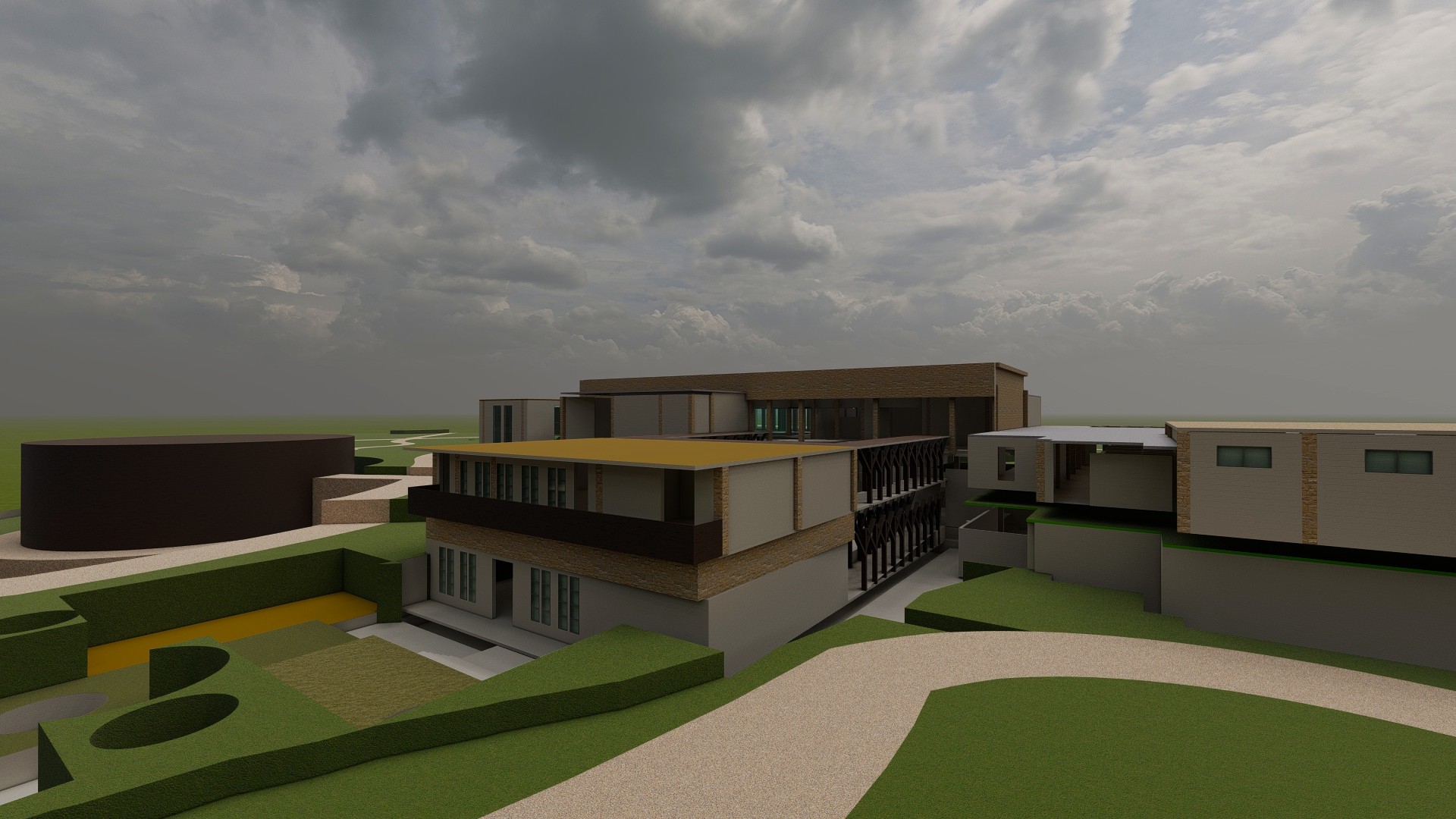
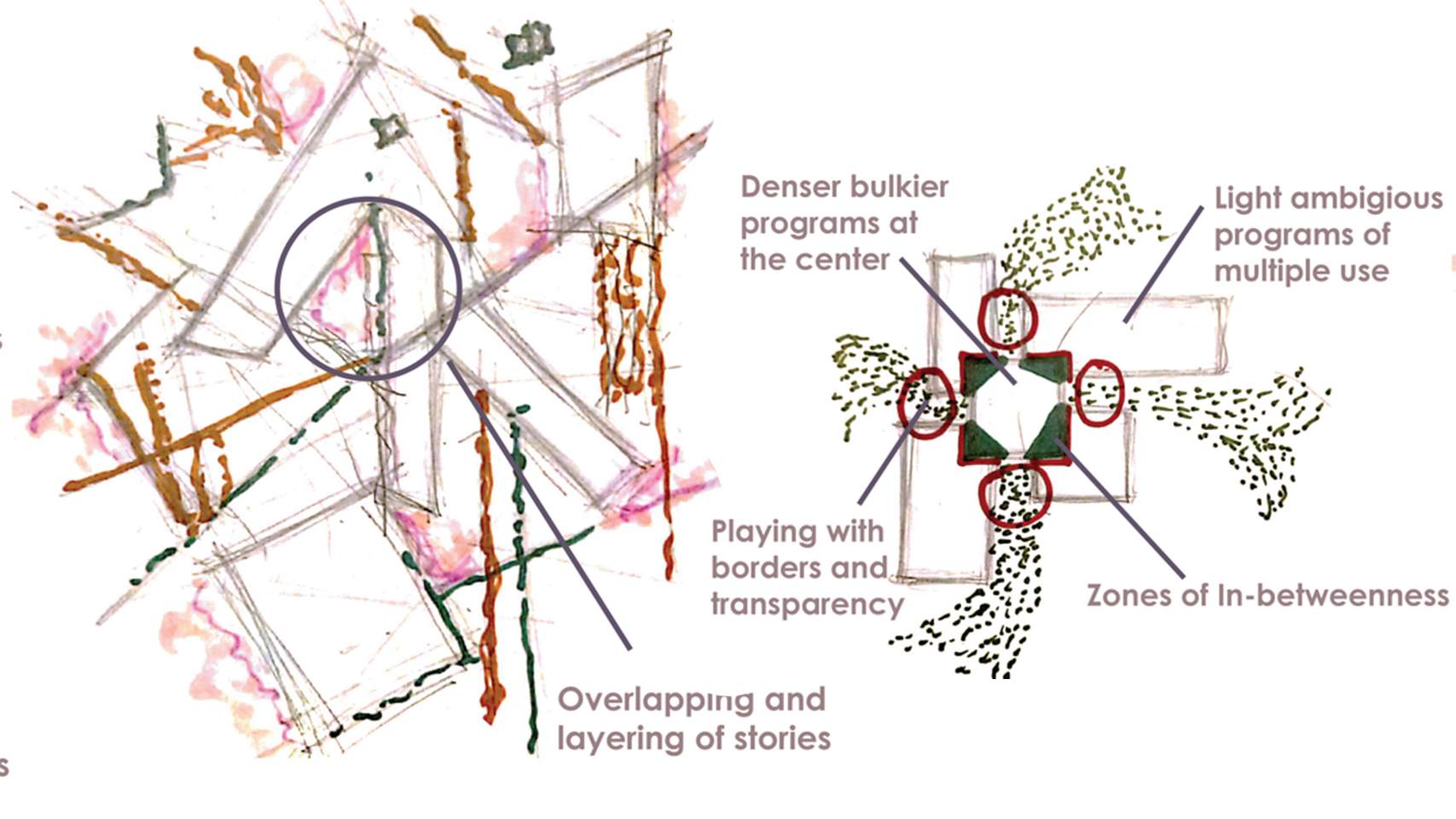
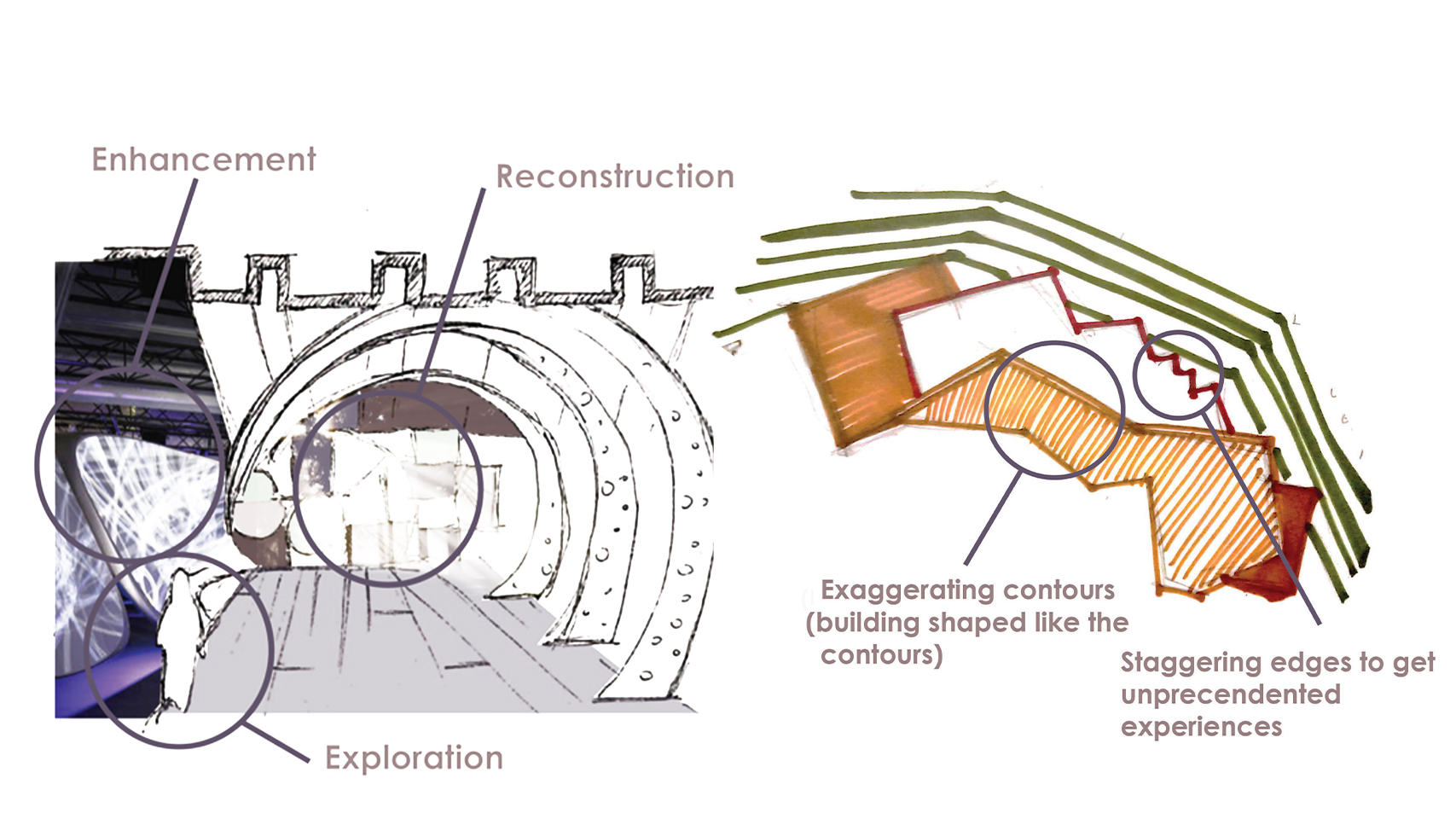
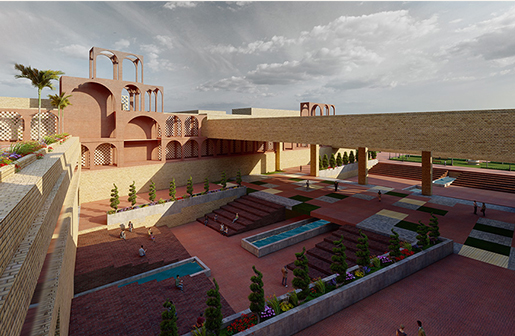
Situated in F-9 Park Islamabad, the design aims to transcend physical boundaries and material implications, weaving narrative and memory into its core. Using art as expression, the project explores how evolving tech and media have transformed communication and artistic inclinations over time. The museum is conceived as an interconnected set of media narrating multilayered, non-linear stories, offering unprecedented experiential journeys. Volumes and promenades are strategically placed to create shifts between exhibition and buffer spaces, encouraging interaction and deeper user connection. Intersecting stories form zones of in-between-ness, generating nodes for collective gathering and discourse. This curated layering results in a flexible and multi-faceted environment, housing diverse programs. Evolution is explored through interactive displays, immersive environments, and dynamic installations, while gamification and play place visitors at the center of the experience, ensuring a rich and multi-sensory journey.
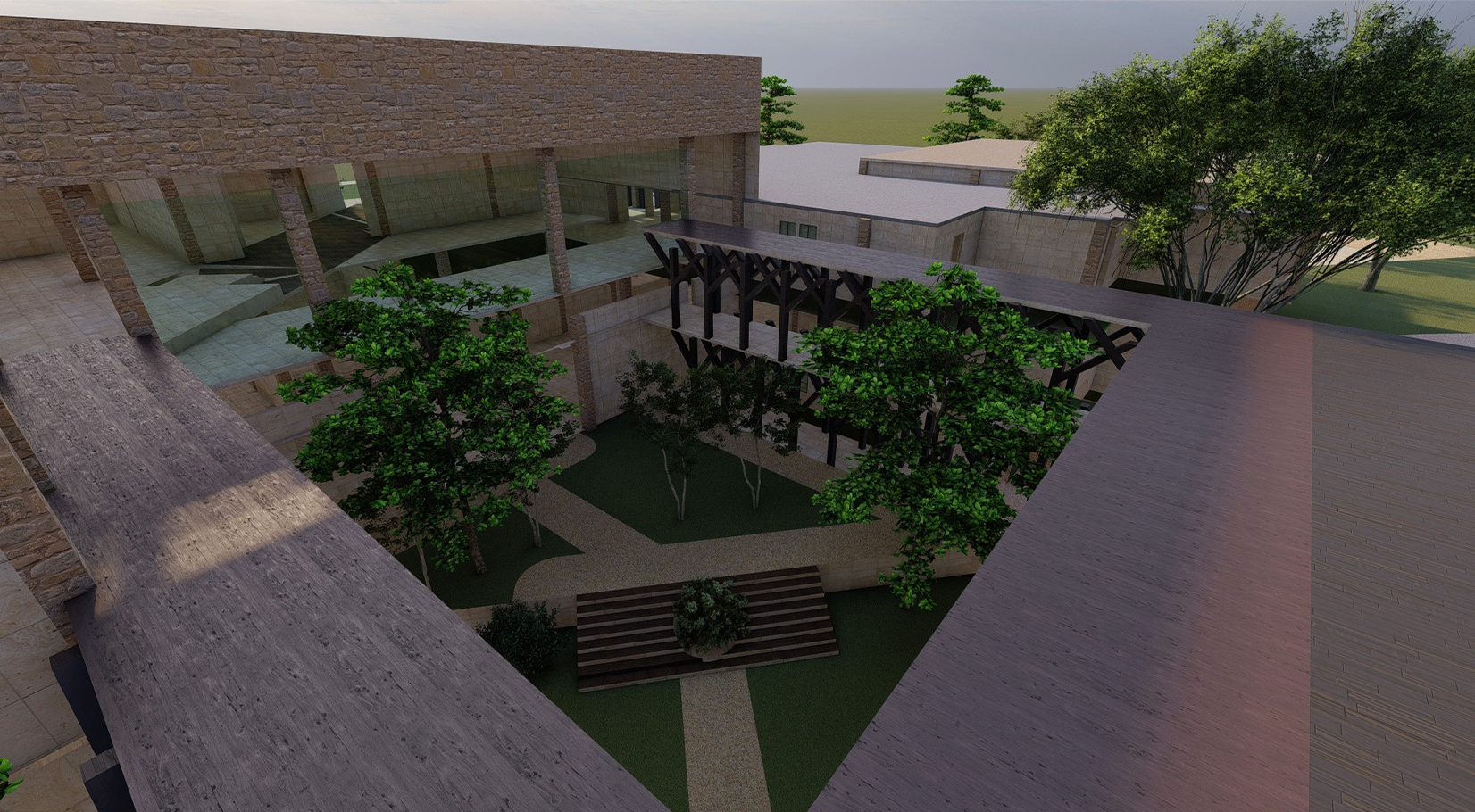
The excursion of the users starts from the get-go, which is parking. The experience is naturally built in the form of a series of buffers that the user must go through as they gradually stroll. Since the park is mainly pedestrian, each buffer or activation marker allows the user to build a crescendo in terms of the experience and allow the user to navigate until they reach the museum space. Using art as a major form of expression, all the exhibits have been tailored to be interactive and informative while paying a homage to the history of art and culture. For this purpose, the changing tech and media is used in unison with the beautiful backdrop of the park to complement the experience.
Contact Designers || Portfolio
You Might Find These Interesting
 DESIGNED BY: Huzaifah Fakher
The Bridge: The Architecture of Cultural Diplomacy
Islamabad, Punjab
 DESIGNED BY: Ali Shehroz
Borderless Architecture: Bridging the Divide
Wagah-Attari Border