Celestial Crossroads
A formal research facility and aerospace observatory, aiming at the rejuvenation of Pakistan’s space program through spatial experience.
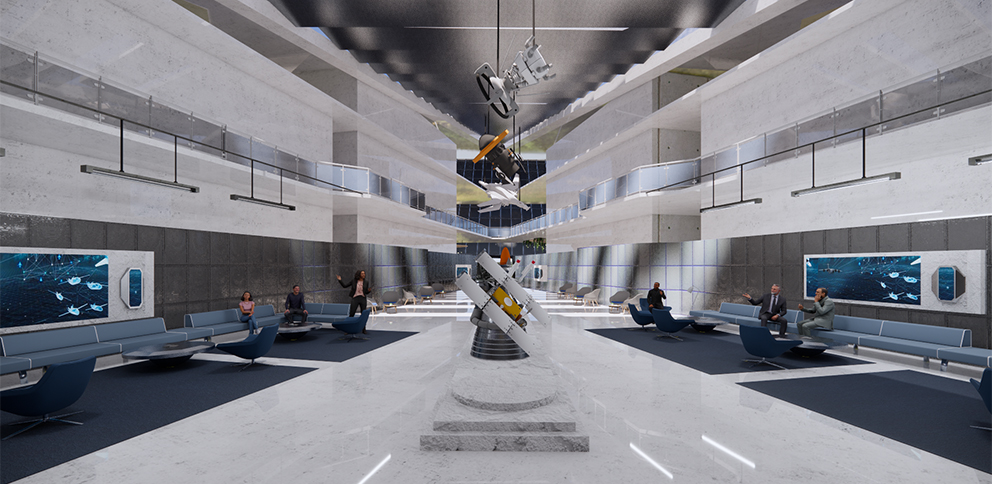
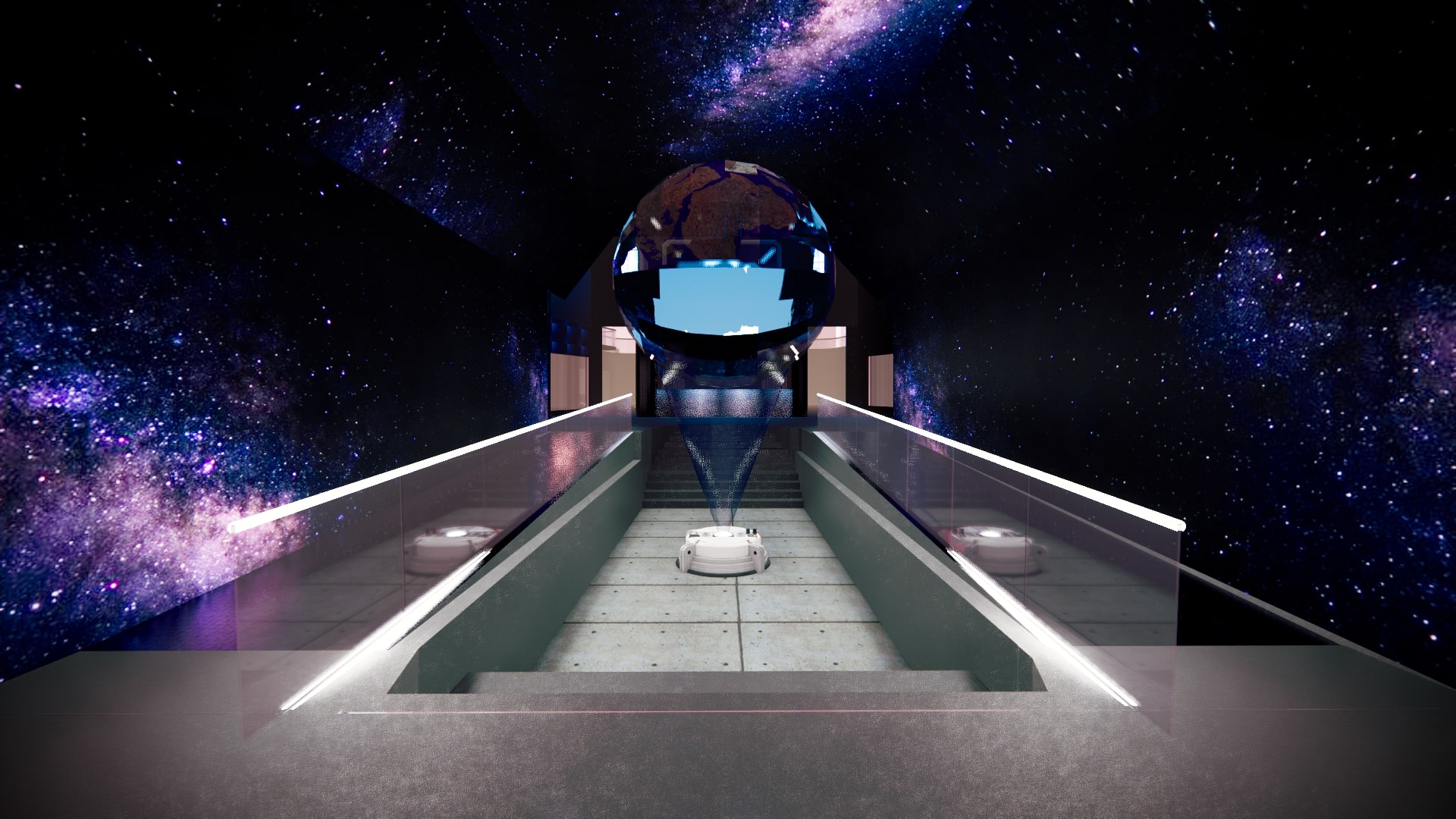
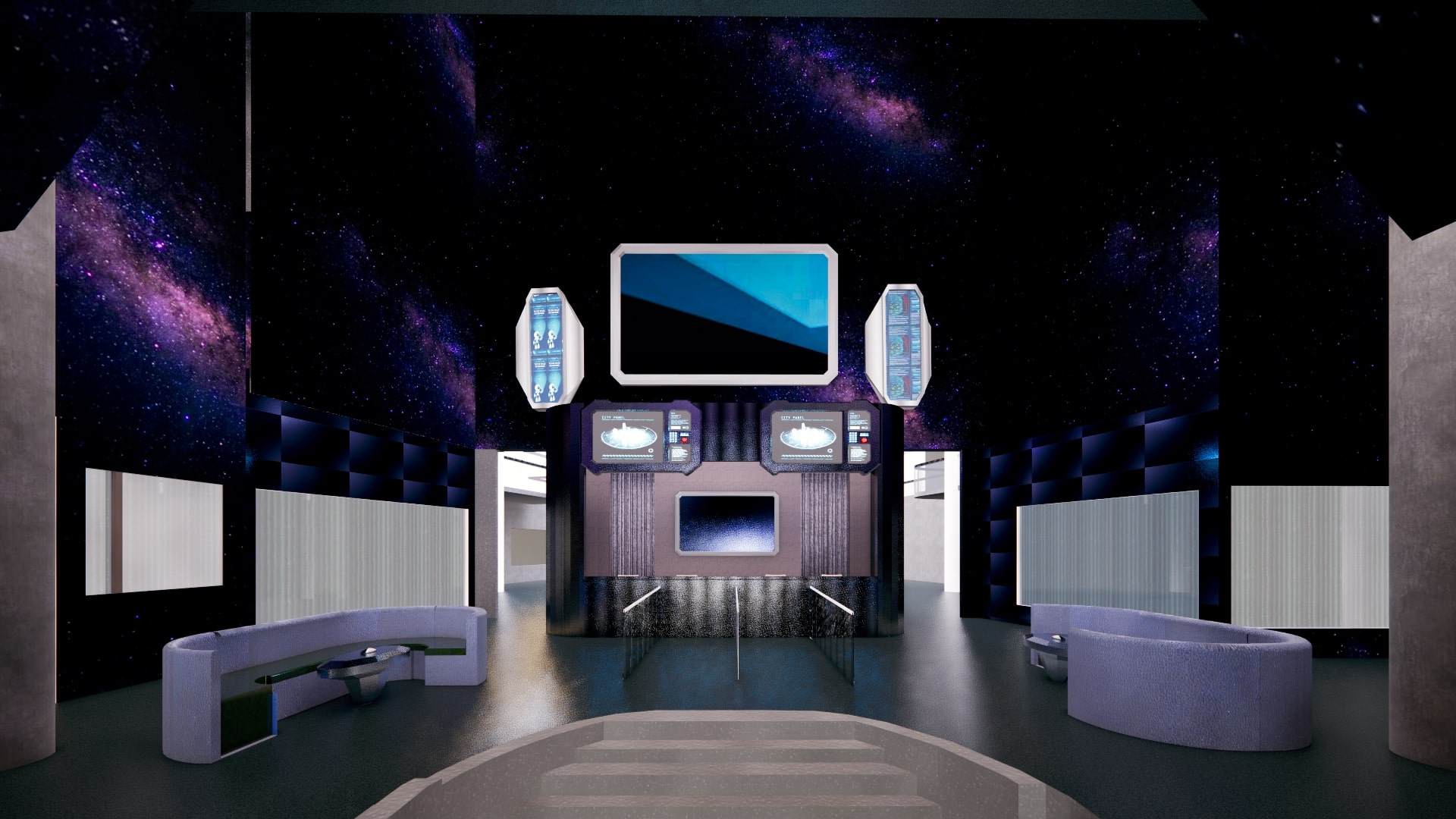
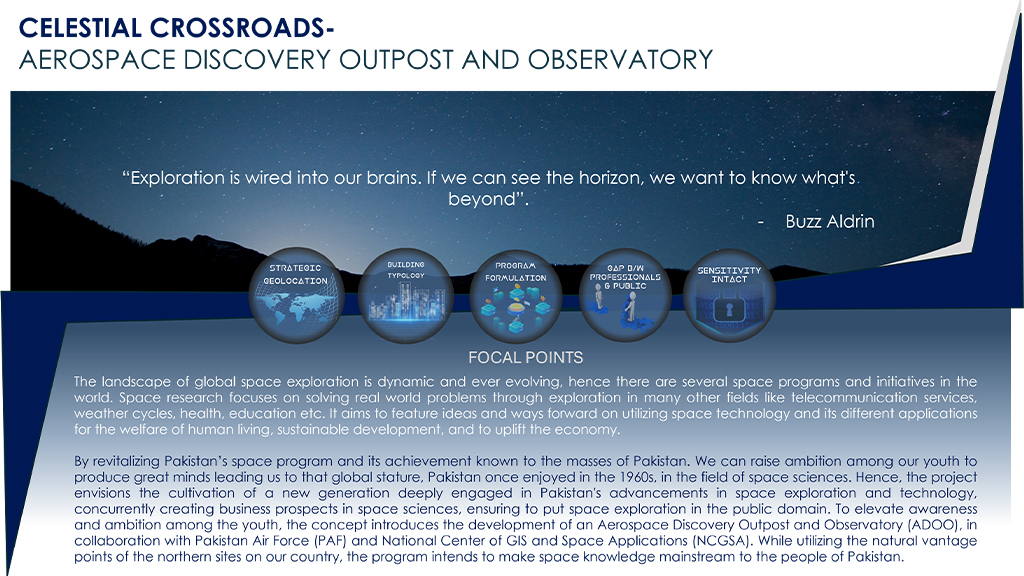
Recognizing the multifaceted benefits of space exploration and research, Samra Tahir’s undergraduate thesis envisions the cultivation of a new generation deeply engaged in Pakistan's advancements in space exploration and technology, concurrently creating business prospects in space sciences and ensuring to put space exploration in the public domain, improving Pakistan’s global standing in the field of space sciences. To elevate awareness and ambition among the youth, the concept introduces the development of an Aerospace Discovery Outpost and Observatory (ADOO). In collaboration with the Pakistan Air Force (PAF) and National Center of GIS and Space Applications (NCGSA), the program intends to make space knowledge mainstream to the people of Pakistan. The project strives to establish a formal research facility and observatory for researchers and professionals from all over Pakistan to rejuvenate the space program at a governmental level. It aims to provide the users with an exceptional spatial experience that would spark their creativity, interest, and engagement in space technology.
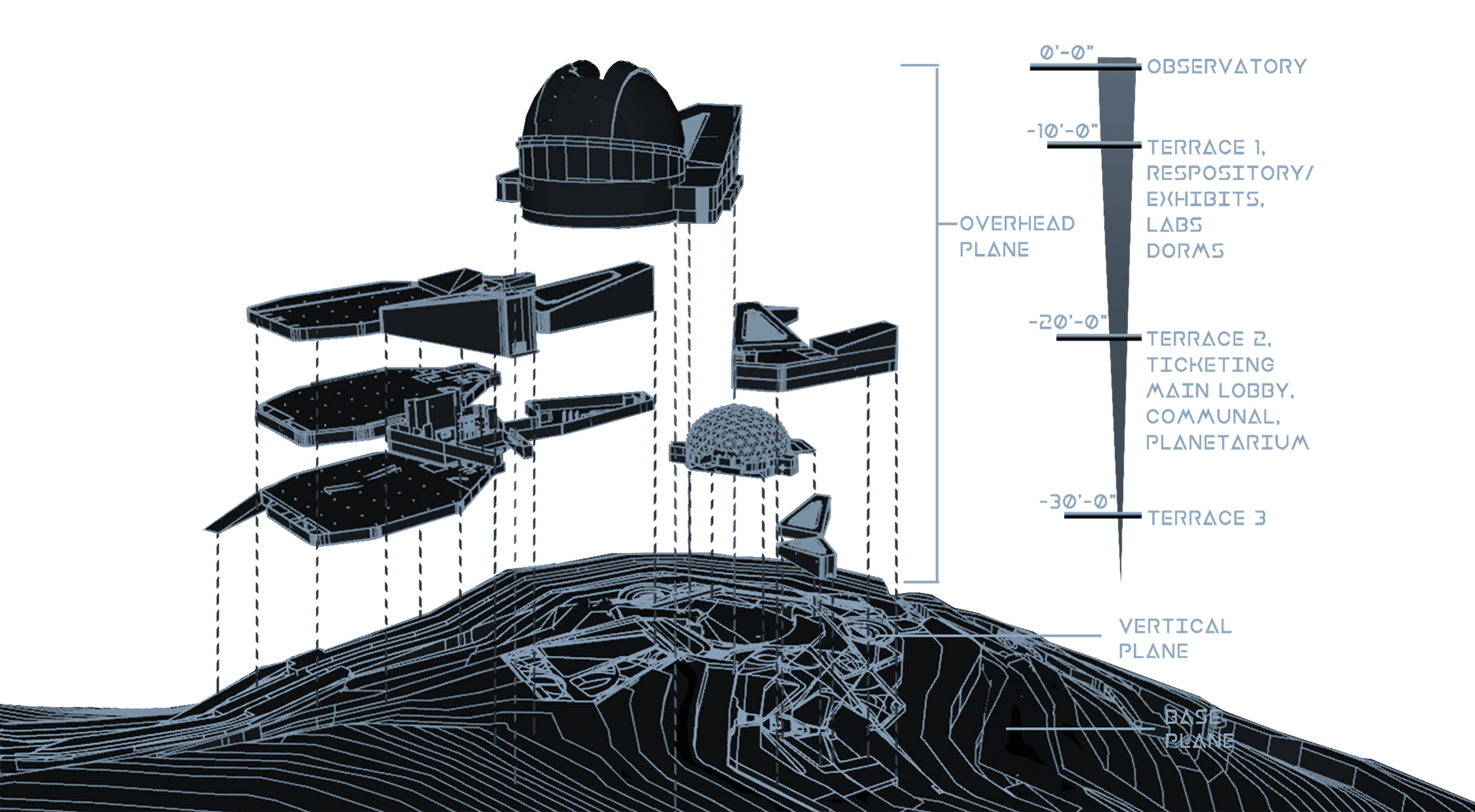
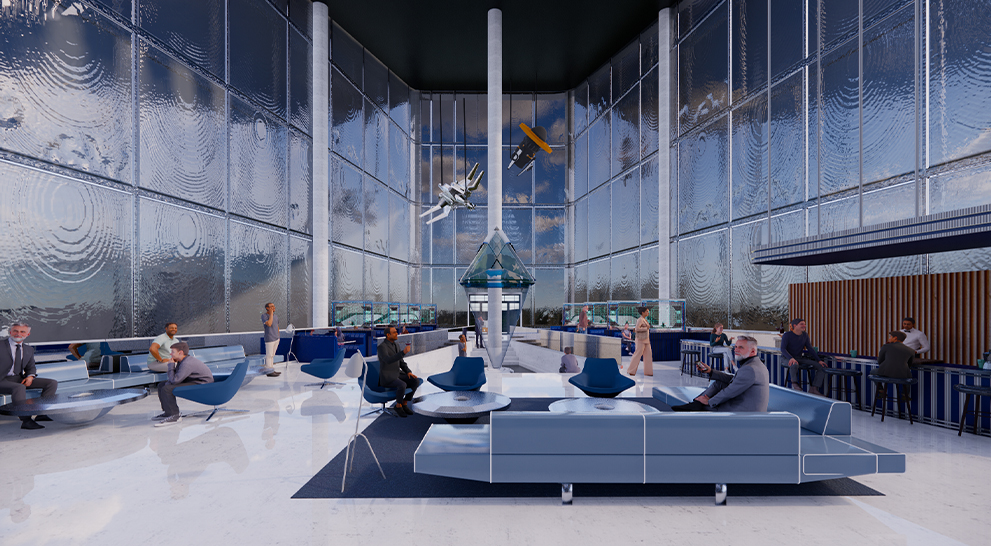
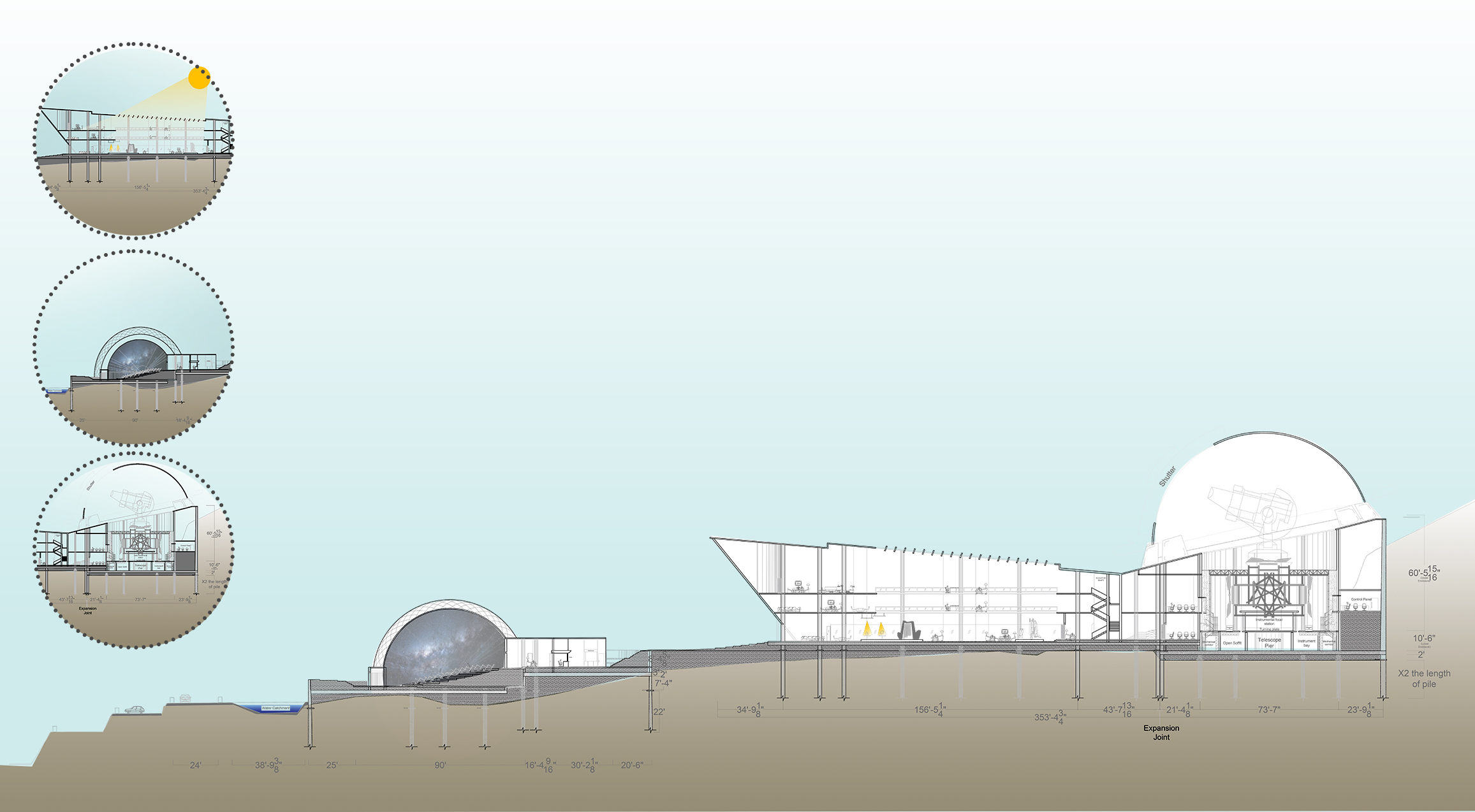
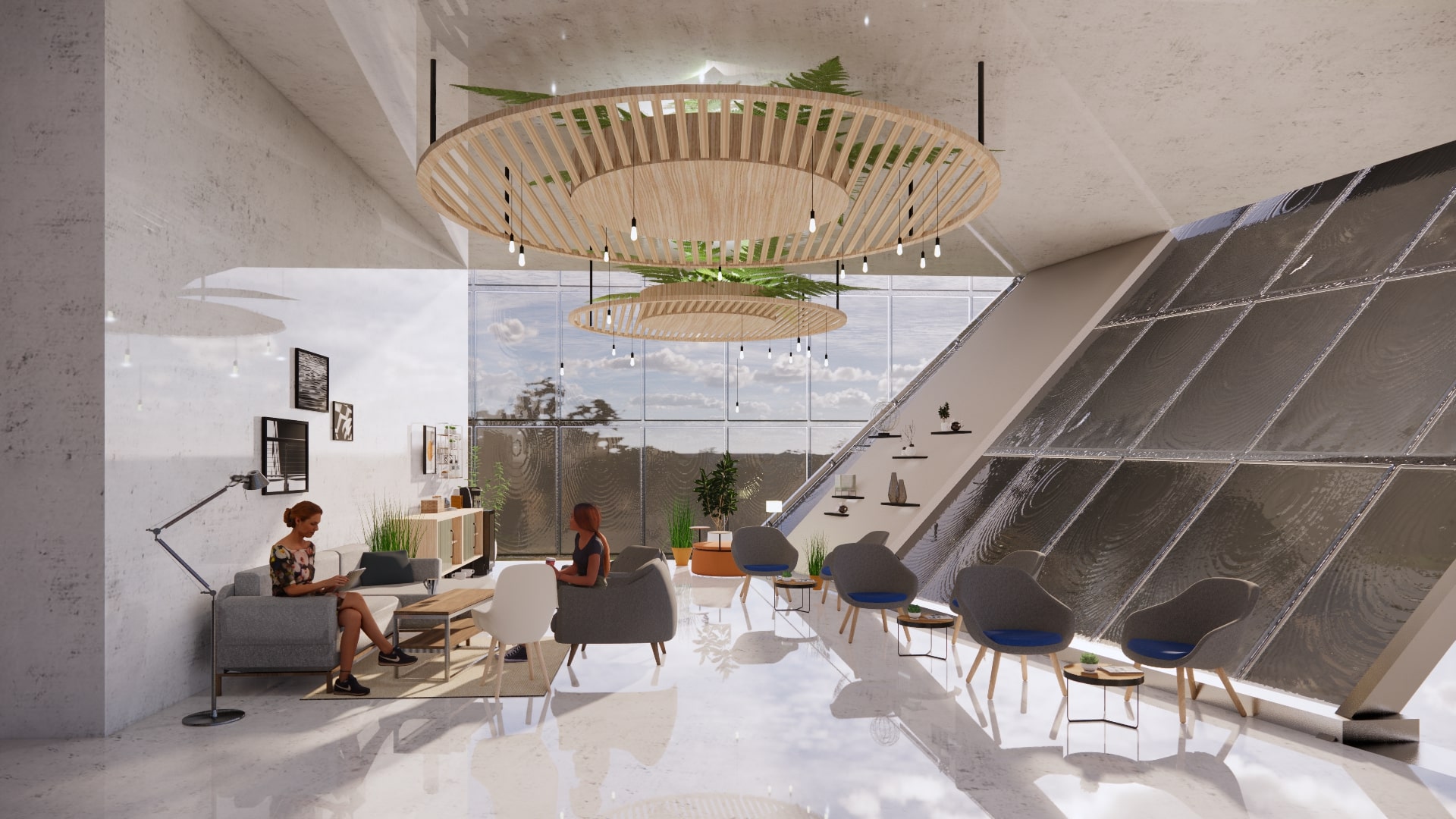
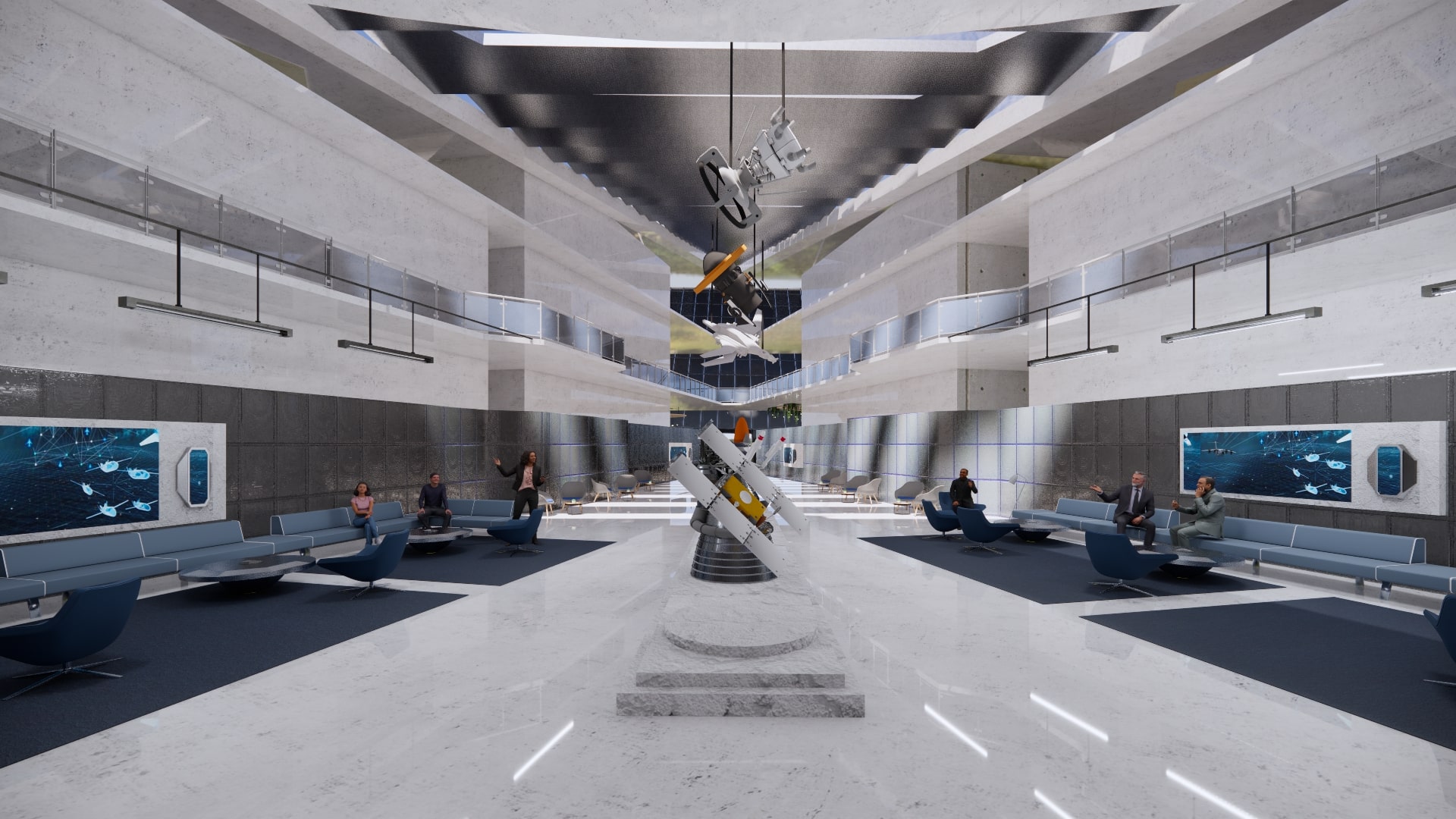
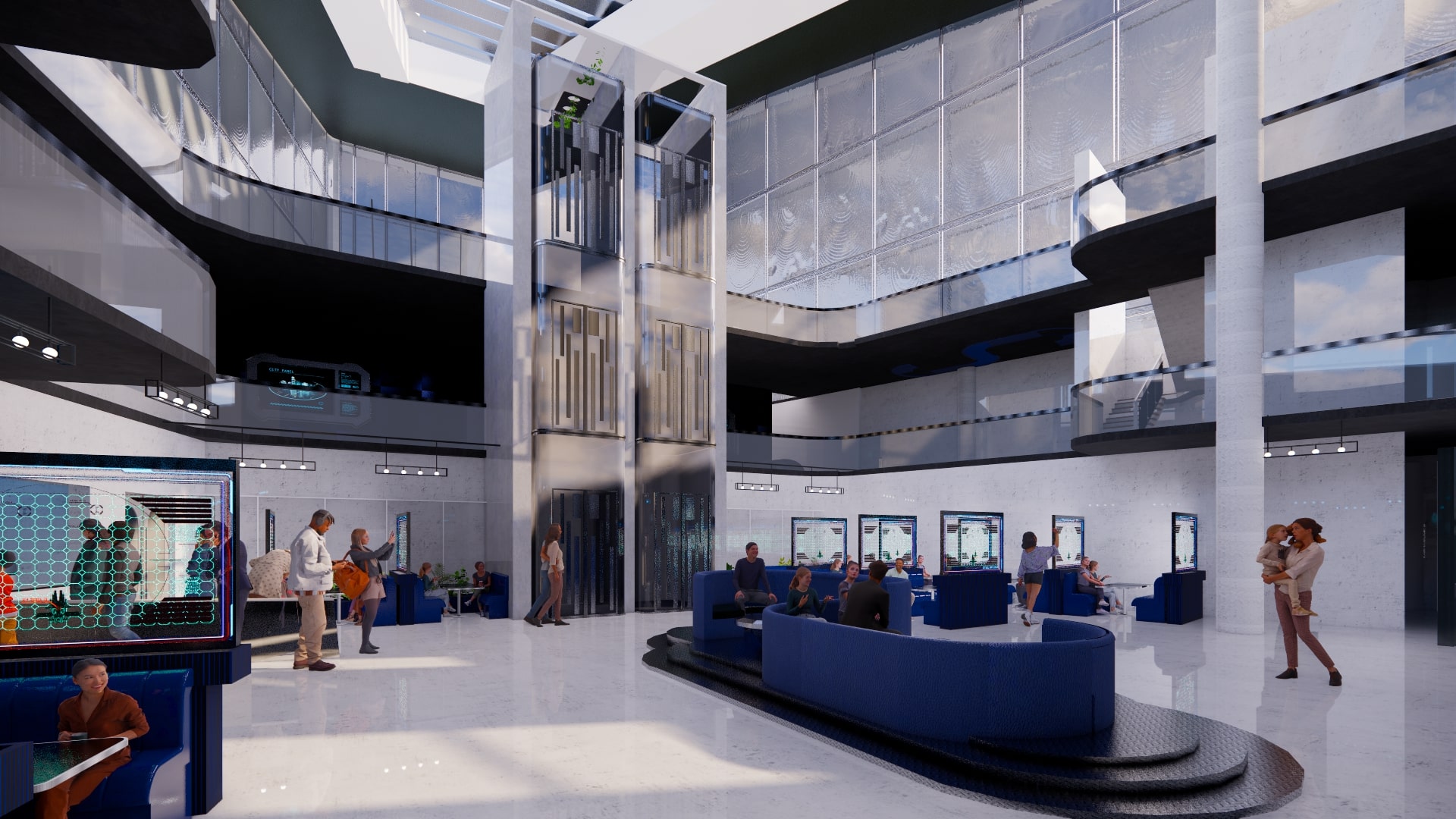
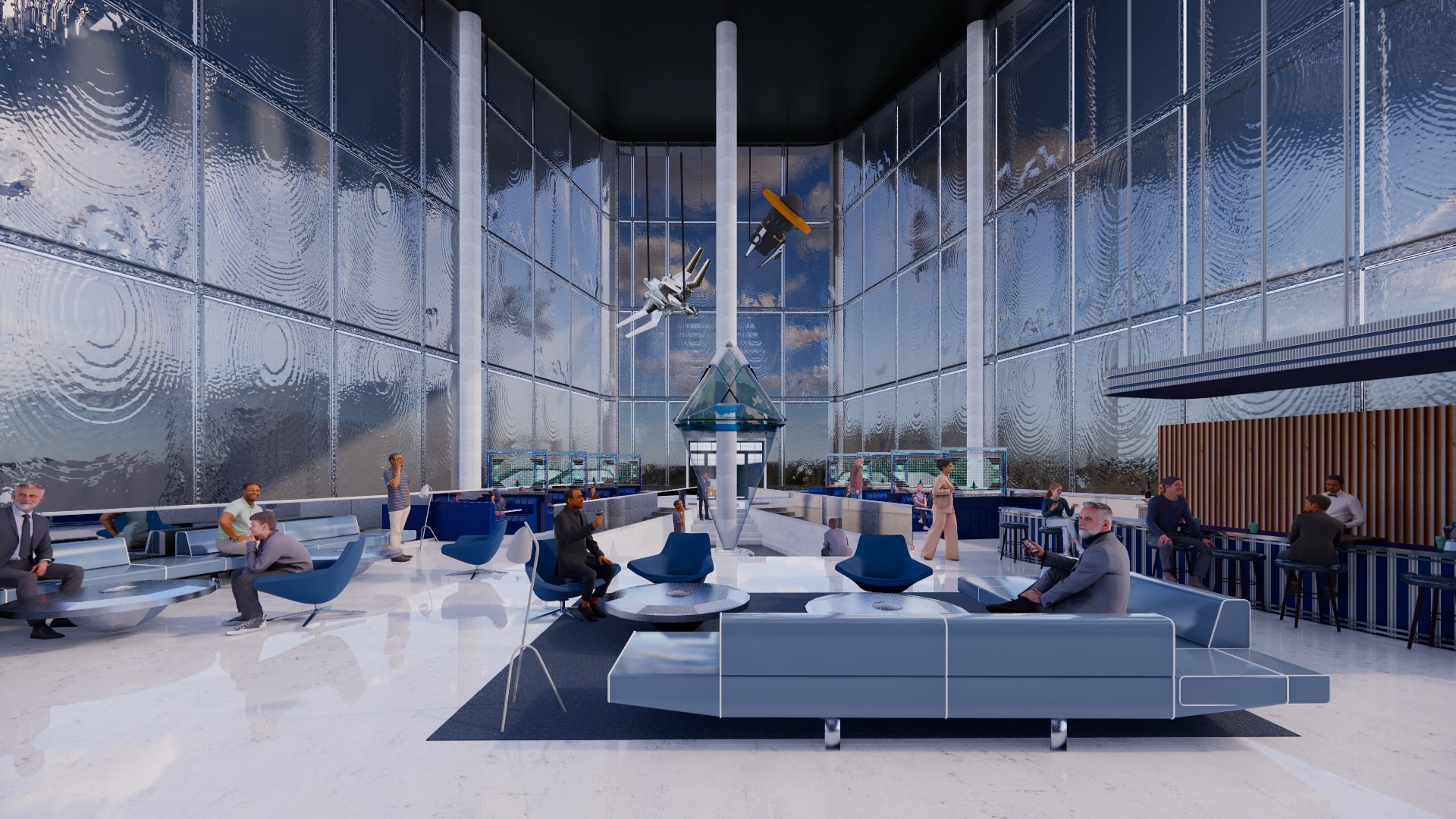
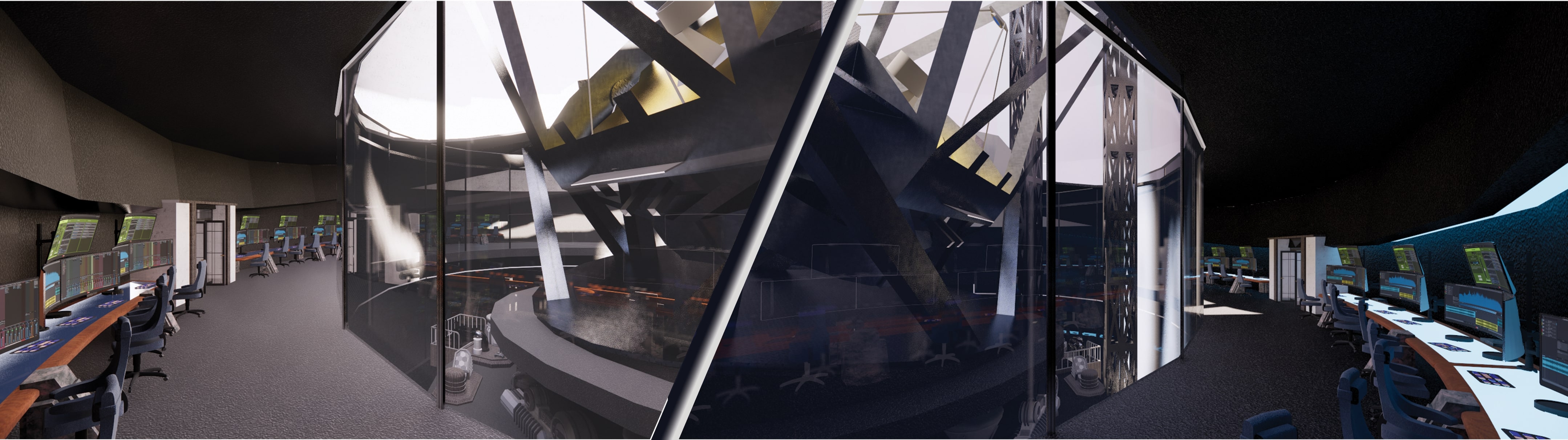
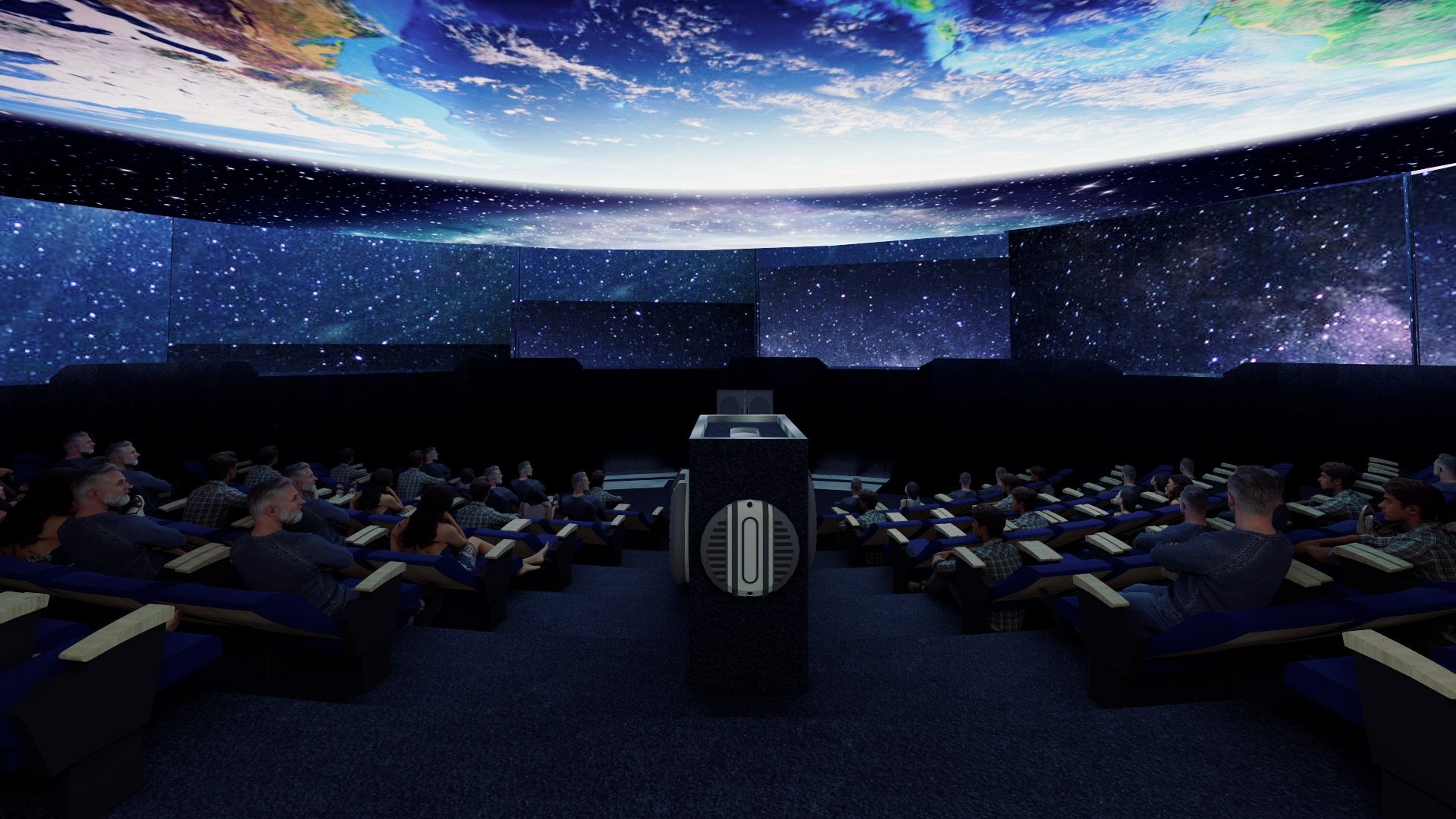
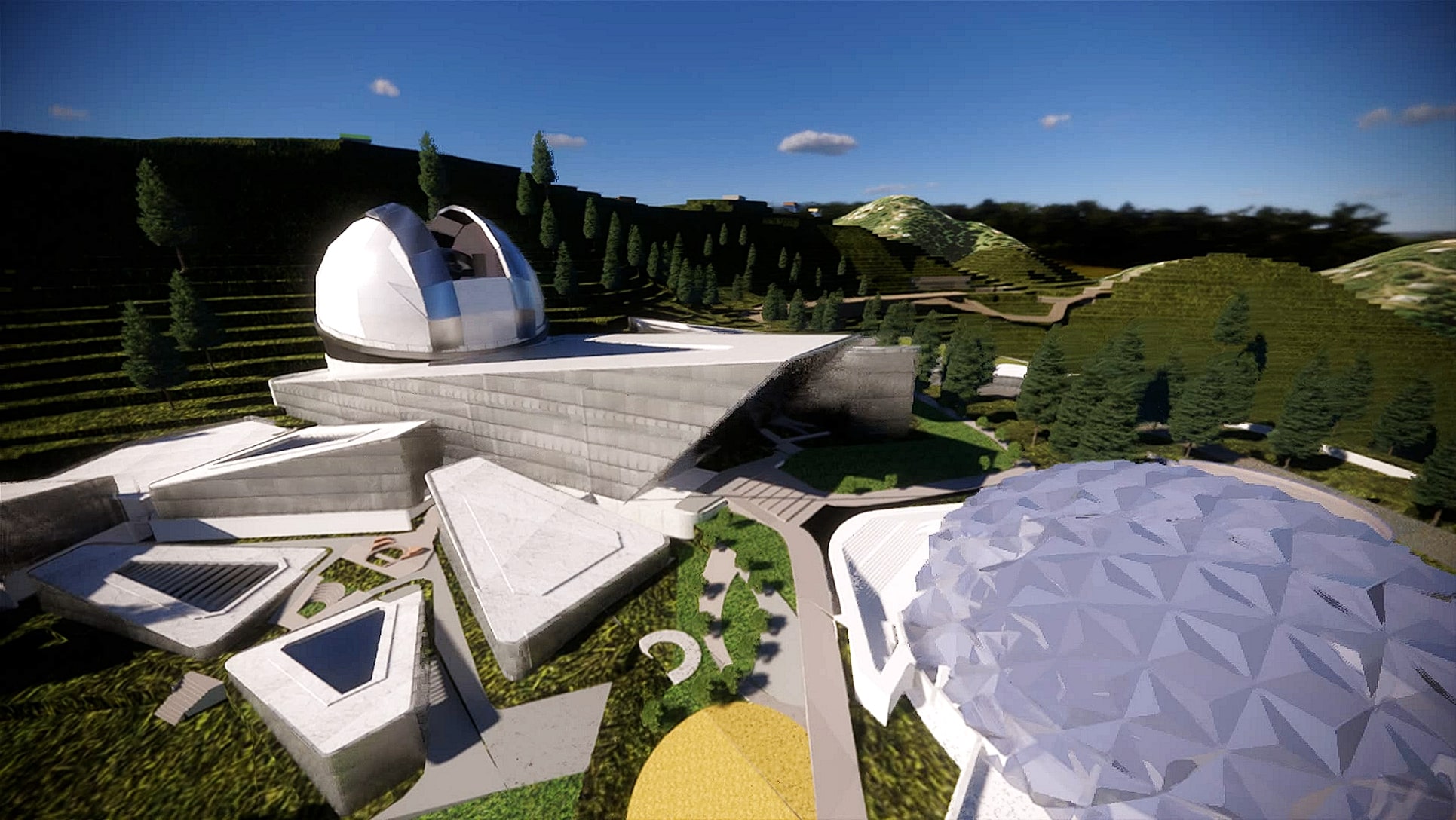
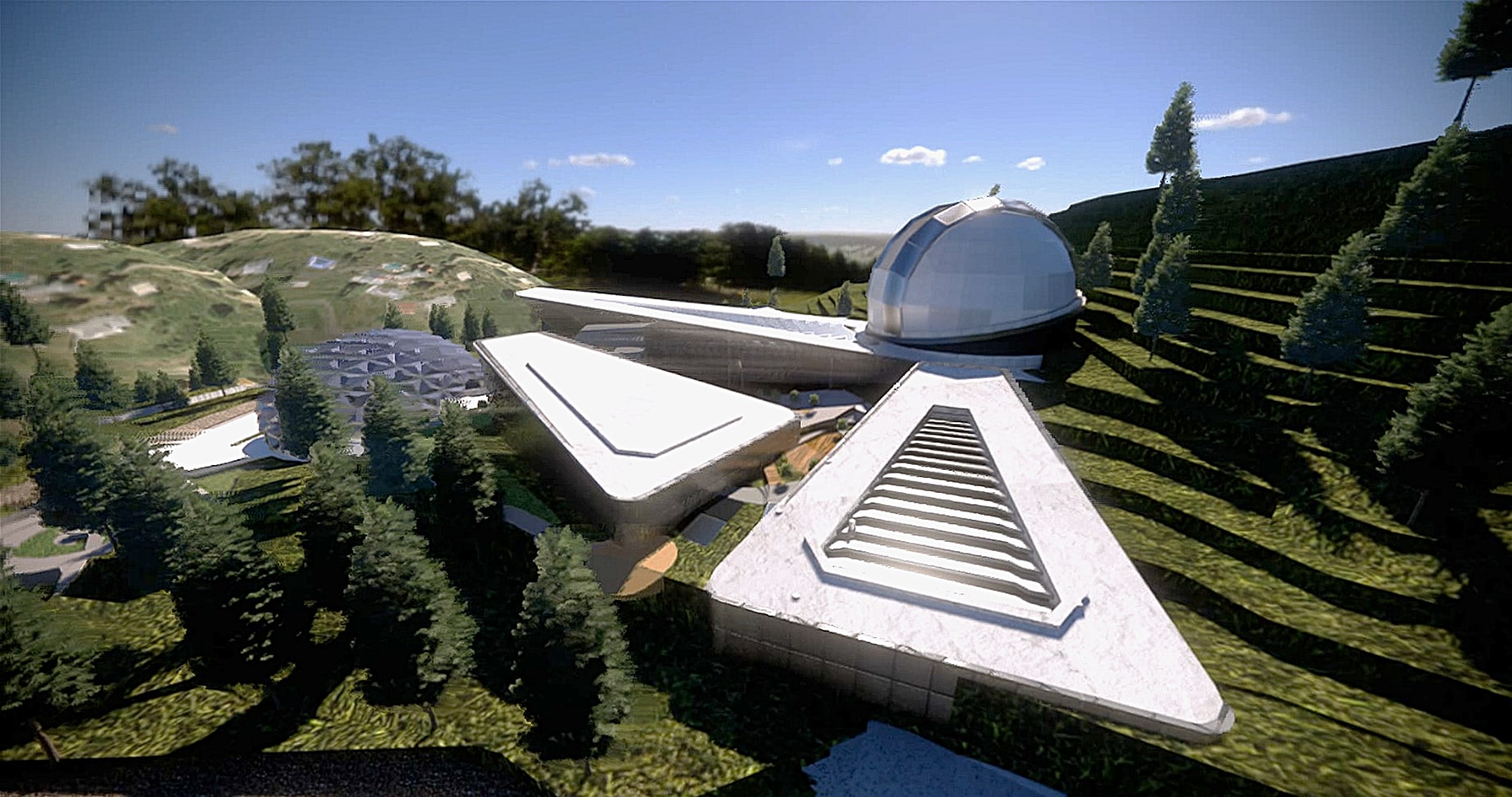
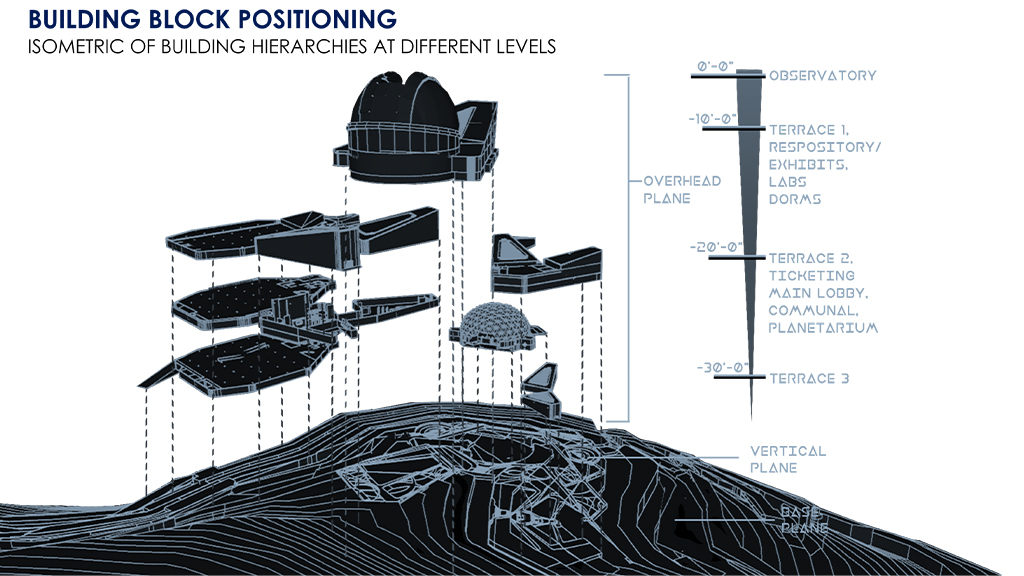
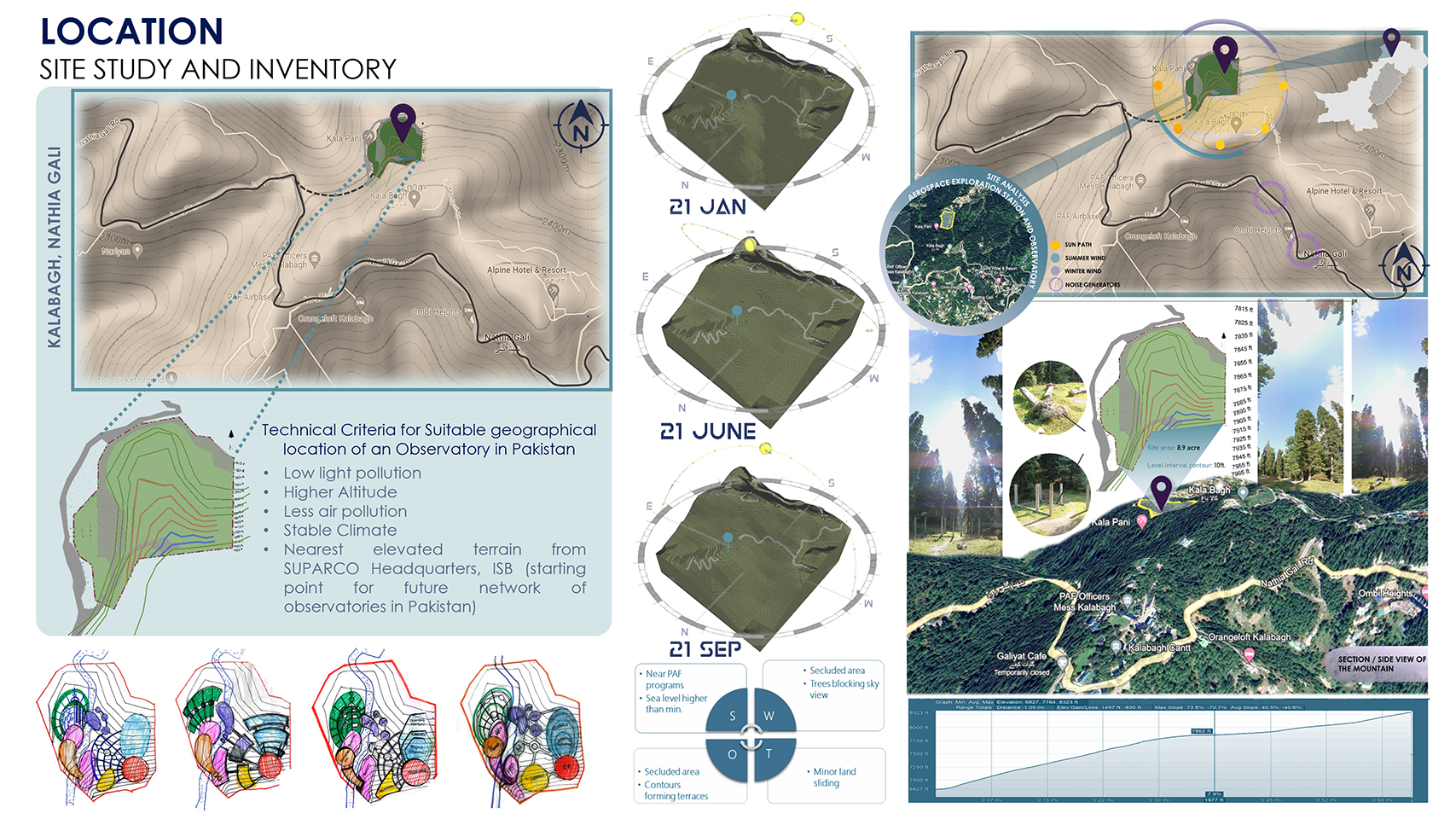
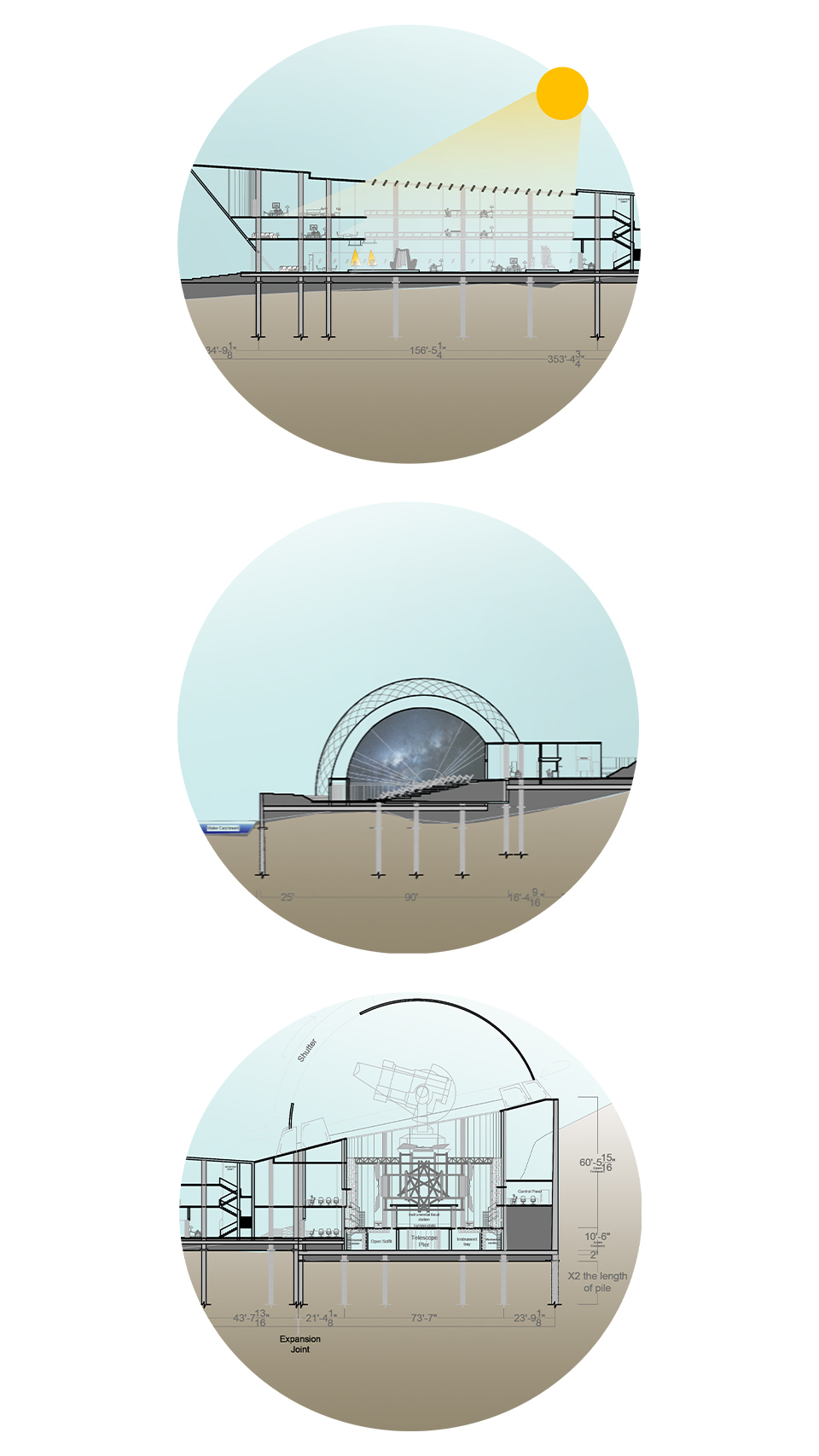




The design of Celestial Crossroads, Aerospace Discovery Outpost and Observatory is a contextual, site-responsive intervention that merges science, architecture, and landscape. The masterplan follows the natural topography of Kalabagh, using cut-and-fill strategies to minimize environmental impact while creating tiered, experiential spaces. Vehicular circulation is limited to peripheral roads, encouraging a pedestrian-friendly central spine that connects all major functions. The project is organized into key programmatic zones, an observatory complex with a geodesic dome housing a digital planetarium, research and training facilities with triple-height atria for natural light, and public engagement areas including exhibition spaces. Passive strategies such as north-facing glazing, sloped roofs for solar gain and snow shedding, water catchment systems, and kinetic louvers for daylight control enhance energy efficiency and climate responsiveness.
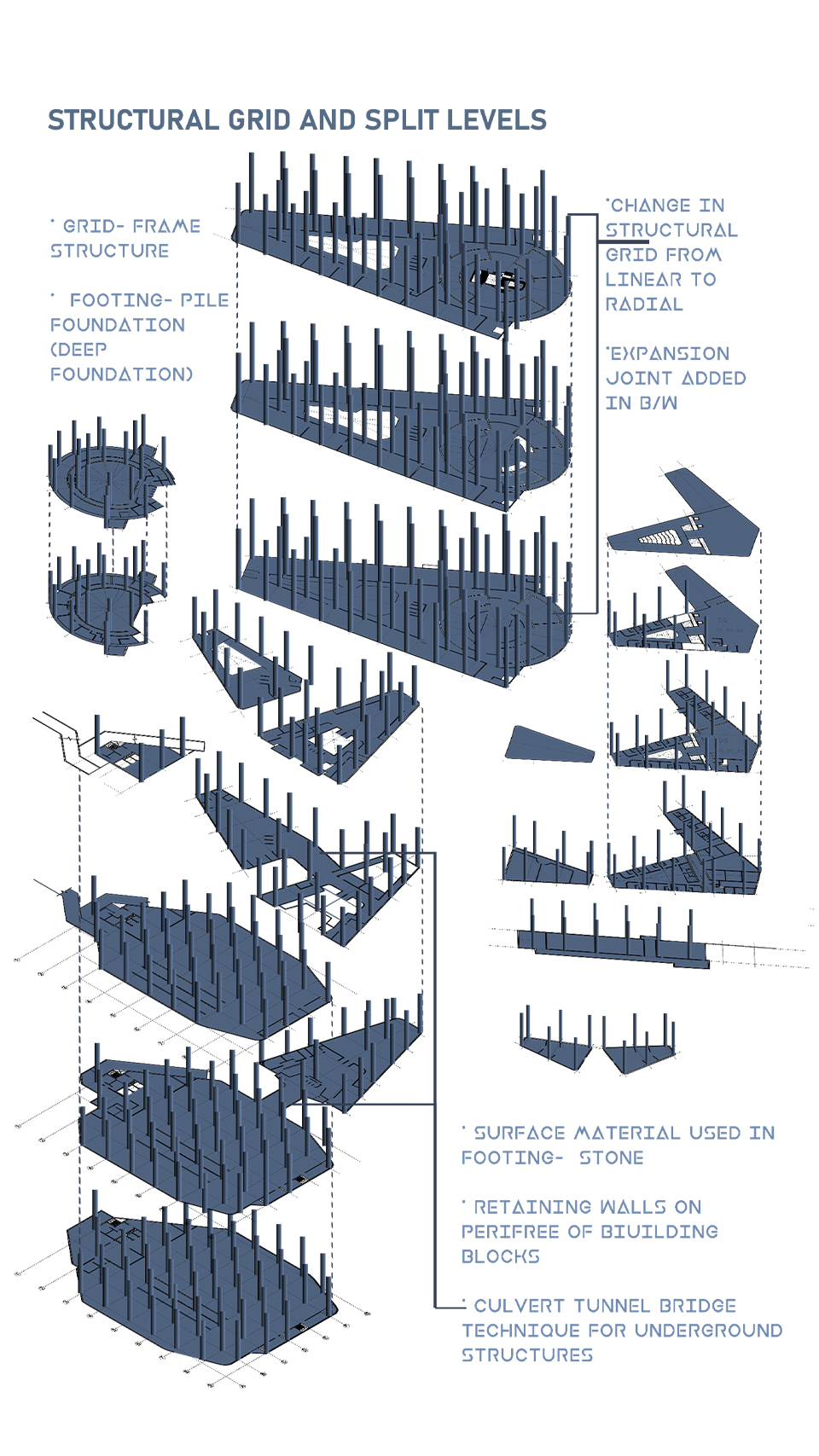
Materiality emphasizes stone masonry foundations and exposed concrete, grounding the project in the rugged mountain setting. The form is dynamic yet cohesive, slanted rooflines echo the surrounding peaks, and the observatory dome acts as the focal point and symbolic heart of the design. Together, these elements create a space that inspires curiosity, facilitates research, and integrates space science into public life.
Contact Designers || Portfolio
You Might Find These Interesting
 DESIGNED BY: Iftikhar Ahmad
Capital Institute of Liberal Arts
Park Road, Islamabad, Pakistan