A Detention and Rehabilitation Facility
A detention and rehabilitation facility in Hunza that reframes confinement through cultural sensitivity, localized surveillance, and therapeutic rehabilitation within a seismic and social context.
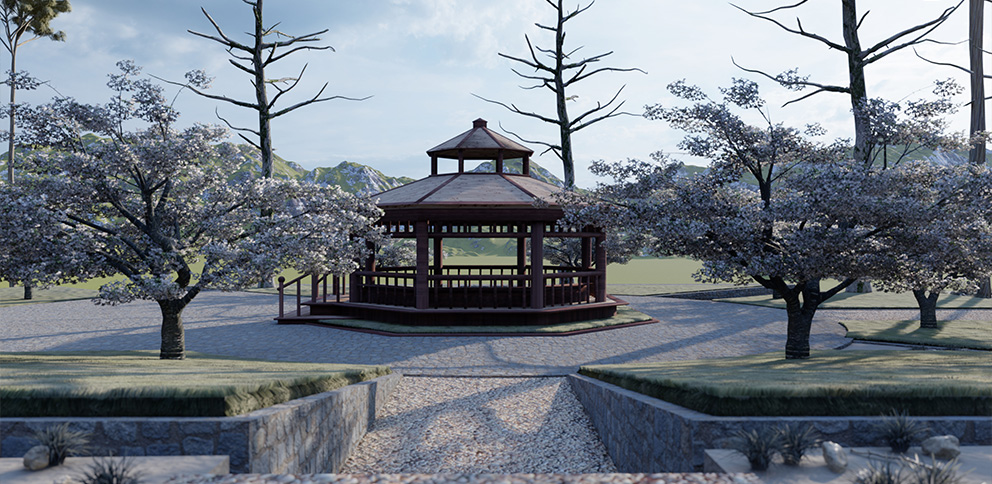
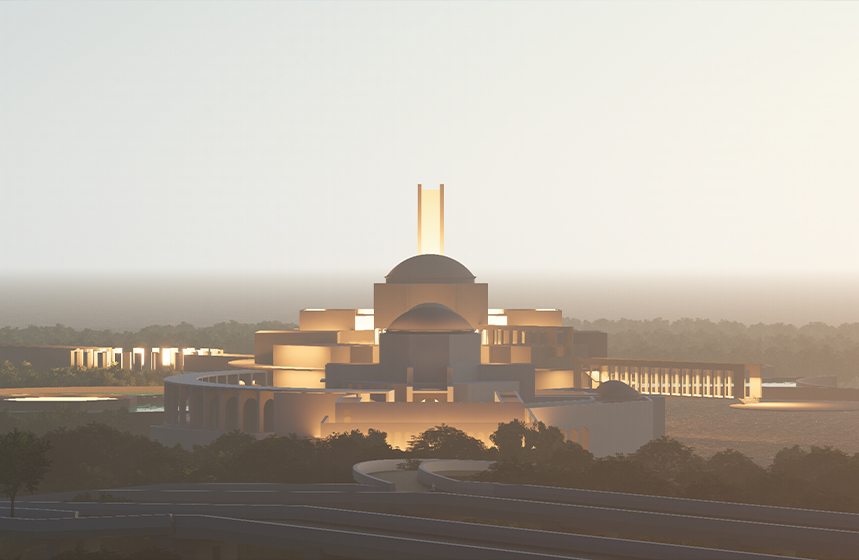
The project challenges the punitive legacy of detention architecture by proposing a rehabilitation-focused facility in Hunza, where cultural, spiritual, and social continuity guide the design. Inspired by the Urdu couplets "راستے کھلے تھے مگر نظروں کے حصار میں / ہر موڑ پہ خاموشی، ہر سمت پہرہ دار" (The paths were open, yet confined by gazes; silence at every turn, guards in every direction), the design acknowledges the paradox of freedom within surveillance. Instead of coercive control, the facility embeds layered surveillance strategies—self-surveillance, systematic observation, surfaces of emergence, and reward-based monitoring—derived from sociological frameworks by Haggerty, Ericson, Hirst, and Plöger. This ensures that authority is not overtly authoritarian but subtly participatory. The architecture itself becomes a manifesto: rather than isolate, it heals; rather than punish, it educates. By reframing detention through the lens of community, incentive, and introspection, the project redefines justice as architectural care.
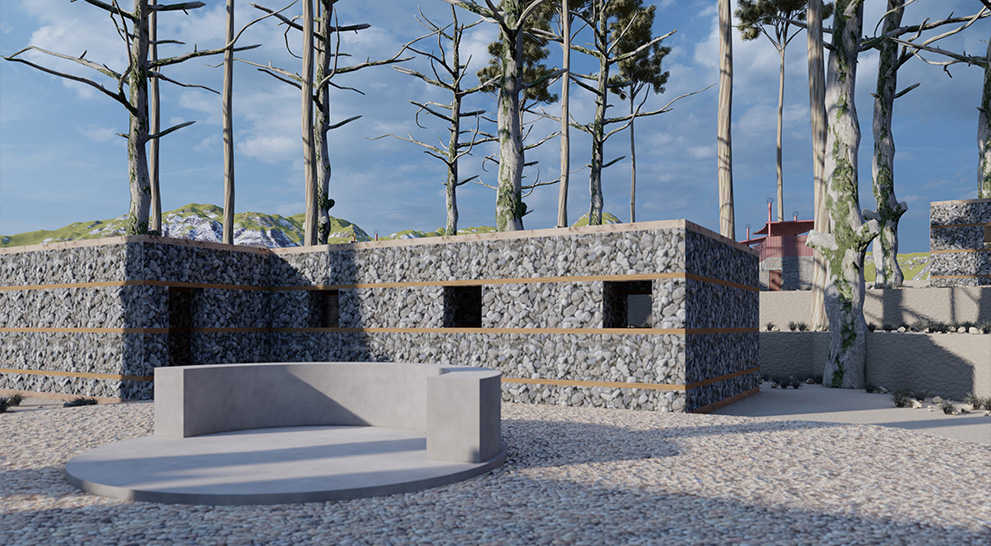
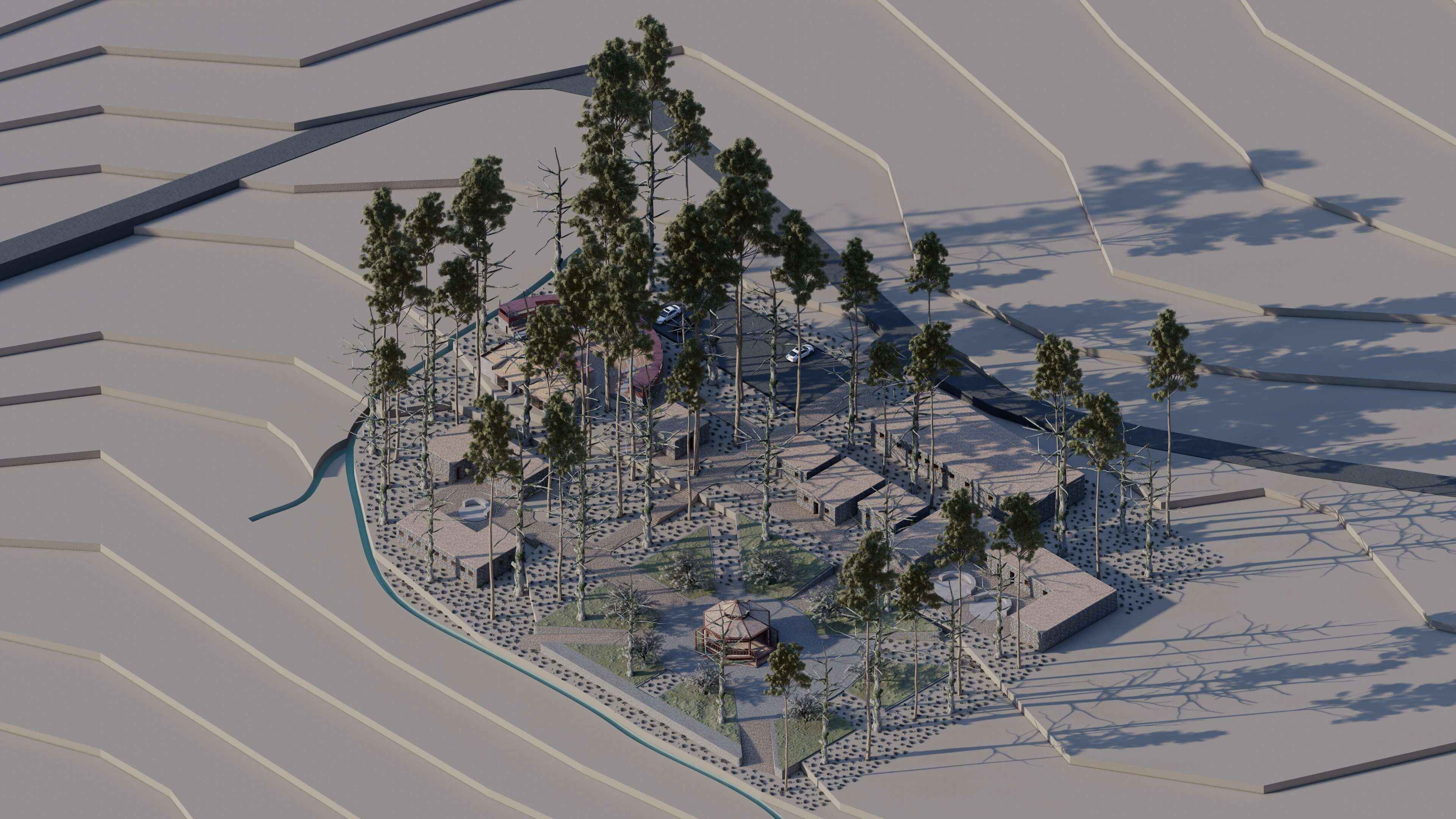
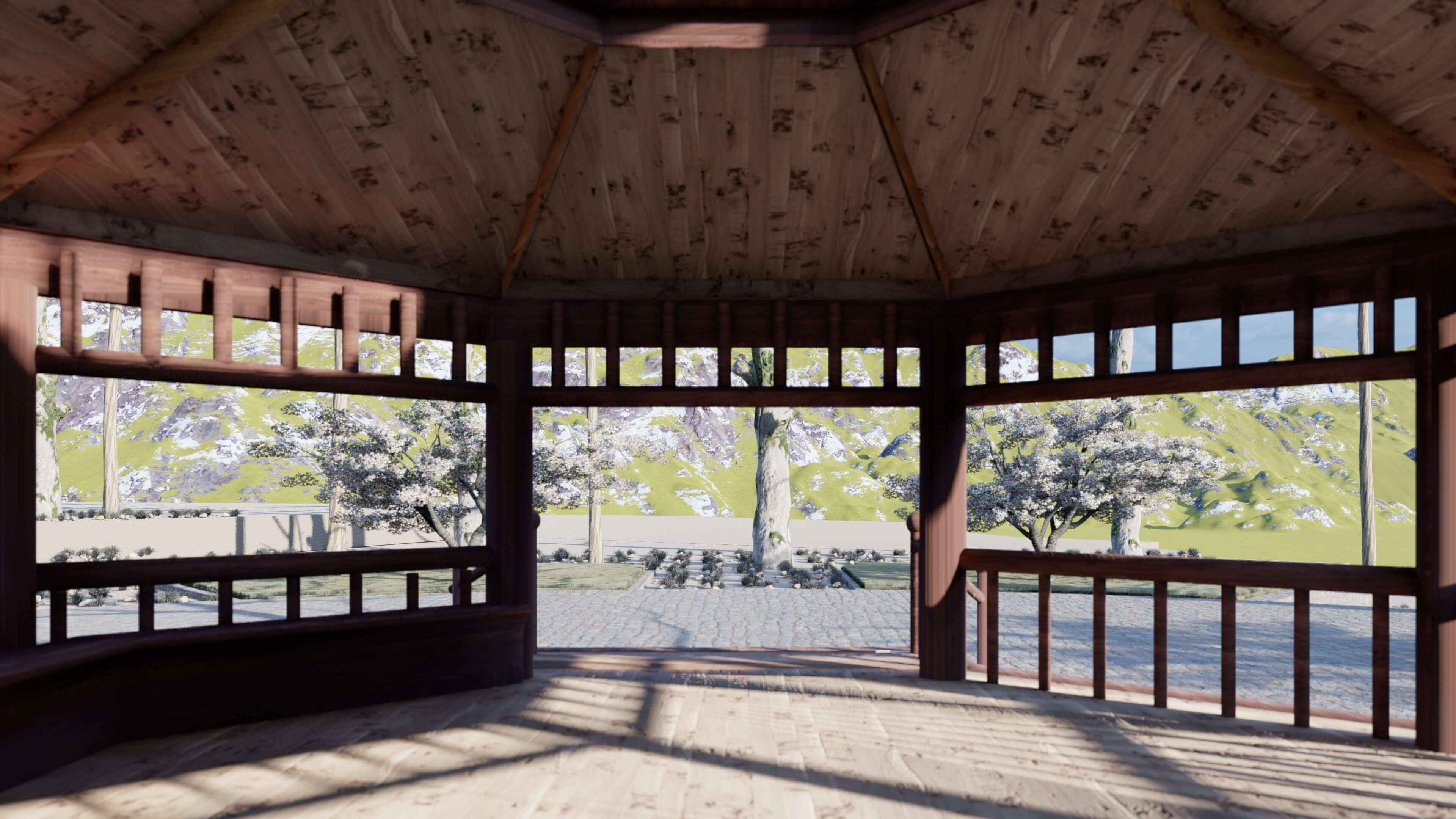
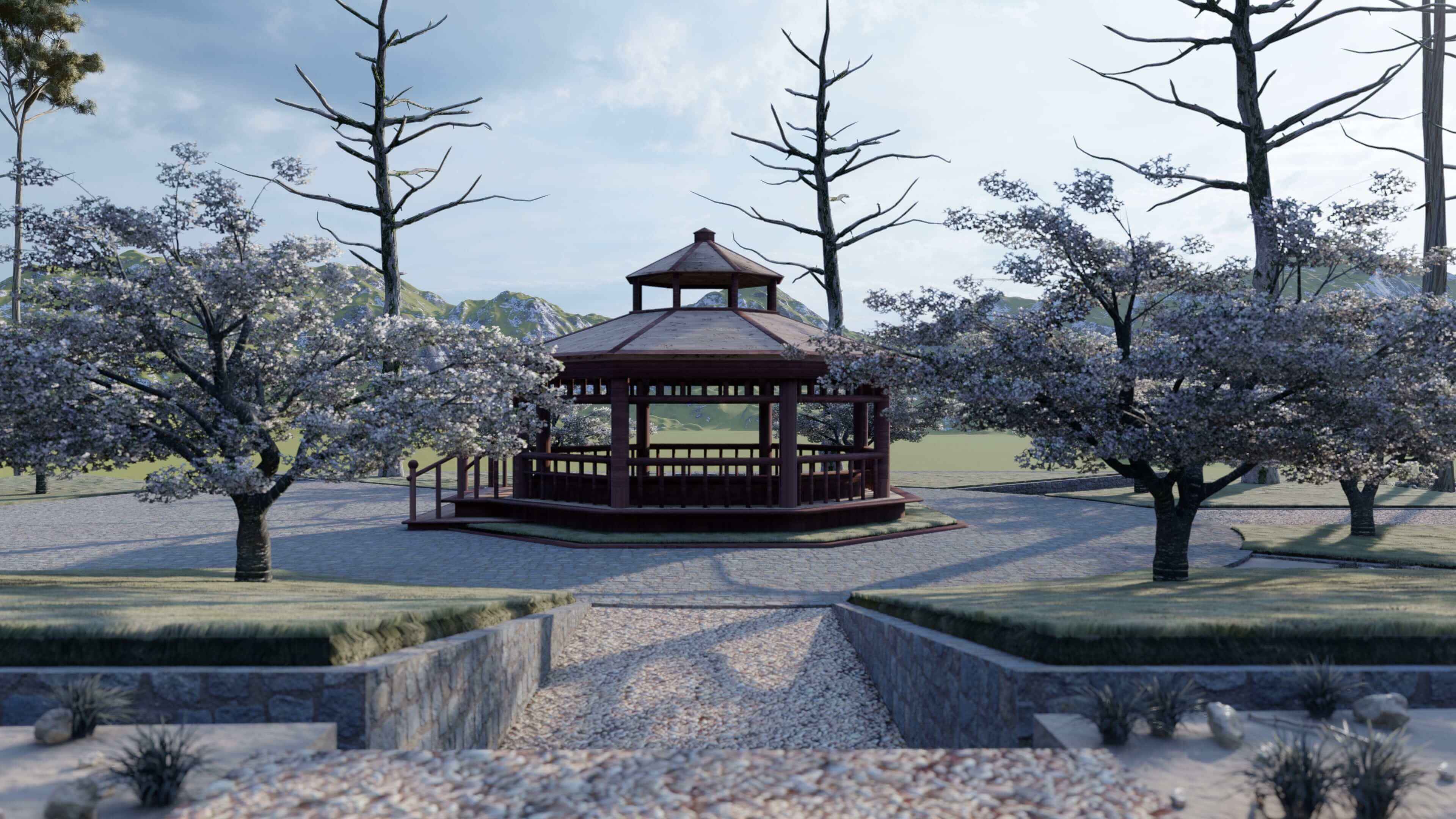
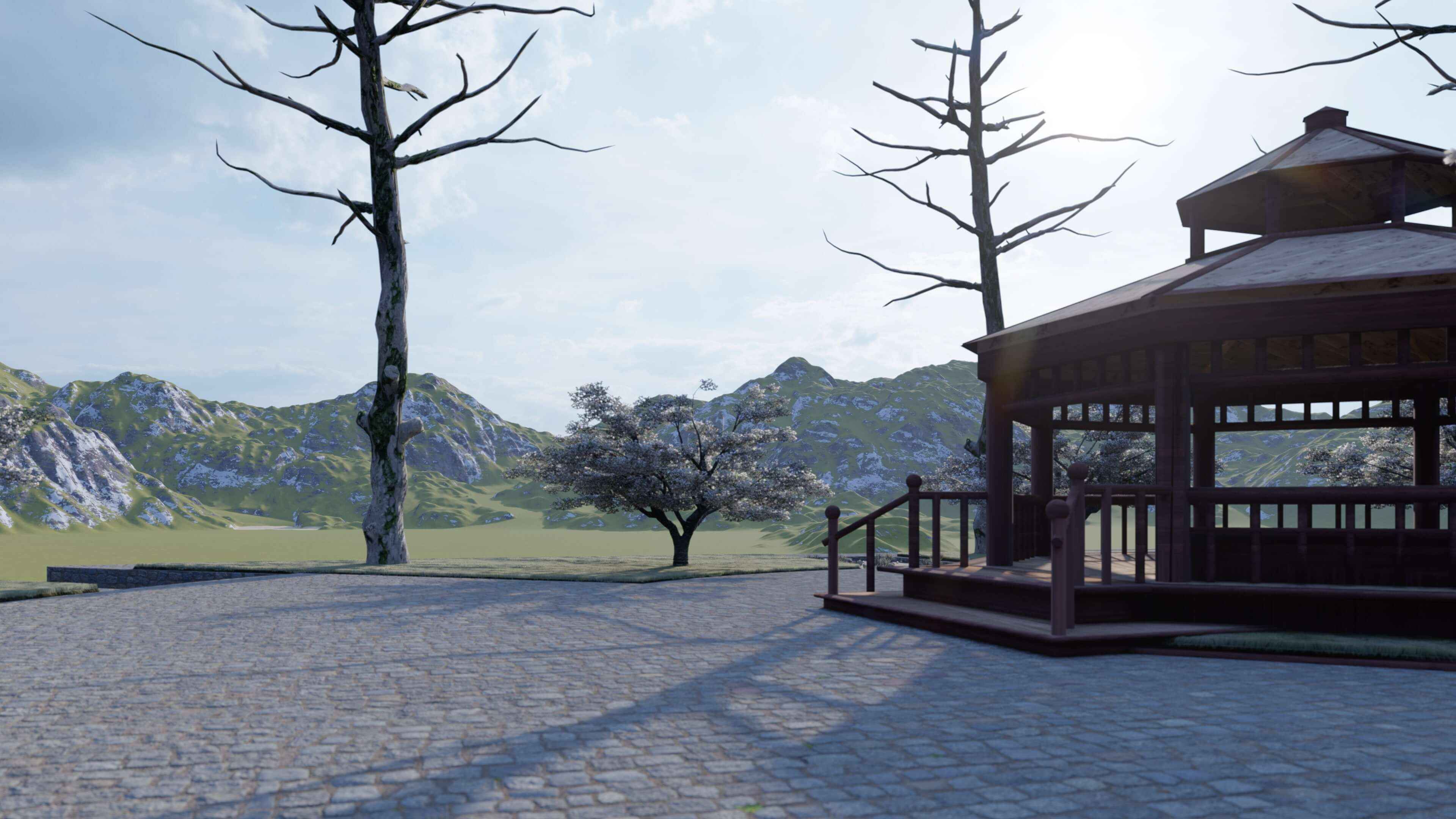
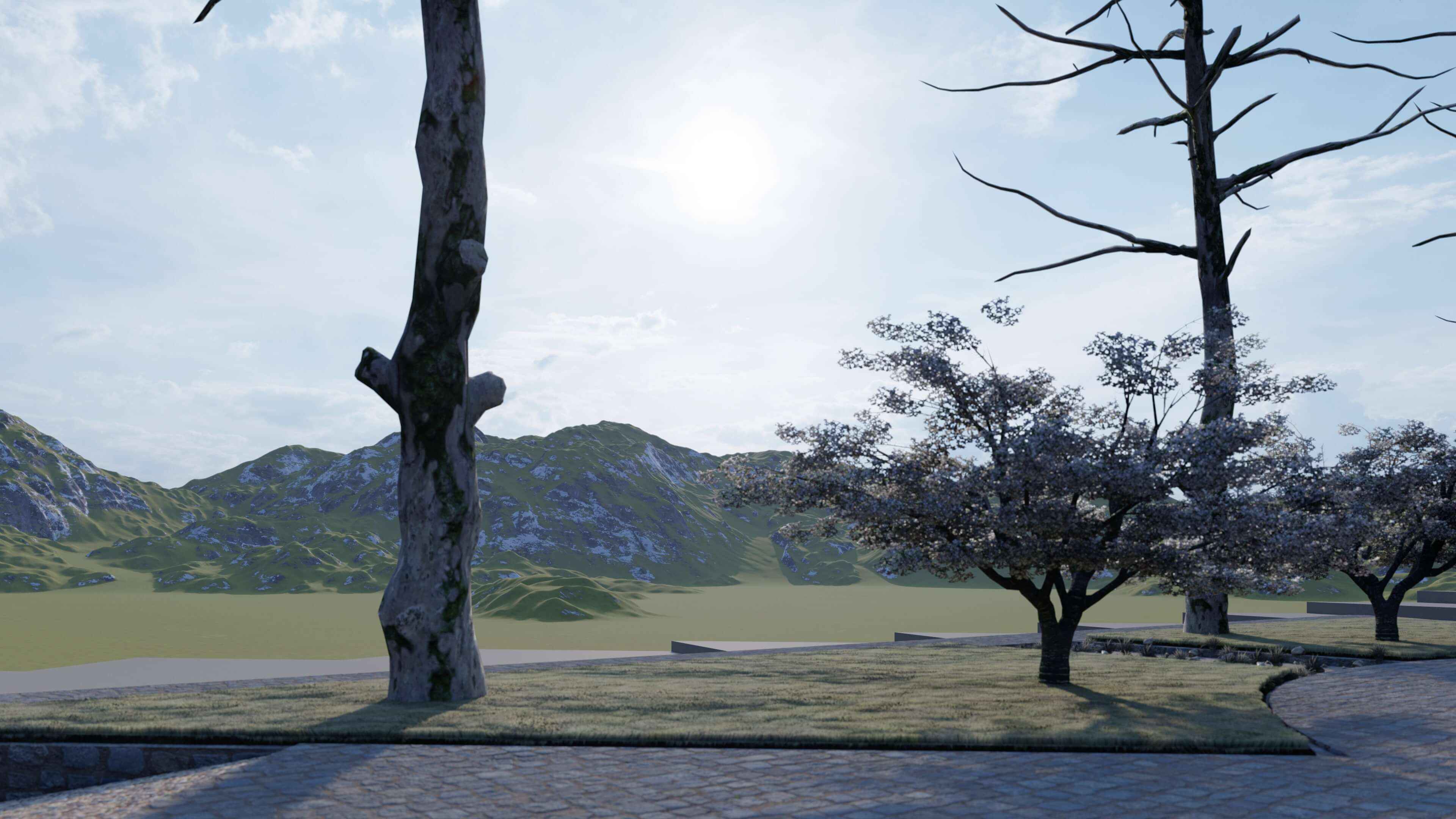
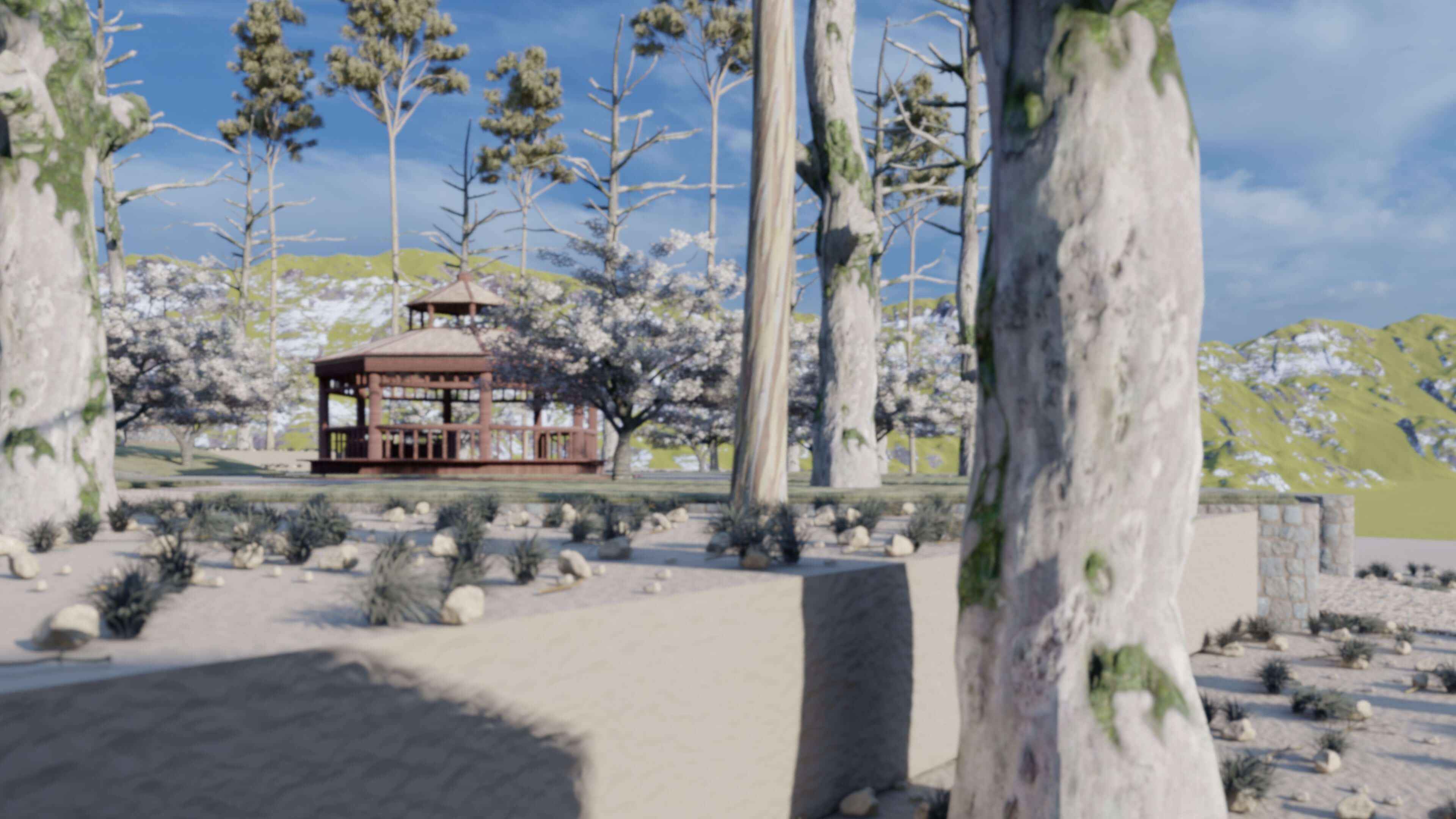
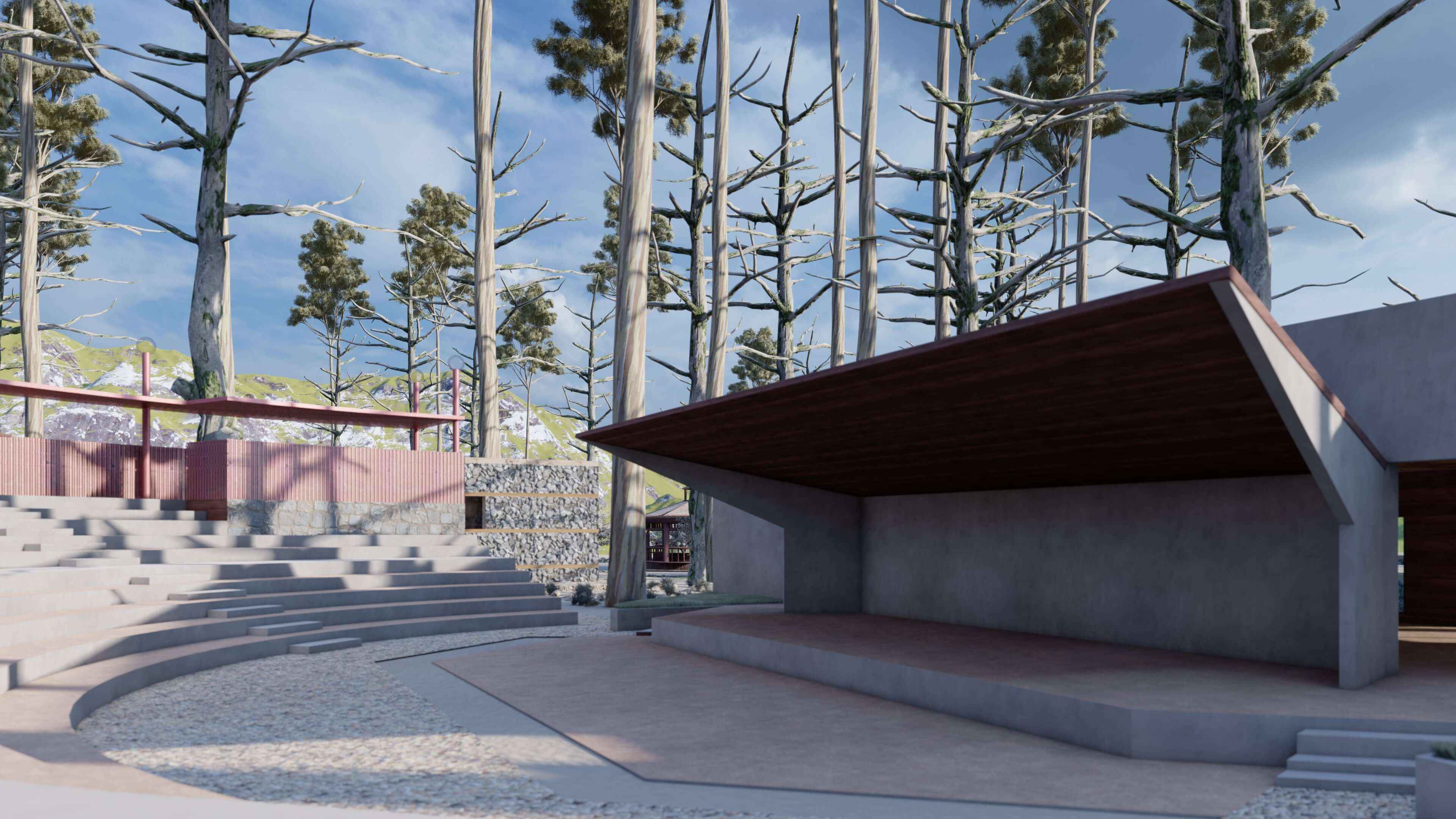
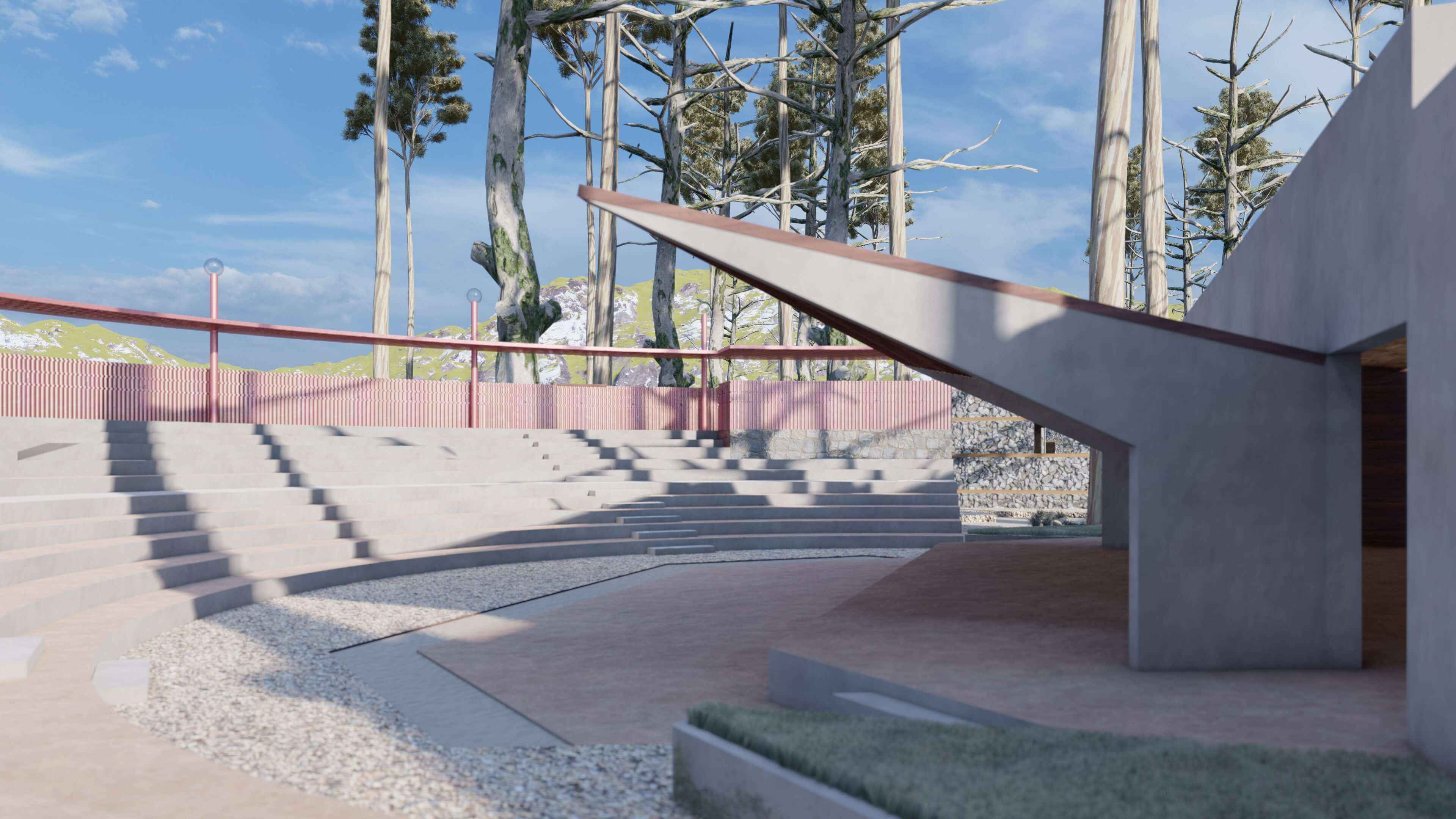
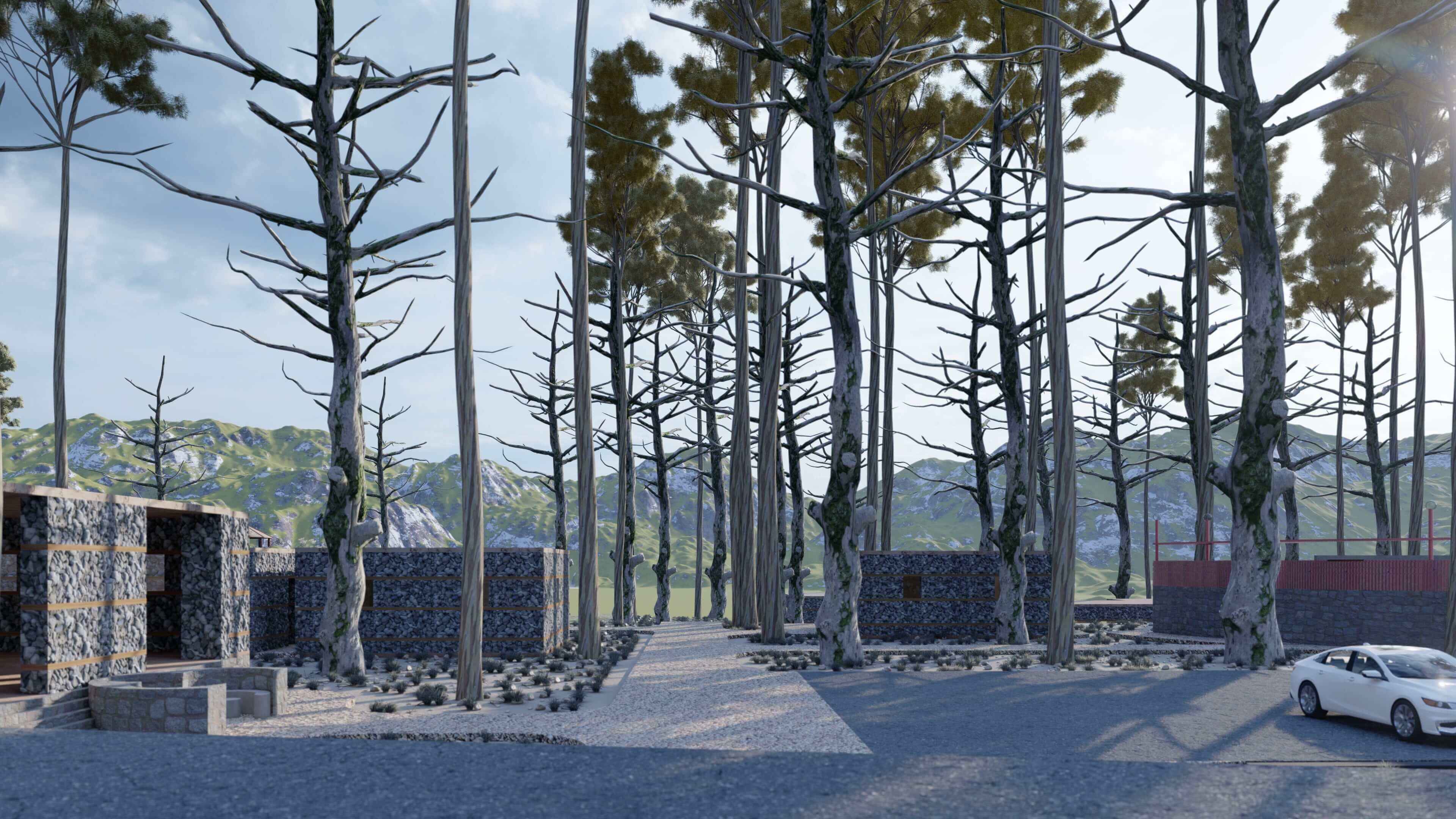
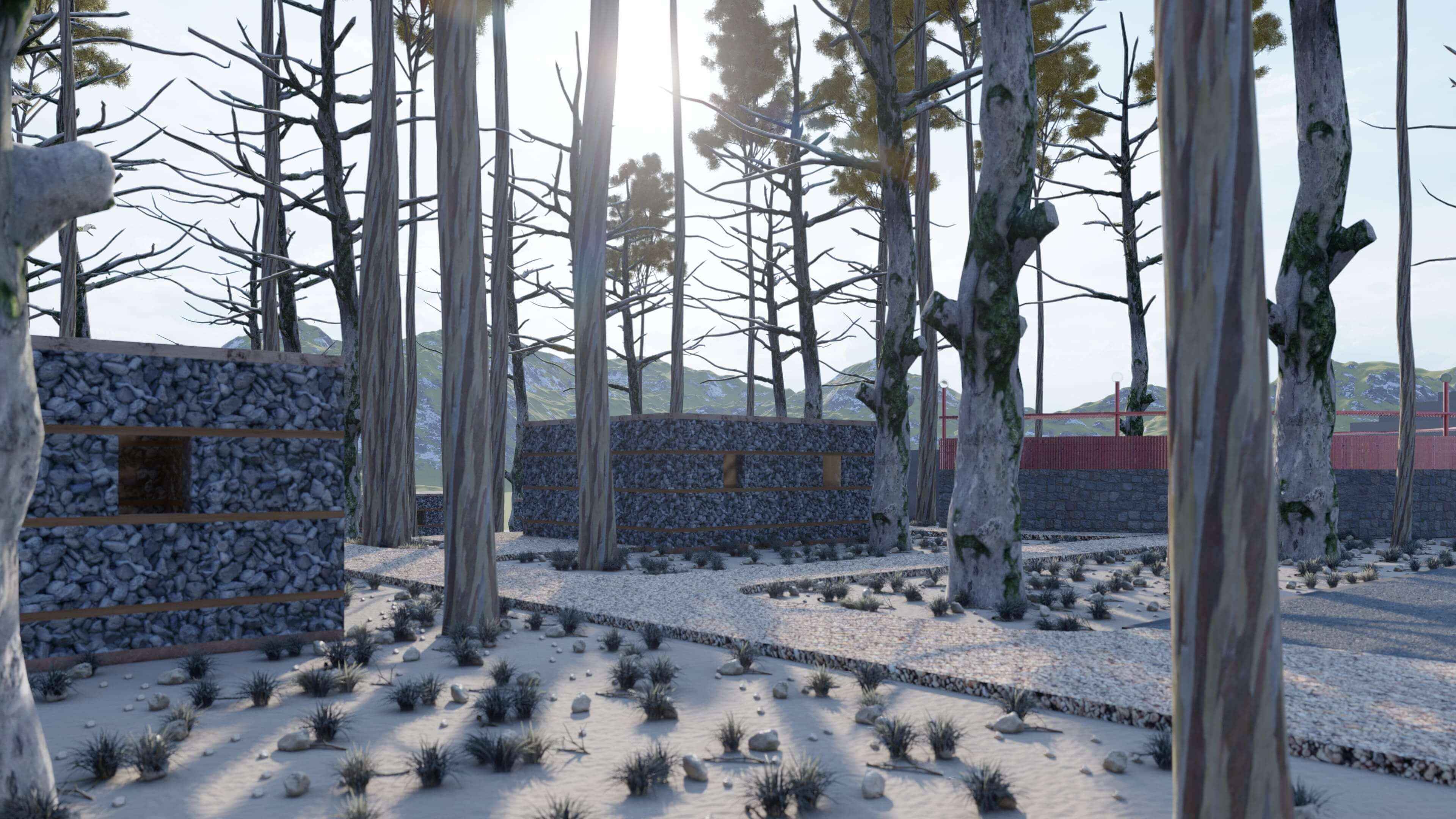
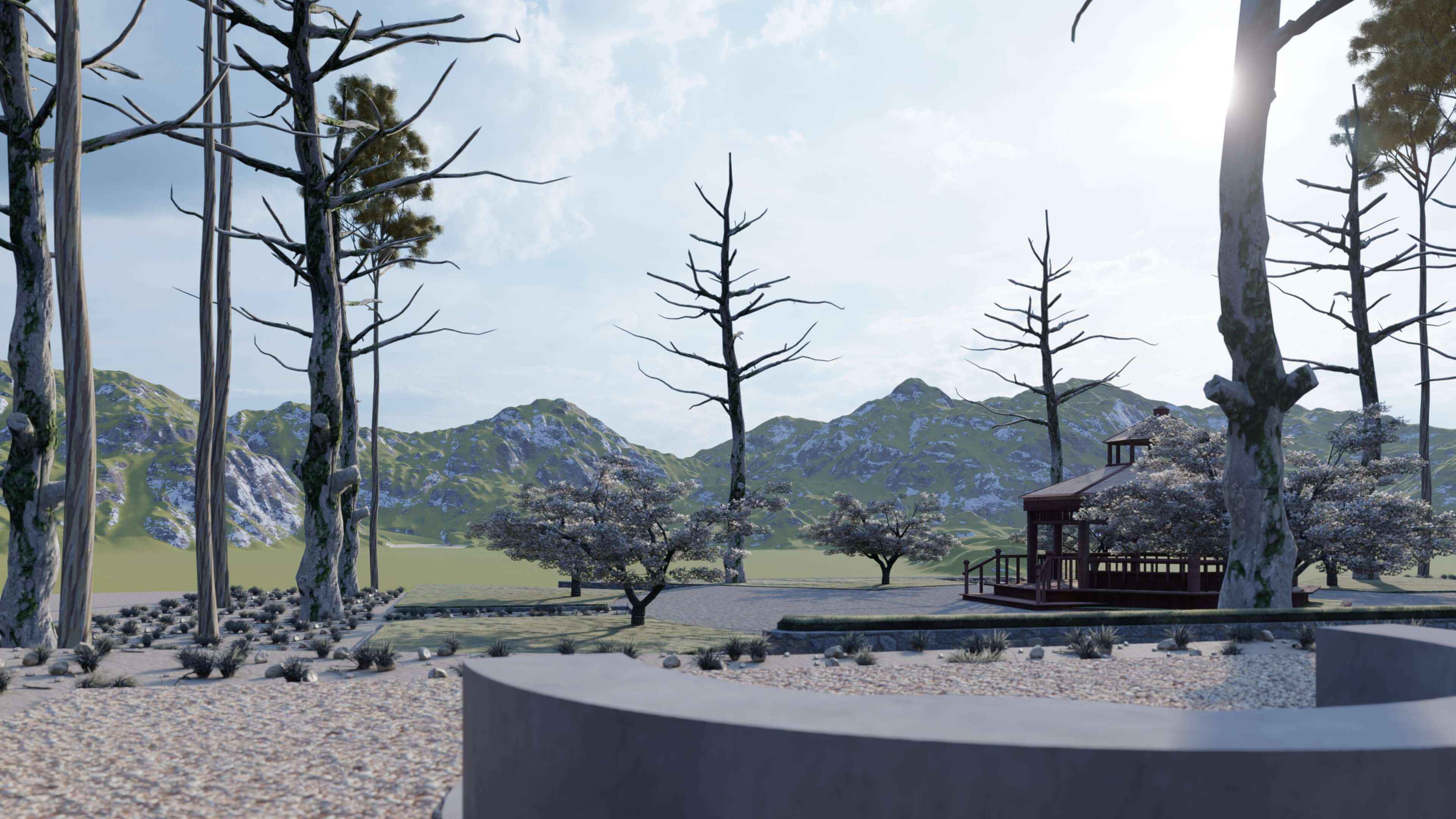


The facility adopts a looped spatial sequence that symbolizes rehabilitation as a journey of transformation. At the threshold, the Jirga Gah situates justice within community deliberation, reflecting local cultural practice. Moving inward, barracks and dormitories are designed hierarchically: shared barracks house four detainees, while dormitories transition to double and single-occupancy units—encouraging gradual self-discipline and self-surveillance. At the loop’s heart, the Baazgasht Park acts as a collaborative green commons, where emergent behaviors and informal encounters occur without overt monitoring. This spatial device reflects the second poetic couplet "نظر دید پہ لکھے تھے حکم نامے / چپ کے دائروں میں ہر فرد پہرہ دار" (Every glance bore a command; within circles of silence, every individual became a guard). Surveillance here is achieved through participation, symbolism, and social space rather than force. Complementing this are twin hubs: Markaz-e-Tafakkur (prayer hall, library, communal eating) for spiritual reflection, and Markaz-e-Bazyabi (counseling, workshops, skills training) for recovery and reintegration.
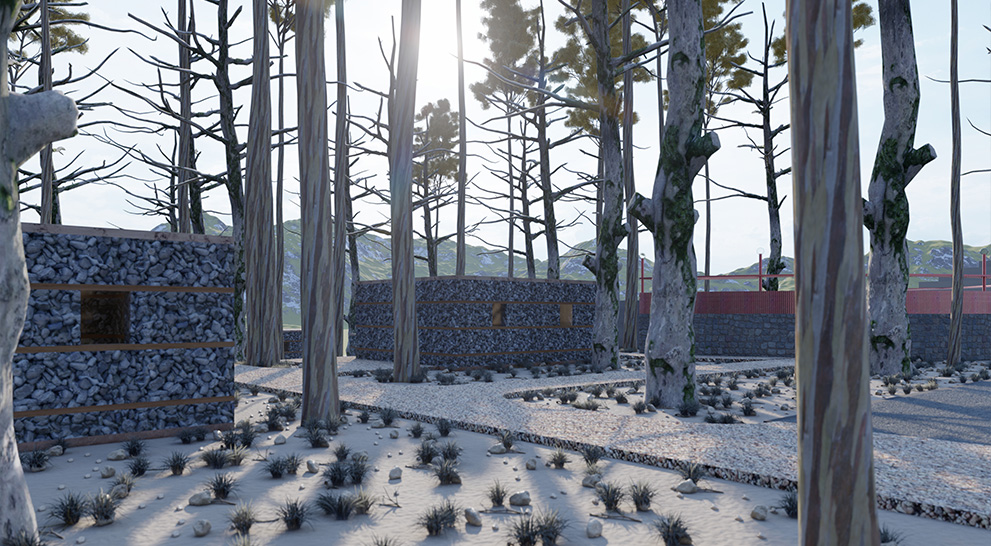
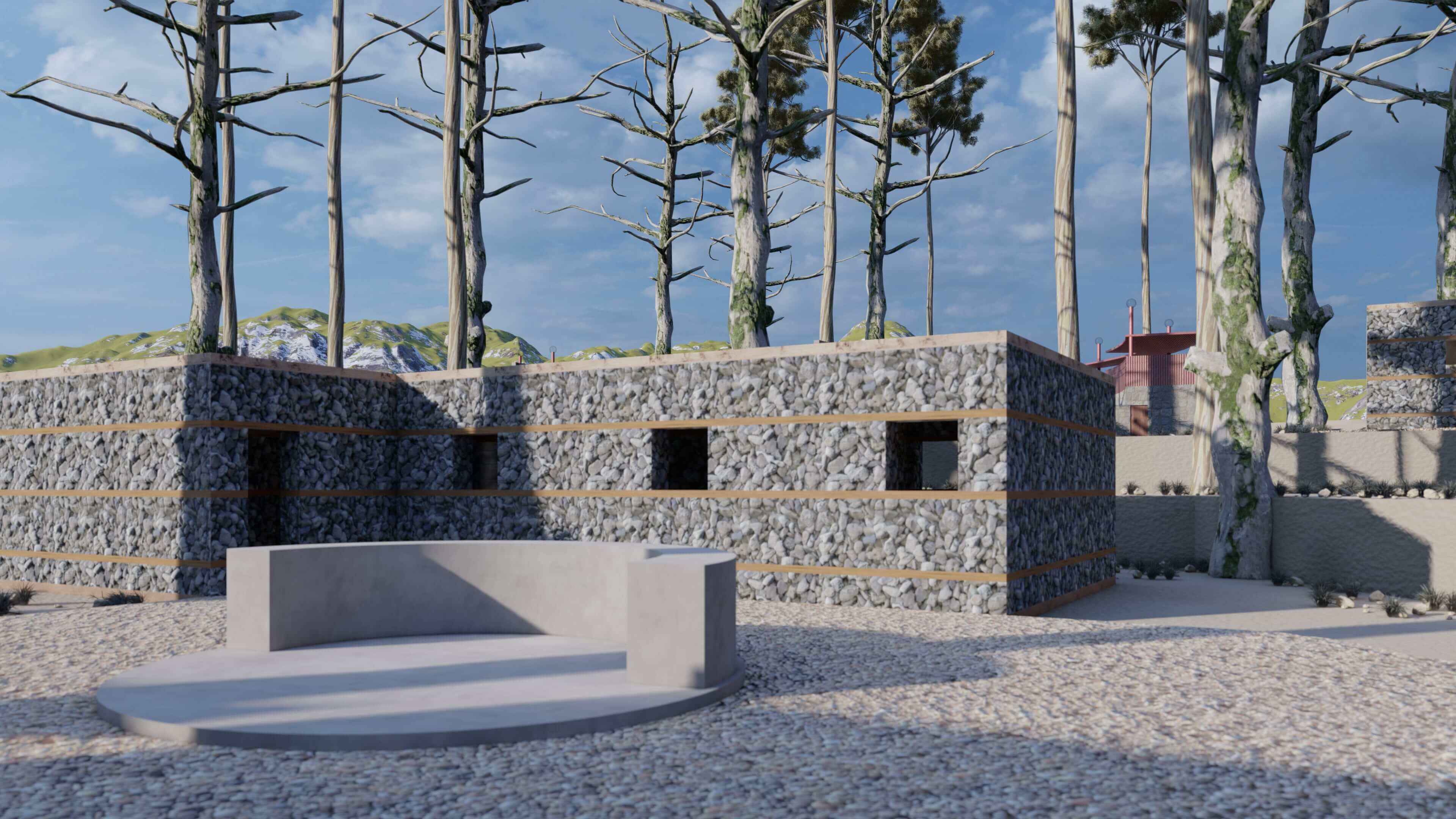
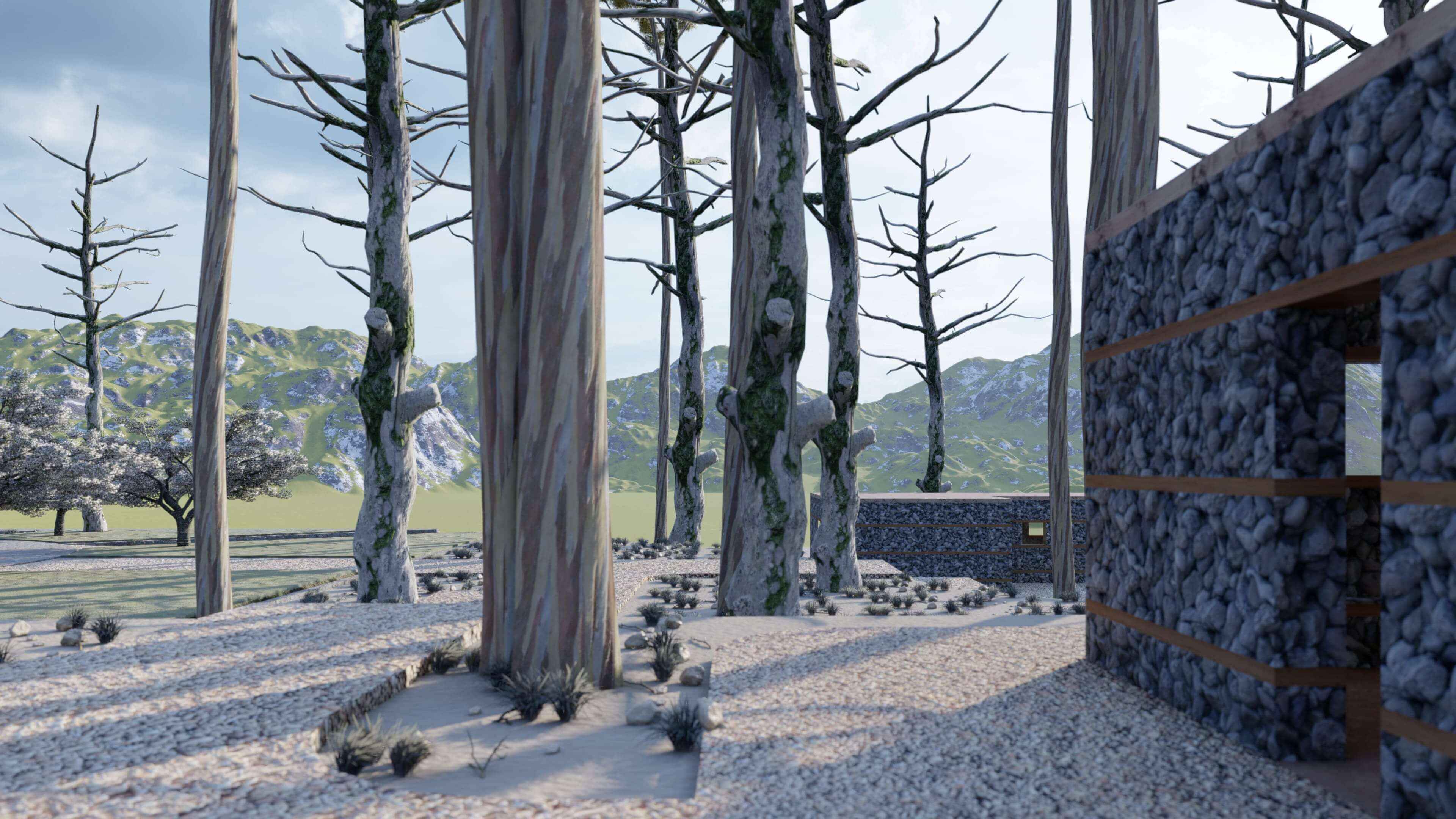
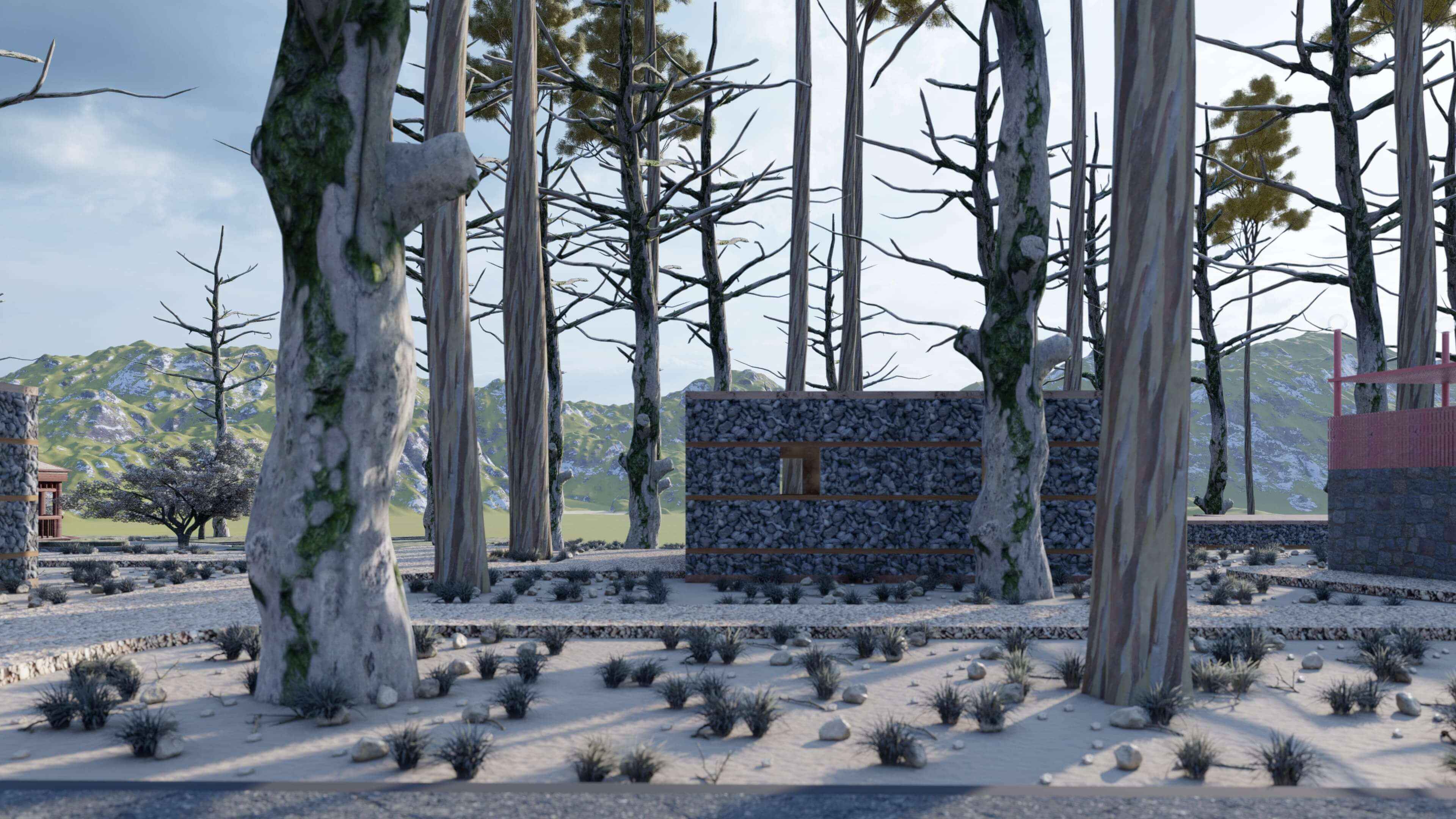
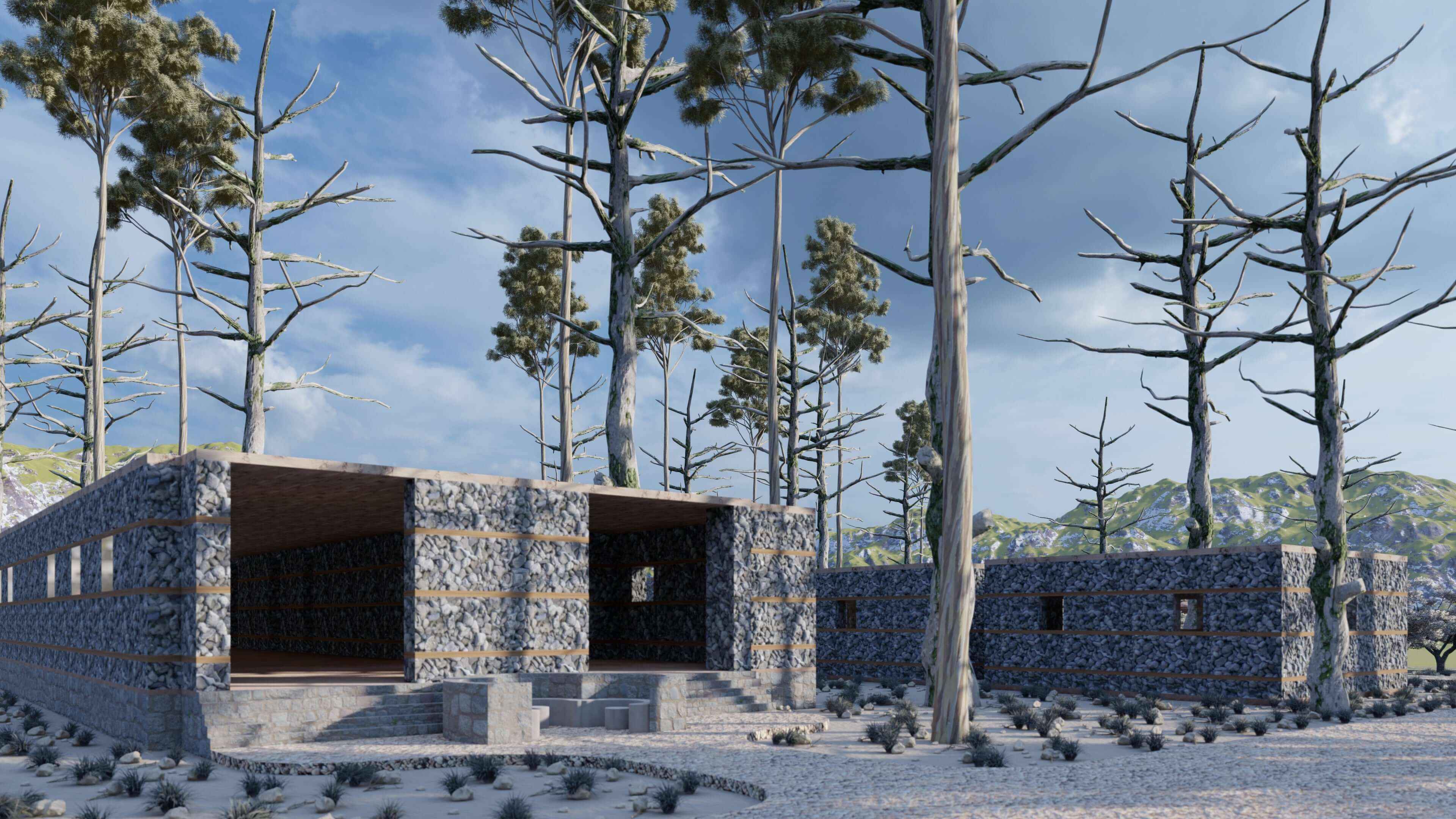

Hunza’s seismic profile demanded earthquake-conscious solutions. The foundation integrates a welded steel isolation base with spring-type vibration absorbers and reinforced concrete blocks to counter shocks induced by glacial melt earthquakes. The superstructure employs the vernacular Bhattar construction method—timber joists, steel-reinforced beams, and insulation infill—to balance resilience, thermal performance, and local identity. The administrative and judicial block is centrally positioned but visually integrated with community areas, avoiding punitive segregation. Instead of relying on walls, fences, or cameras, control emerges from programming, spatial thresholds, and collective participation. This design resists disciplinary architecture by embedding justice into lived experiences. The facility is thus a cultural manifesto: a space where architecture facilitates transformation, reconnects detainees with society, and frames confinement not as exclusion but as a path to rehabilitation. It proves that justice can be spatial, participatory, and humane.
Contact Designers || Portfolio
You Might Find These Interesting
 DESIGNED BY: Isha Nasir
Challenging the Permanence of Conventional Buildings
Adj. Peeru’s Cafe, Green Acres Housing Society, Raiwind Road, Lahore, Punjab