Challenging the Permanence of Conventional Buildings
Transformable Architectural Spaces that reconfigure based on need, fostering a more sustainable and responsive built environment for the future.
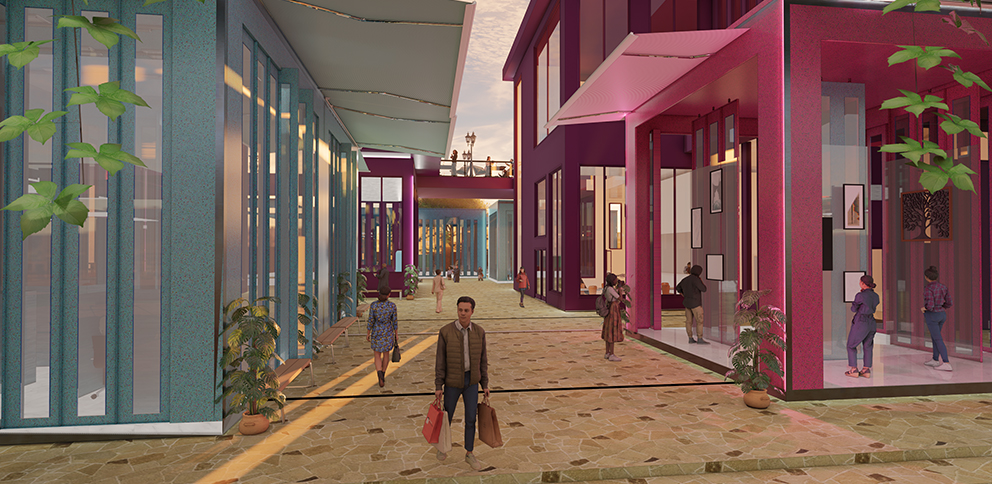
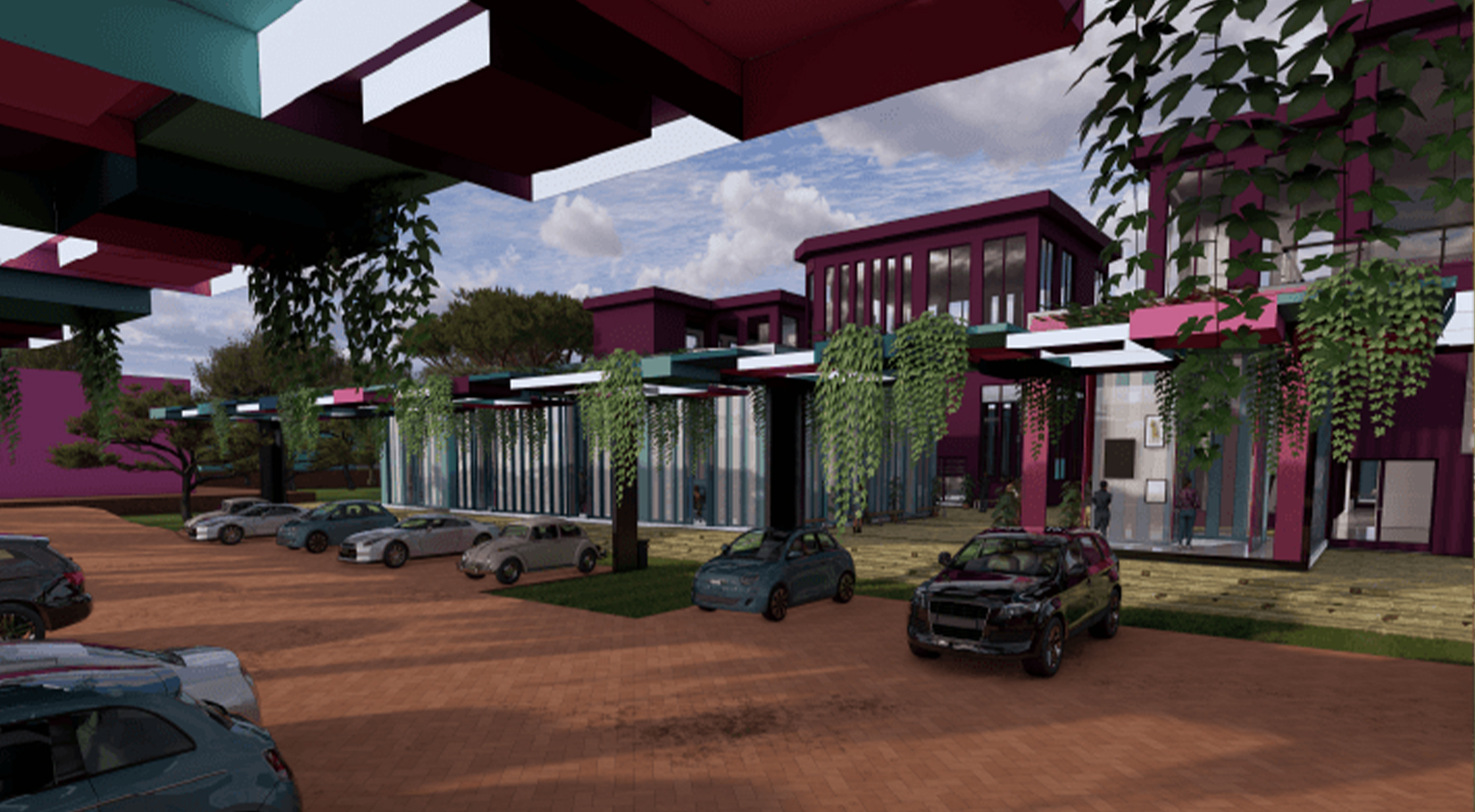
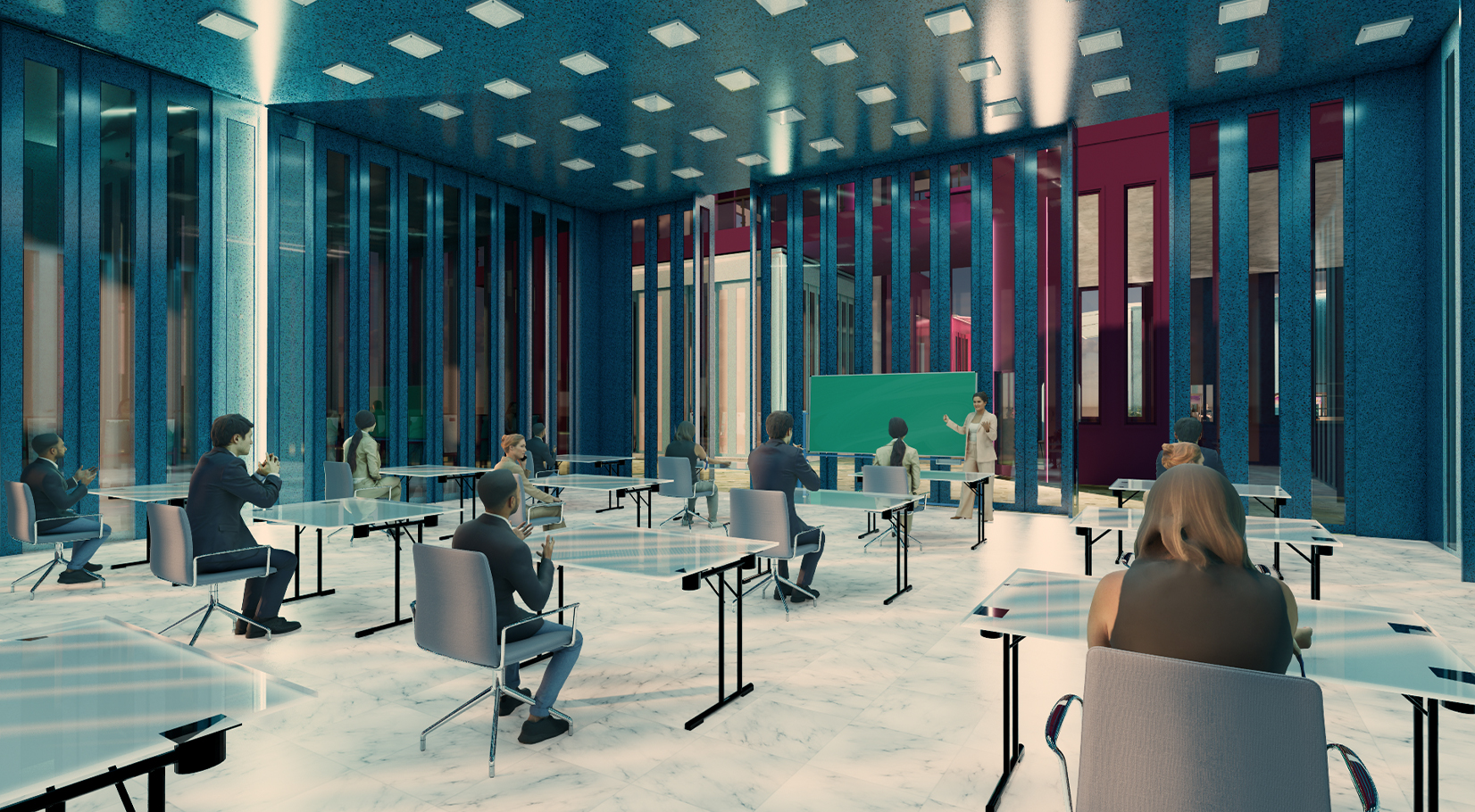
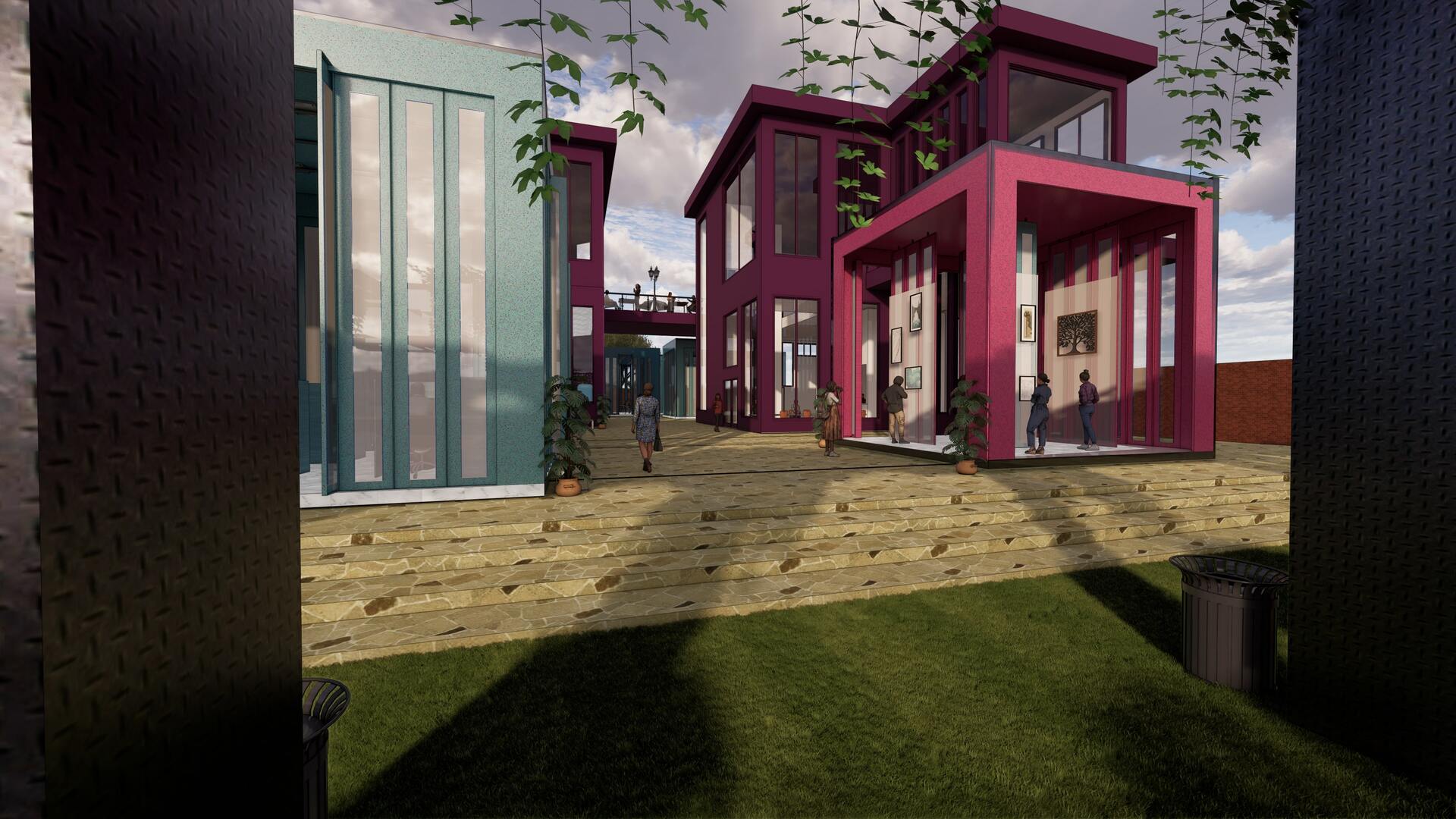
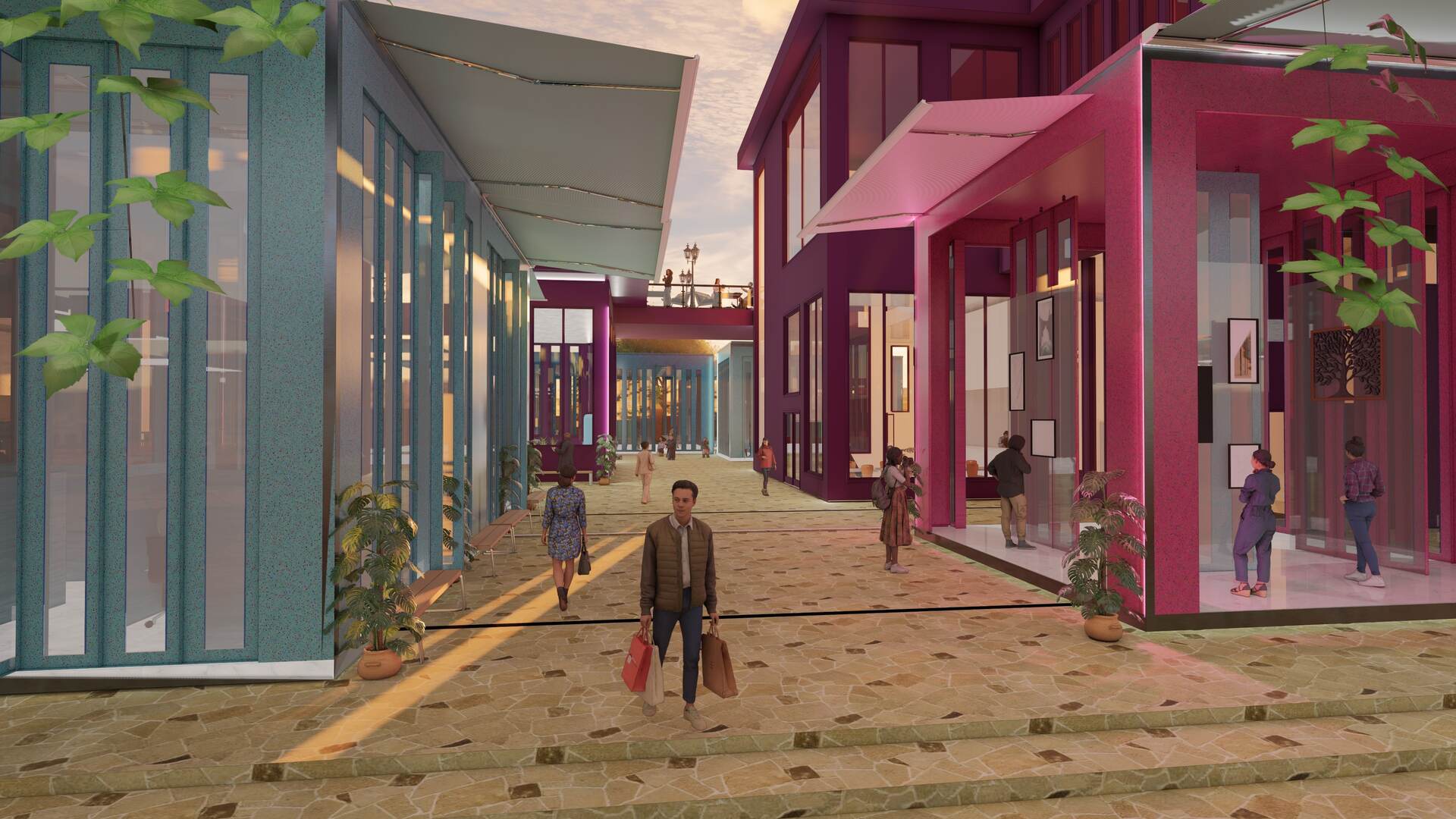
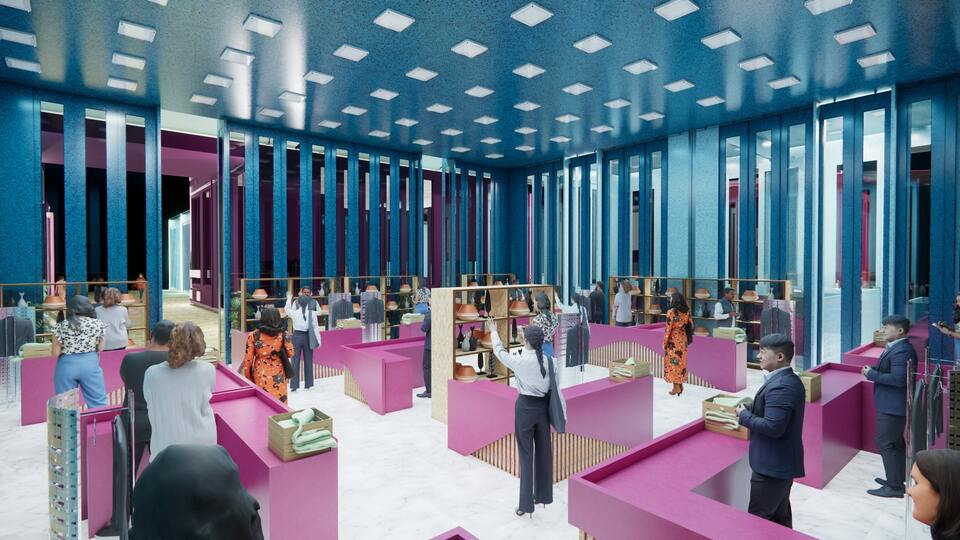
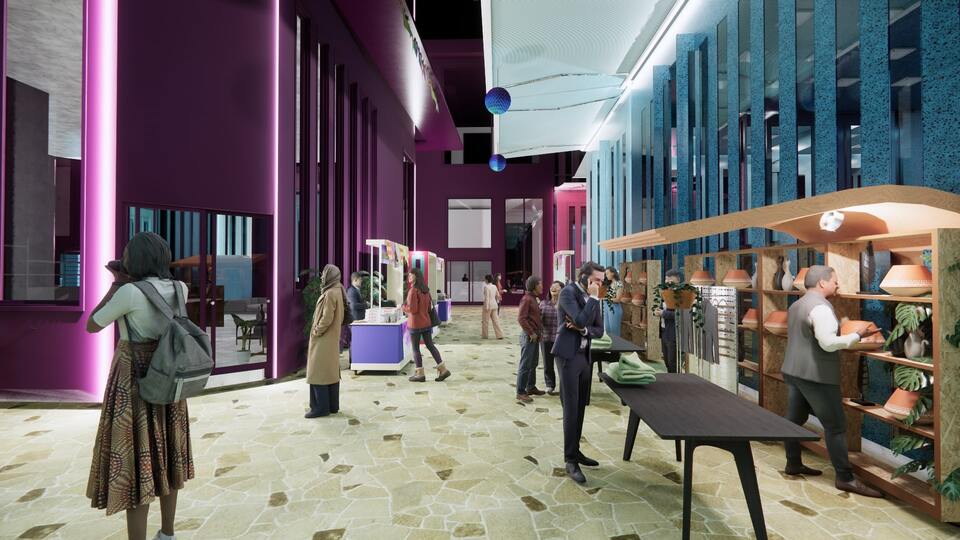
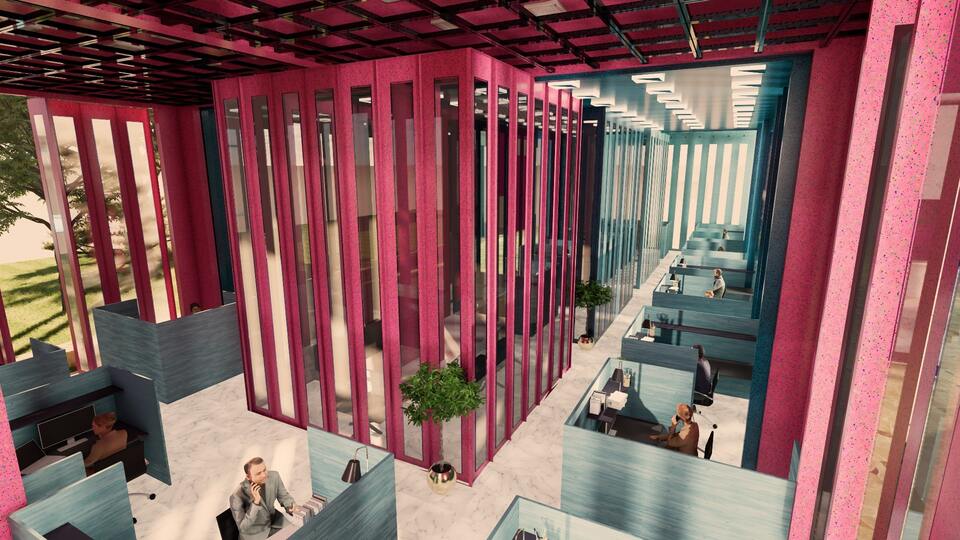
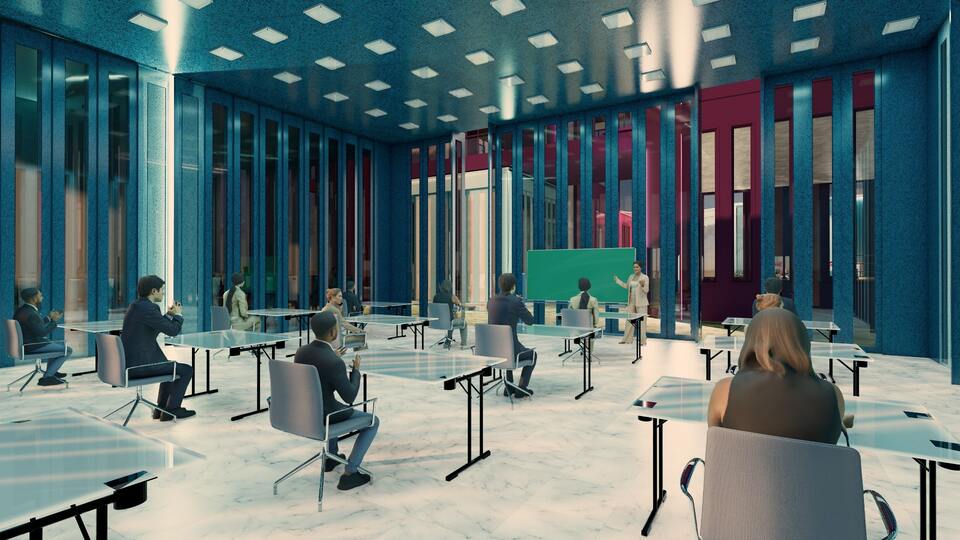
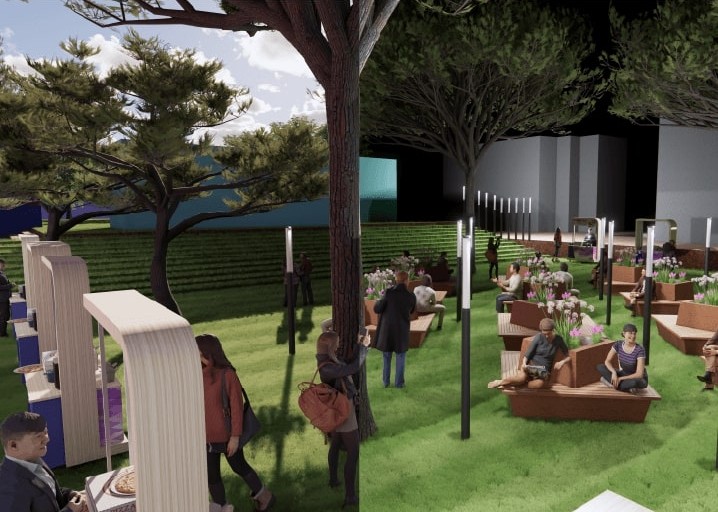
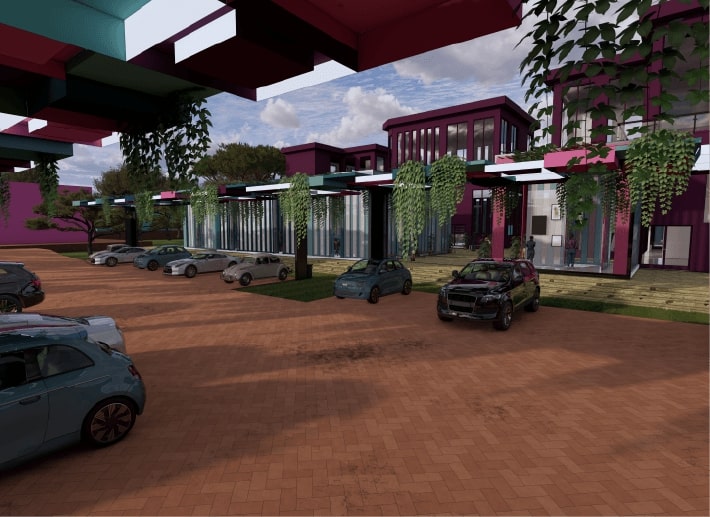
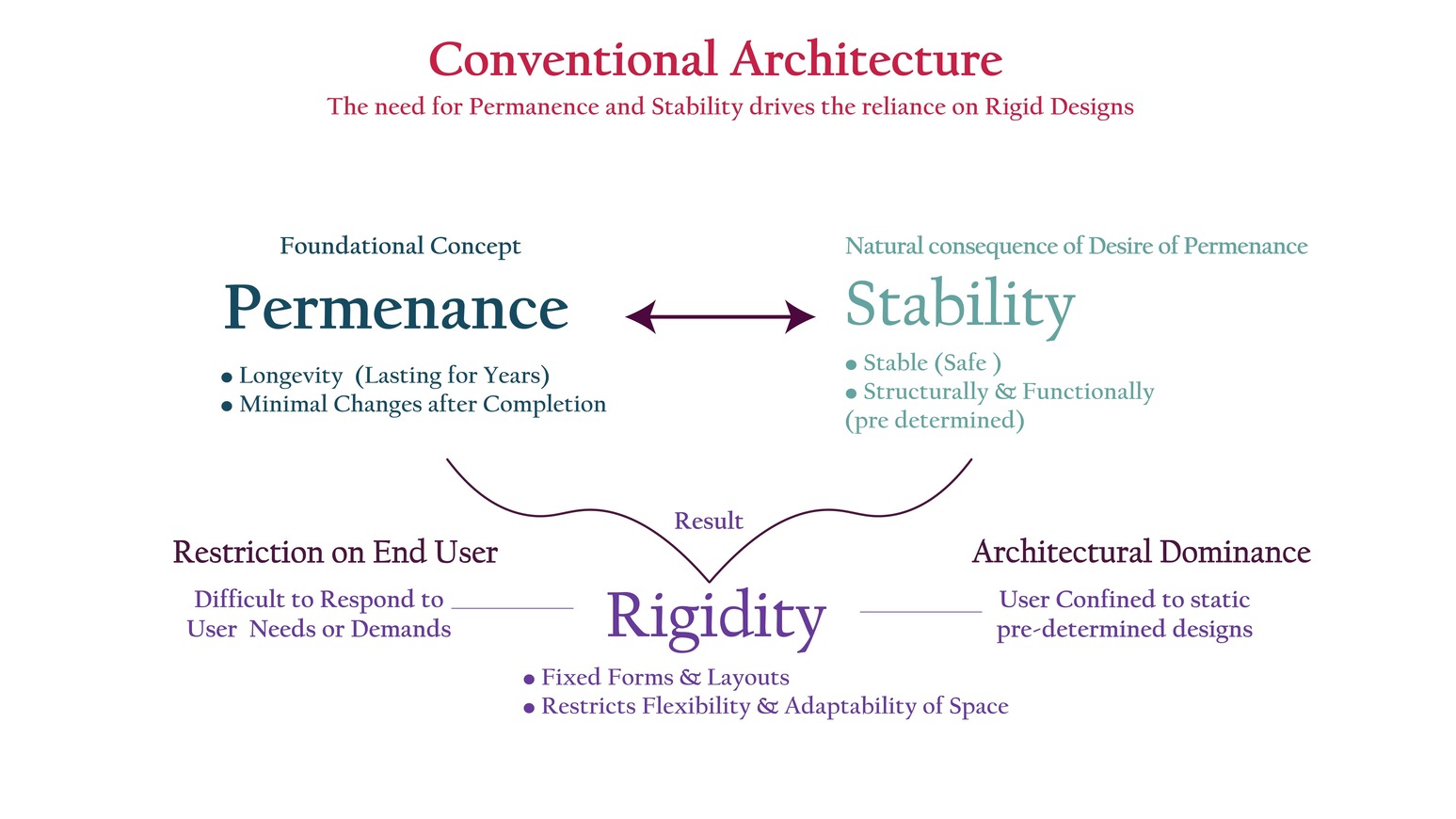
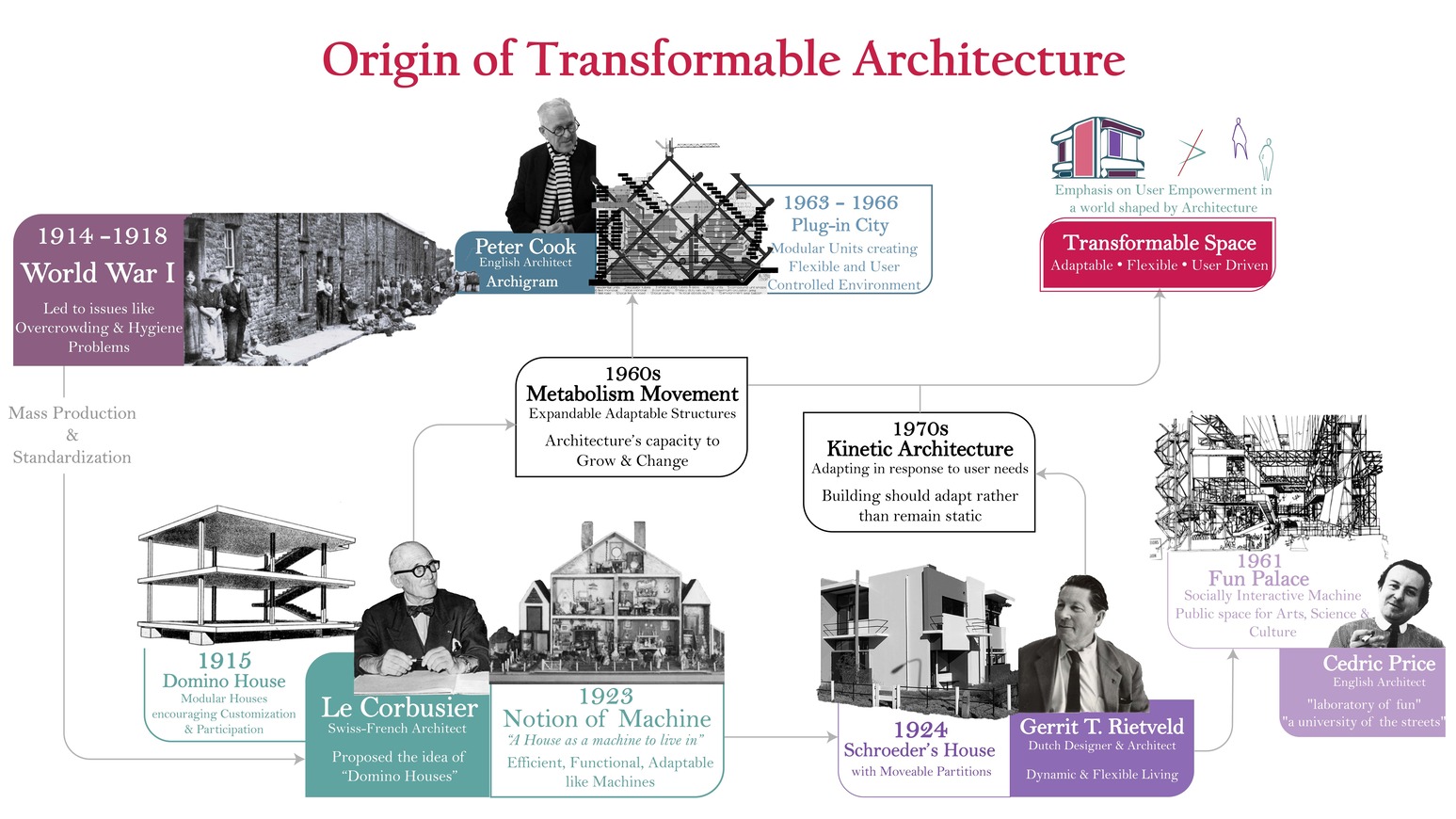
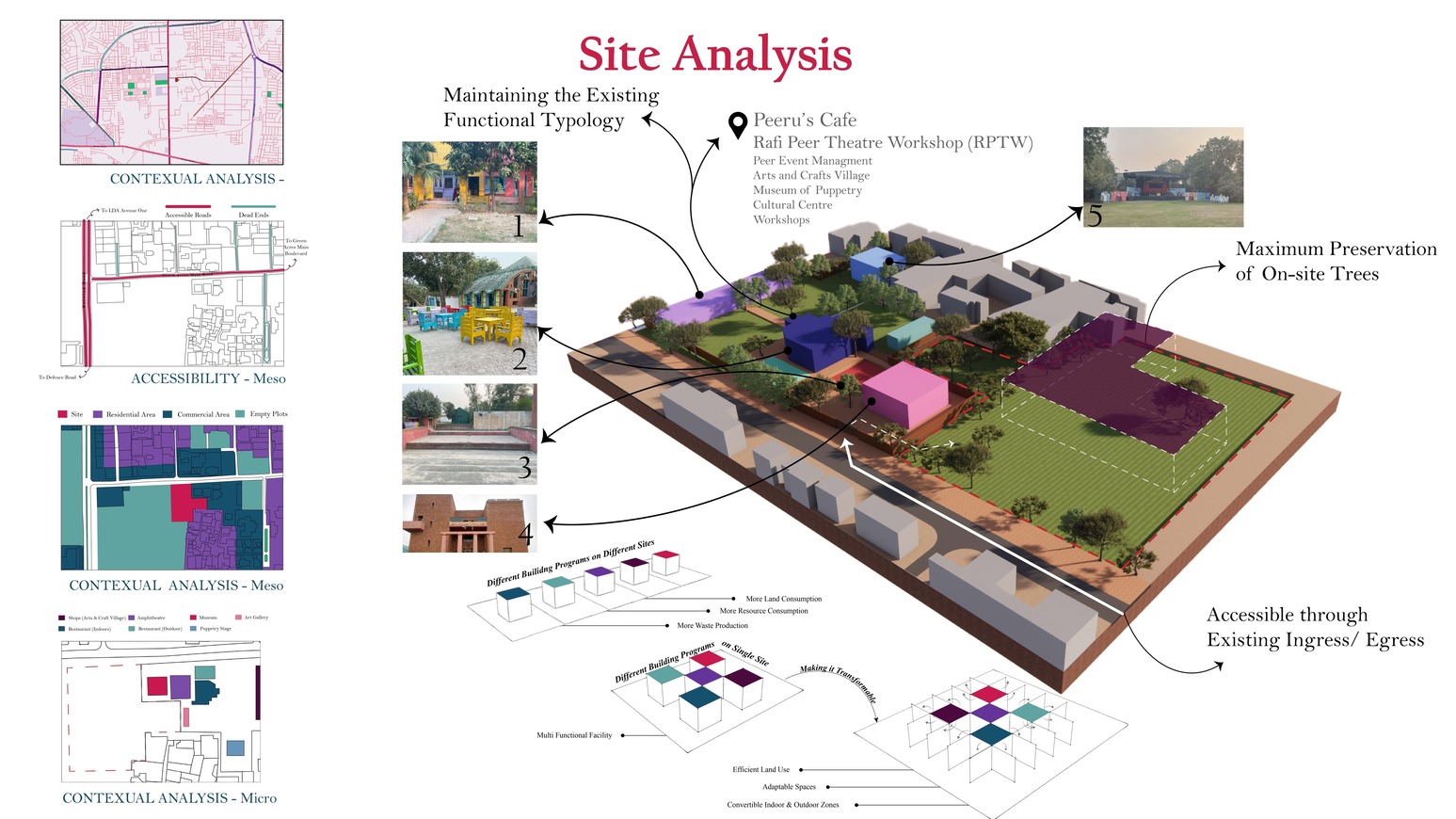
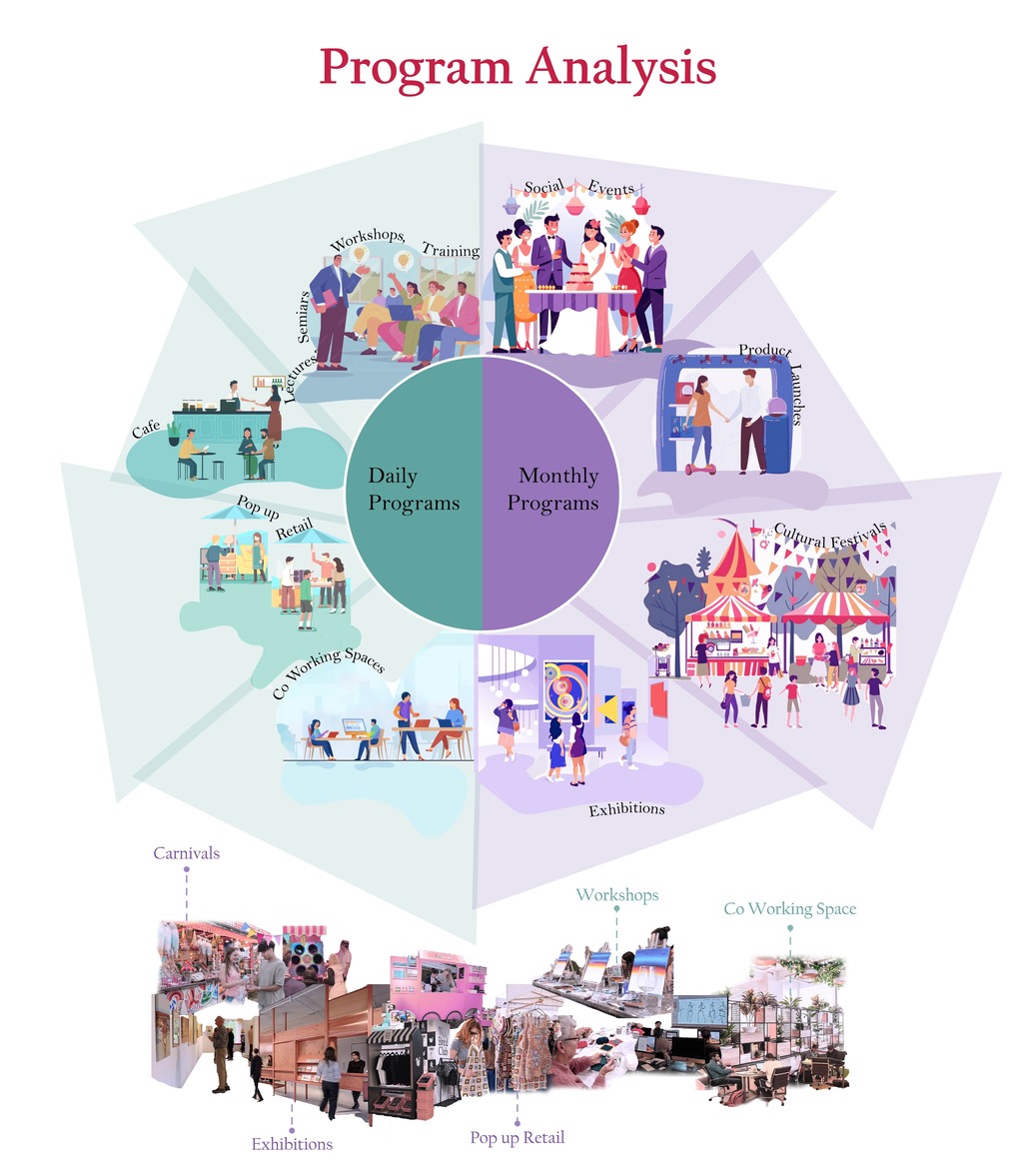
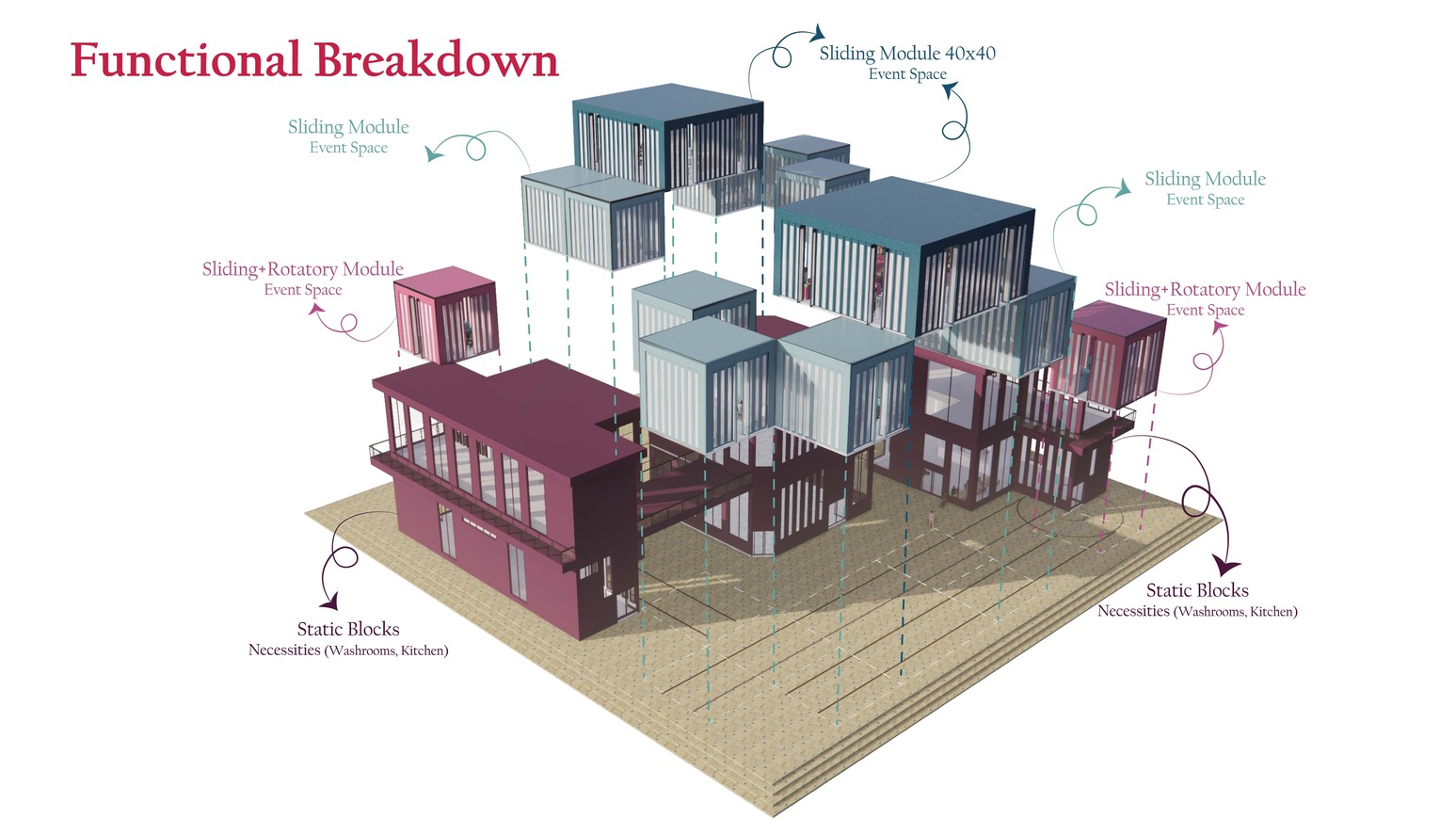
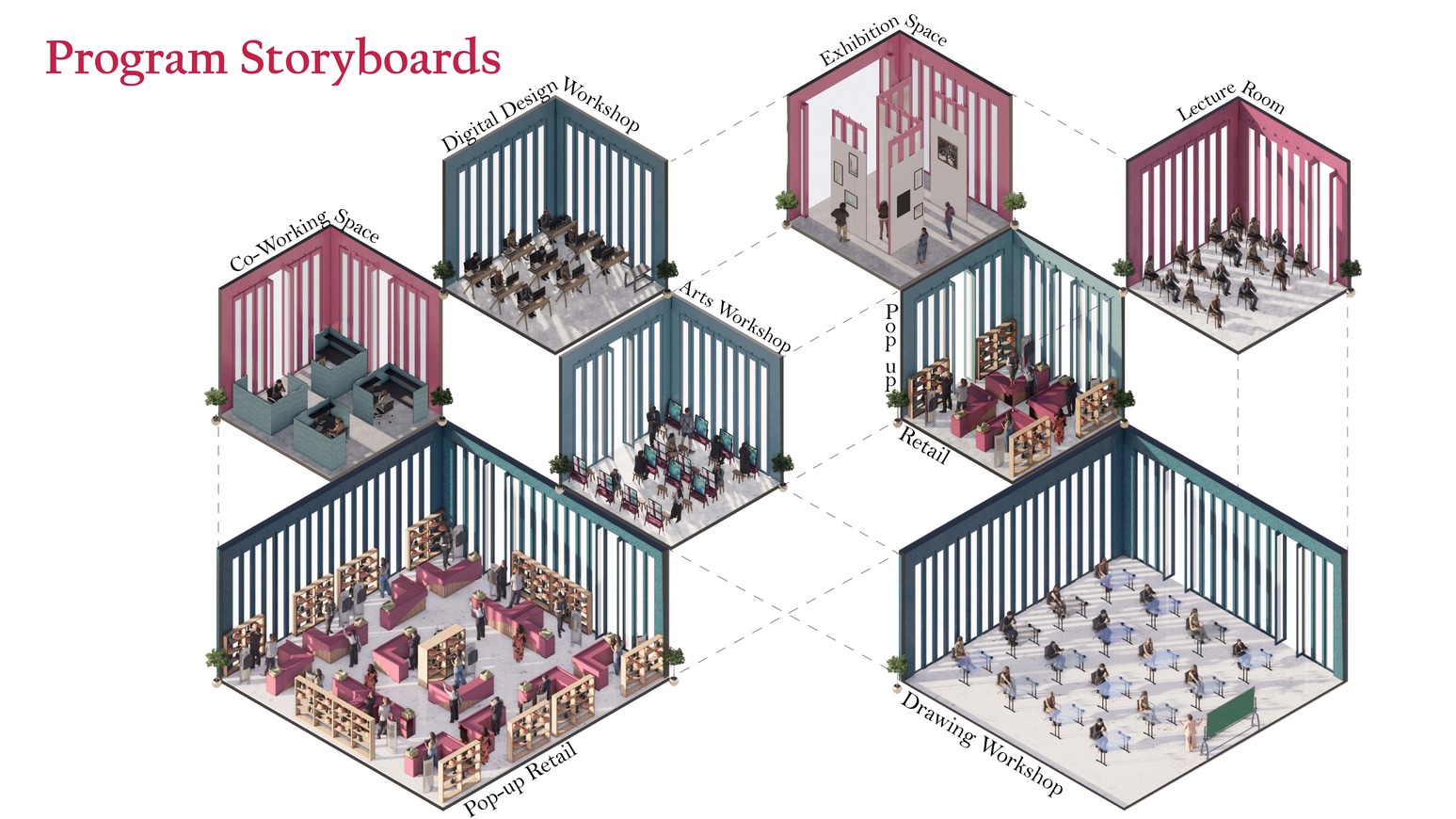
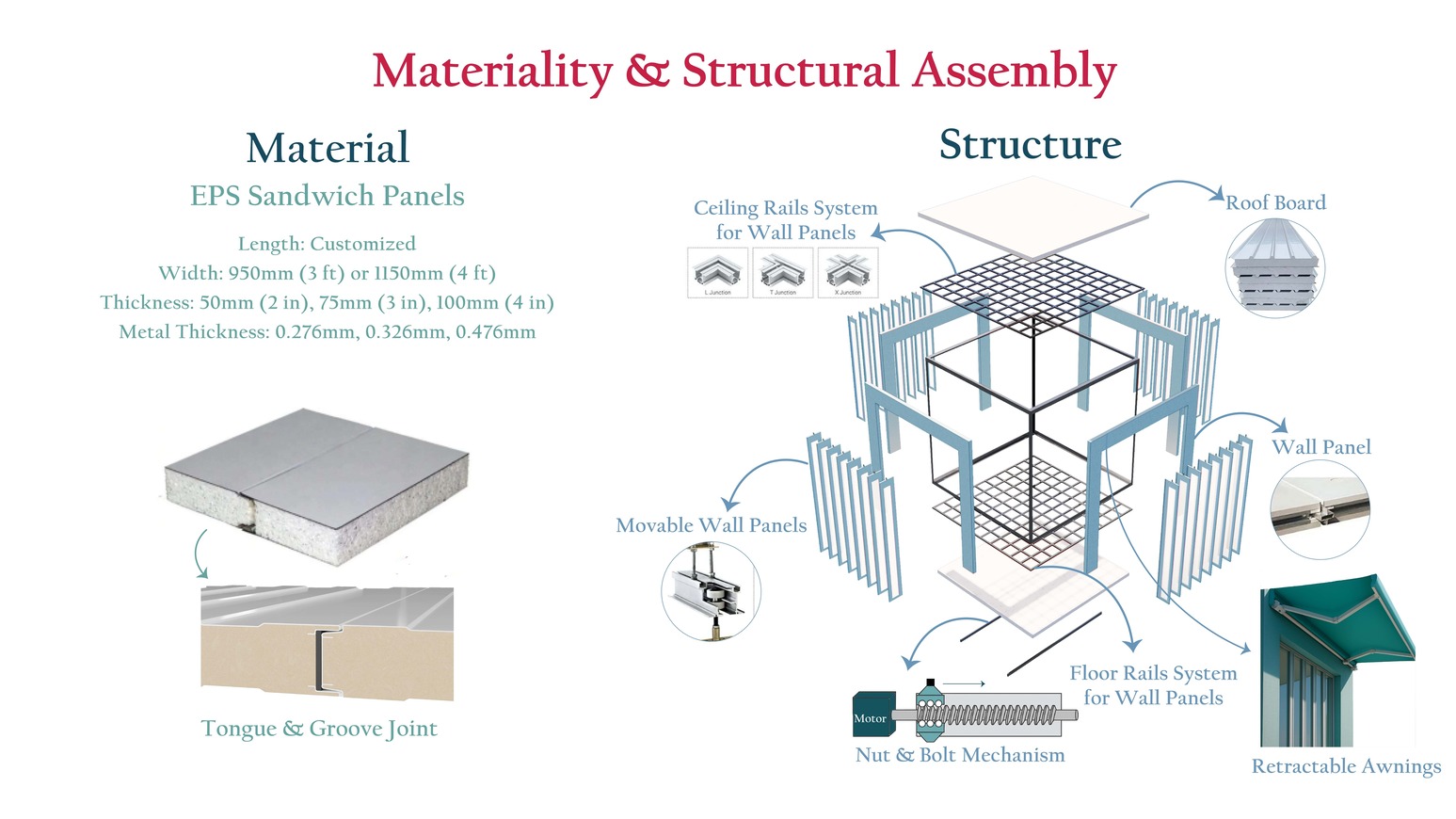
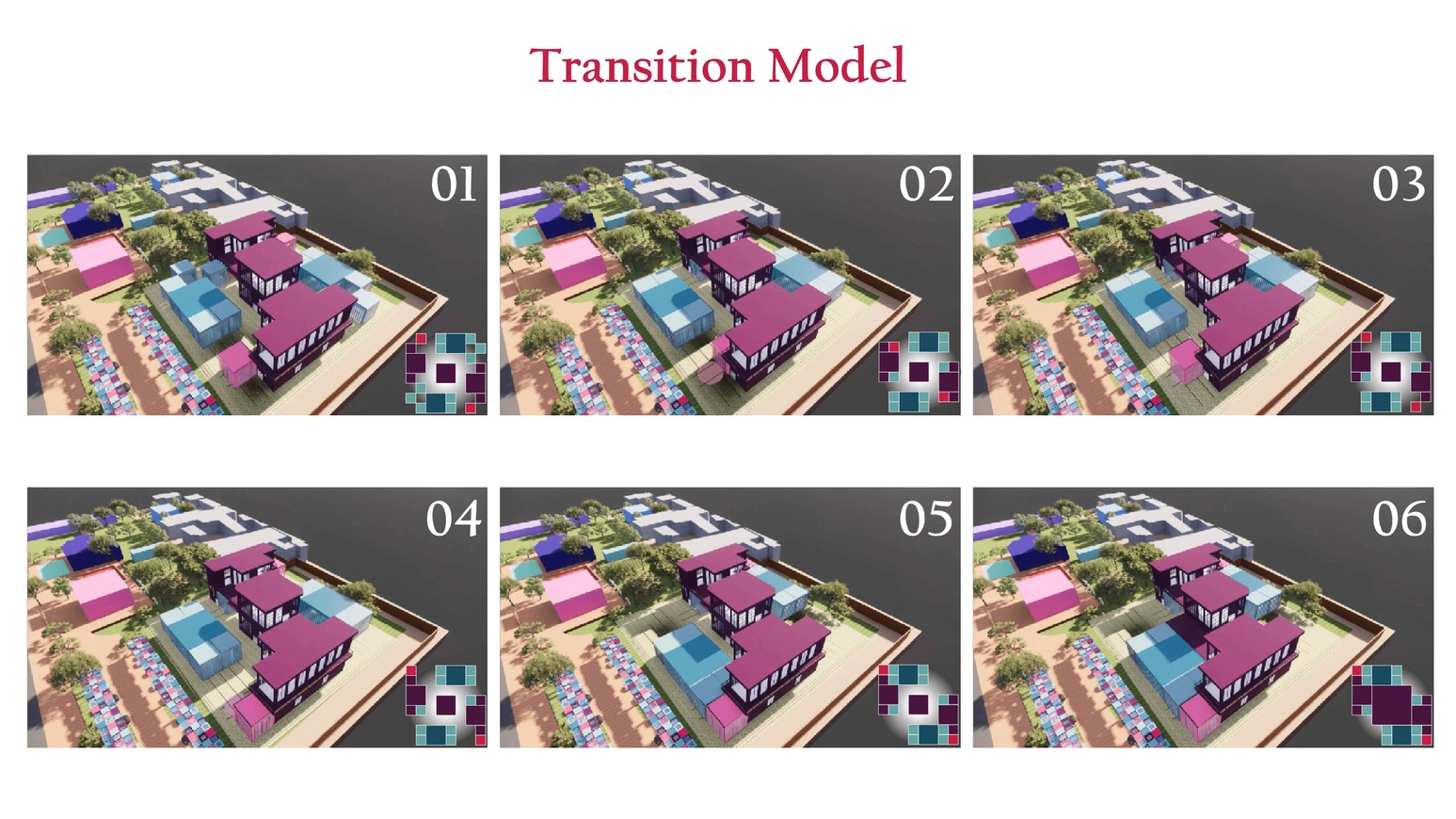
Particularly evident in the post-COVID-19 era, the shift towards hybrid and remote work has revolutionized spatial demands, leading to flexible layouts with movable walls and multipurpose furnishings. Transformable architectural structures redefine functionality by expanding, contracting, rotating, and sliding, enabling spaces to host exhibitions, workshops, concerts, and training sessions. These dynamic designs reduce the need for separate buildings, minimizing environmental impact and optimizing land use. By prioritizing adaptability over permanence, Isha Nasir’s undergraduate thesis explores how transformable architecture empowers users to shape their environments, fostering a sustainable and responsive built environment. This thesis introduces transformable architectural spaces that reconfigure based on need, addressing both functional diversity and efficiency. By creating adaptable spaces that expand, contract, rotate, slide, and move to accommodate exhibitions, performance arts, concerts, workshops, and training sessions, it envisions multi-functional structures that minimize land consumption. More critically, it proposes flexible rather than rigid architecture, empowering people to shape their environments according to their needs.
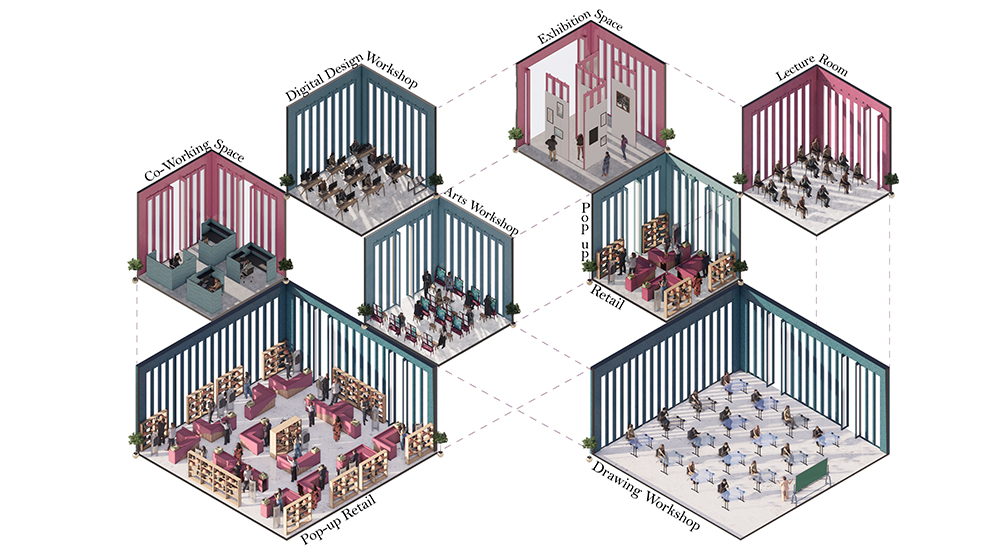
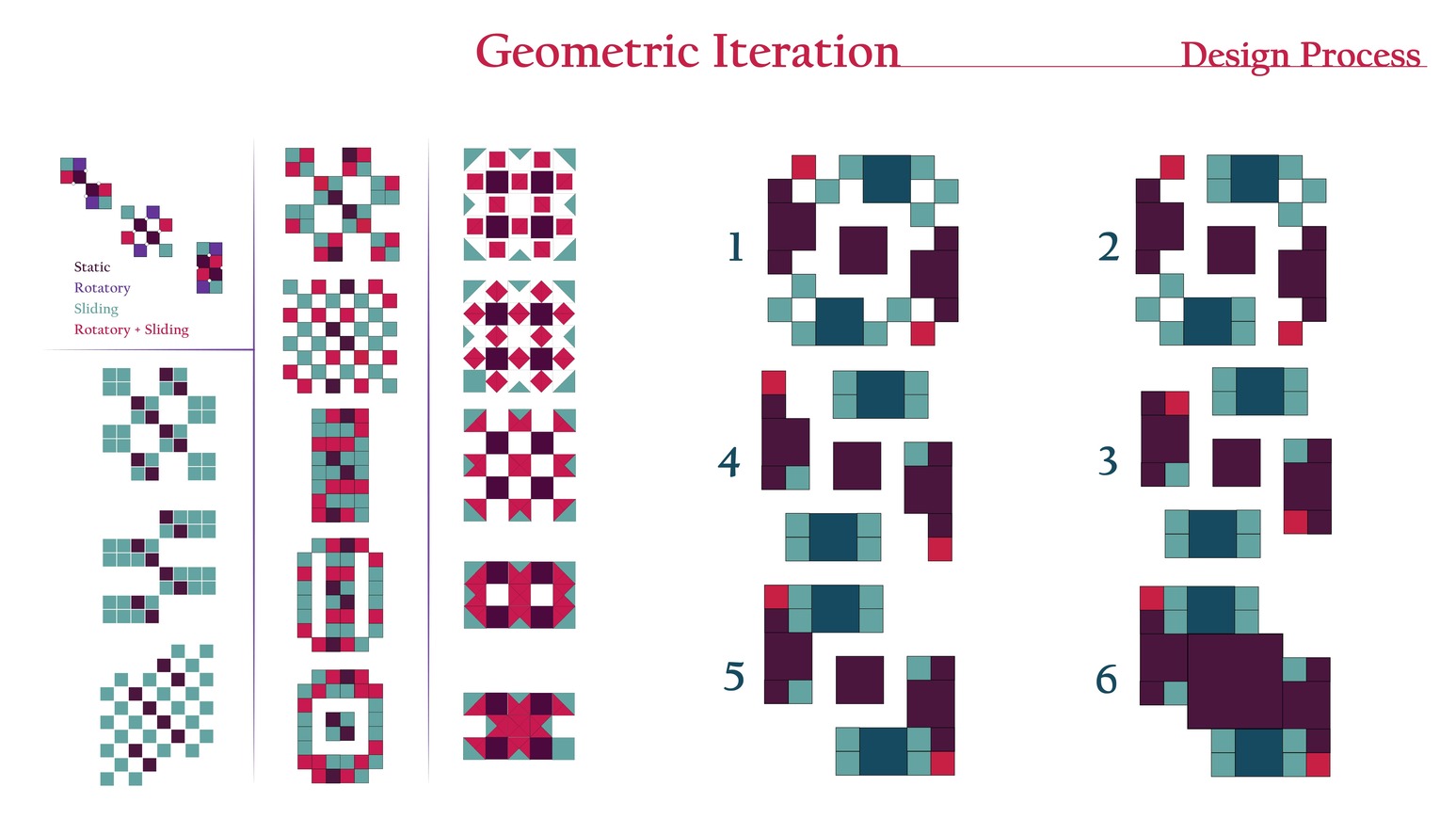
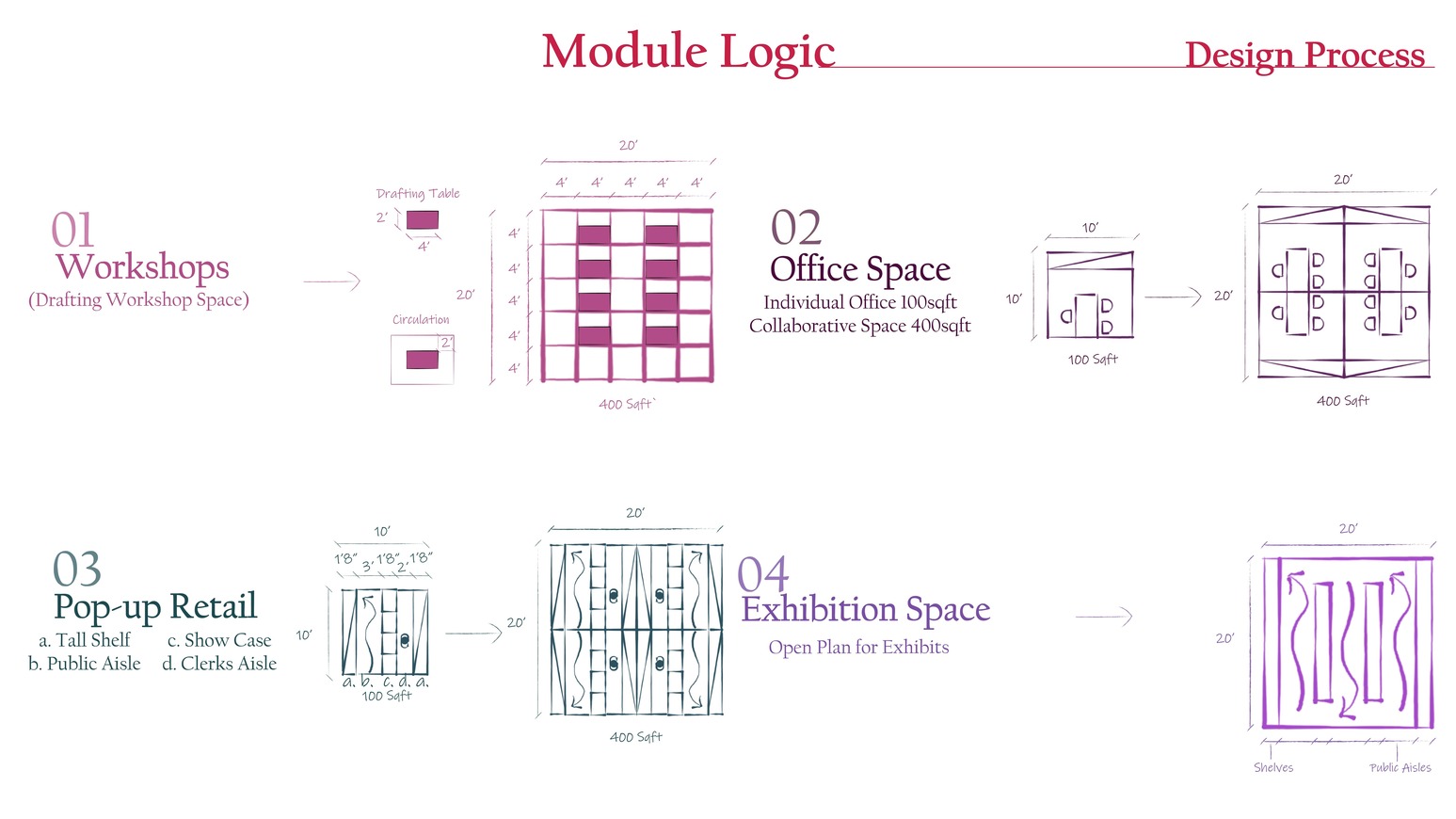
Each layout maintains orthogonal alignment, allowing for practical integration of furniture, structural elements, and clear accessibility. As modules shift, they form defined circulation routes and enable dynamic zoning without creating unusable voids or misaligned forms. The modular plug-in nature of each unit ensures that while every component can function independently, it also contributes meaningfully to the overall configuration. This approach grounds transformable architecture in real, adaptable functionality rather than limiting it to visual experimentation.
This set of geometric configurations serves as exploratory prototypes for transformable architecture. Using modular square units, the patterns test movement types;rotatory, sliding, and rotatory + sliding,through visual iterations. These are not functional spaces but conceptual studies to investigate transformation logic, modular behavior, and kinetic potential within a controlled grid system. Each prototype tests how transformation could occur in an architectural context, aiming to develop a visual and structural rhythm that could inform future spatial systems. However, due to angularity, overlaps, and lack of structural grounding, these configurations cannot be applied as usable spaces, as they do not address necessities such as circulation, enclosure, scale, or material feasibility. Instead, they operate as design thinking tools, abstract but essential for understanding the limitations and opportunities of kinetic systems. These geometric studies form a foundation for real-world transformable designs by identifying patterns, movement behaviors, and interaction possibilities.
Contact Designers || Portfolio
You Might Find These Interesting
 DESIGNED BY: Talal Ali
A Detention and Rehabilitation Facility
Hunza, Gilgit-Baltistan, Pakistan