Judicial Home
Reimagining detention through discursive formations, blending surveillance theory, native cultural practices, and community crafts to foster self-surveillance and productive rehabilitation.
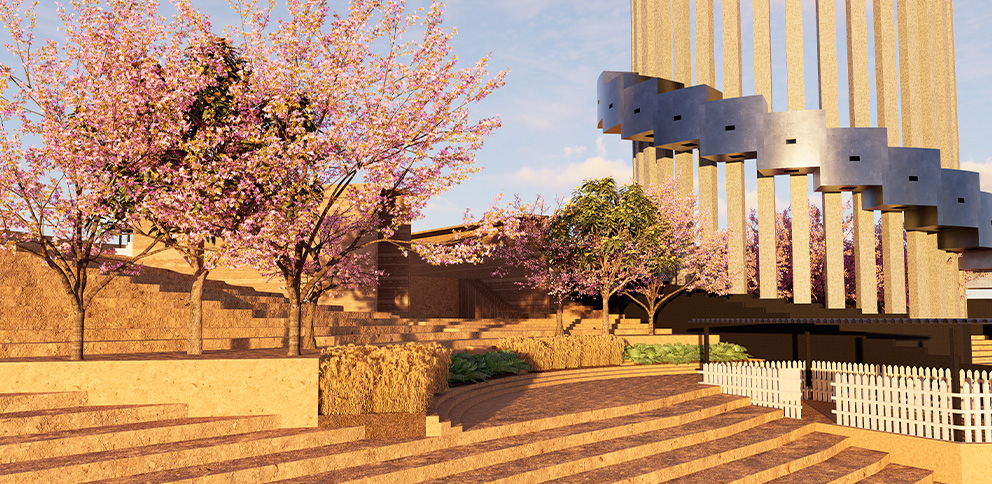
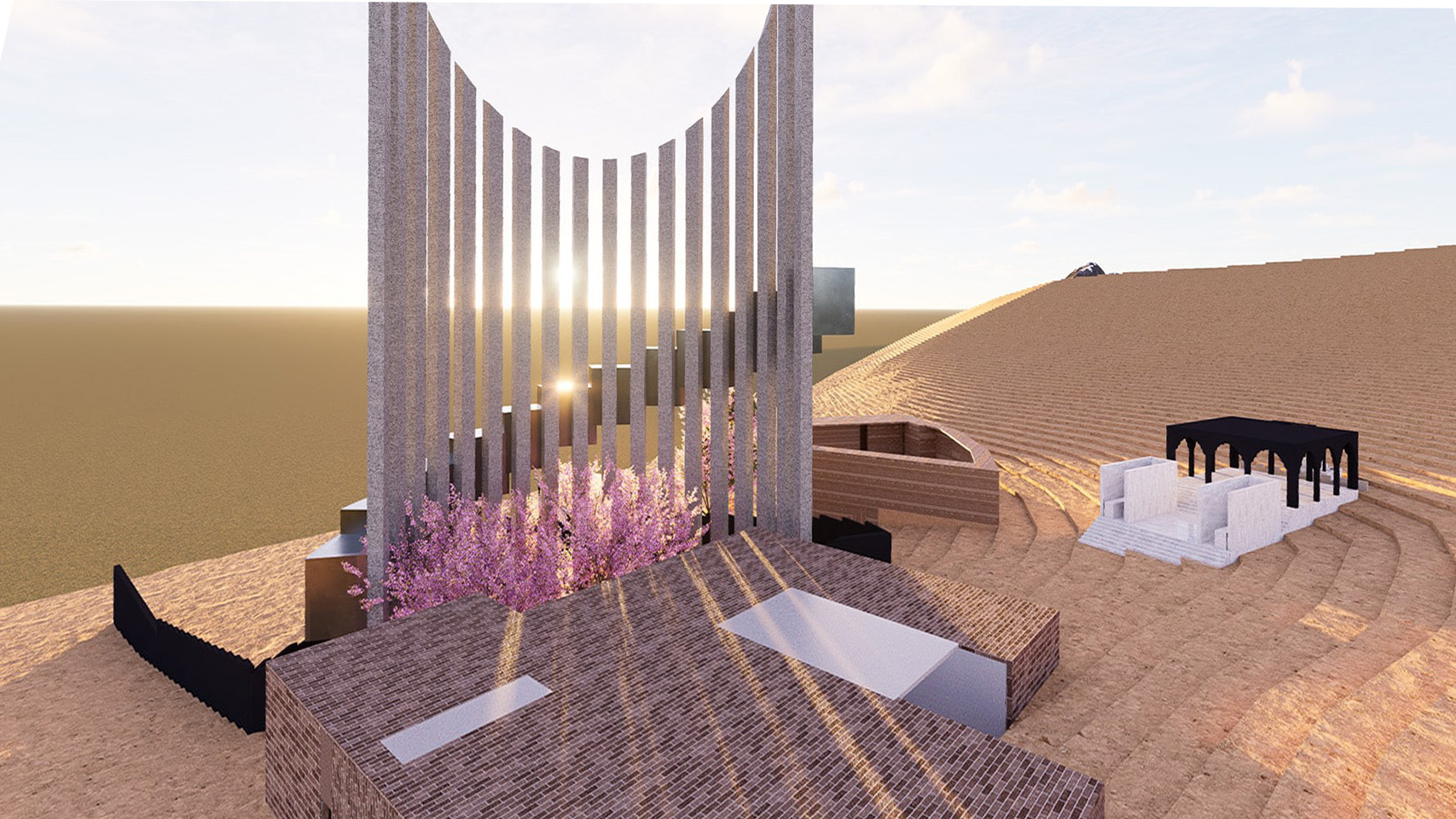
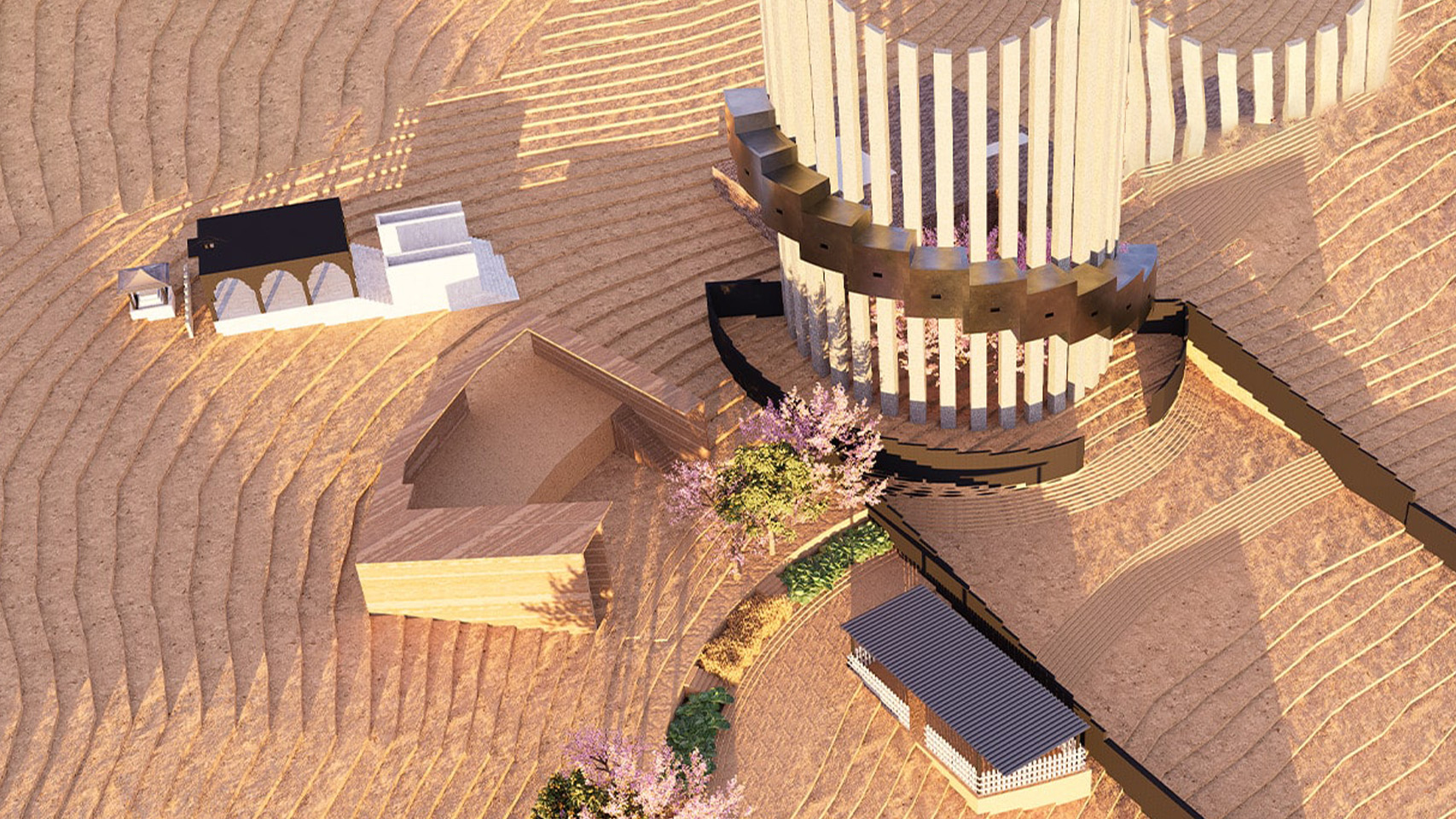
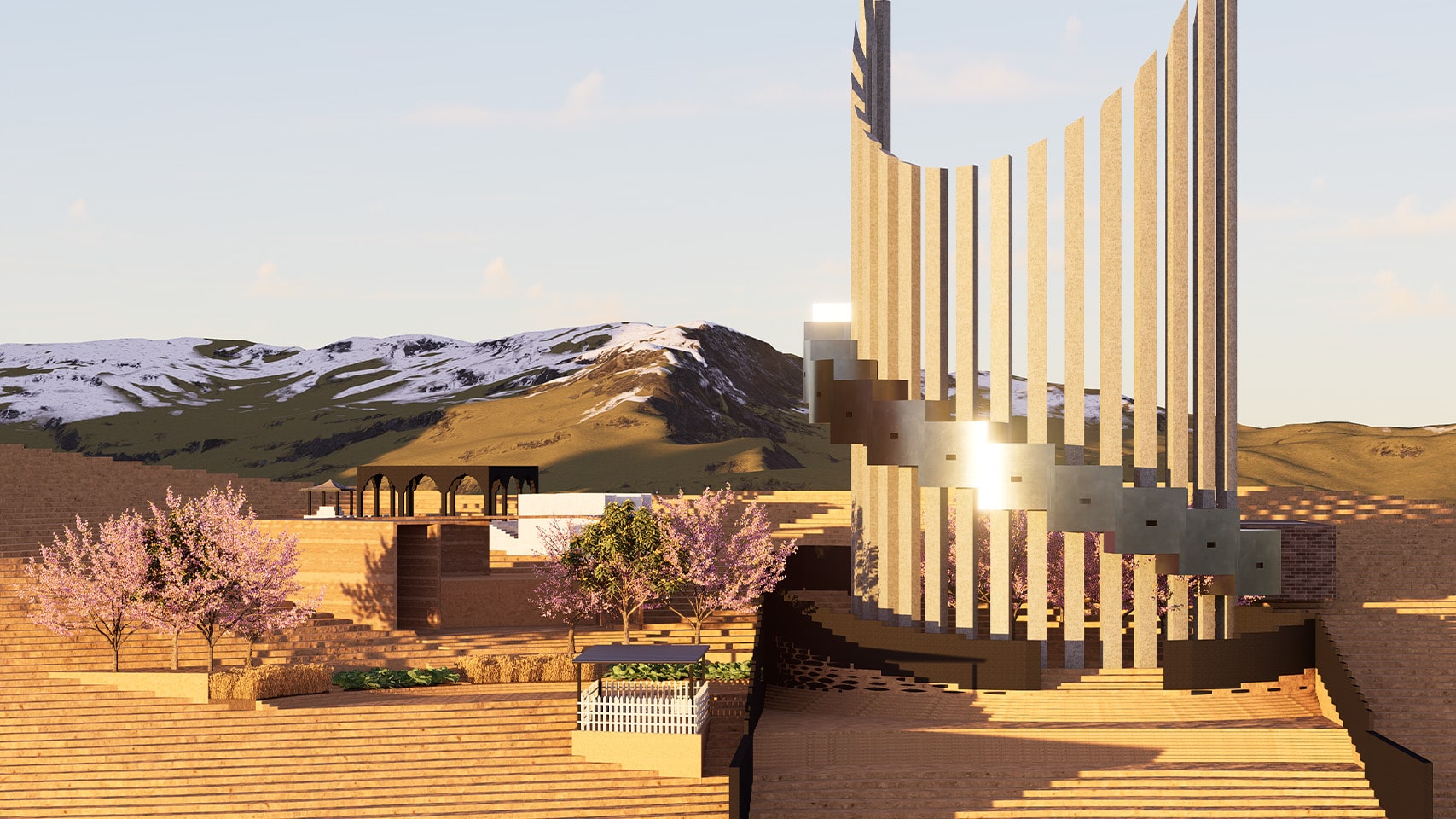
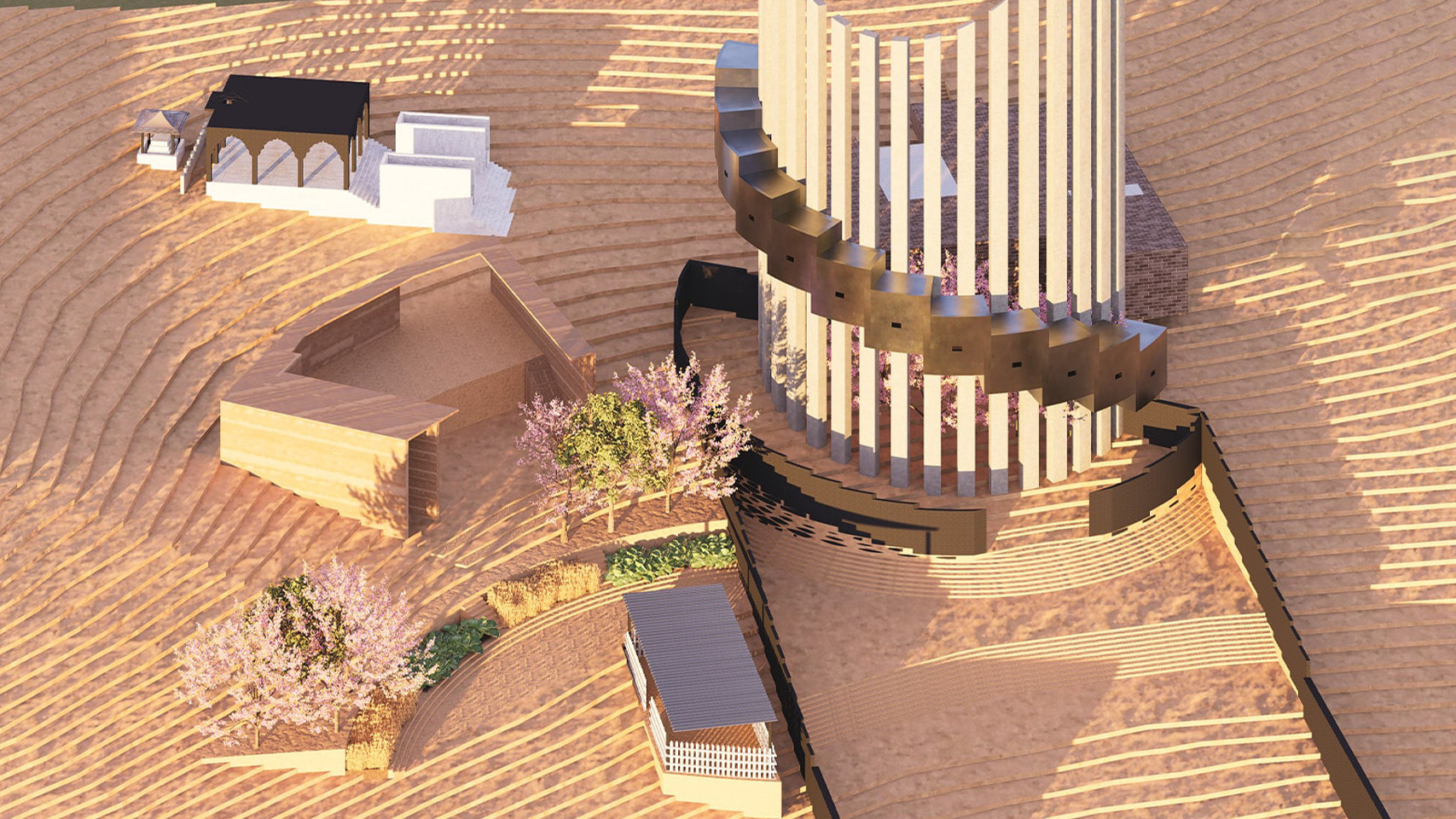
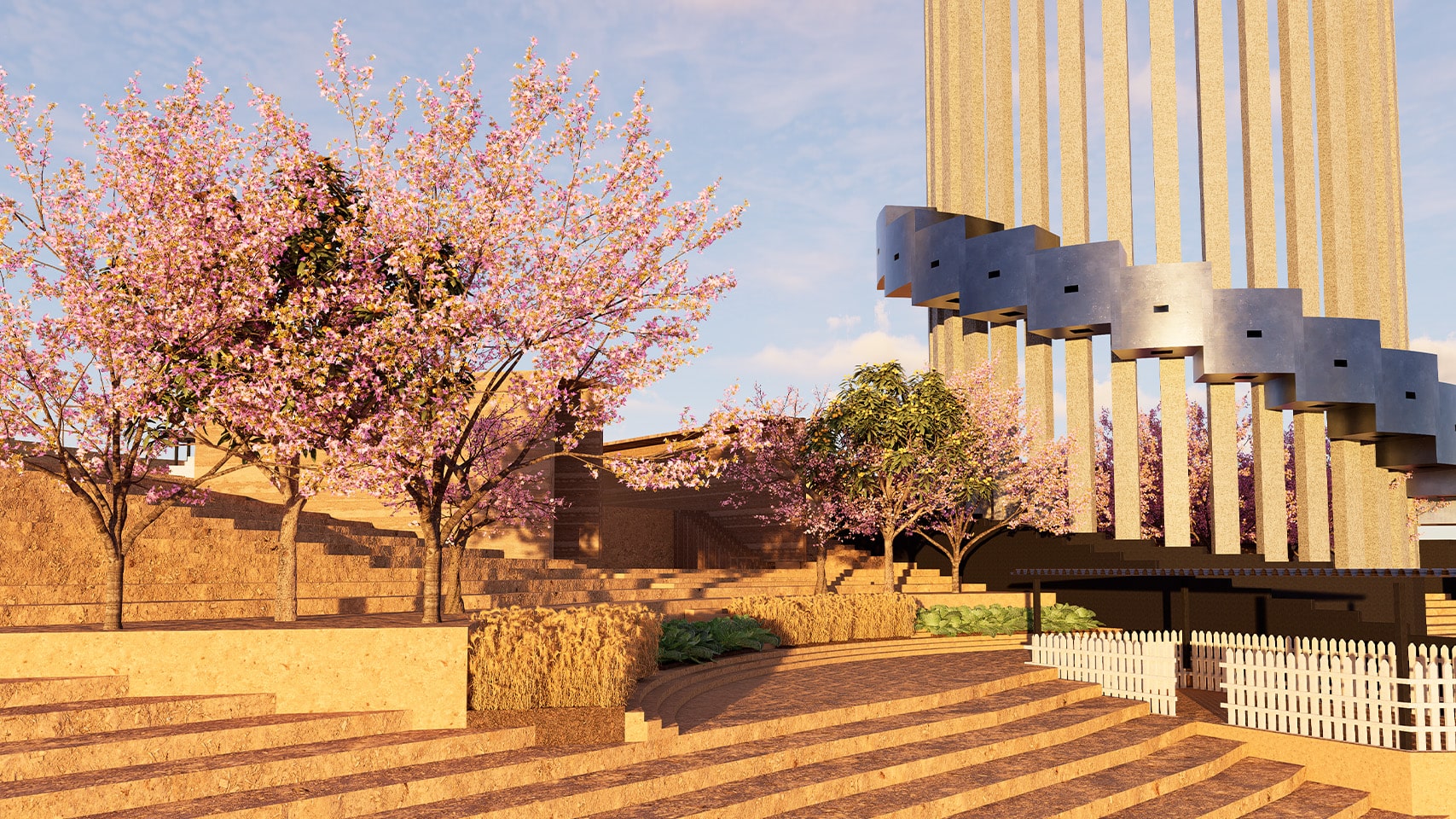
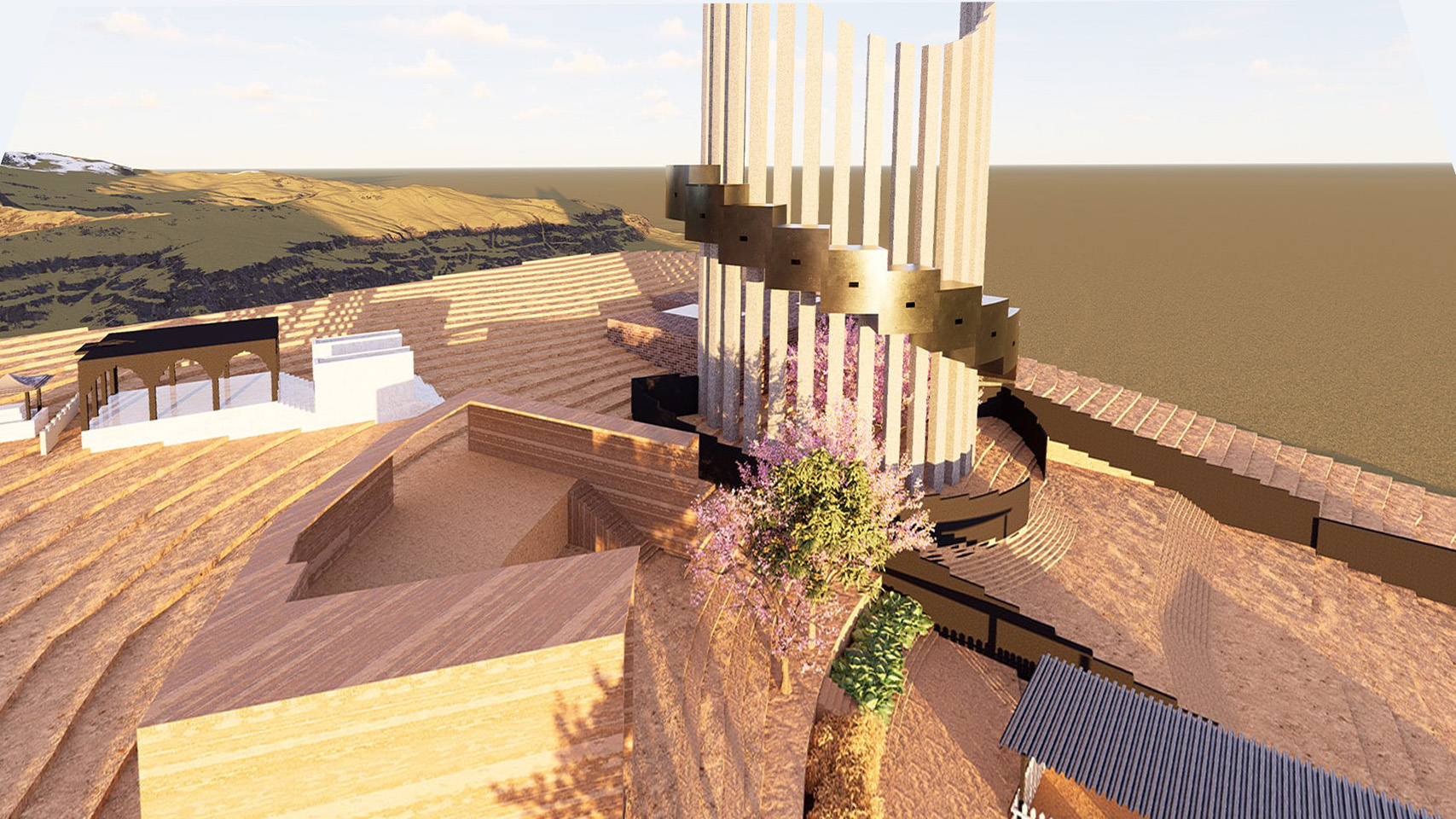
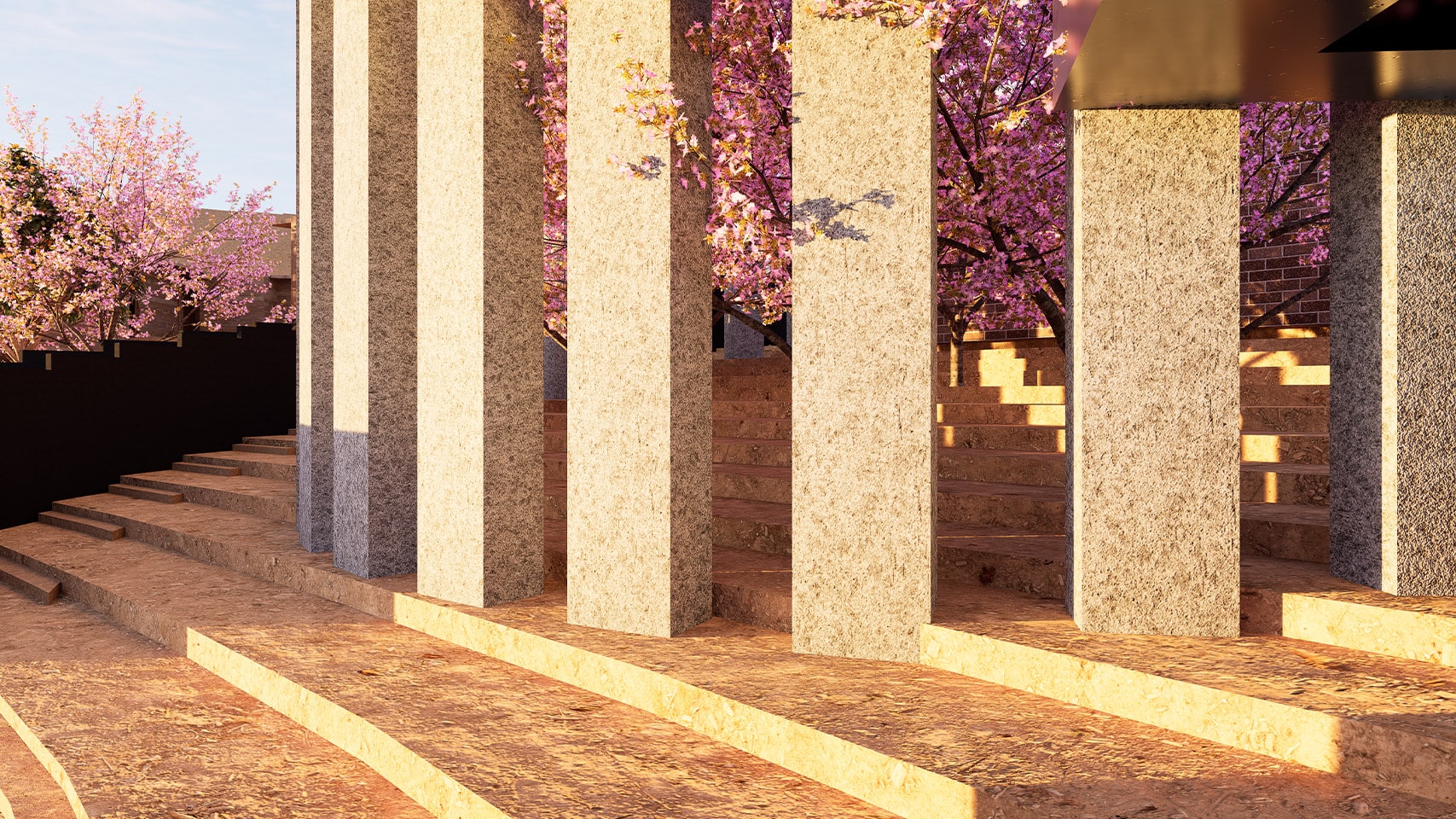
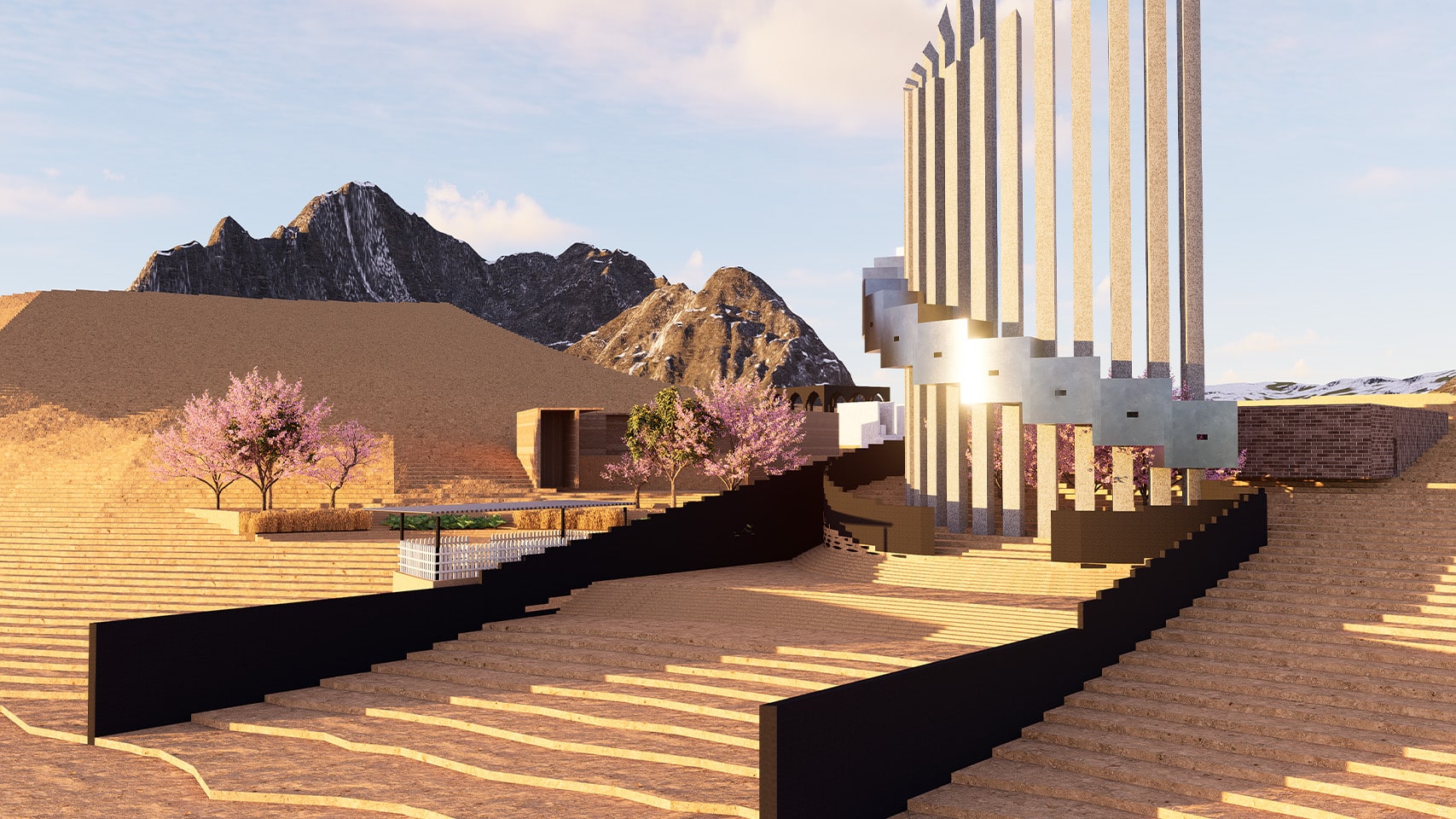
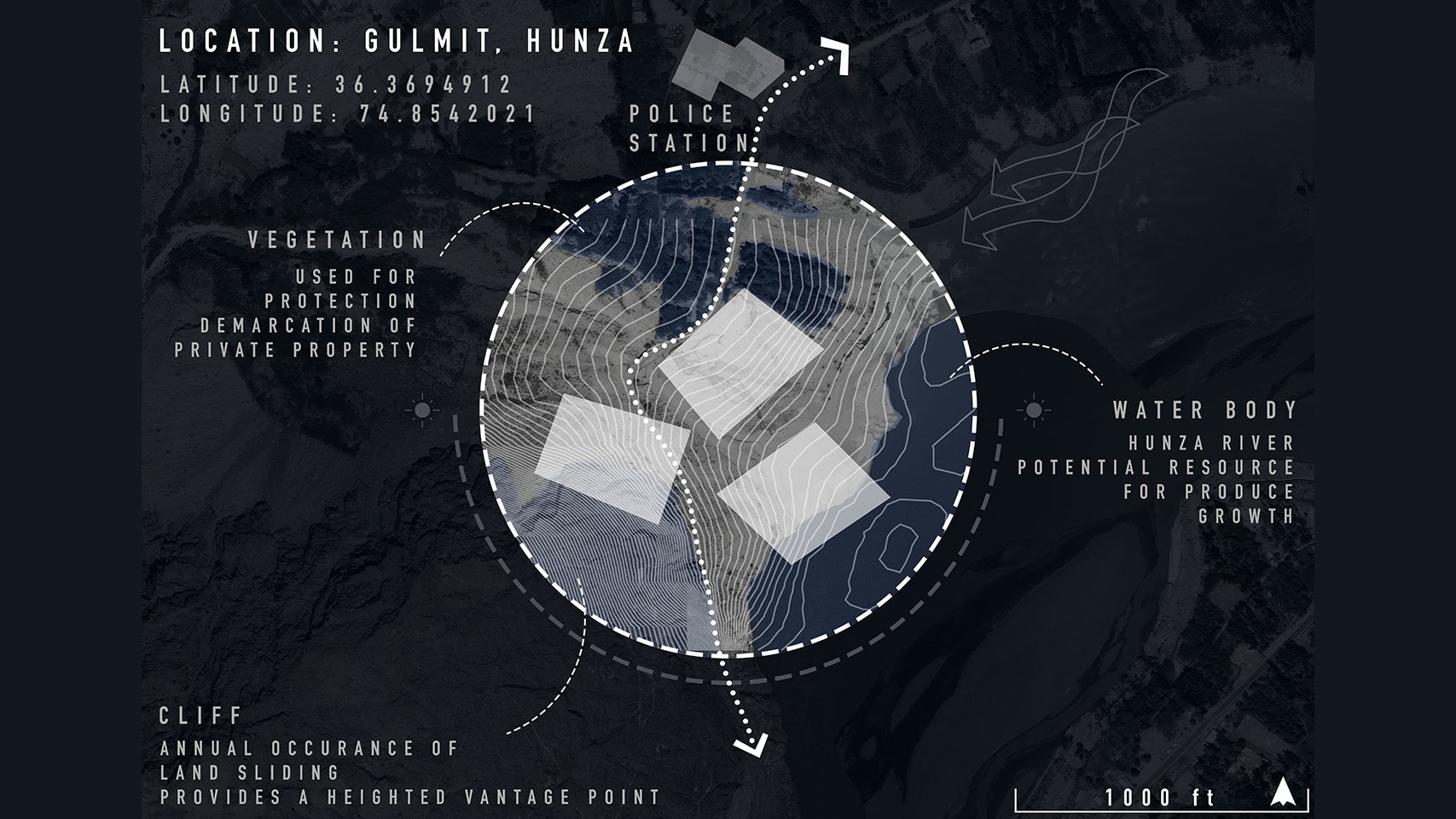
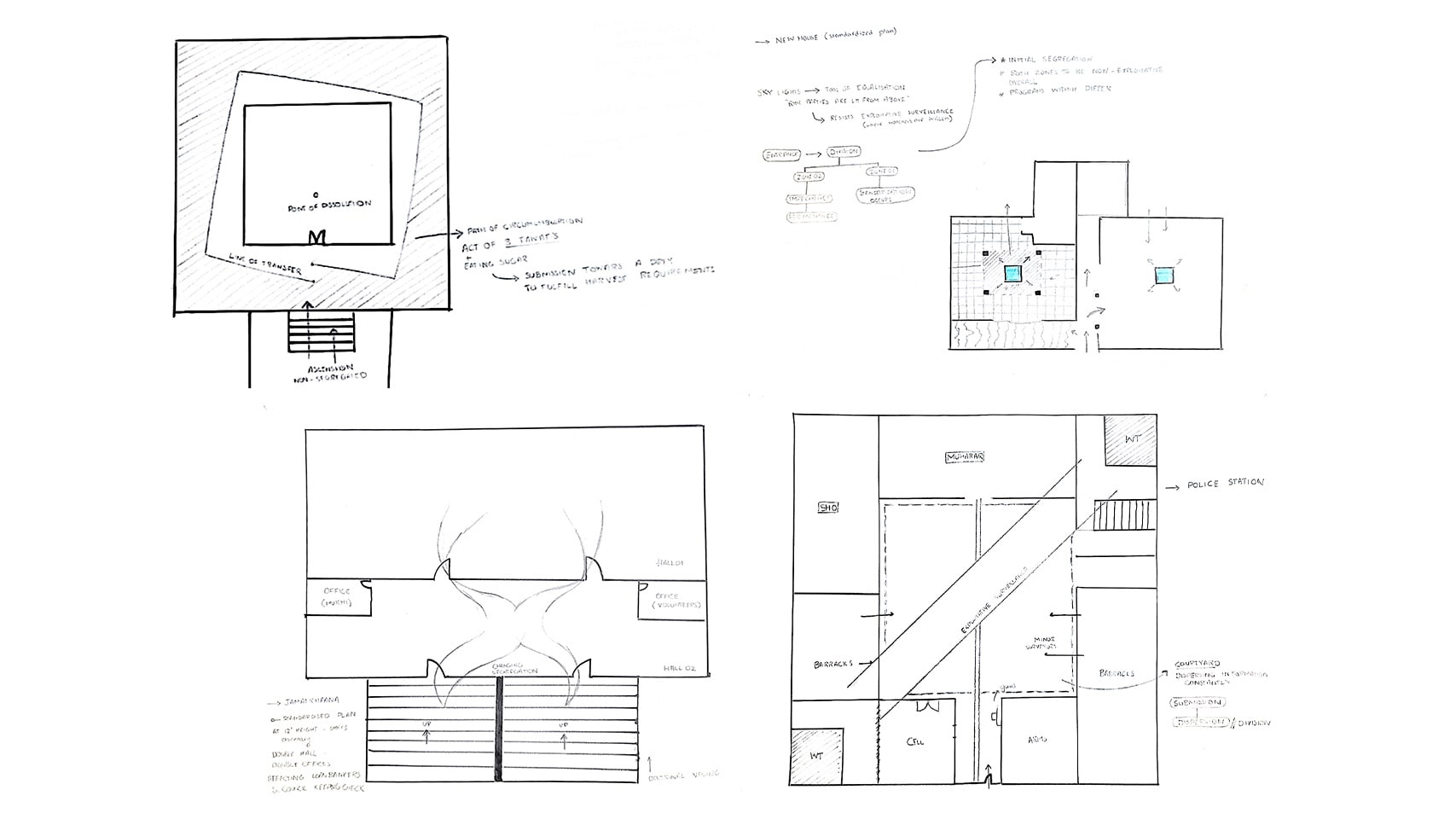
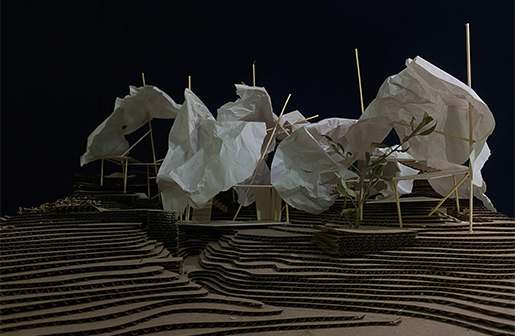
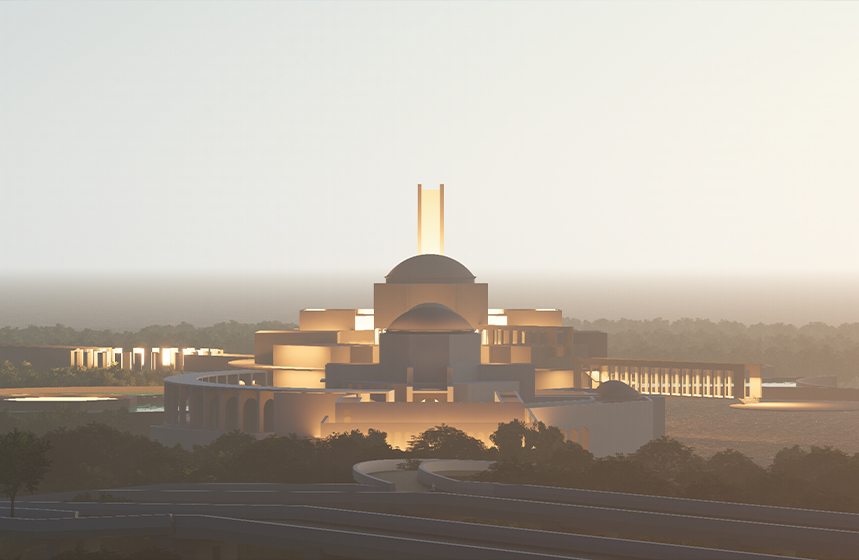
Judicial Home investigates detention architecture through the lens of surveillance theory, cultural identity, and community continuity. Rooted in Michel Foucault’s dispositif—a heterogenous ensemble of discourses, laws, institutions, and practices—the project explores how surveillance has historically shaped behaviors in prisons, schools, police stations, and community institutions like Jamaat Khana. Enunciative modalities—rules about who can speak, how, and when—become architectural guides, materializing in spatial hierarchies, structural symbols, and thresholds. In Hunza, these formations are layered with historical disruptions such as the 1979 Karakoram Highway, which shifted traditional economies from agriculture and craft to tourism, eroding cultural practices. By reclaiming these practices, Judicial Home resists exploitative and regressive surveillance, instead promoting informal, culturally resonant modes of self-regulation. It envisions detention not as punishment, but as a process of behavioral transformation rooted in native belief systems, symbols, and social continuity.
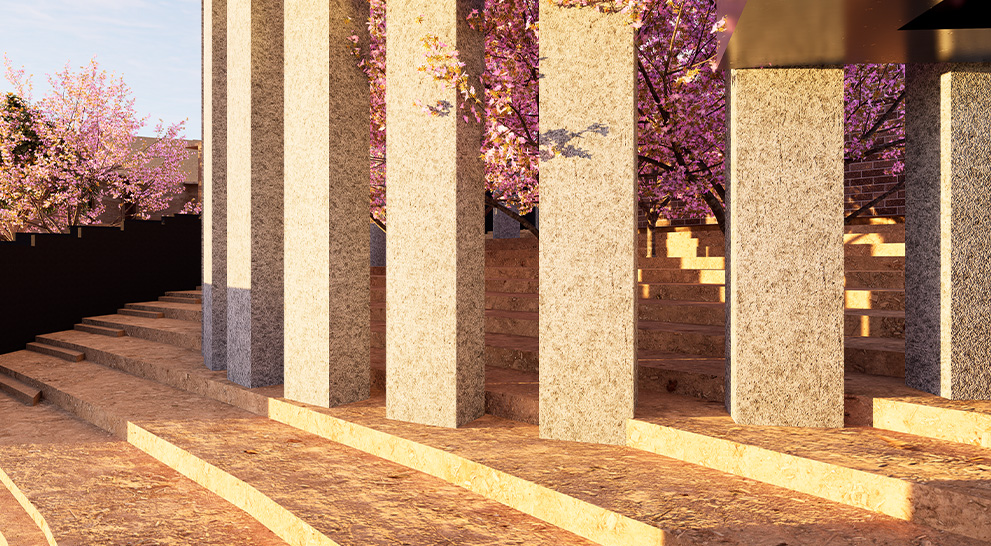
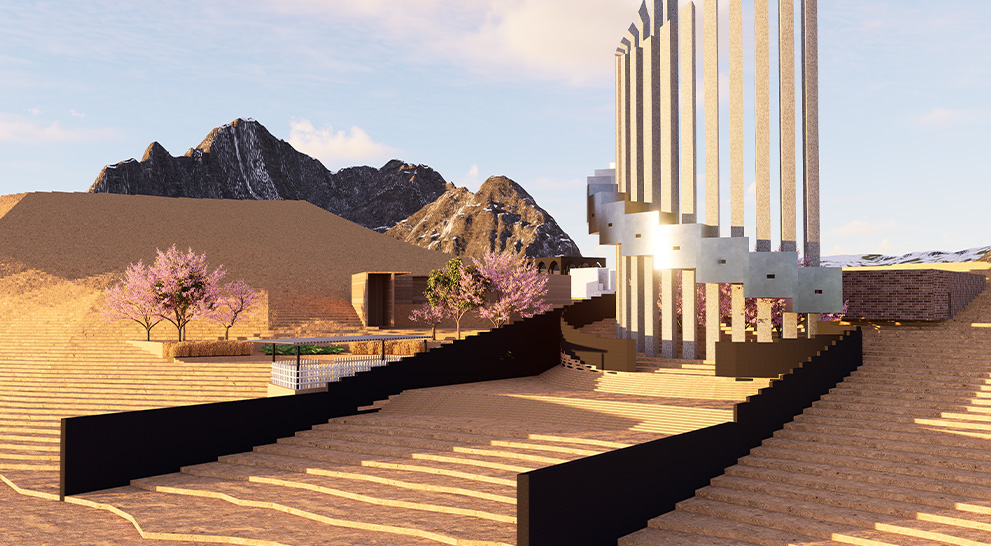
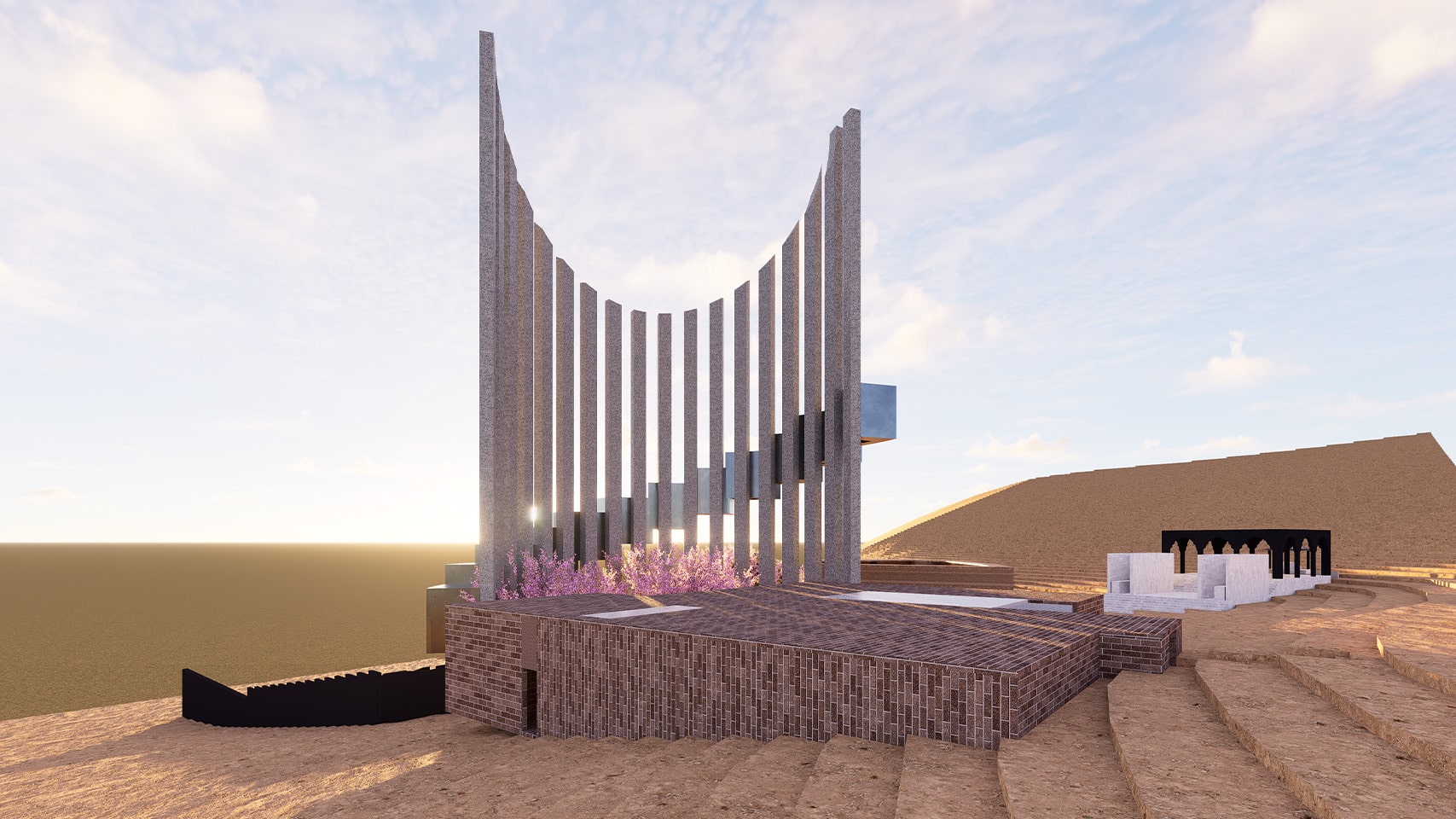
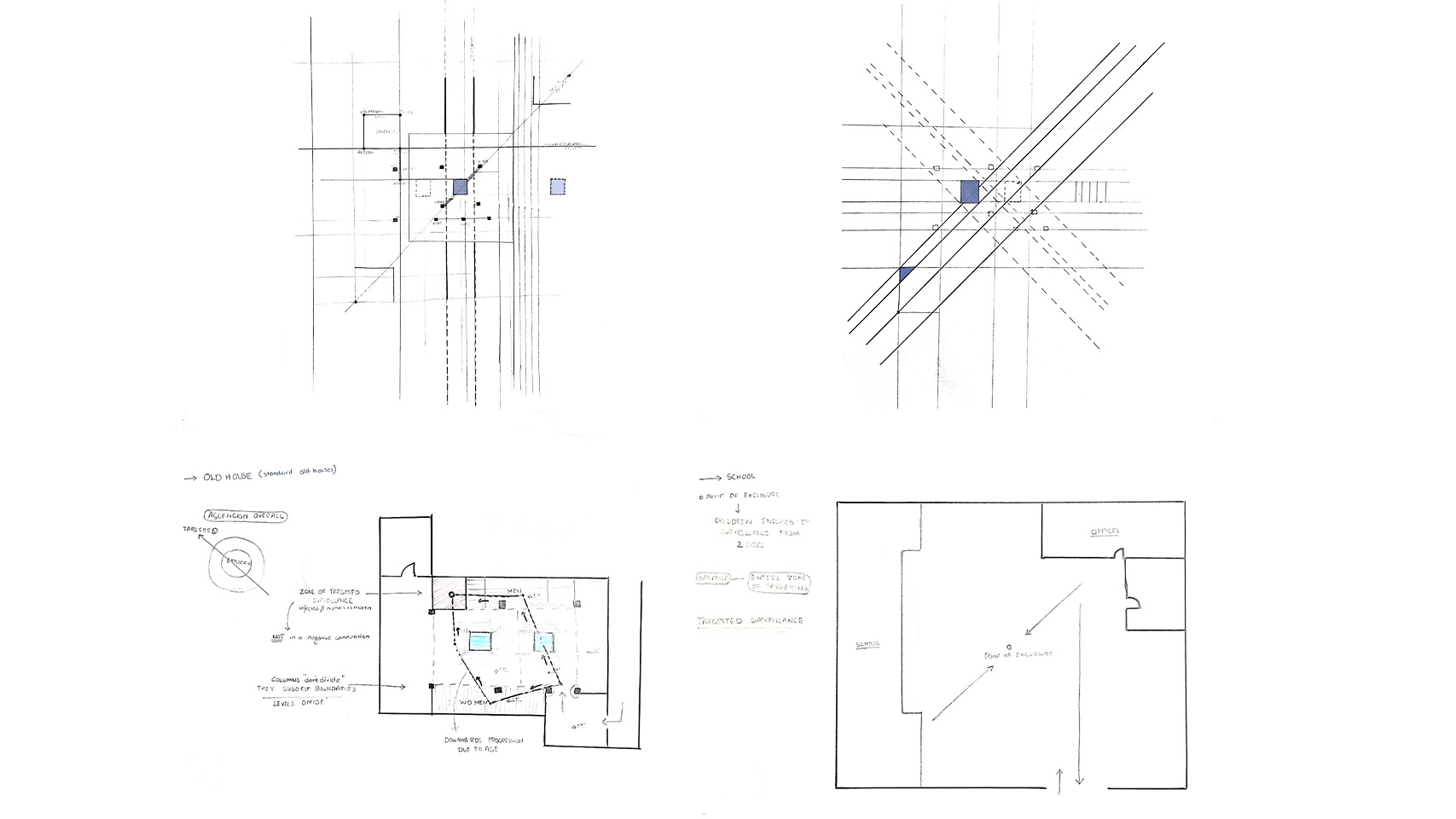
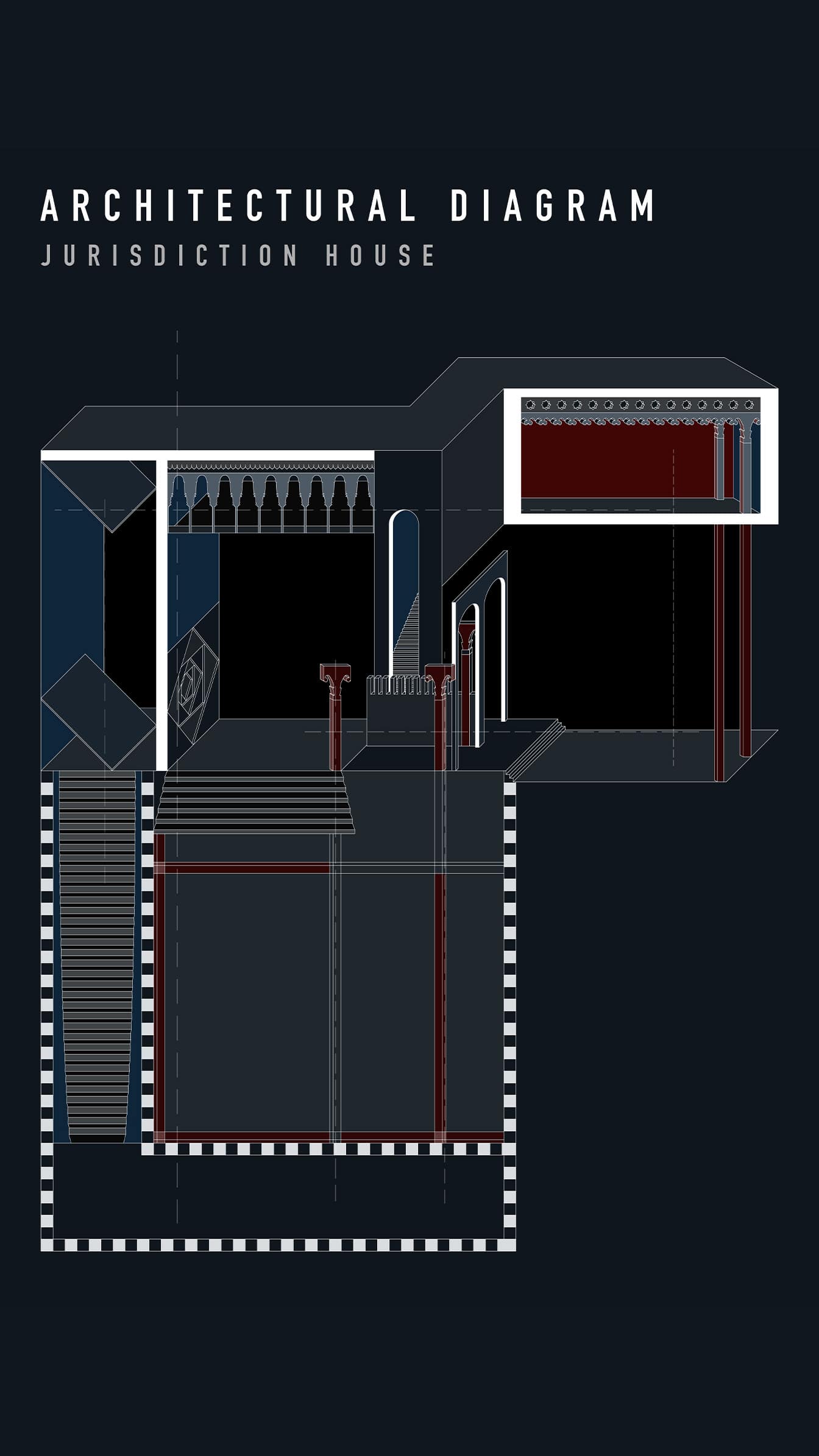
Analysis of local discursive spaces revealed five surveillance forms—doctrinal, targeted, exploitative, segregated, and eastern veiling—which, when overlapped, generate an architectural narrative of productive detention. Unlike the court’s regressive and externalized control, Hunza’s indigenous systems embody asymmetrical and internalized surveillance. Judicial Home builds on this by embedding familiar elements—farming, agriculture, carving, and informal religious and cultural practices—into the detention framework. Spaces for carving and cultivation serve dual roles: productive labor and spiritual restoration. Religious practices, Bitan rituals, and informal teaching systems create cultural resonance, transforming detention into rehabilitation through familiarity. The prison operates as a narrative sequence, where spaces shift from external control to self-surveillance, symbolically represented as a panopticon internalized within the mind rather than imposed externally. This spatial layering allows detainees to recognize their place within a continuum of cultural and spiritual belonging rather than being isolated from it.

Contact Designers || Portfolio
You Might Find These Interesting
 DESIGNED BY: Isha Nasir
Challenging the Permanence of Conventional Buildings
Adj. Peeru’s Cafe, Green Acres Housing Society, Raiwind Road, Lahore, Punjab