Talash-e-Khudi
Architecture as a spiritual and intellectual journey, inspired by Iqbal's concepts, for the growth and nourishment of young intellectual minds.
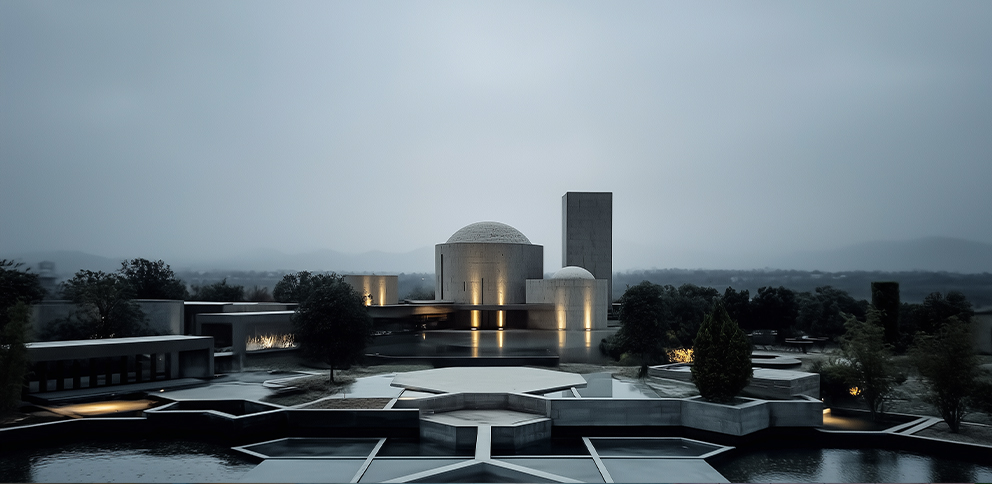
Architecture, as a discipline, thrives at the intersection of philosophy, art, and science. It is constantly evolving to meet the shifting paradigms of human needs and cultural contexts. Syed Tulaib Noman's architectural thesis embarks on a journey of self-Exploration through architectural design, exploring how the synthesis of ancient wisdom and present-day paradigms can inform innovative approaches to contemporary challenges. The Idea resonates with the philosophy of “KHUDI” by Allama Muhammad Iqbal, focusing on youth. In architecture, this concept finds resonance in creating spaces that harmonize contrasting forces. tradition and modernity, natural and built environments, form and function. By applying the Golden Mean as a guiding principle, this thesis aims to uncover the "sweet spot" where these extremes converge, resulting in designs that are both meaningful and enduring.
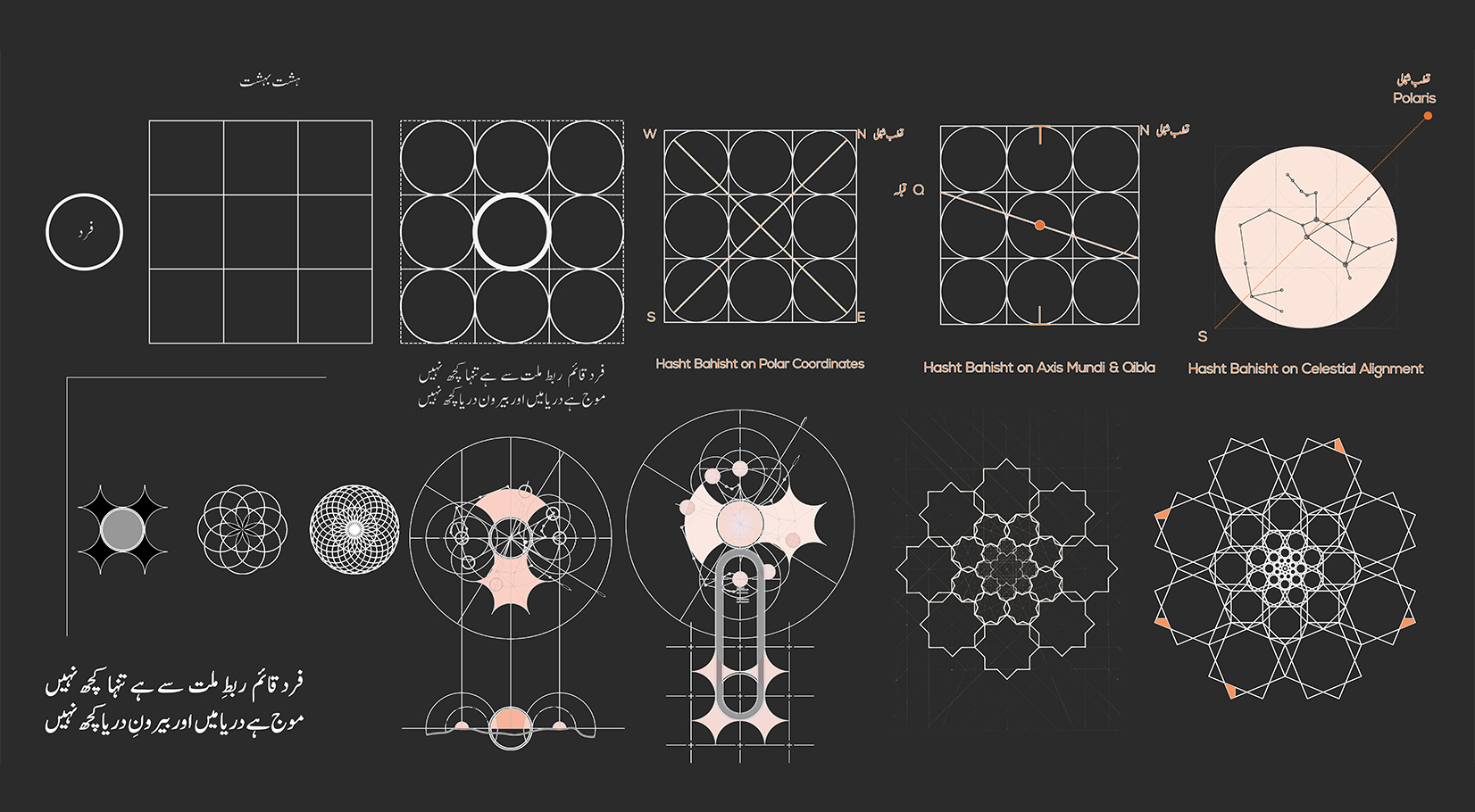
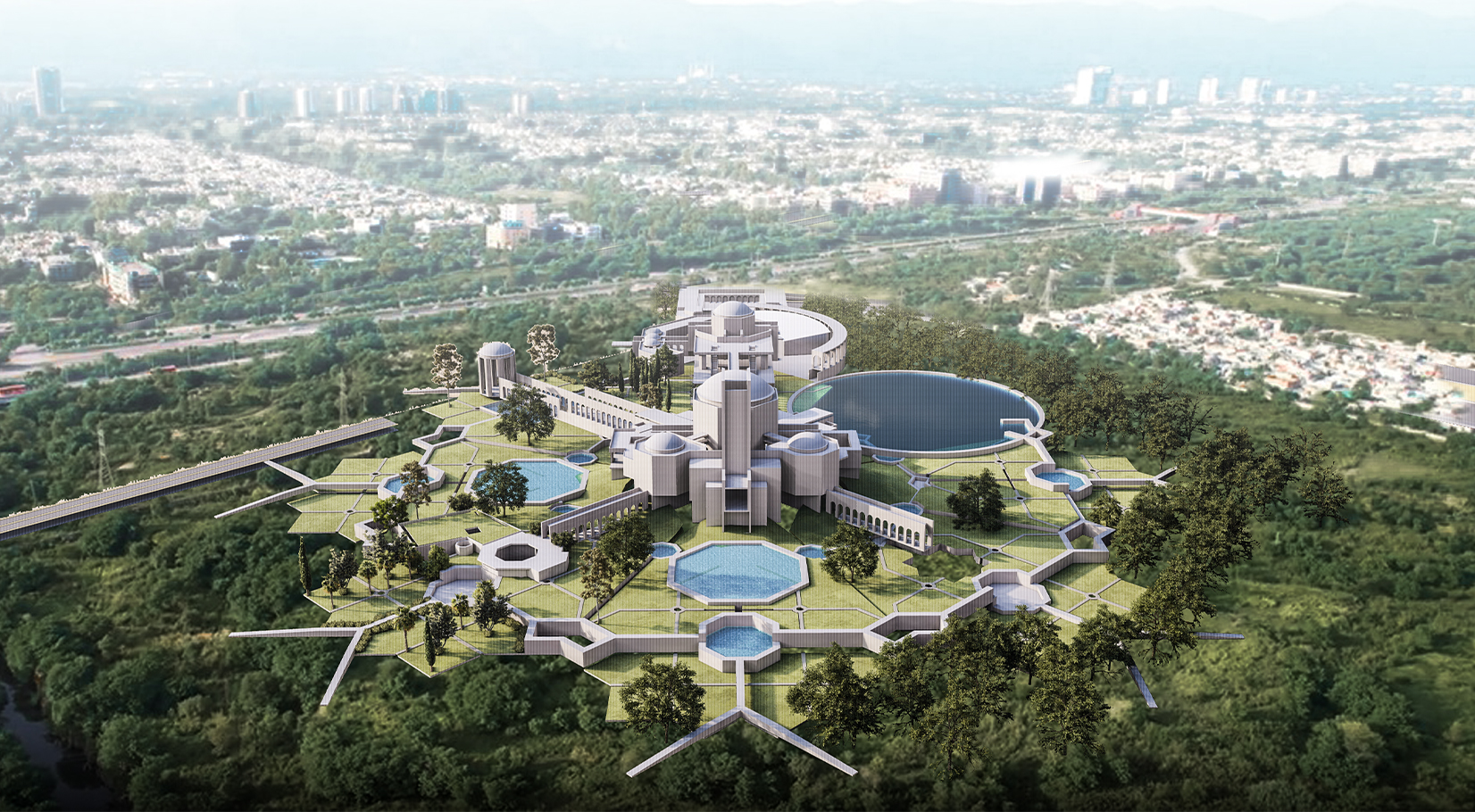
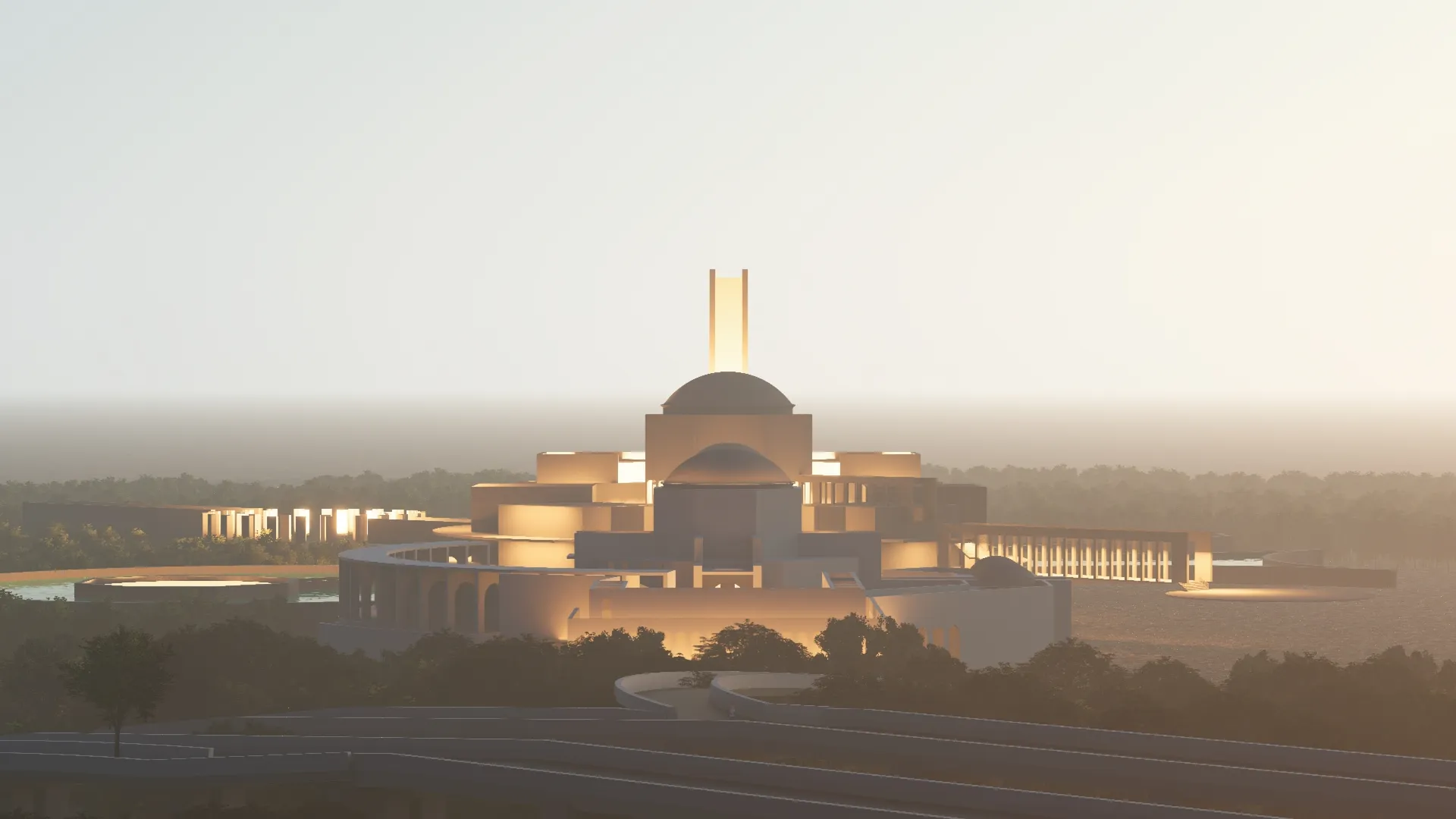
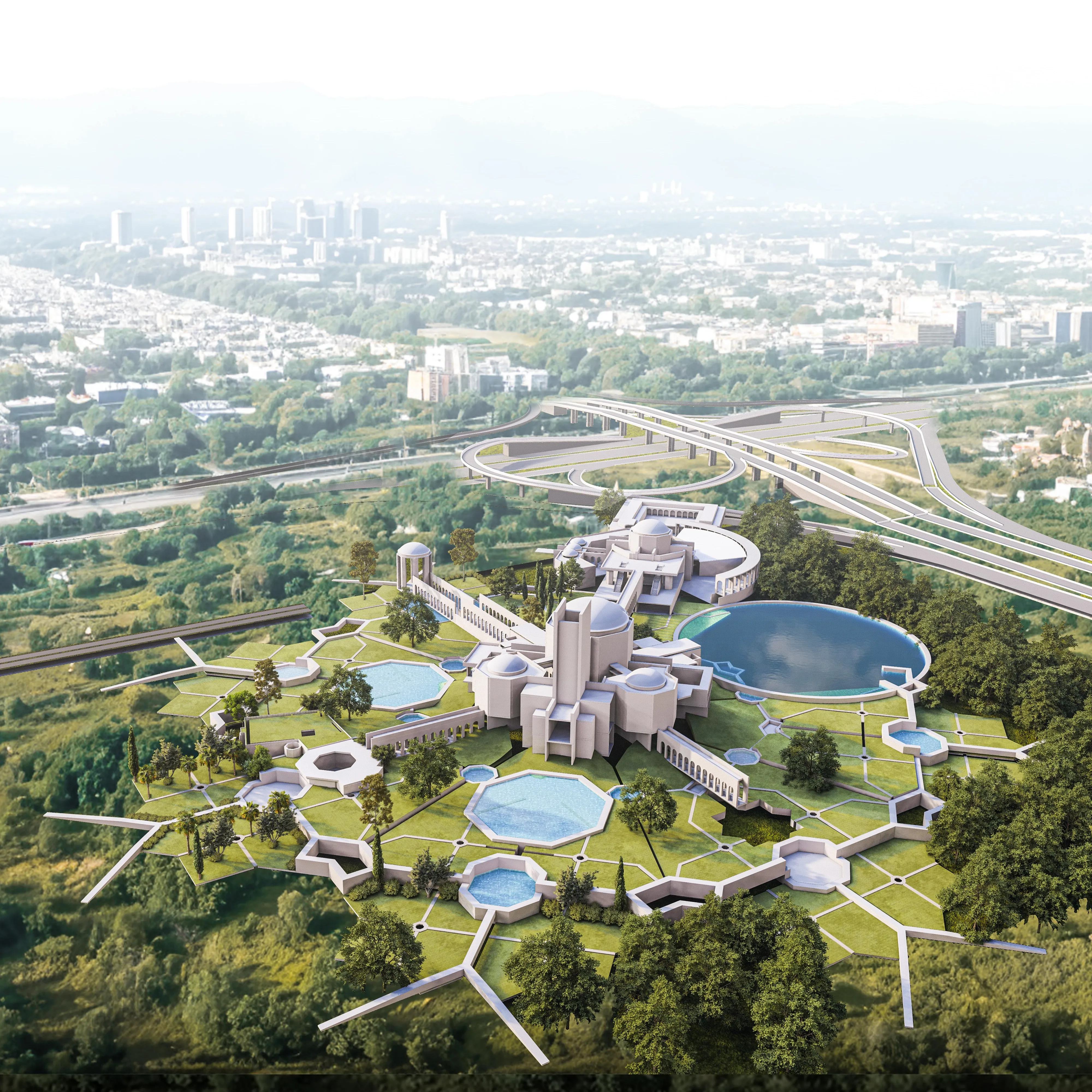
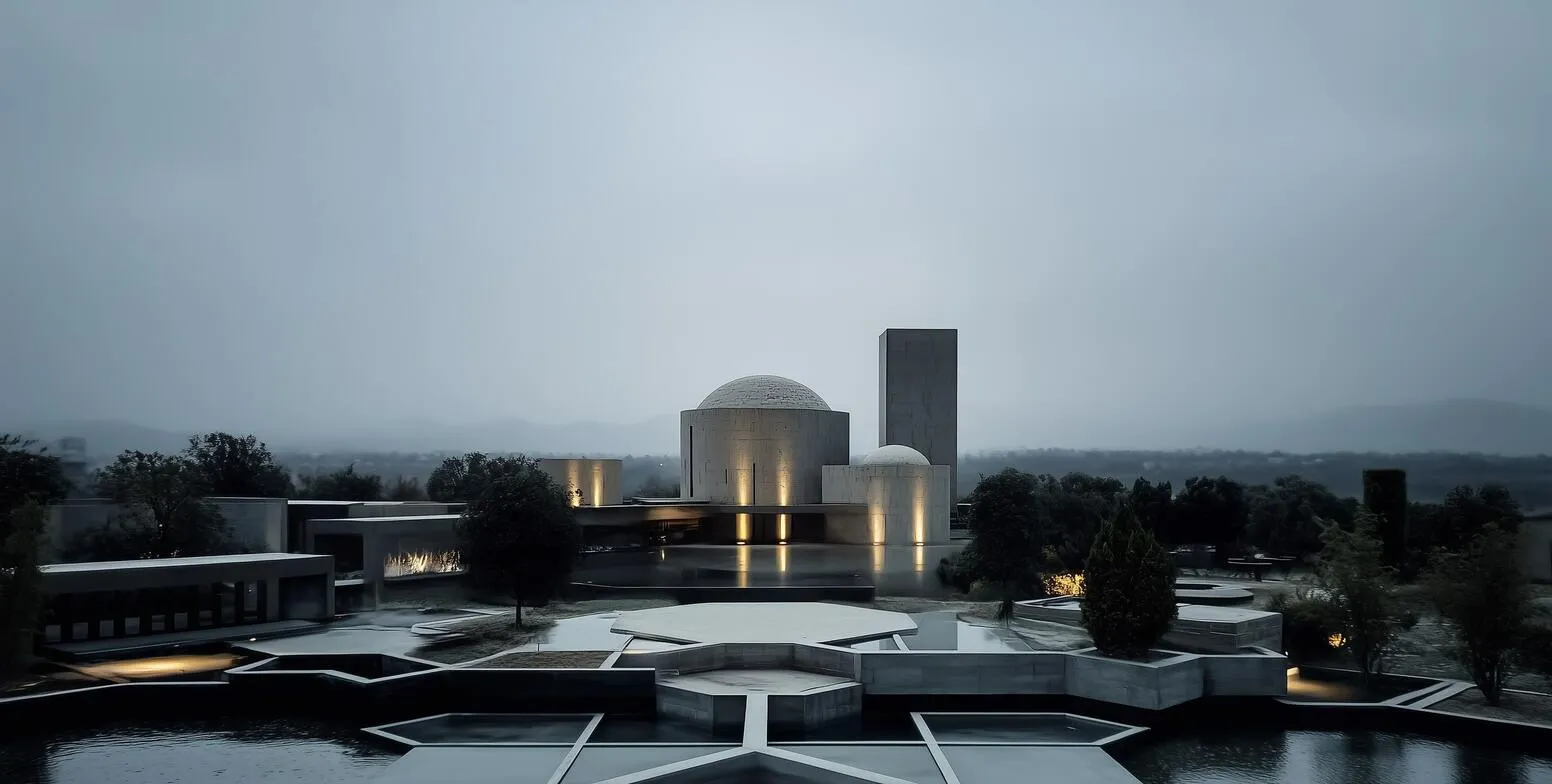
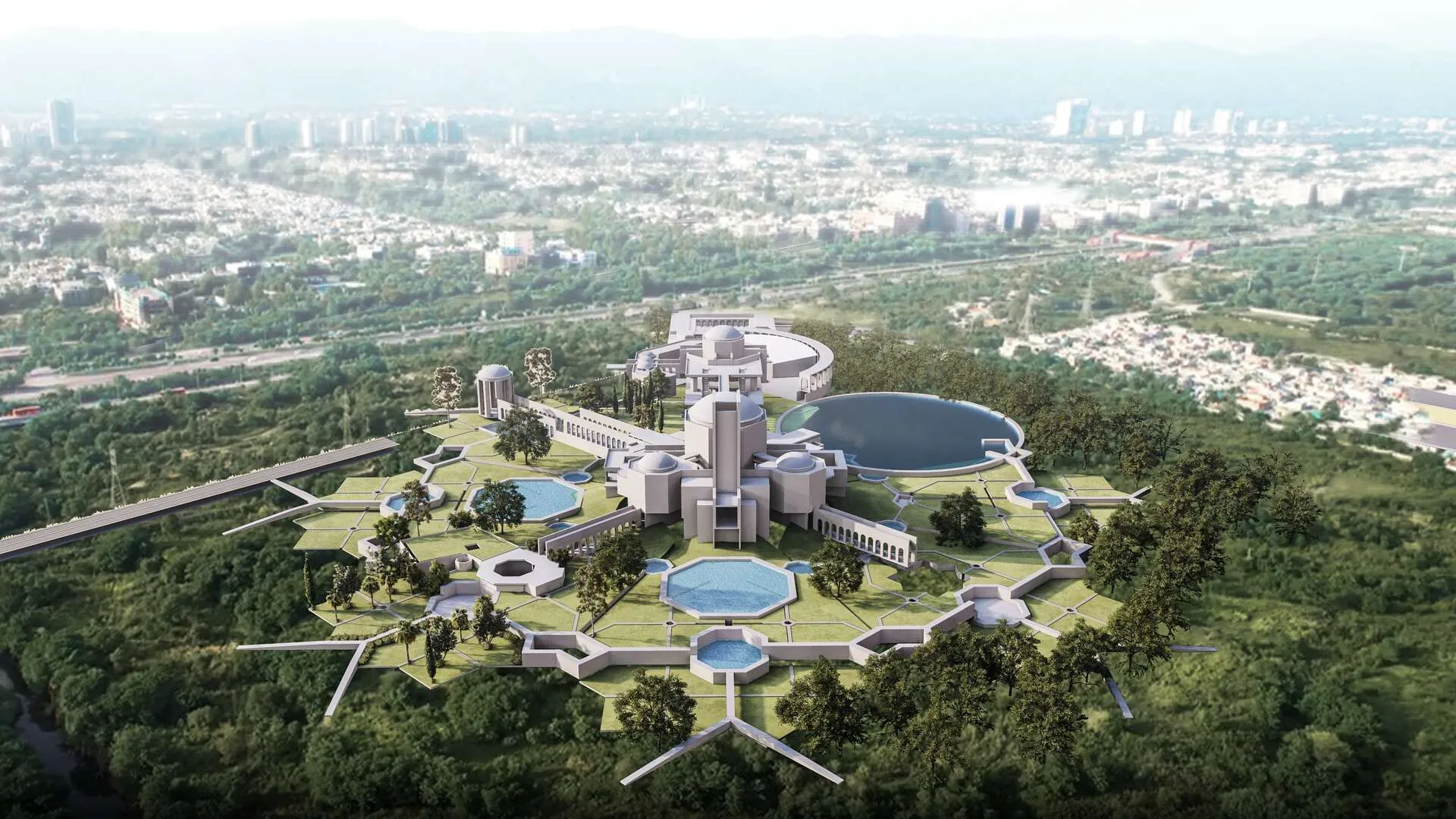
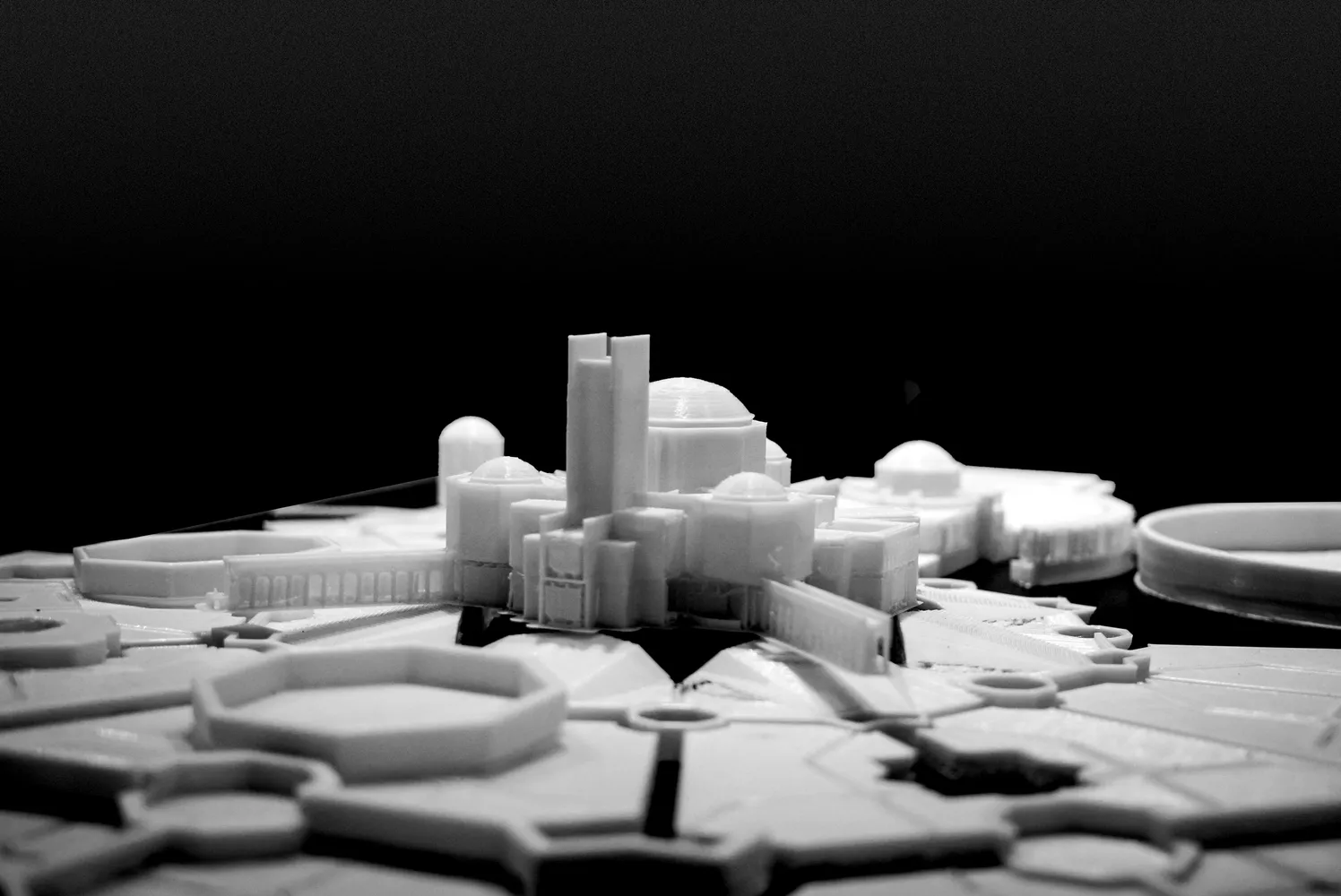
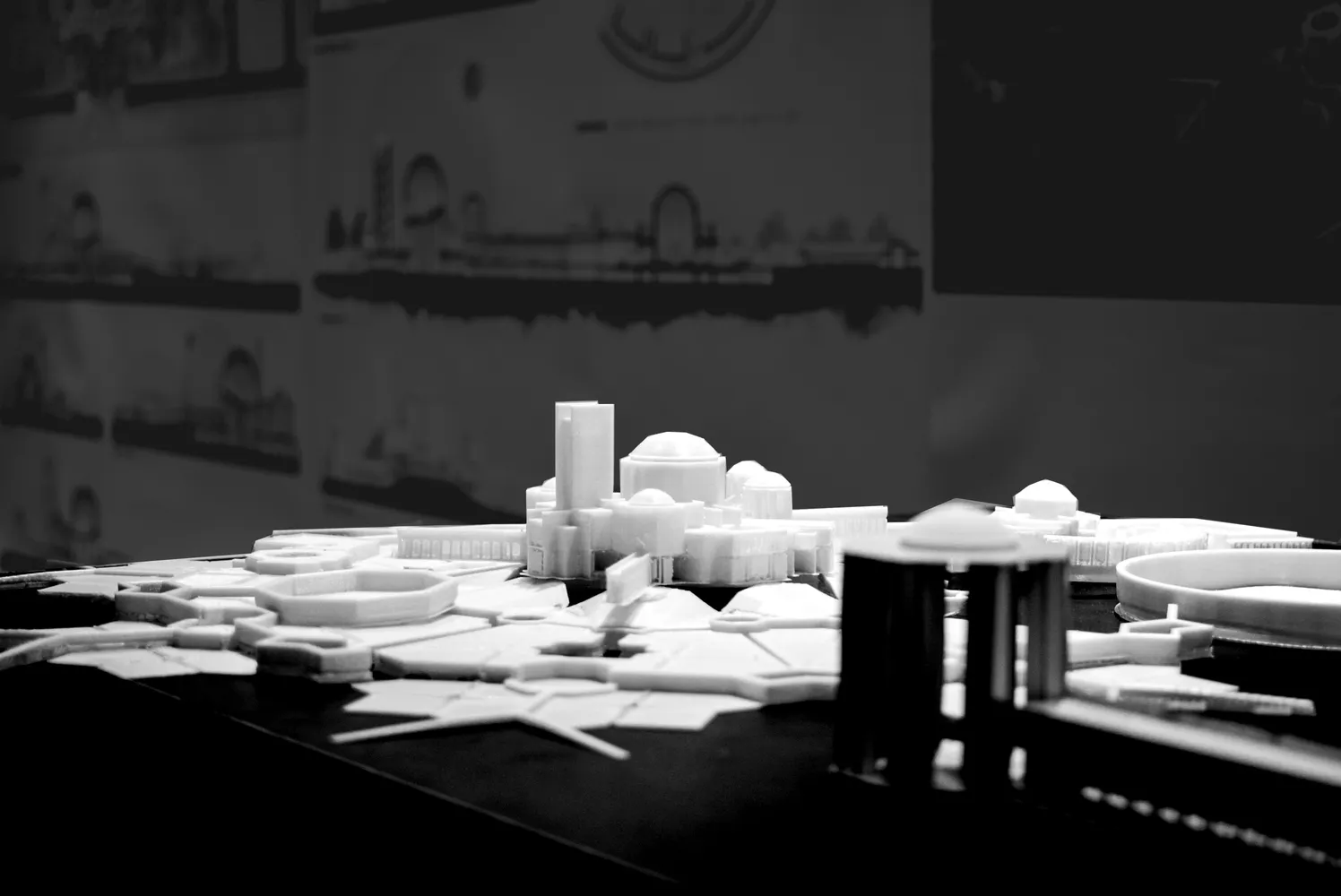
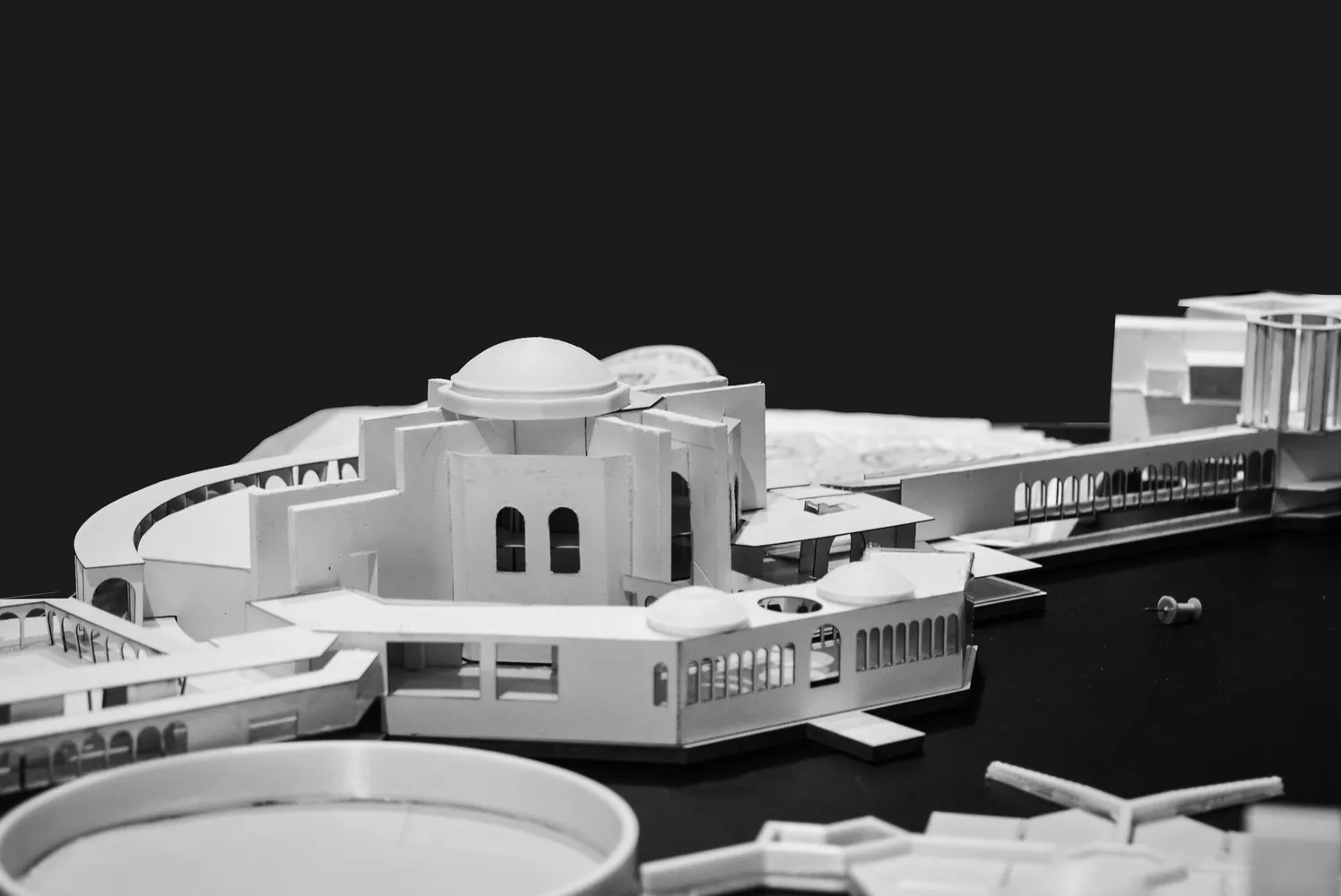
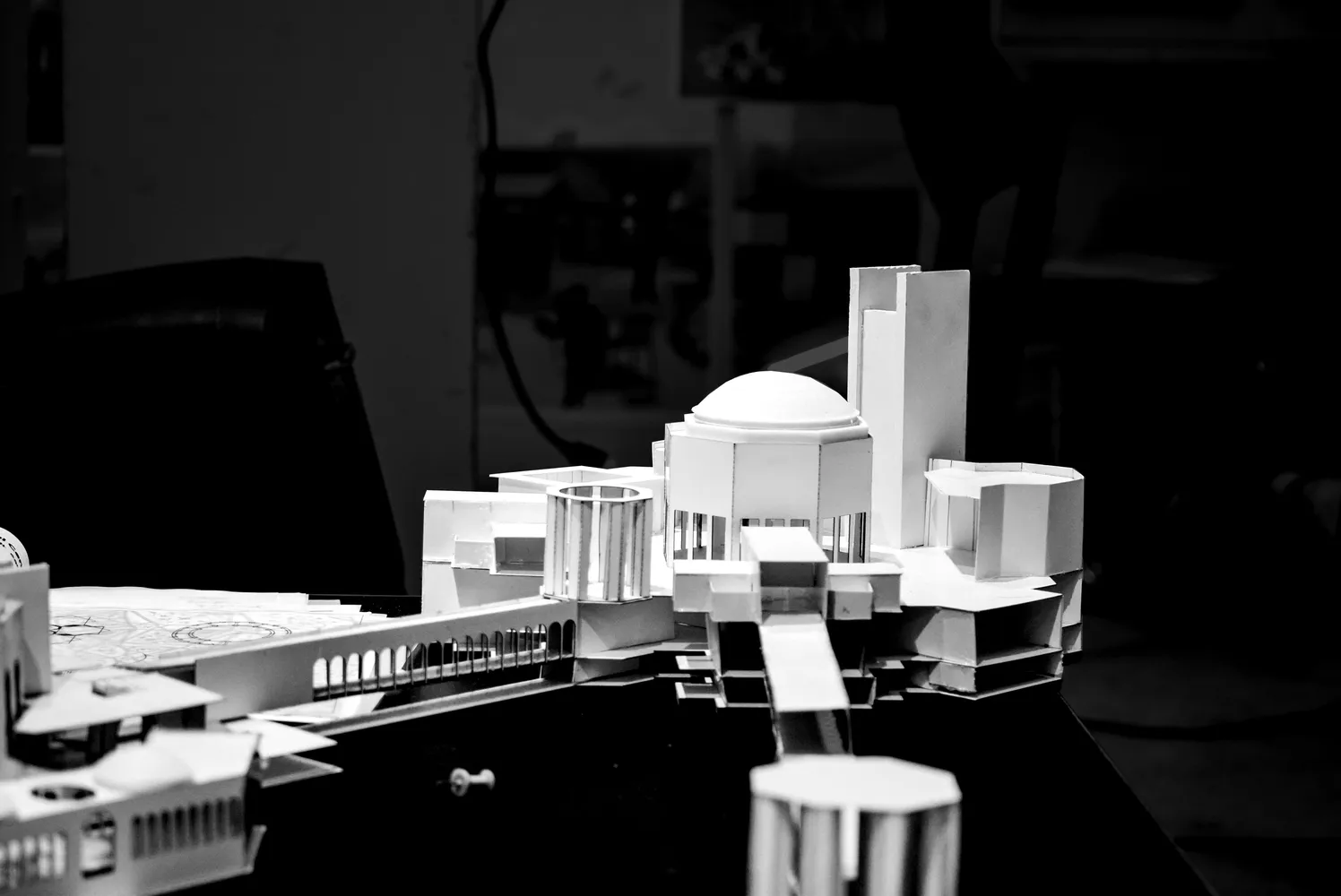
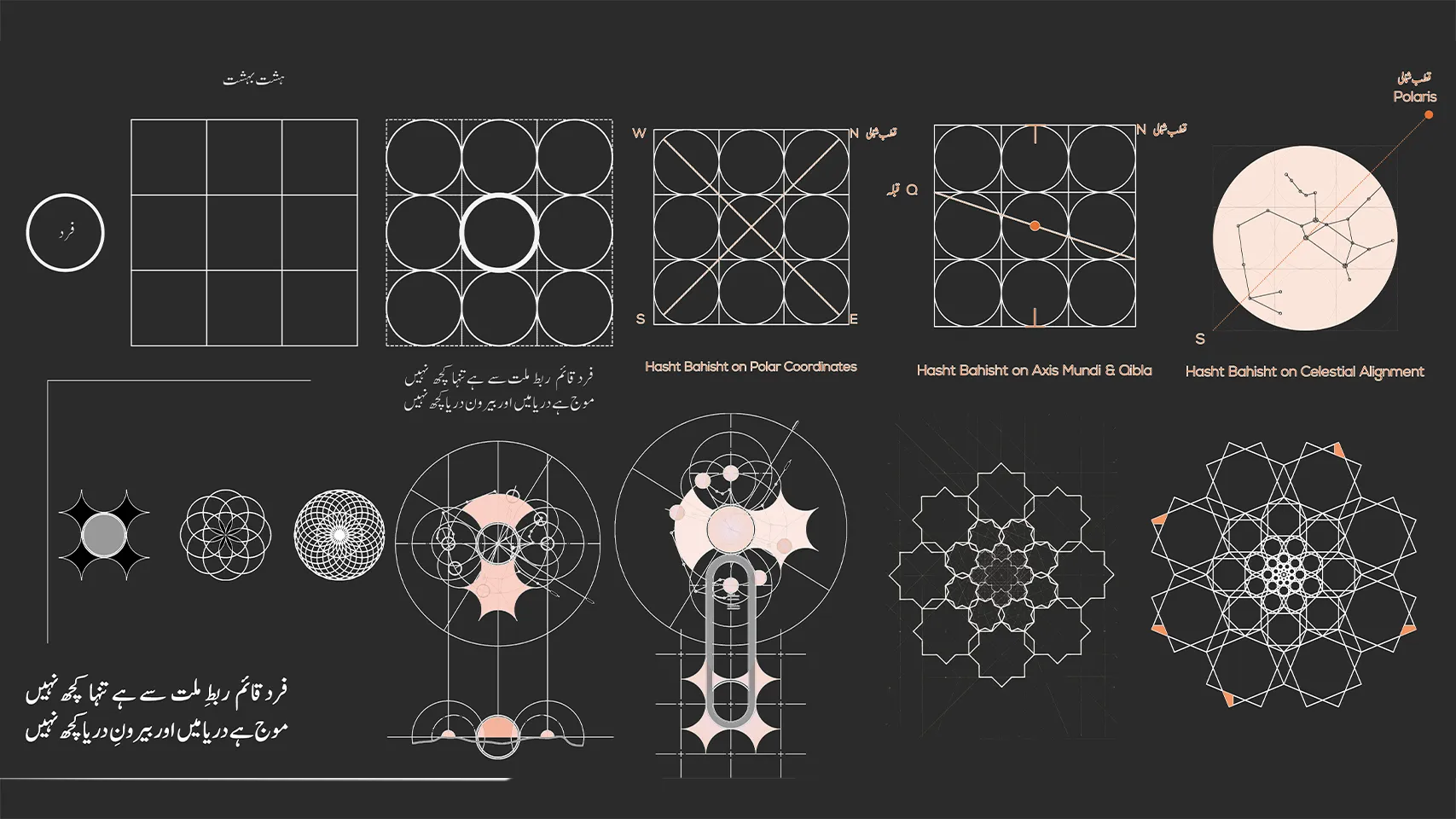
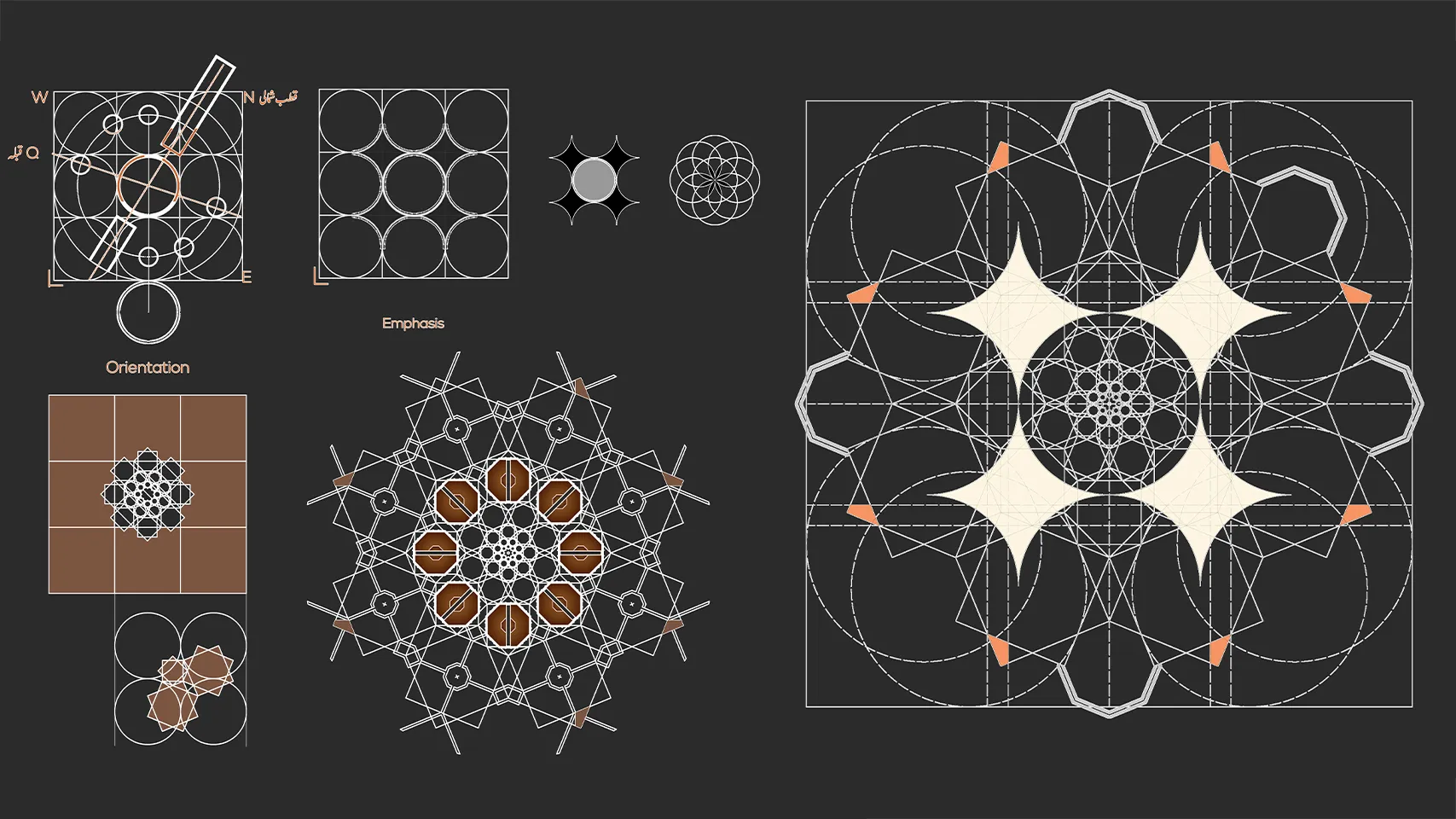
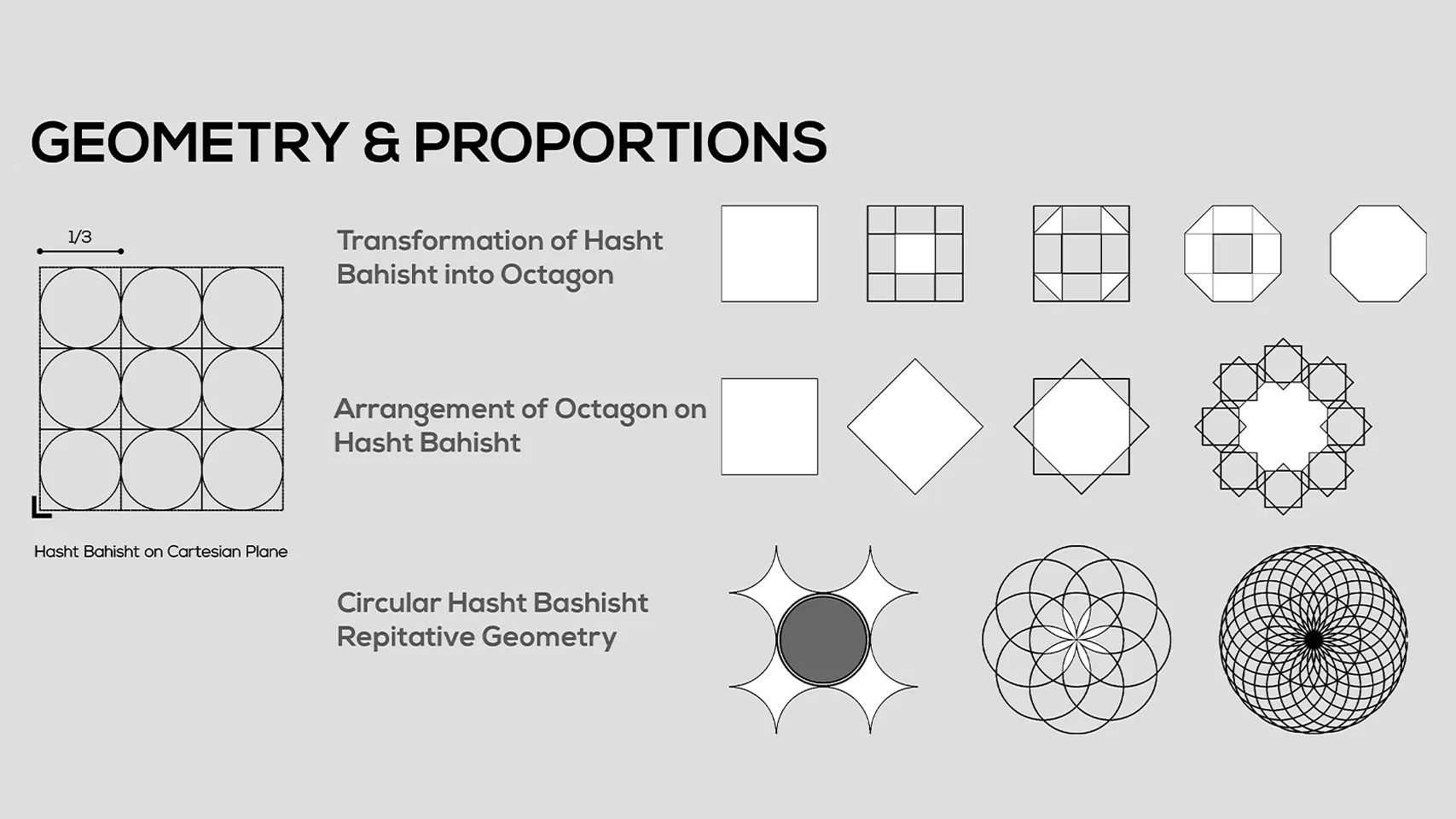
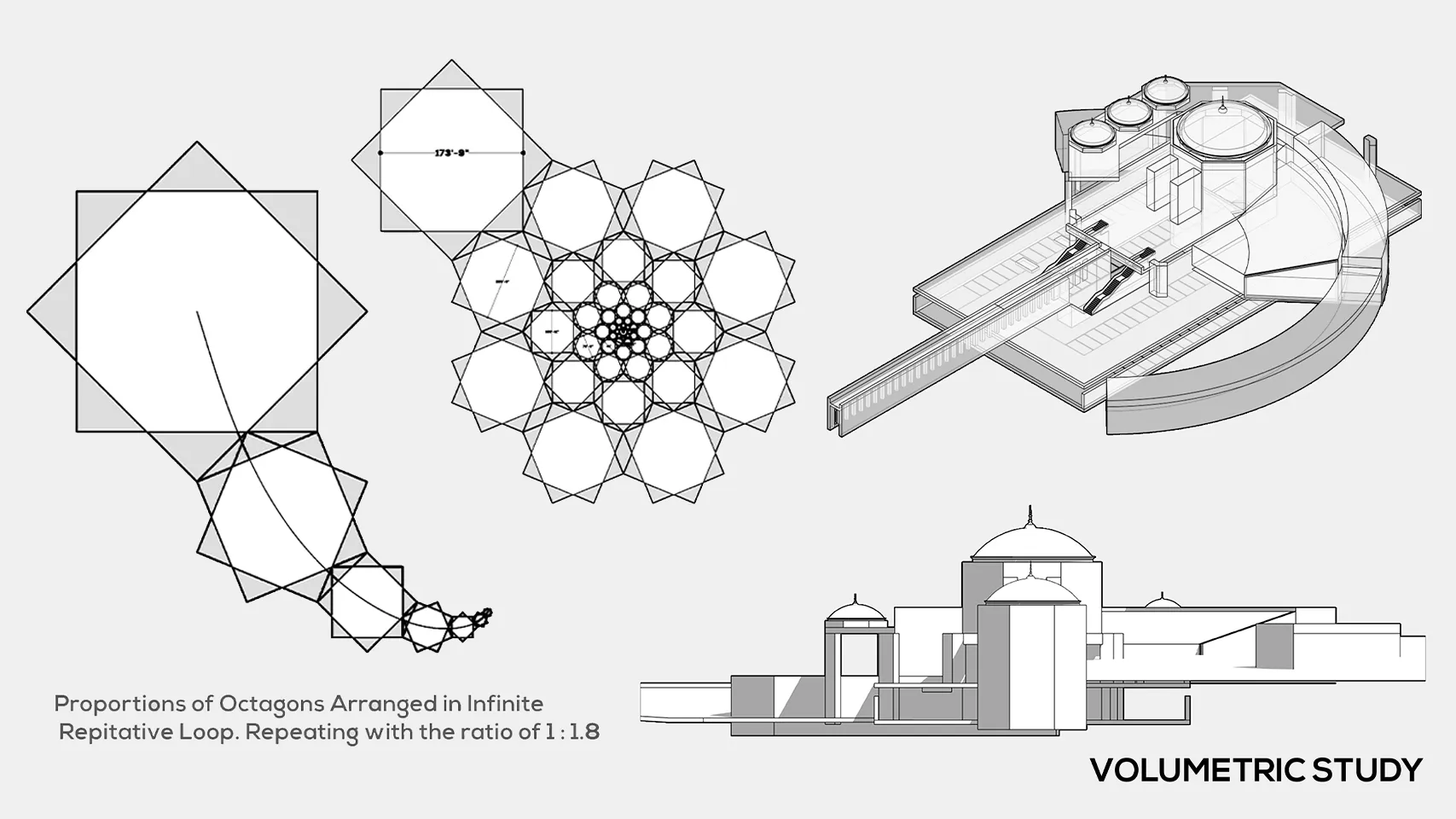
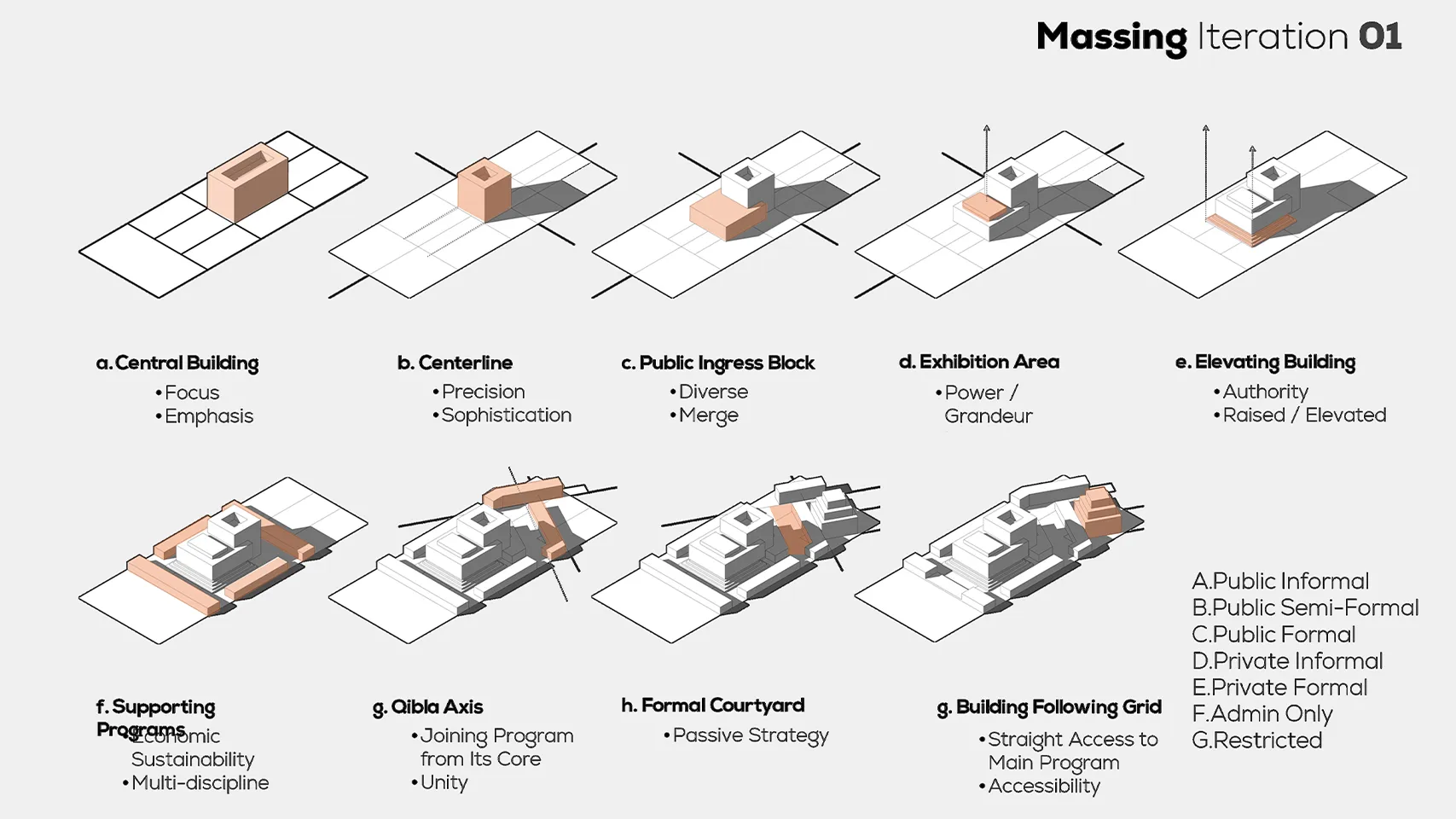
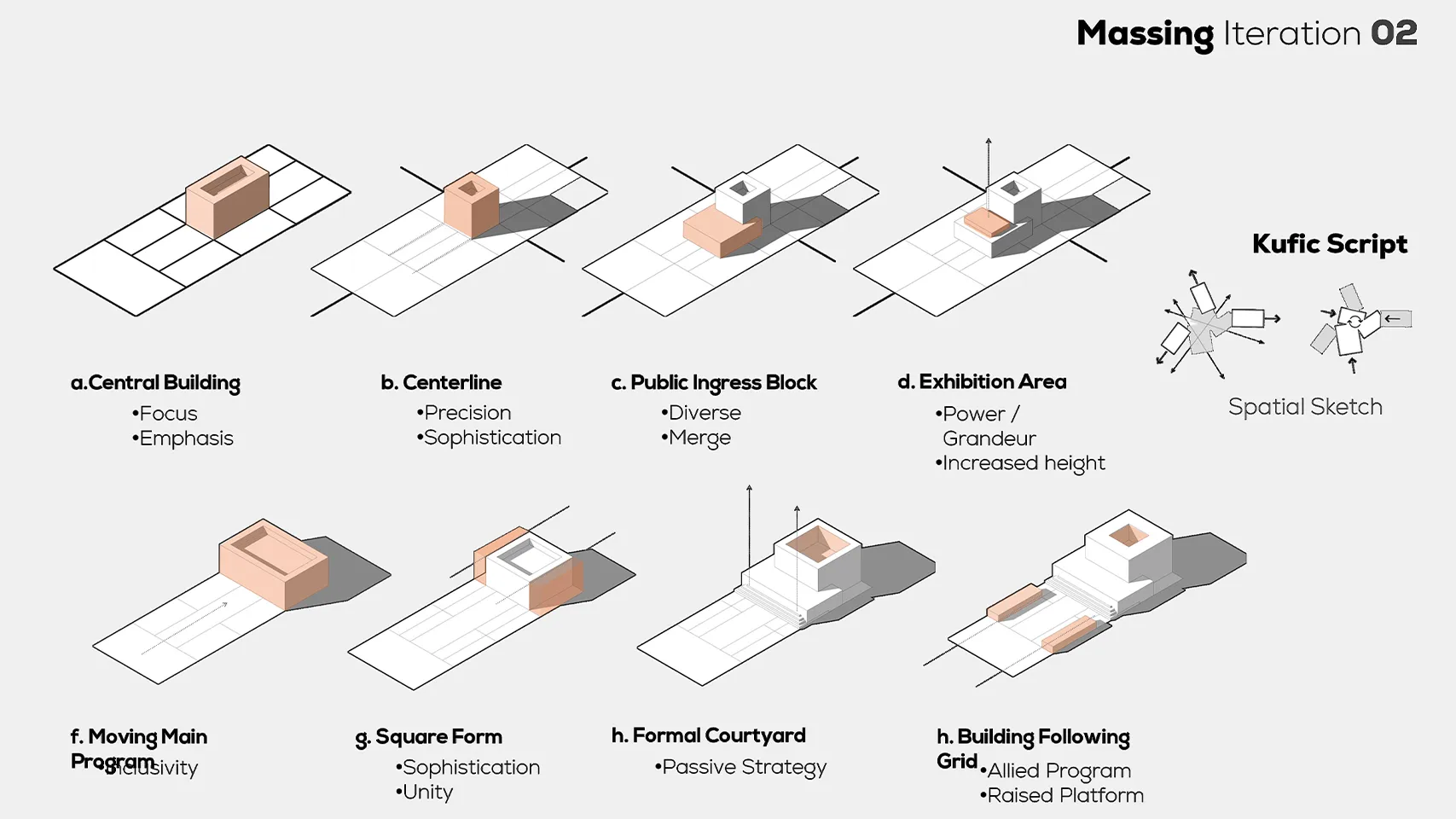
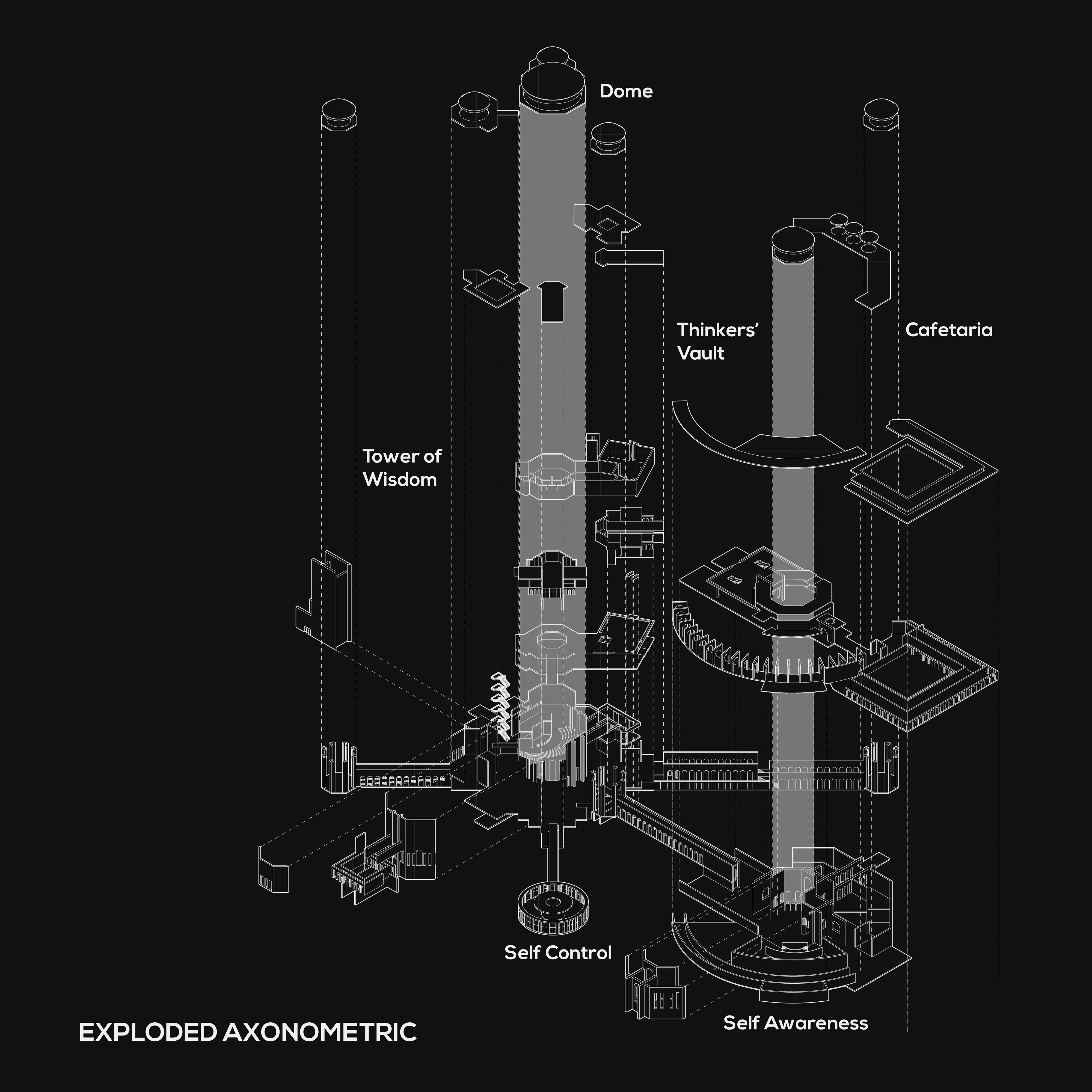





Situated in Sector H-10/3, the design is derived from the depiction of eight heavens around one center, which is the Hasht Bahisht. Combining it with the interpretation of an Individual as a circle lays the geometric framework for the project. The use of mathematical trigonometry is applied to certain parts of the design to acheive harmony with these systems. They are used to build a repetitive circular array of octagons, tiling, tesselation and self-repeating patterns. The design serves as a place where youth join each other and engage in intellectual debates and growth. The Self-Awareness Zone is the foundational realm of the spiritual and intellectual journey, inspired by Iqbal’s philosophy, the awakening of the self through introspection, reflection, and purpose. It is a space where individuals begin their path of self-realization, shedding distractions and confronting their inner fears, desires, and questions. The Tower of Wisdom stands as both a functional cooling device and a symbolic monument within the architectural narrative of the complex. At its base, a water reservoir acts as a natural coolant, cooling the circulating air through evaporative techniques and distributing it throughout the adjacent spaces, including the House of Wisdom.
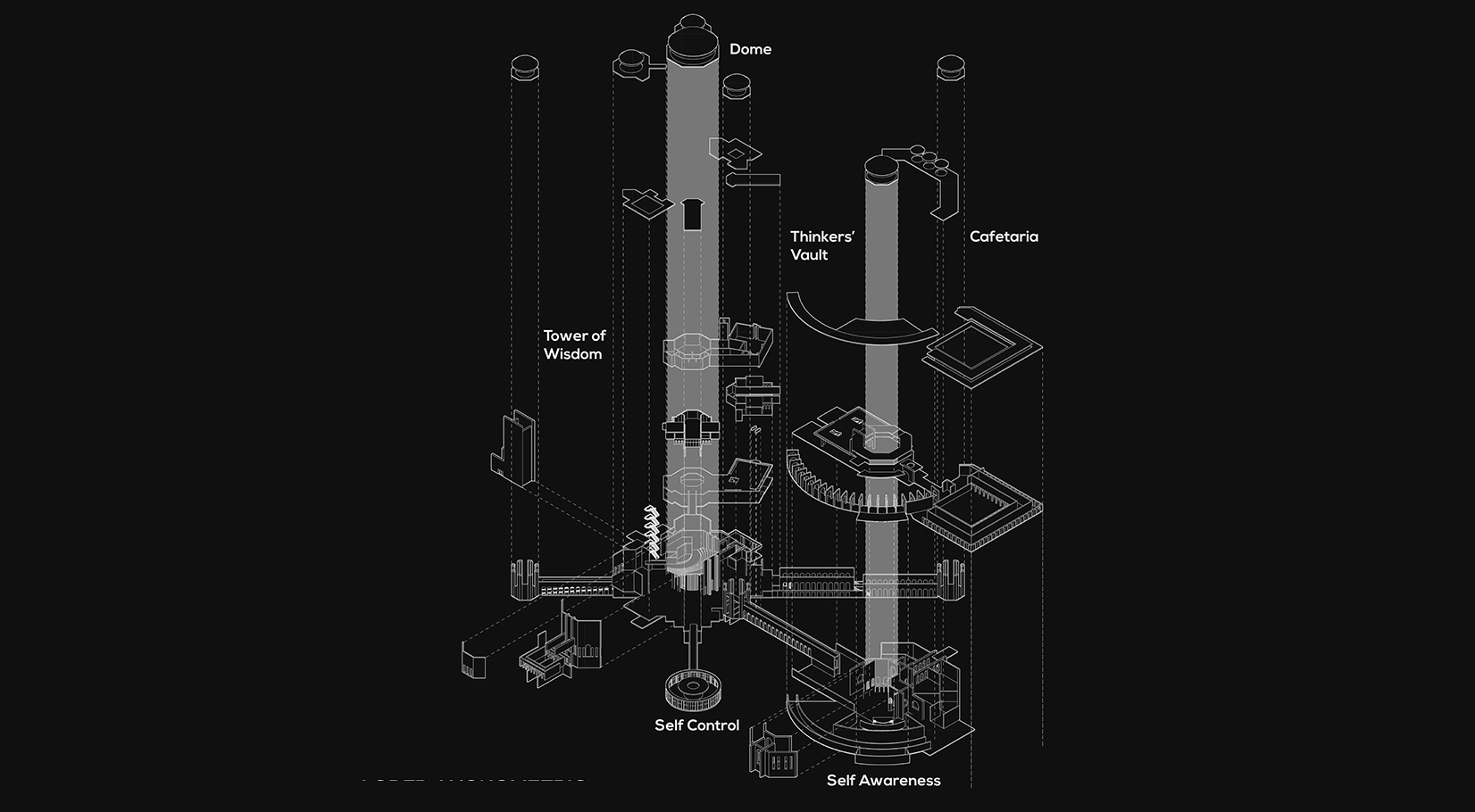
At the heart of the site lies a circular water reservoir, 400 feet in diameter and between 5 to 10 feet deep, holding a grand, partially submerged library, a symbolic gesture toward the depth of knowledge, the drowned wisdom of ancient civilizations, and the layers of hidden truth beneath the surface of the modern world. The library appears to emerge from the water. As one approaches, the glistening water mirrors the sky, blurring boundaries between earth and cosmos, reminding us of Iqbal’s vision: “Sitaraon se aage jahan aur bhi hain”. At the heart of this composition lies an intricately designed gravity-fed canal system, inspired by qanats and Mughal hydraulic engineering. The complex also consists of subterranean green parking, and a solar park. The use of raw concrete for the design embodies a quiet, respectful, monastic atmosphere which does not seem detached.
Contact Designers || Portfolio
You Might Find These Interesting
 DESIGNED BY: Isha Nasir
Challenging the Permanence of Conventional Buildings
Adj. Peeru’s Cafe, Green Acres Housing Society, Raiwind Road, Lahore, Punjab DESIGNED BY: Talal Ali
A Detention and Rehabilitation Facility
Hunza, Gilgit-Baltistan, Pakistan