Veiled Grounds
An architectural exploration of power in space, this project reimagines Hunza’s terrain and institutions to reveal how surveillance, belief, and control embed subtly into everyday architecture.
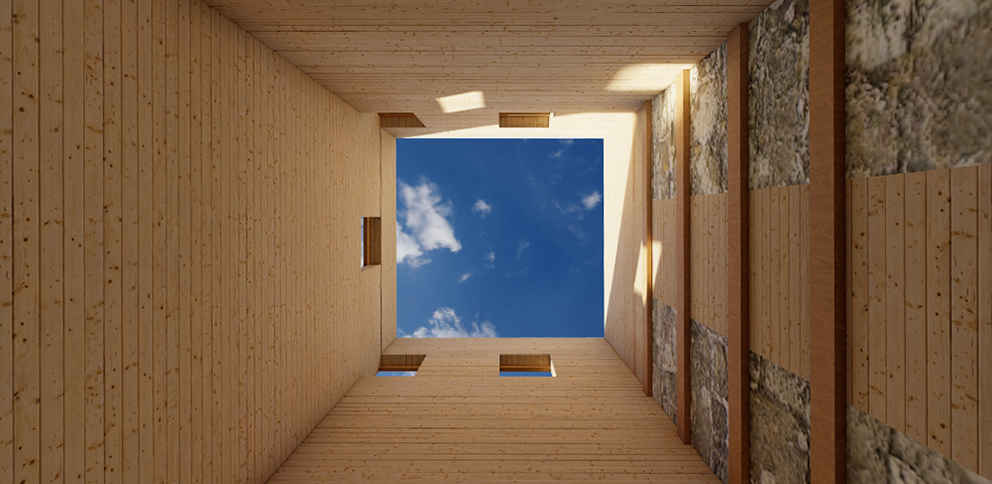
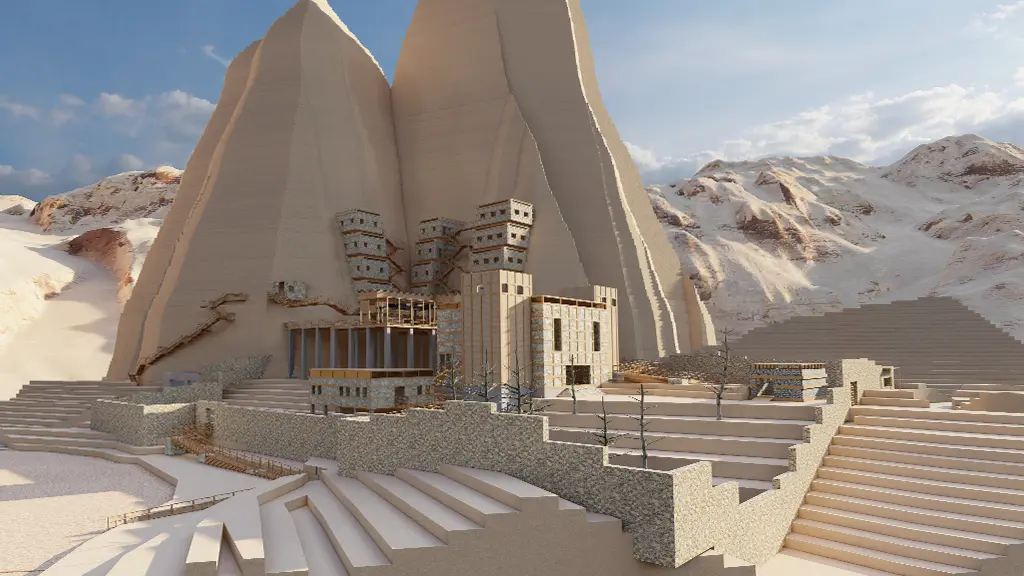
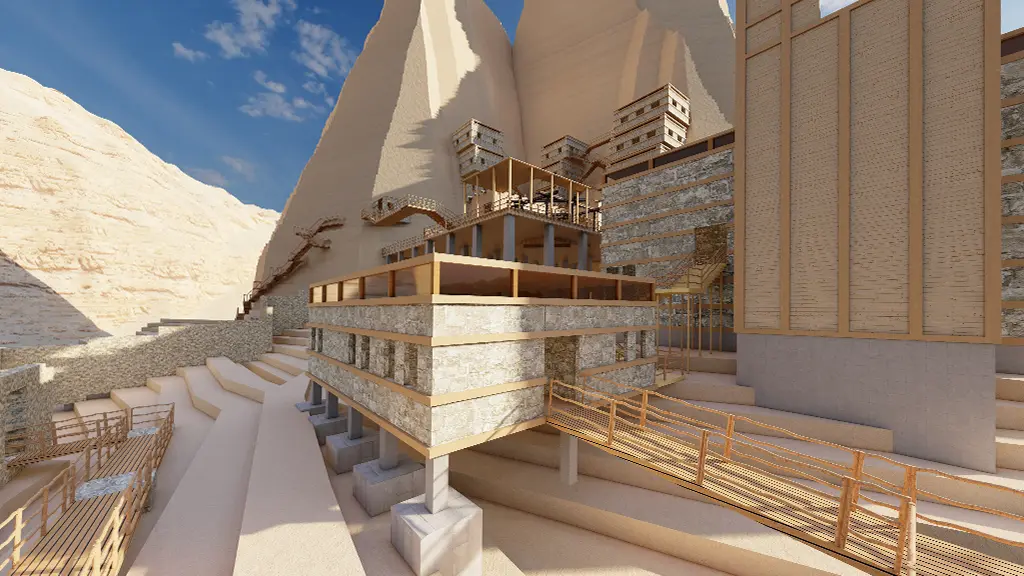
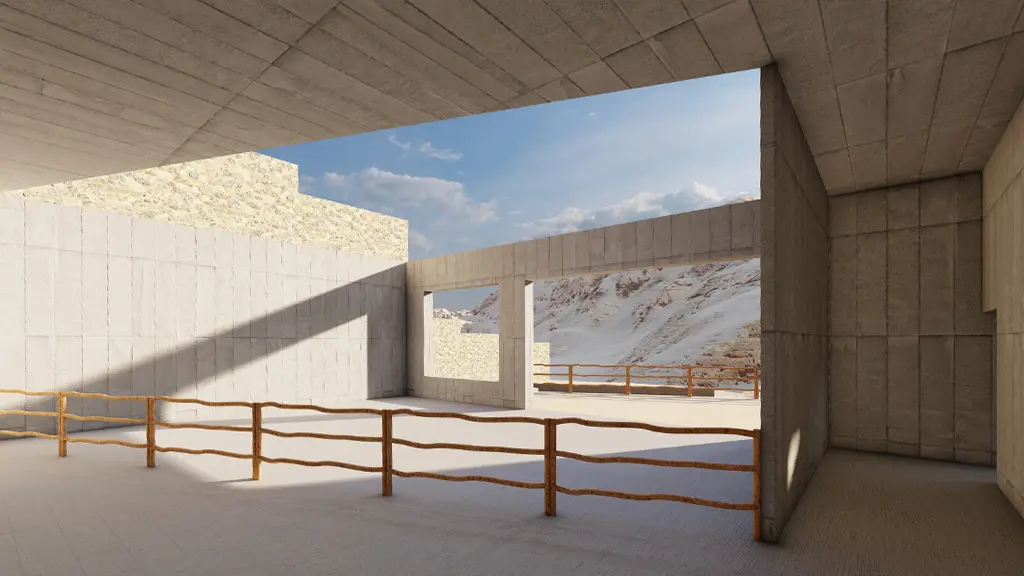
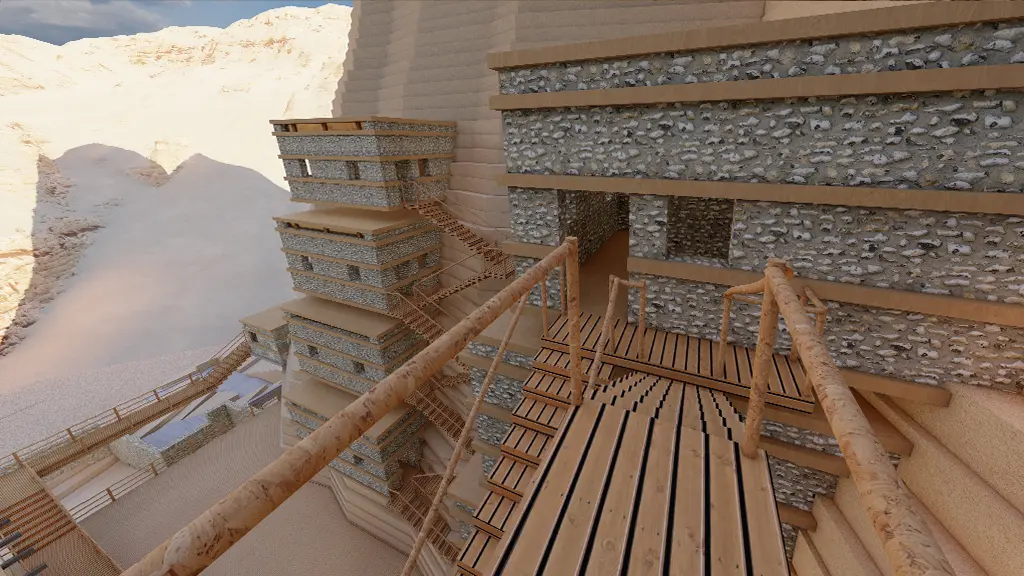
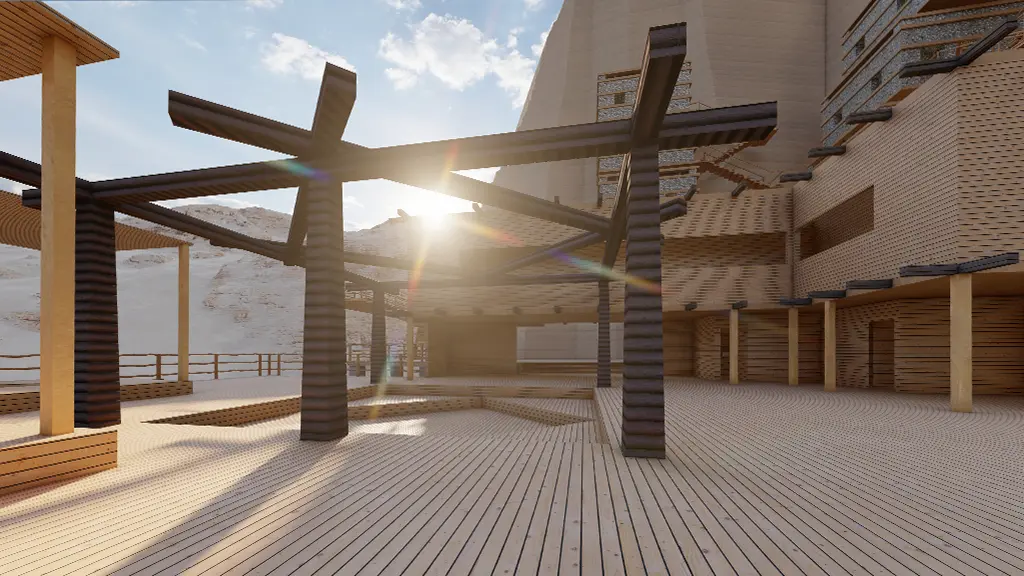
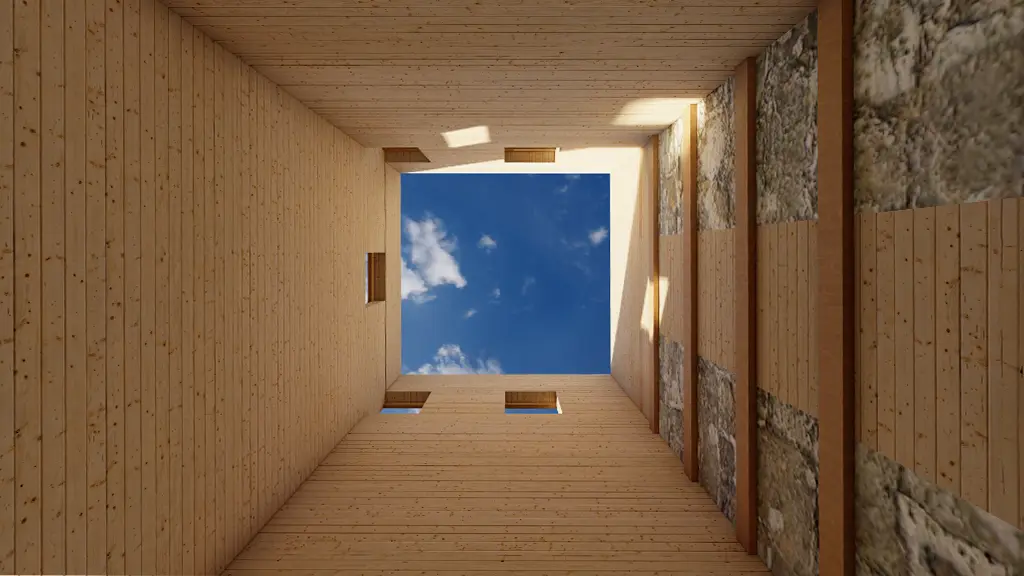
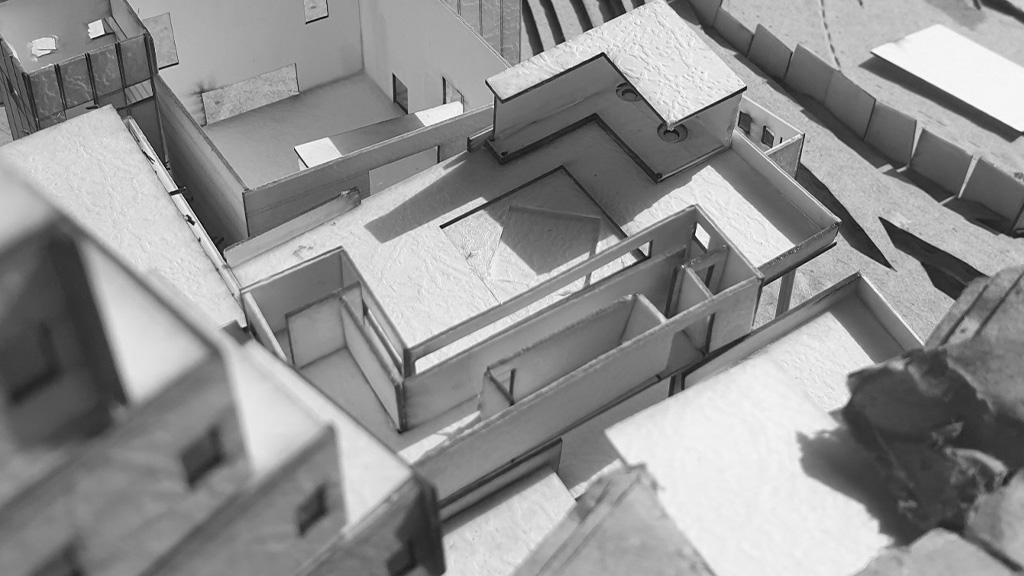
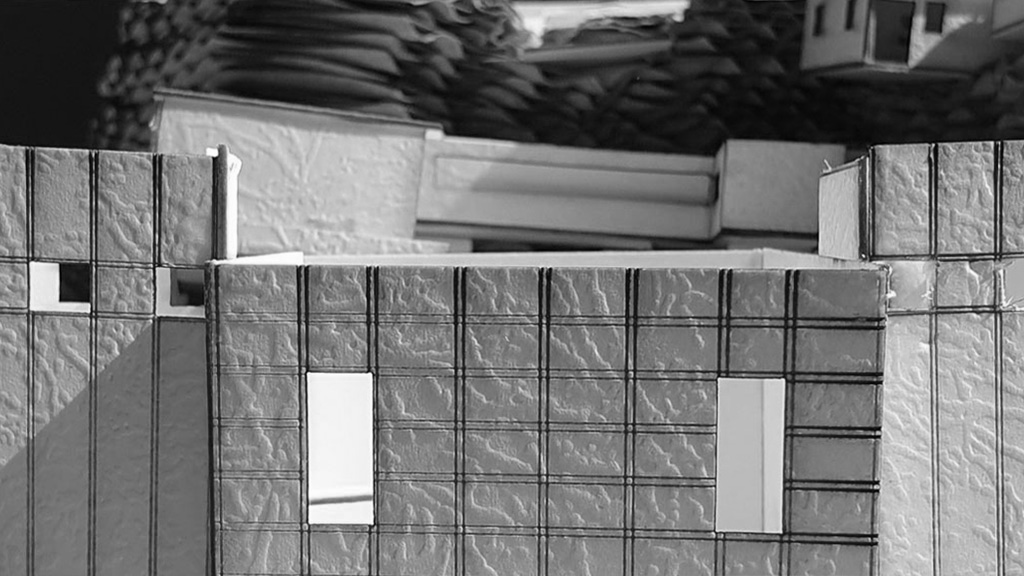
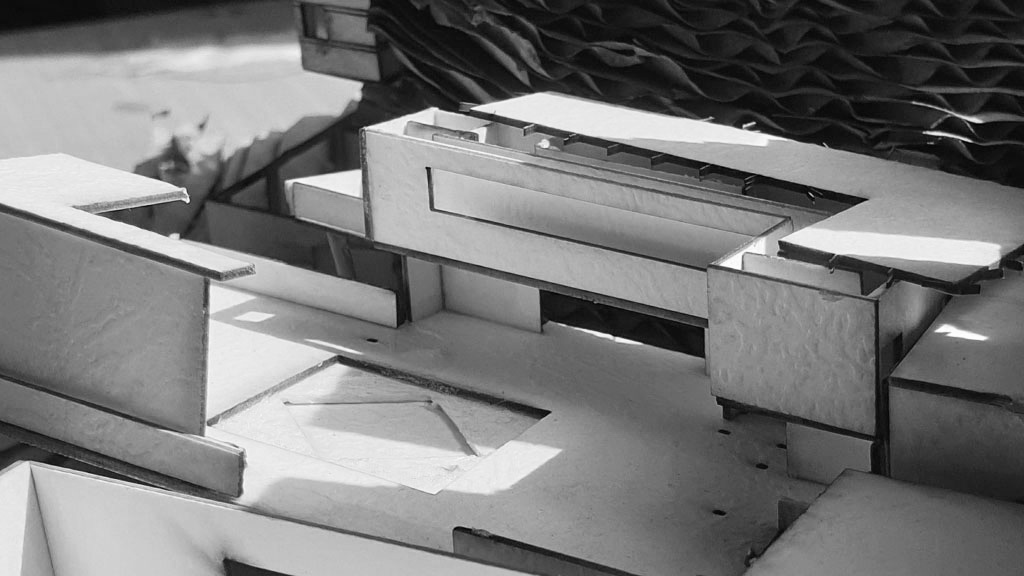
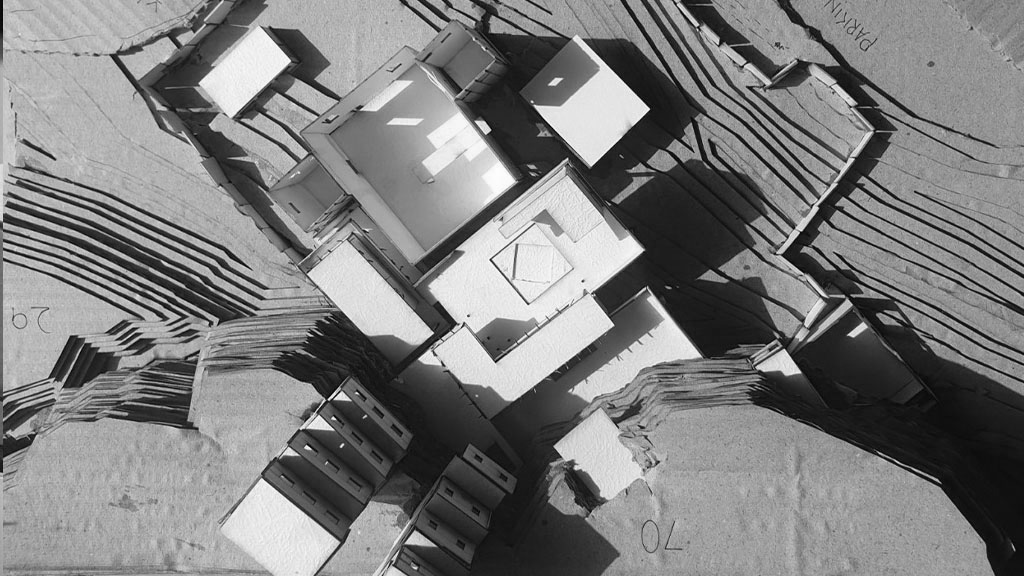
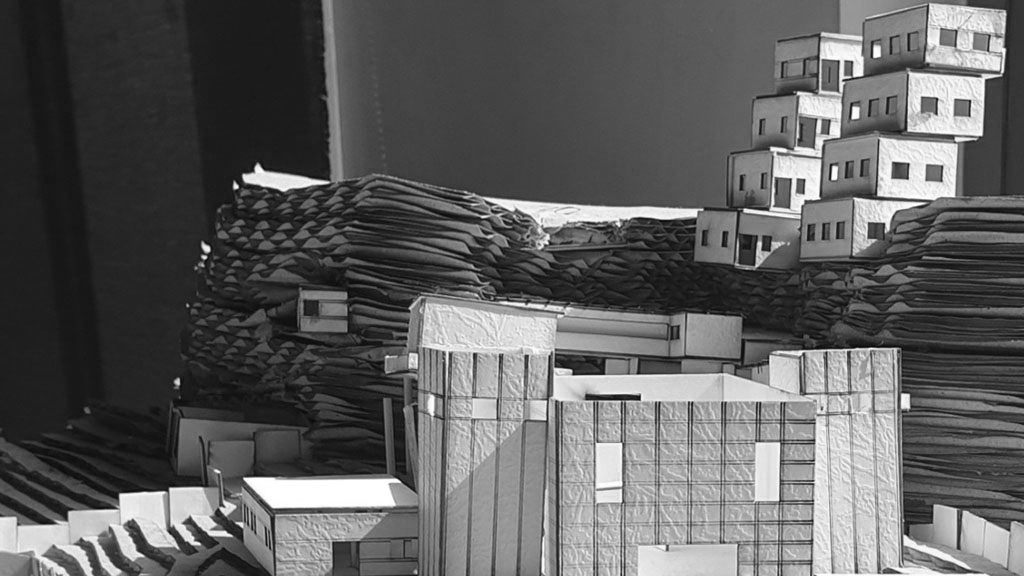
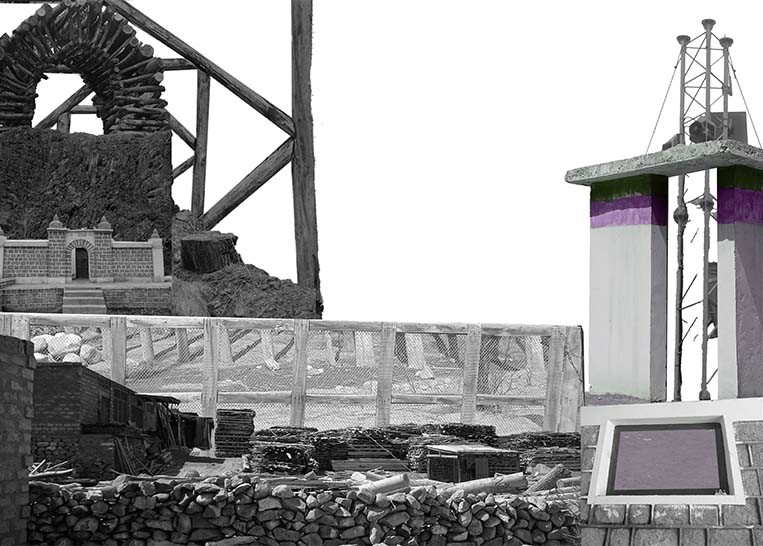




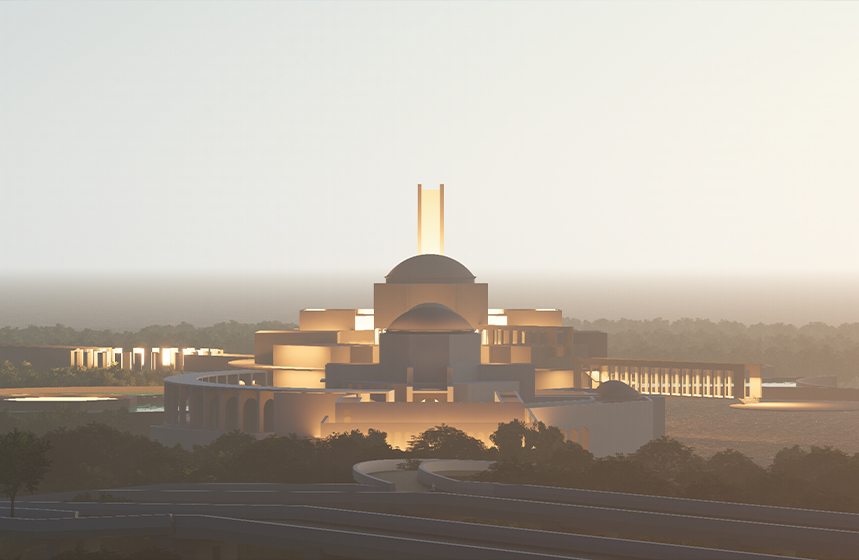
This project begins as an architectural inquiry into how power embeds itself into space, not through visible force, but through the subtle layering of surveillance, belief, and control. The chosen site, a mountain side in Hunza, becomes more than a backdrop. Its terrain, climate, and communal structures offer both resistance and opportunity. The steep mountains carve out natural levels that allow for surveillance from above, the kind of vertical hierarchy that doesn’t need to speak loudly to assert itself. Access is limited, with only two trails leading in or out, both perfect choke points for control. Instead of designing from scratch, my project reads into the logic of existing architecture, stone foundations, timber frames, and clustered institutions. Jamat Khanas, homes, courts, and schools were studied not as static buildings, but as social tools. Their plans were dissected, not for function alone, but for the ideologies they hold. These institutional typologies were then mapped with five forms of surveillance, doctrinal veiling, targeted, exploitative, segregated, and eastern veiling, to create a new spatial system where control moves in layers. Control here is spatialized through repetition and concealment.
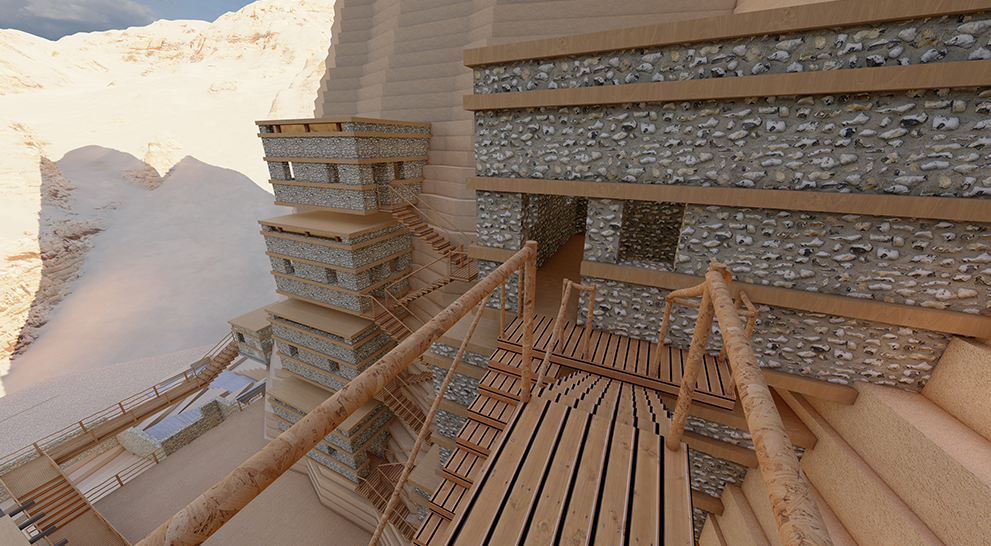
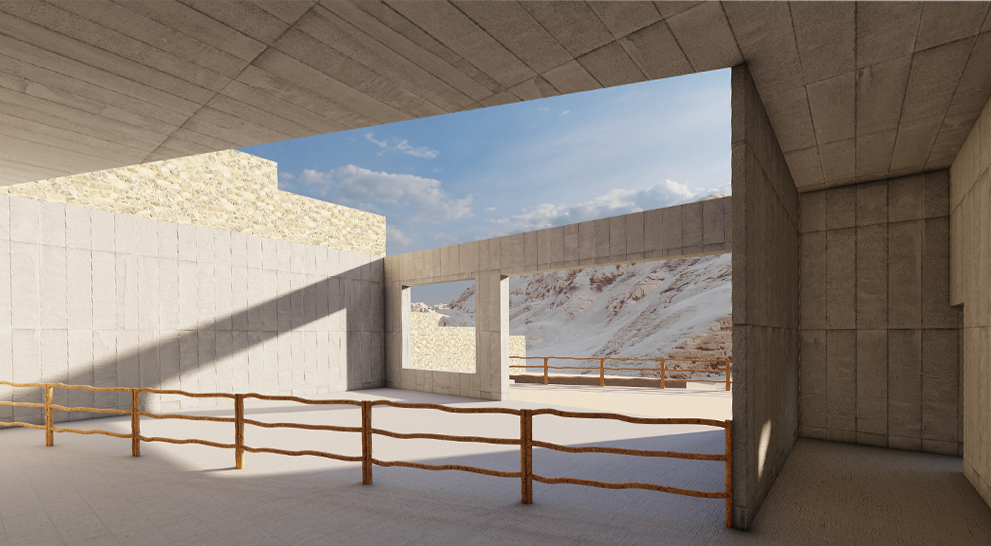
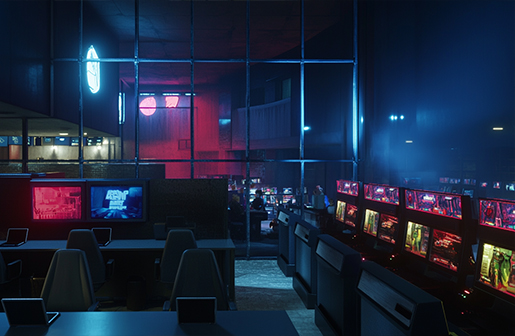
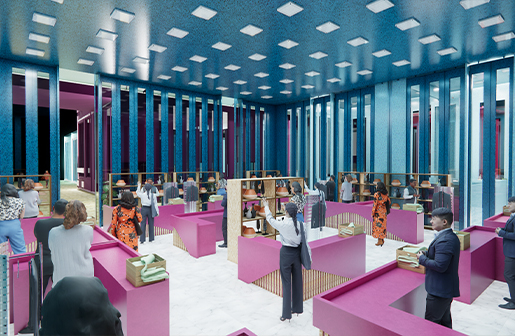
The detainee, or more accurately, the “dissenter”, isn’t thrown into solitary confinement. Instead, they are absorbed slowly. The project stages a journey that begins with a grand library hall. This space isn’t violent. Its seduction masked as generosity, filled with curated knowledge that offers the illusion of access while gently reframing the mind. Observation follows, not in locked rooms but in shared spaces, where one is never truly alone. Dialogue cells reorient speech, courtrooms reframe resistance as error, and the punishment isn’t brute force but redirection. Labor zones and emotional reintegration units come next, spaces that suggest reform while quietly eroding individuality. Even in communal areas, where warmth, routine, and social life exist, a deeper structure operates. Control hides under familiarity. By the time the detainee adapts, they are no longer resisting, they are functioning. Survival becomes tied to obedience, and the space makes that choice feel natural. This project doesn’t replicate traditional forms but draws from their spatial wisdom to build something sharper, not in form, but in intention. Hence, the built becomes both shelter and instrument.
Contact Designers || Portfolio
You Might Find These Interesting
 DESIGNED BY: Isha Nasir
Challenging the Permanence of Conventional Buildings
Adj. Peeru’s Cafe, Green Acres Housing Society, Raiwind Road, Lahore, Punjab