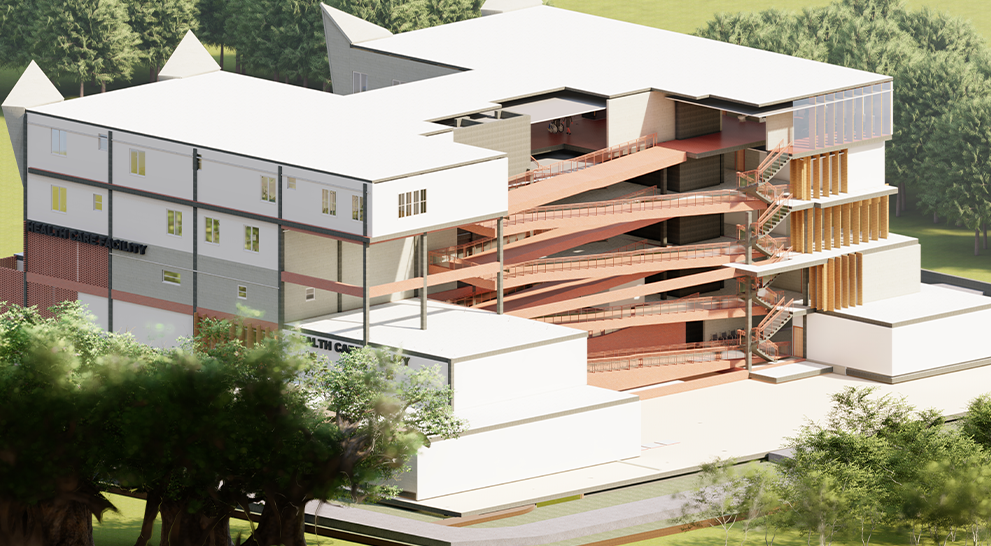
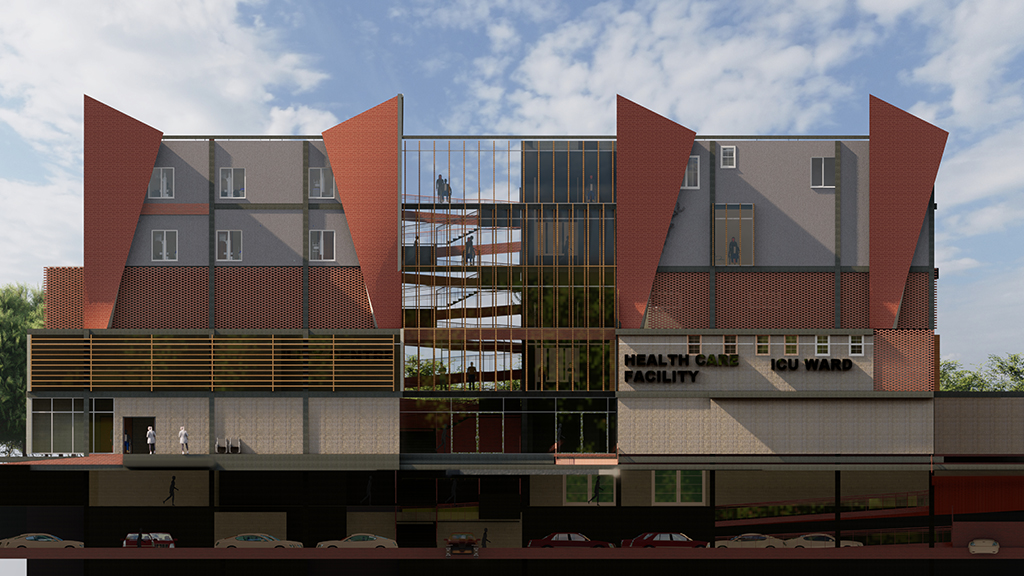
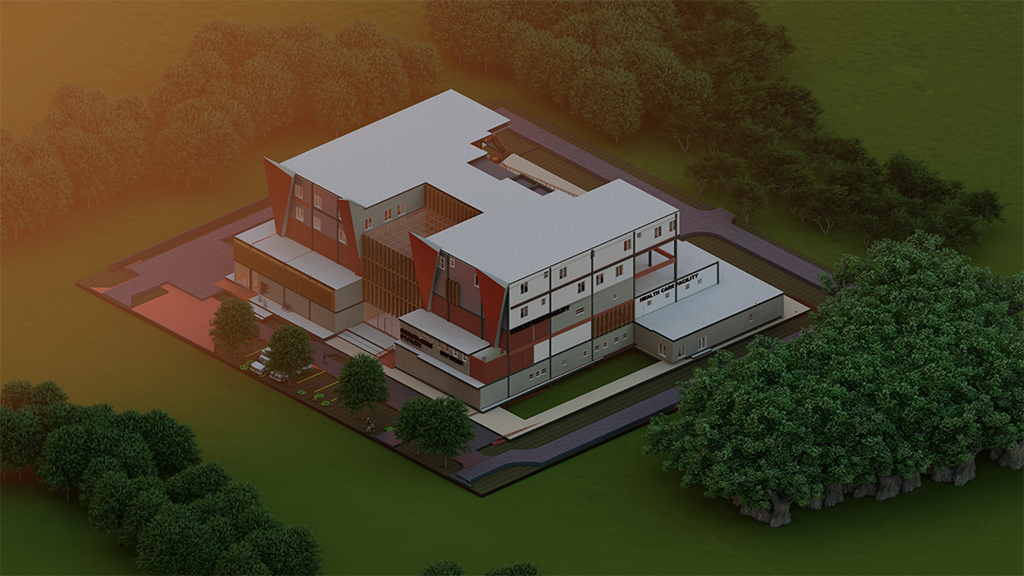
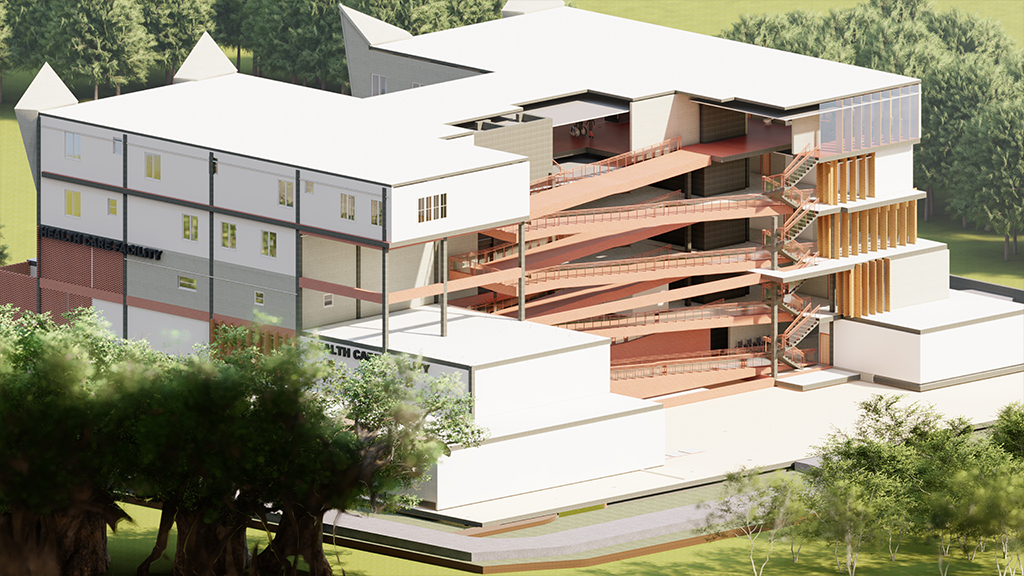
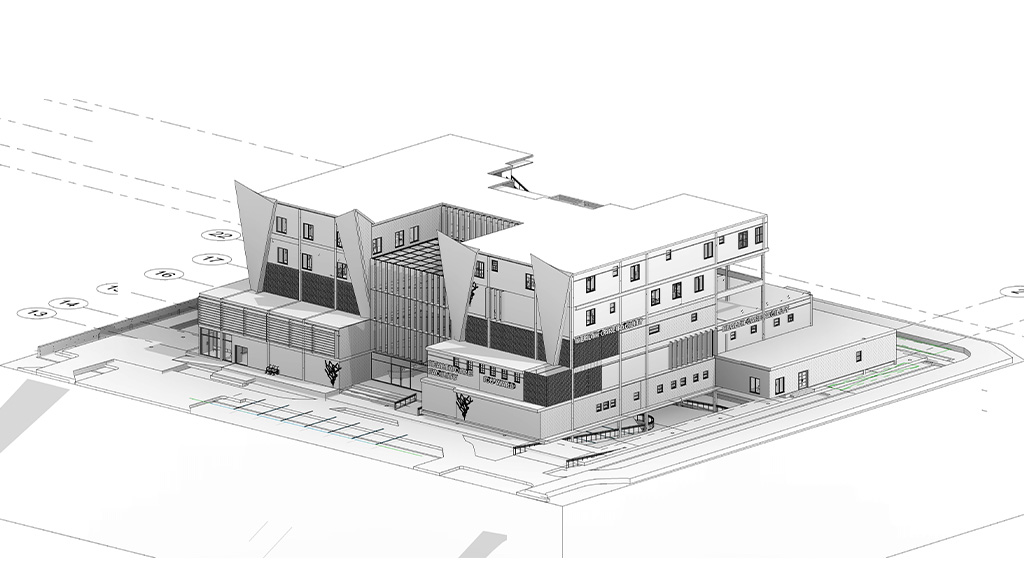
Community Health Design
A holistic community health framework that integrates operational efficiency, sustainability, and cultural sensitivity to build resilient, equitable, long-term healthcare systems.
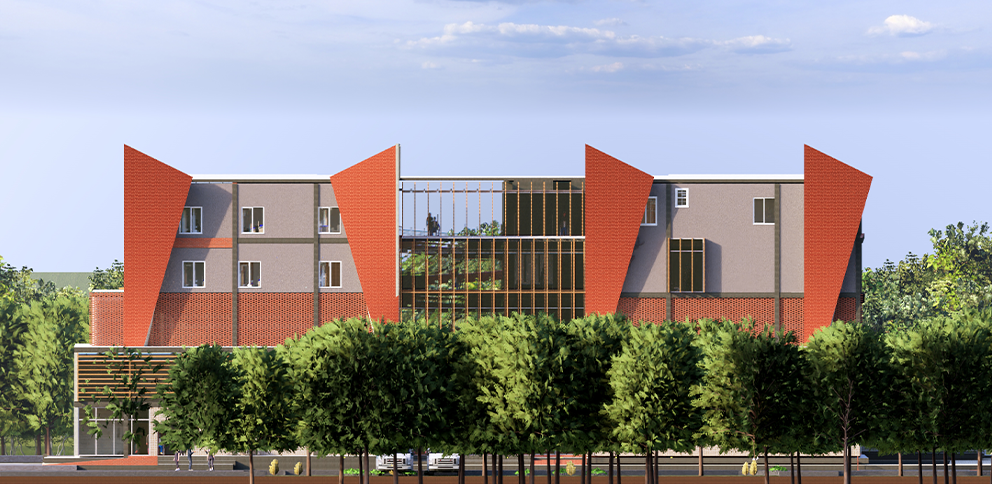
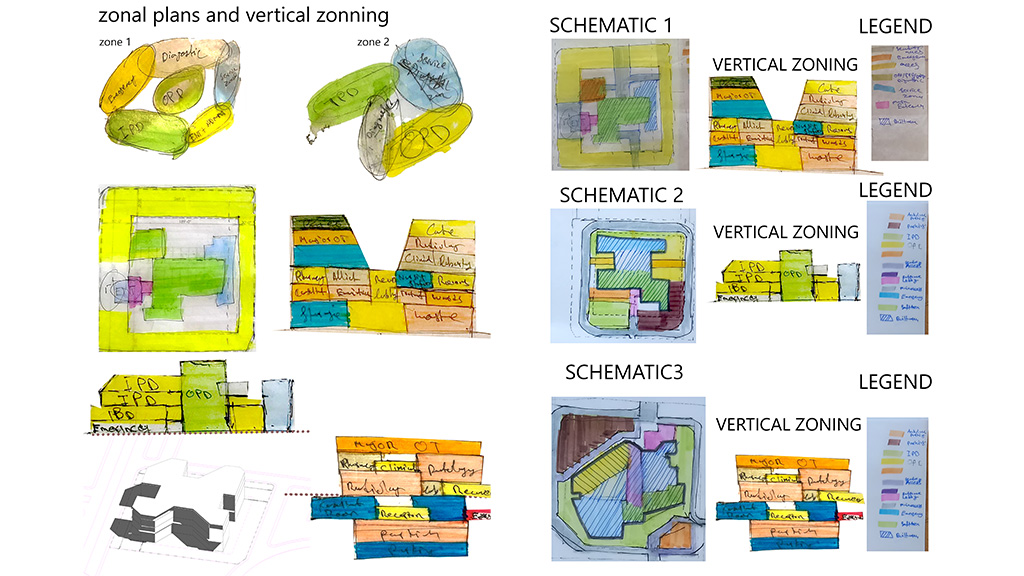
Operational efficiency forms the backbone of community health design, eliminating redundancies, reducing barriers, and maximizing resources for impactful care. Streamlined processes like simplified patient pathways, digital health records, and coordinated referrals minimize delays and frustrations. Technology strengthens this efficiency: data analytics identify gaps and predict health trends, while telemedicine extends care to underserved populations. Partnerships with local organizations further ensure resources are shared rather than duplicated. Alongside efficiency, sustainability secures long-term viability. Beyond environmental stewardship, it includes financial stability, social responsibility, and adaptability. Energy-efficient infrastructure, waste reduction, and green spaces strengthen environmental health. Social sustainability thrives through community engagement, creating ownership and participation. Financial stability is built on planning, capacity building, and diversified funding, reducing reliance on short-term aid and ensuring continuity.
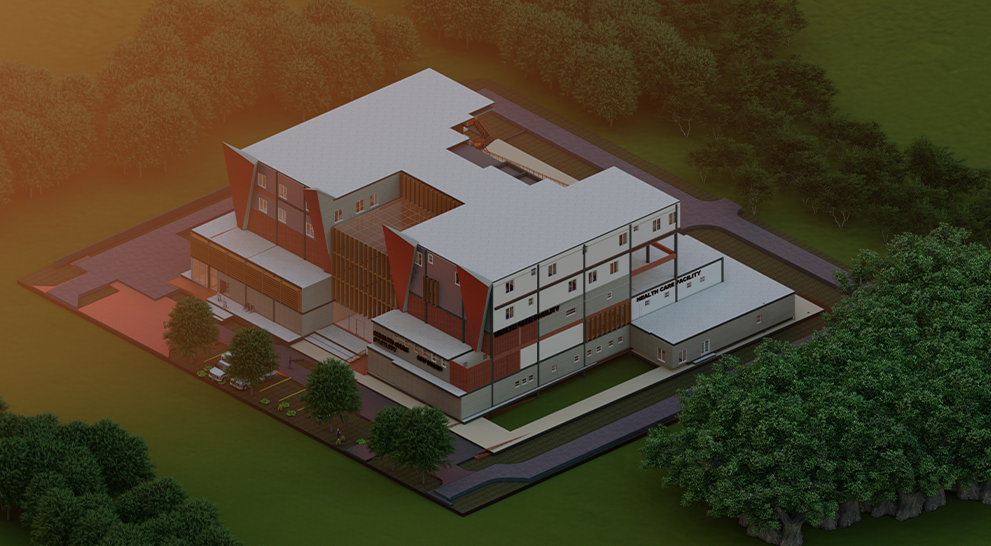
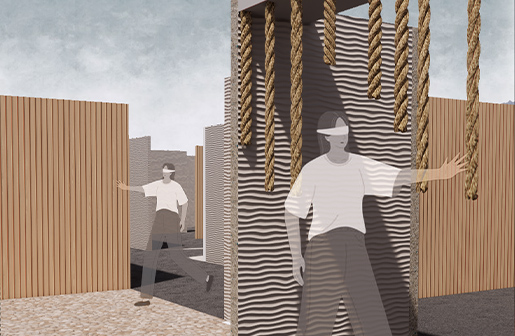
Equally critical is cultural sensitivity, as healthcare must resonate with the beliefs, traditions, and norms shaping community life. Tailoring programs to local practices—whether dietary customs, healing traditions, or family structures—fosters acceptance and effectiveness. Training providers in cultural competence builds trust and empathy, reinforcing dignity and inclusivity in healthcare delivery. When efficiency, sustainability, and cultural sensitivity converge, the result is a resilient framework for care. Communities gain improved access, preventive and curative outcomes, and enduring systems able to adapt to change. Most importantly, equity is advanced by addressing diverse needs and fostering inclusivity. Community health design thus becomes more than an administrative model; it is a living system that embeds resilience, trust, and equity. By shaping environments of care that adapt and endure, it ensures well-being is not only achieved but preserved as a lasting societal value.