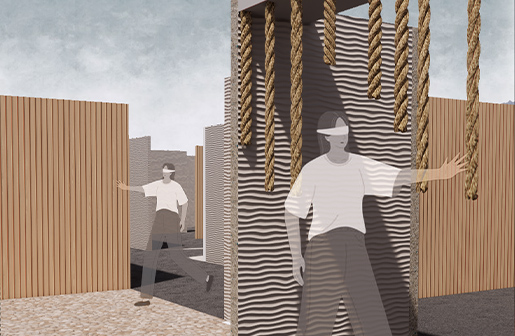
Healthcare Facility
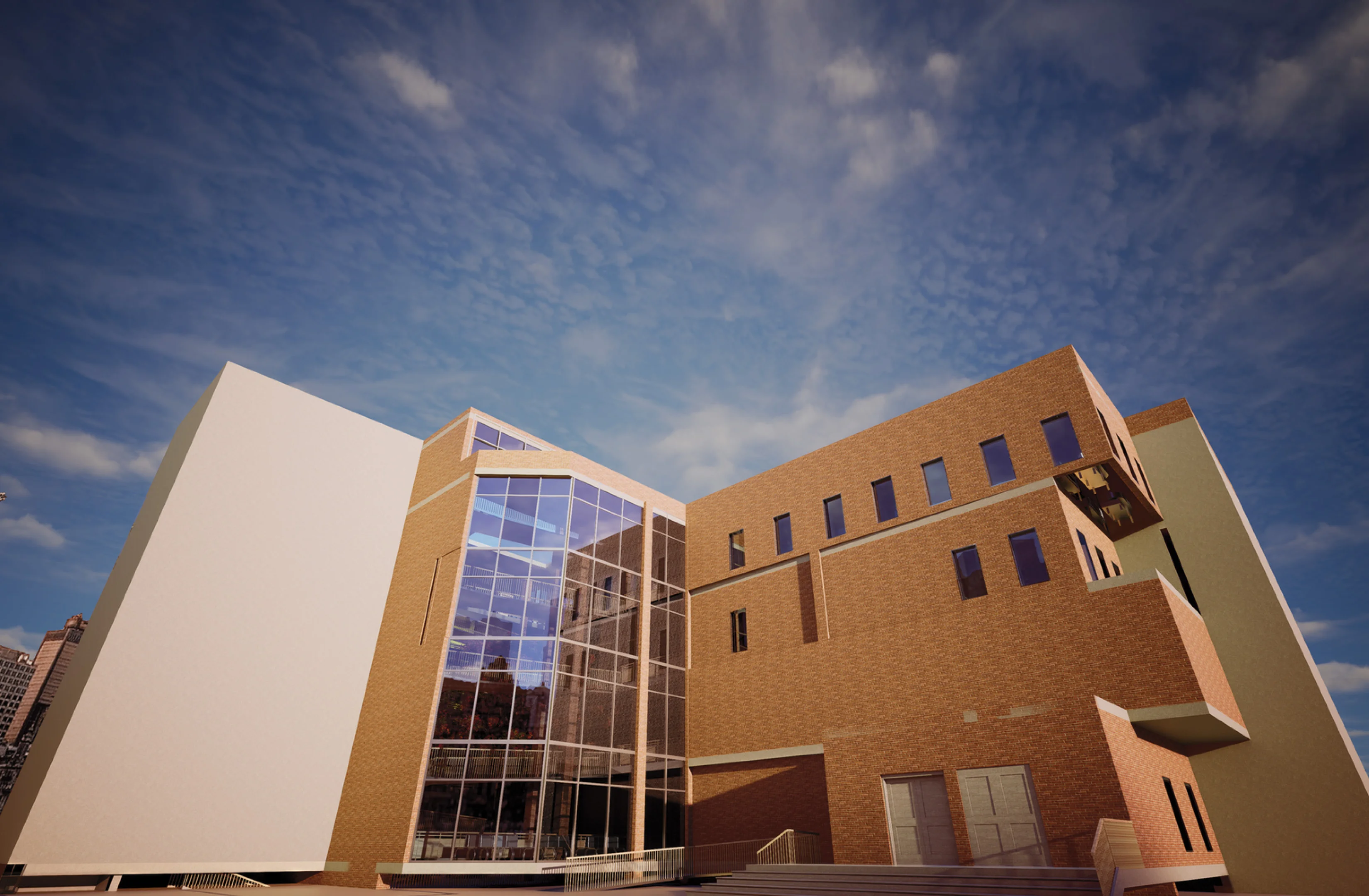
The Healthcare Facility in D-12 Markaz, Islamabad, balances functionality, patient comfort, and environmental responsiveness, creating a healing environment through thoughtful design and zoning.
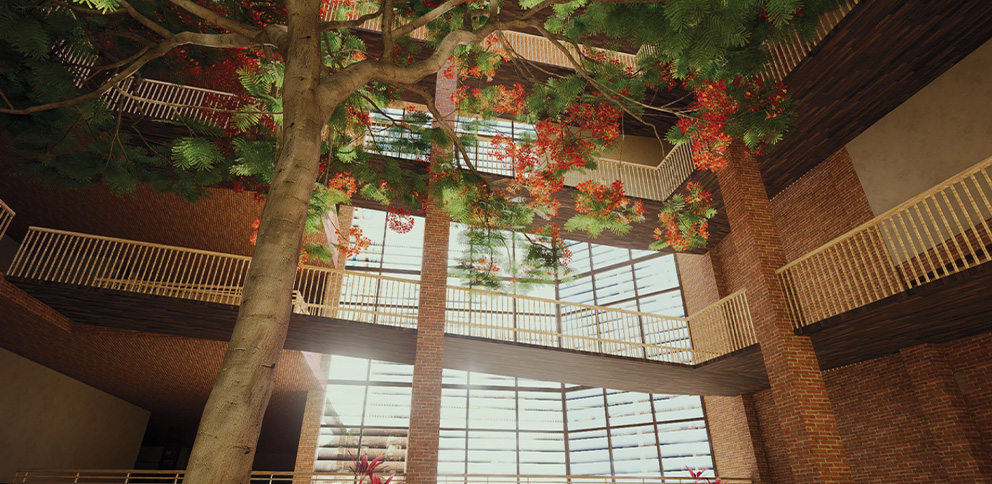
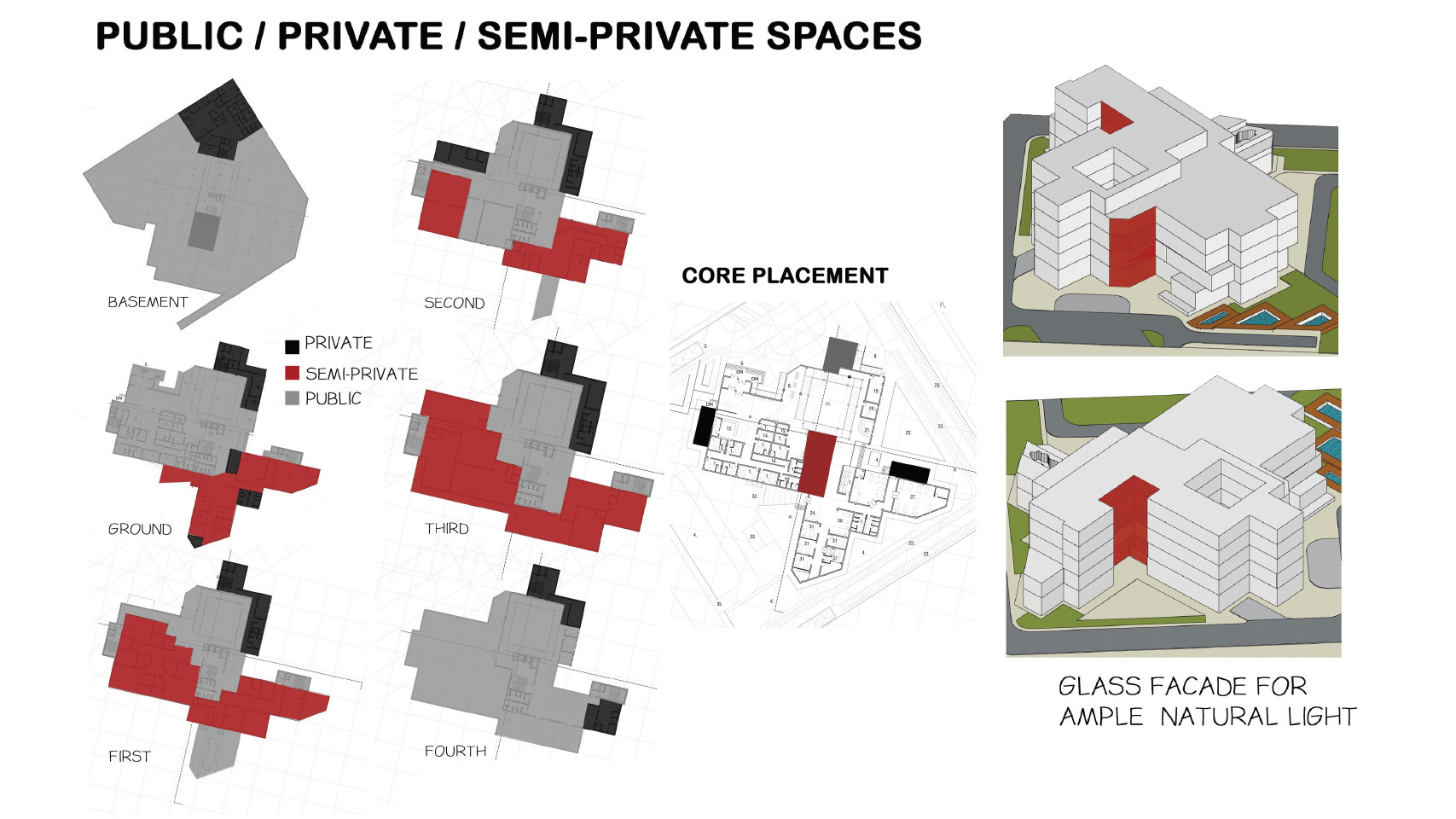
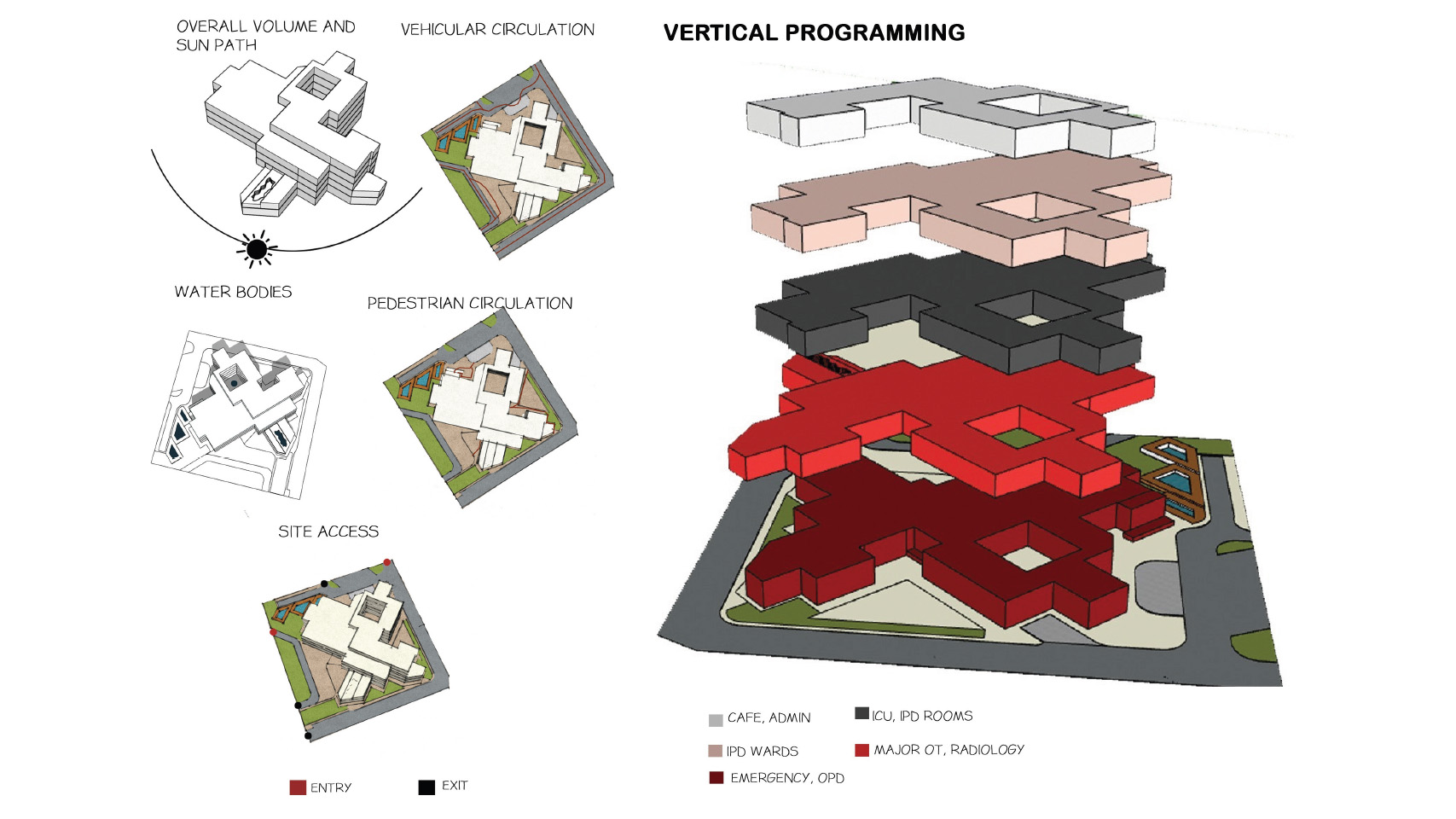
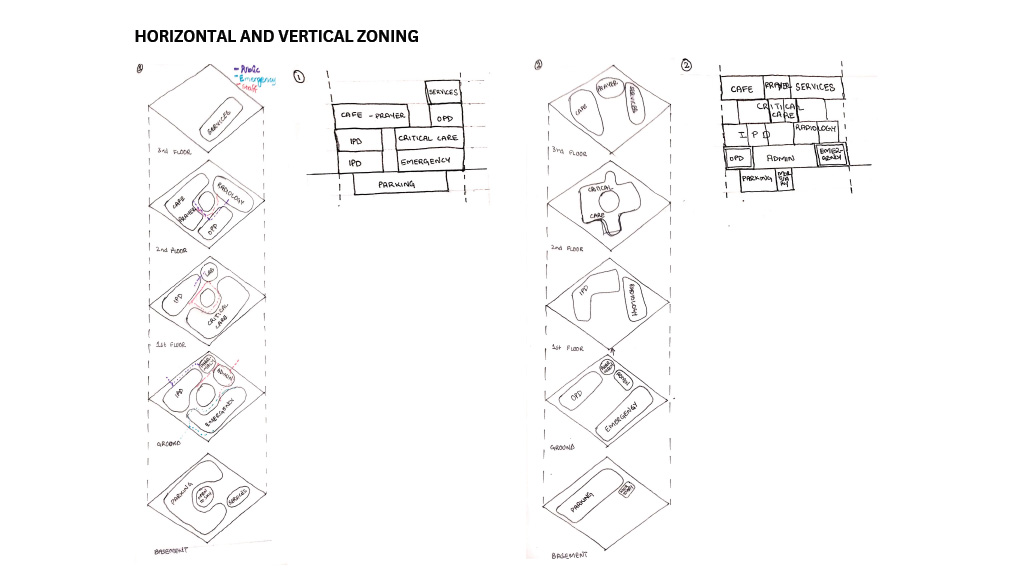
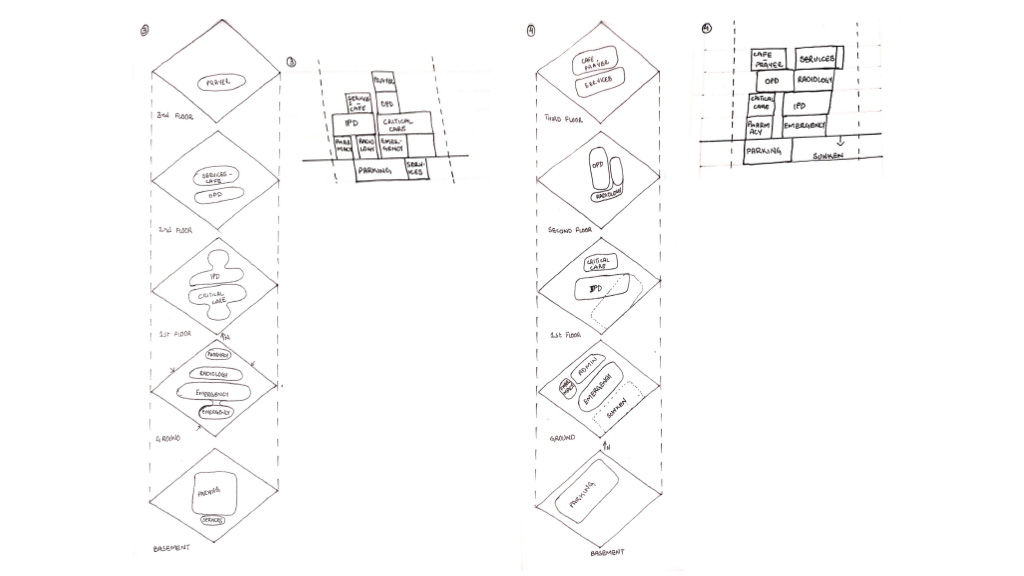
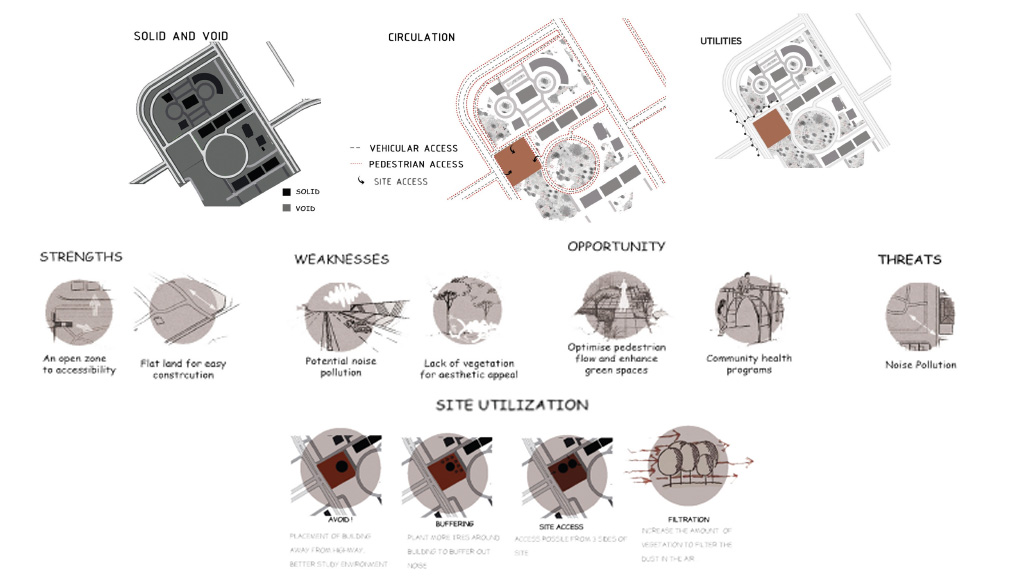
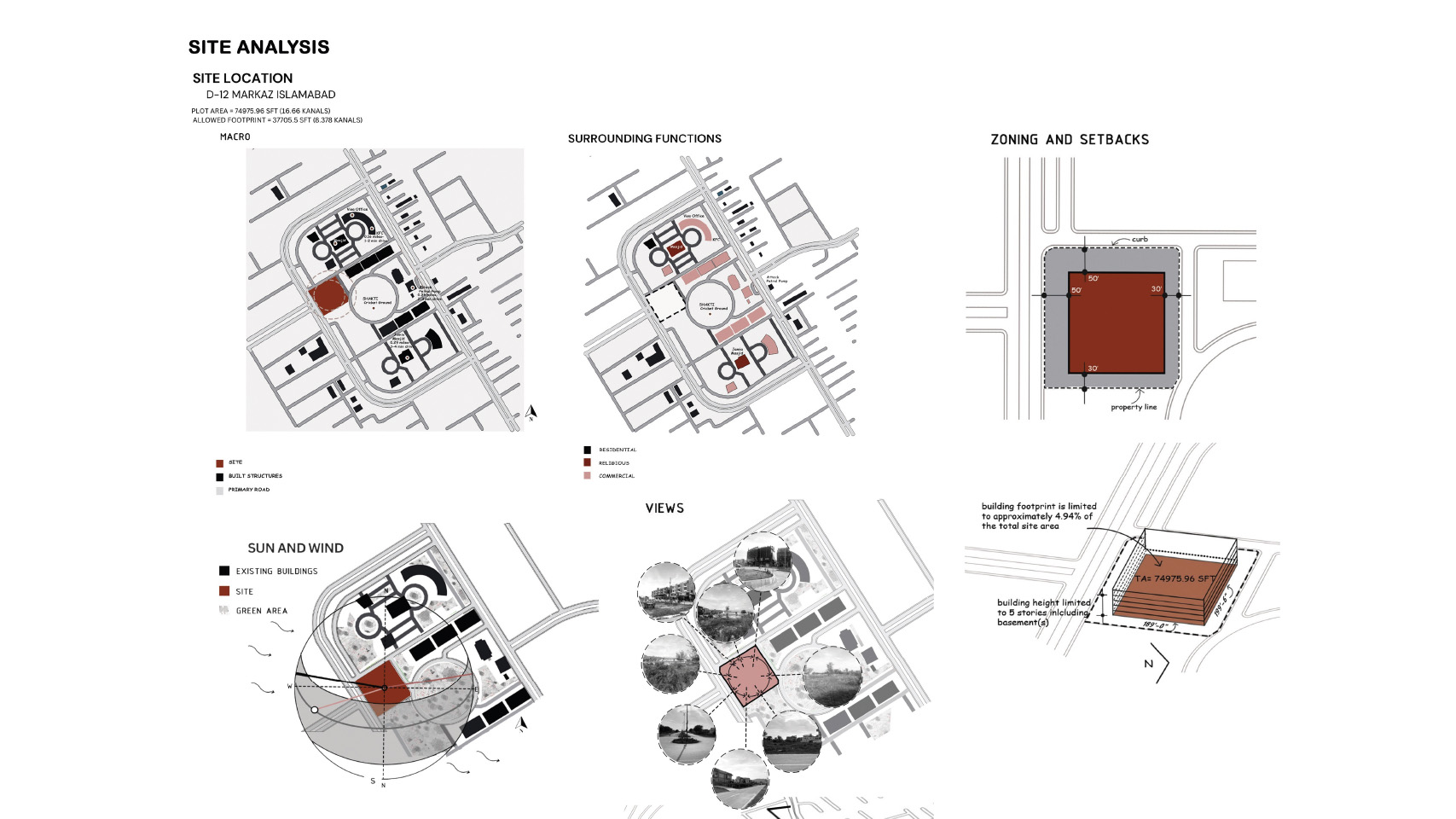
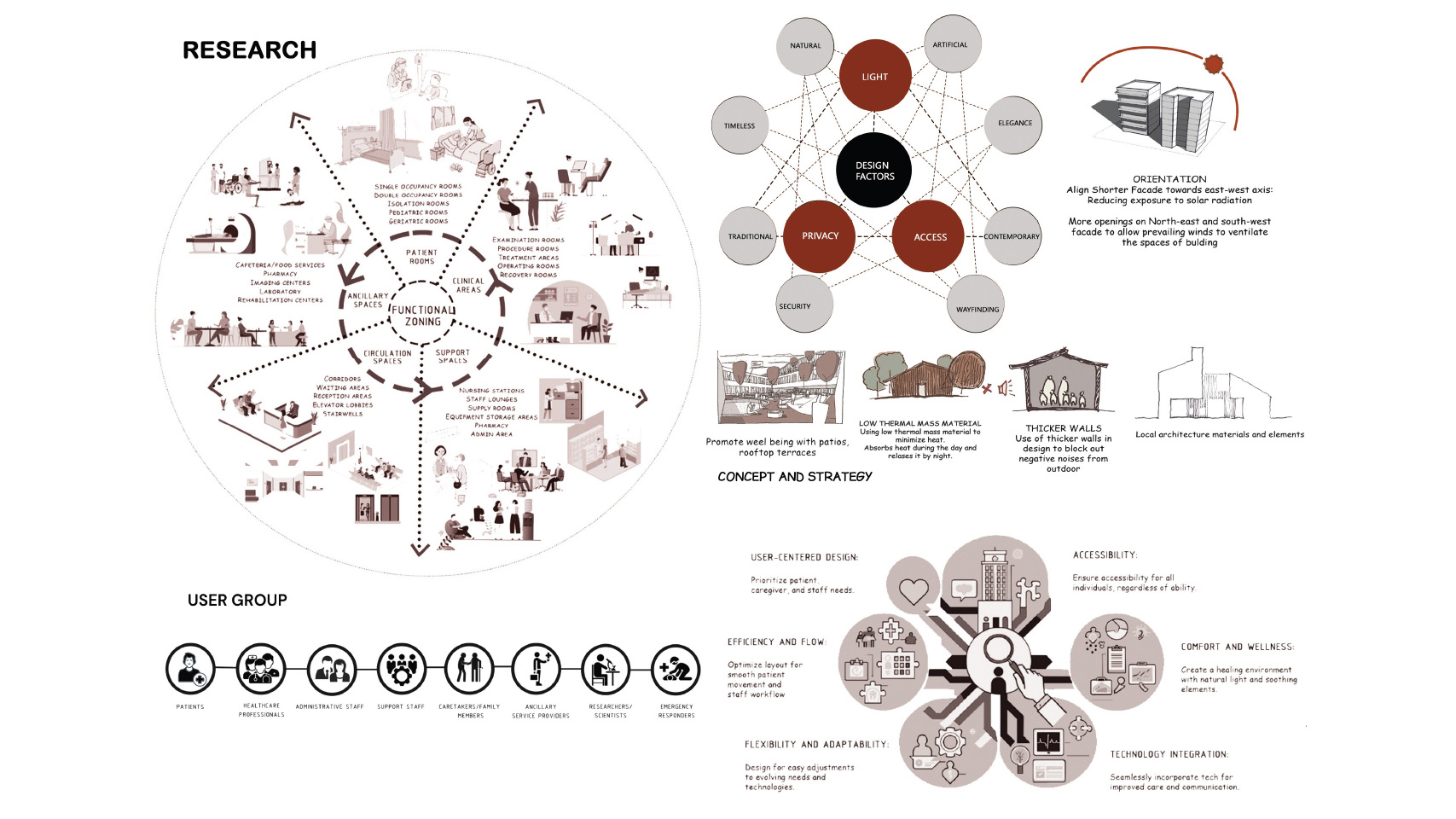



The design of the Healthcare Facility in D-12 Markaz, Islamabad, began with a rigorous process of research and site analysis. International standards for healthcare spaces were studied to ensure both functional efficiency and patient-centered care. Detailed site analysis included sun and wind studies, circulation mapping, and utilization strategies. Programming was the next crucial step, where hospital areas and their interrelationships were defined based on user requirements and global benchmarks. This was followed by horizontal and vertical zoning strategies. Public, semi-public, and private areas were distinctly separated to ensure smooth circulation and operational efficiency. High-footfall functions such as OPDs, emergency, diagnostic areas, and reception were located on the lower levels, while specialized wards, administrative offices, and controlled zones were positioned on upper floors for greater privacy. The basement was dedicated to services, kitchens, and parking. Vertical circulation cores connected these zones seamlessly, optimizing movement for patients, visitors, and staff while minimizing disruption.
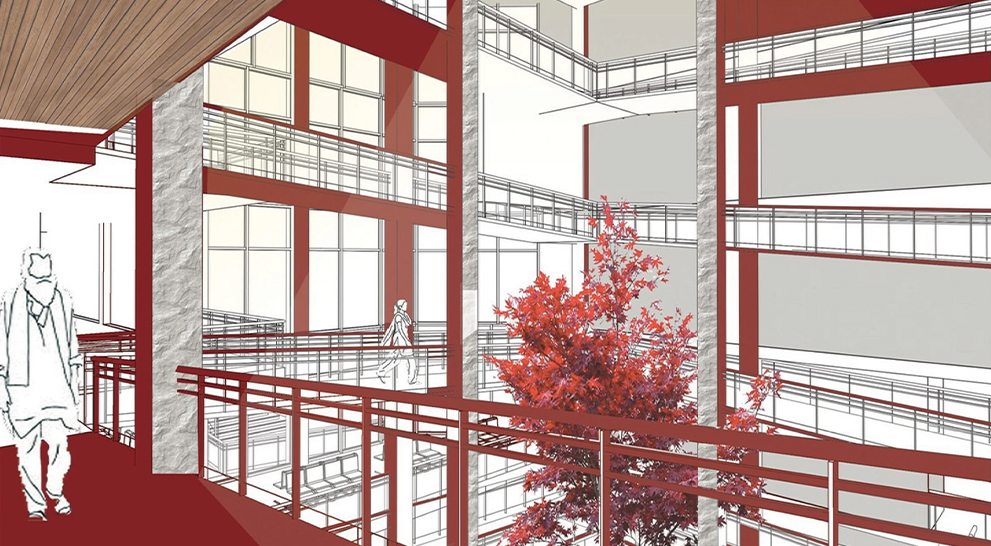
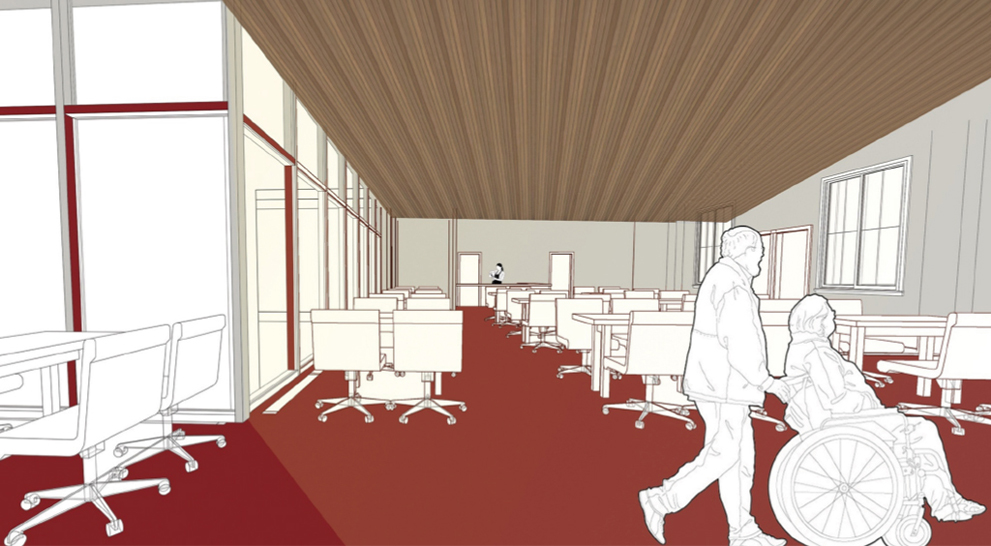
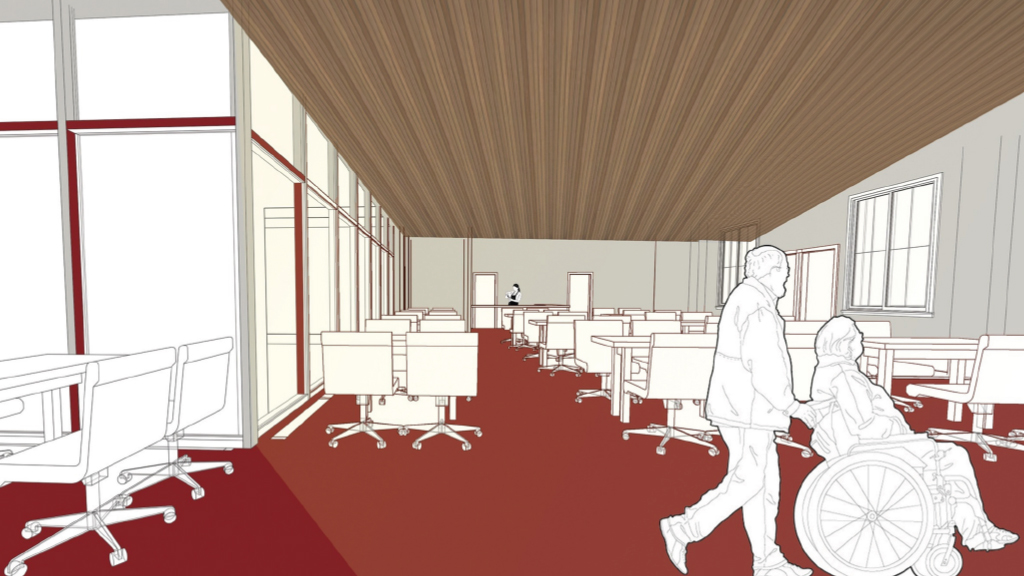
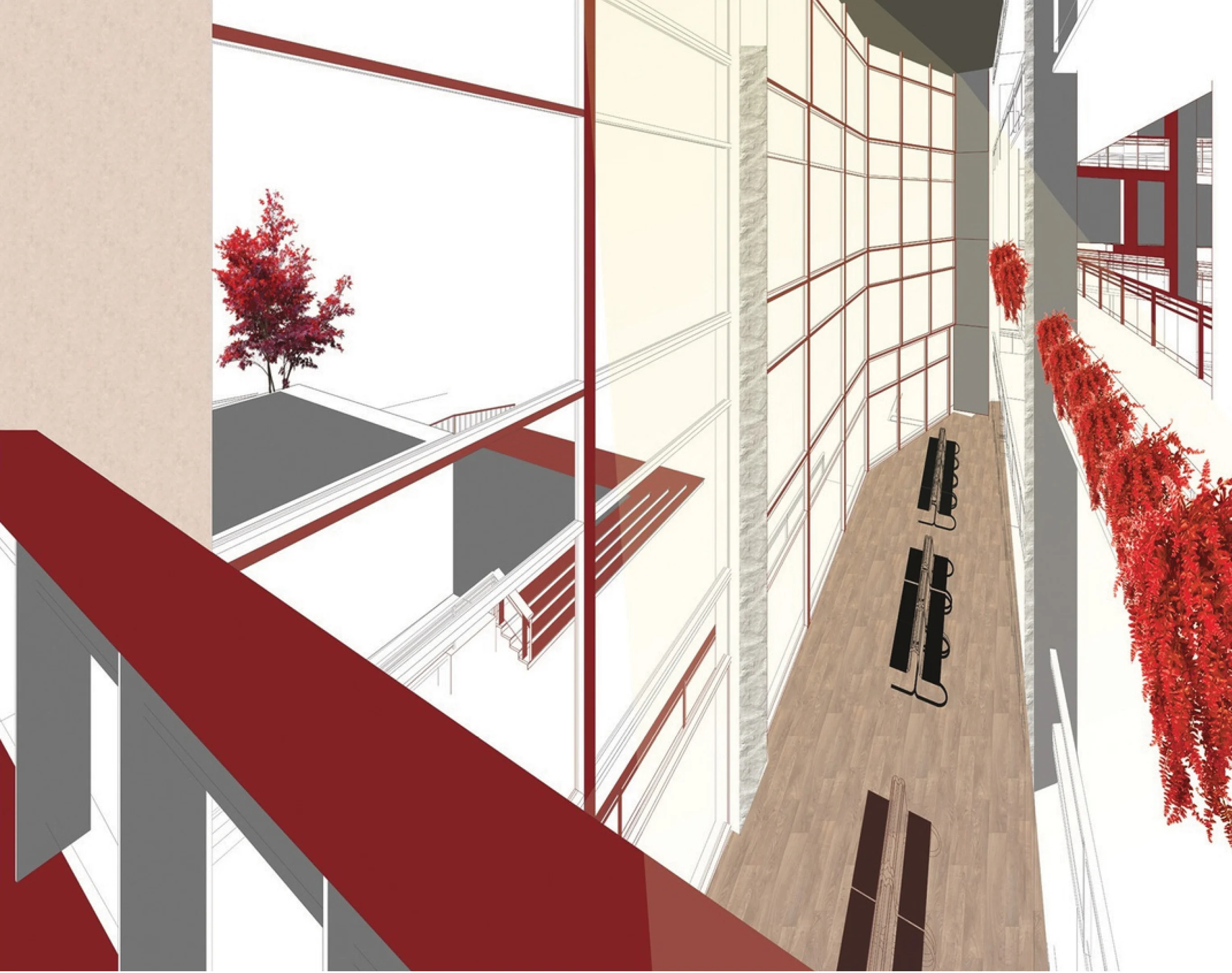
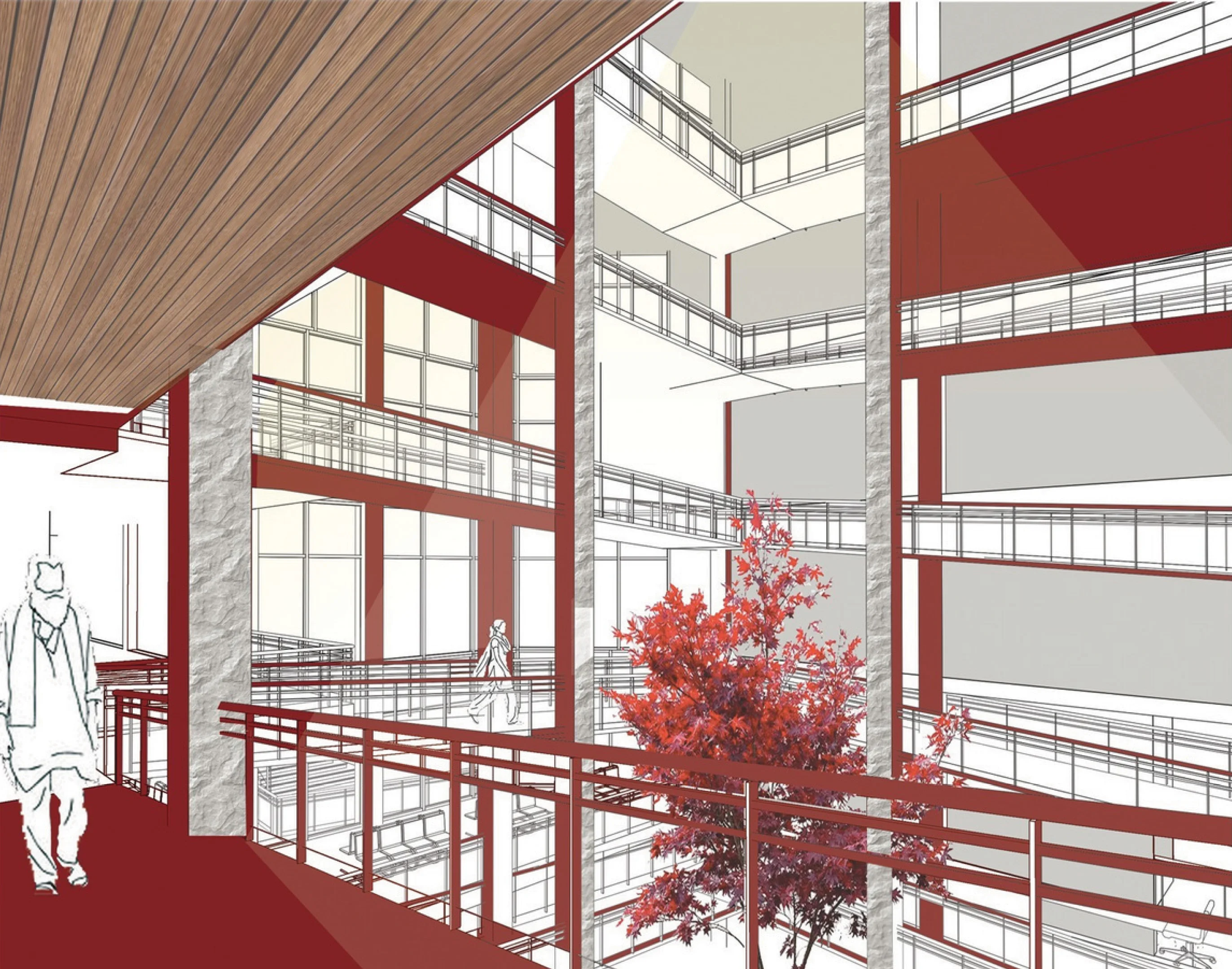
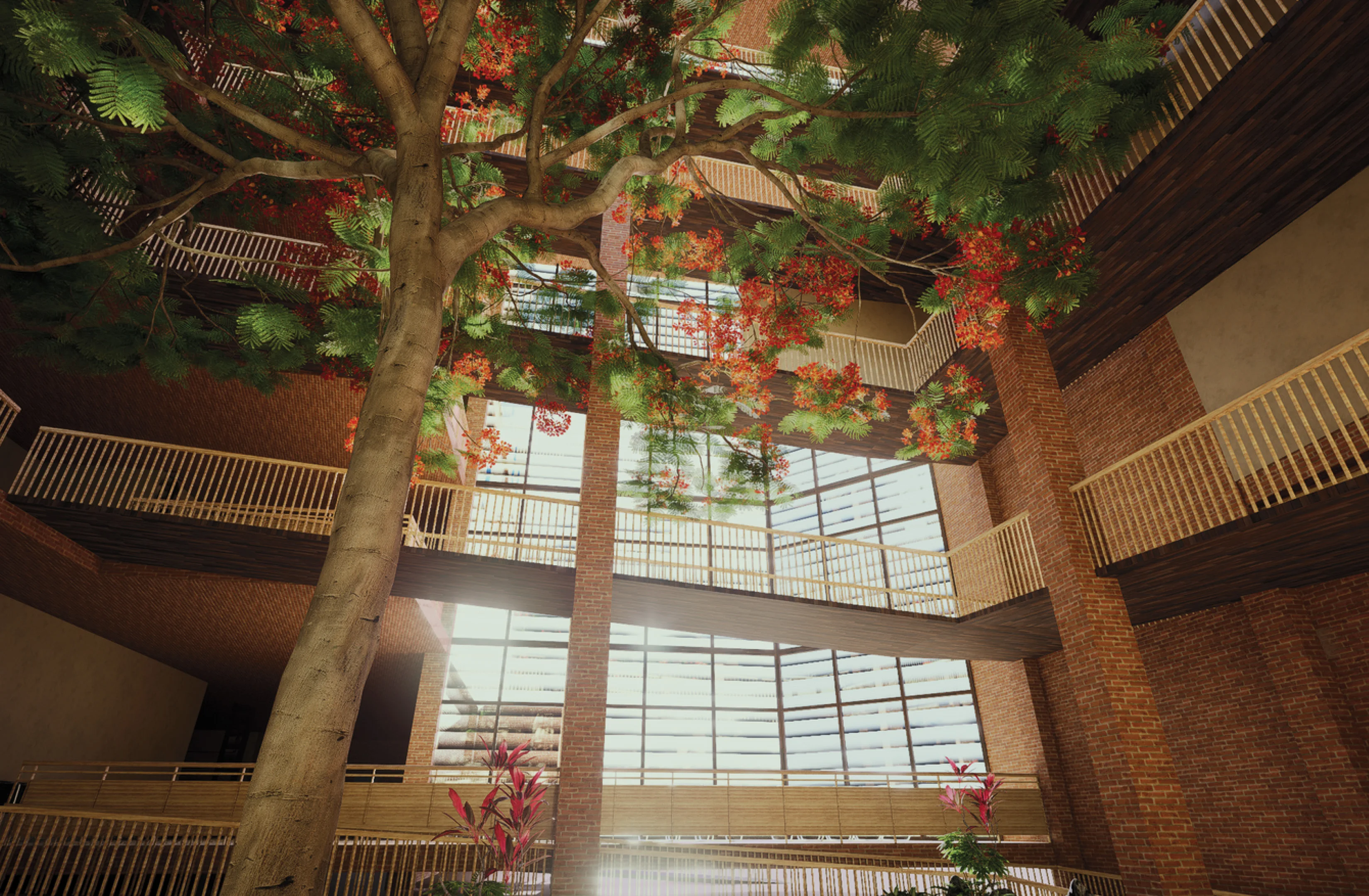
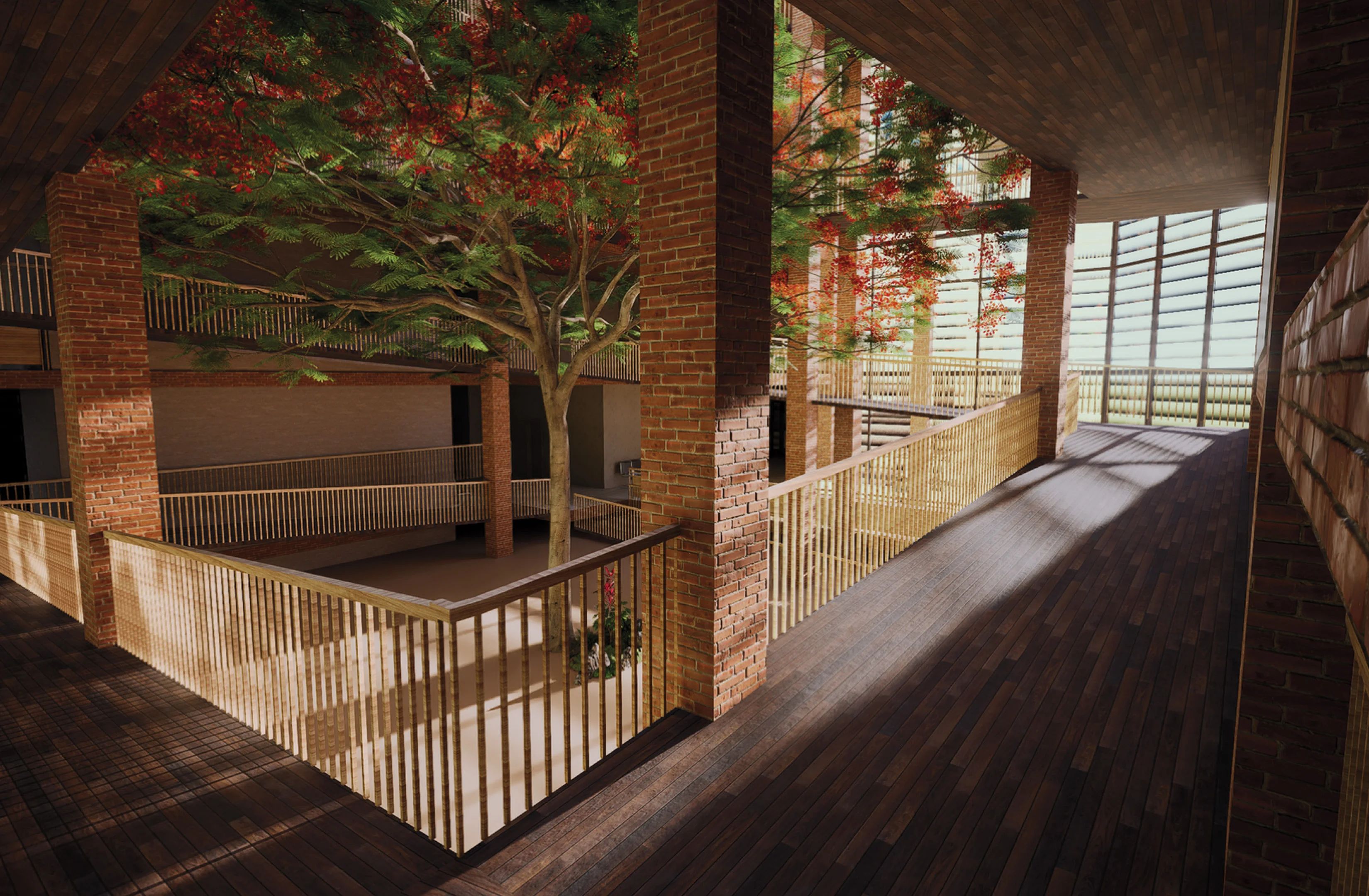
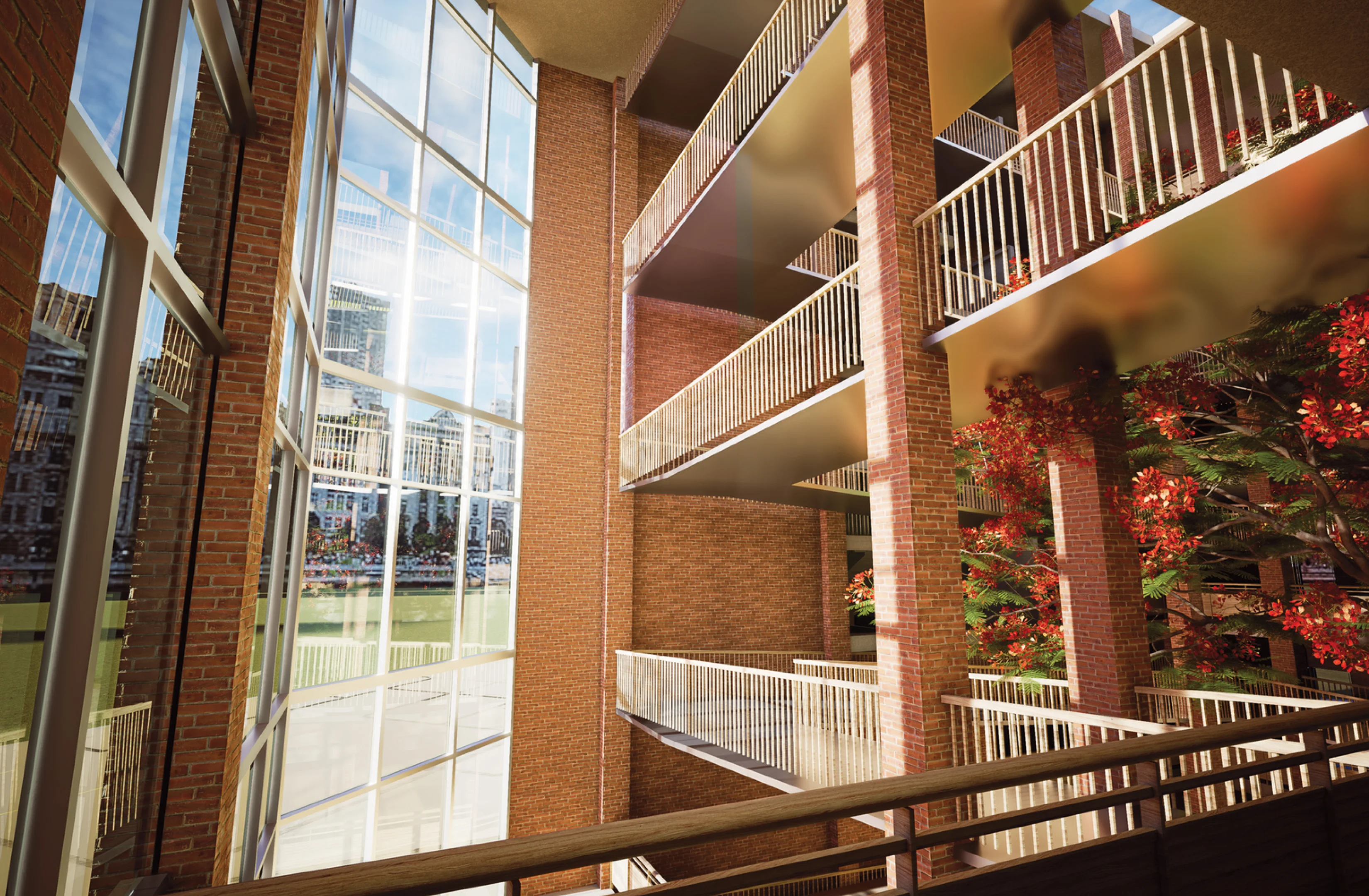
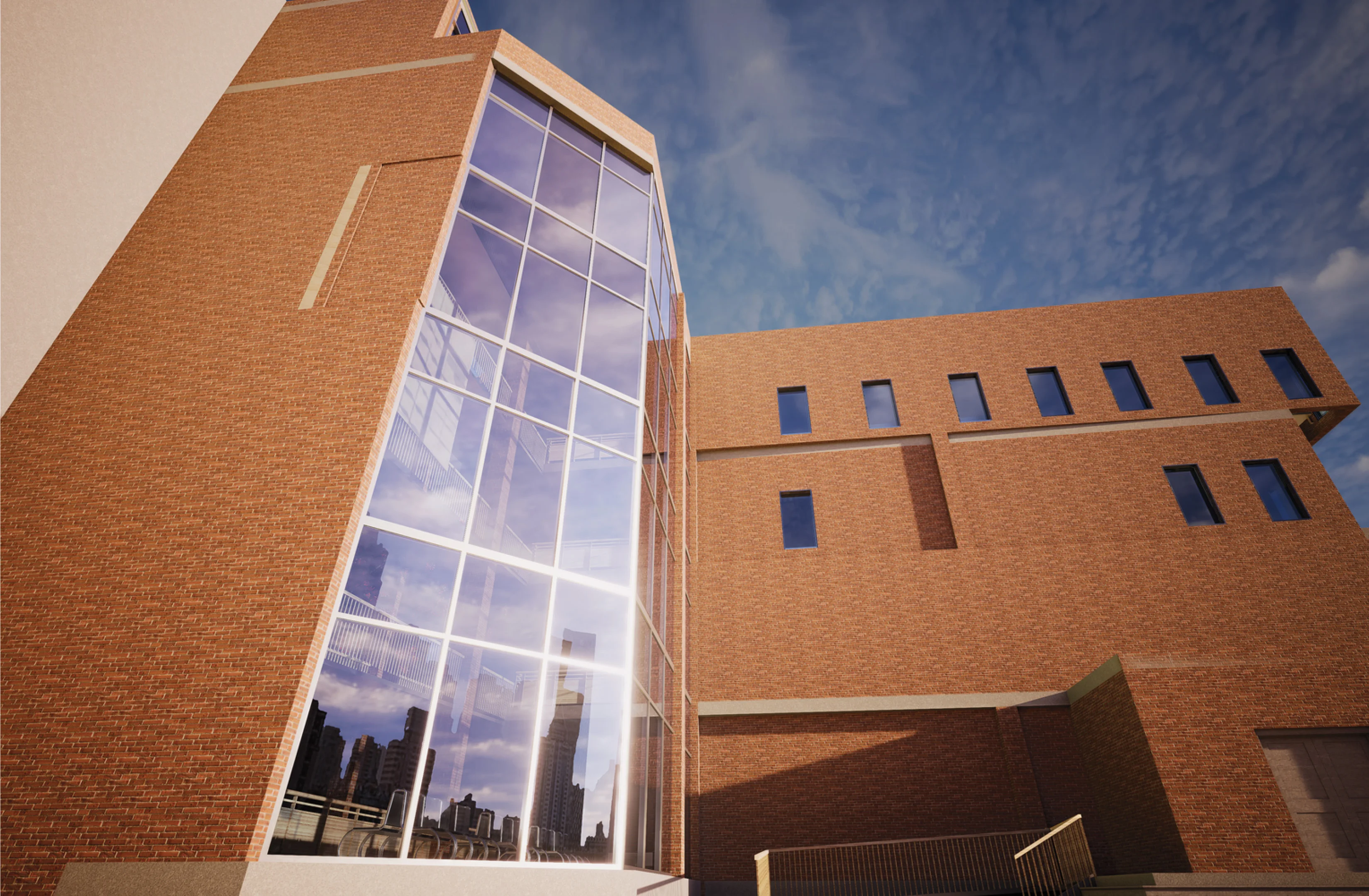
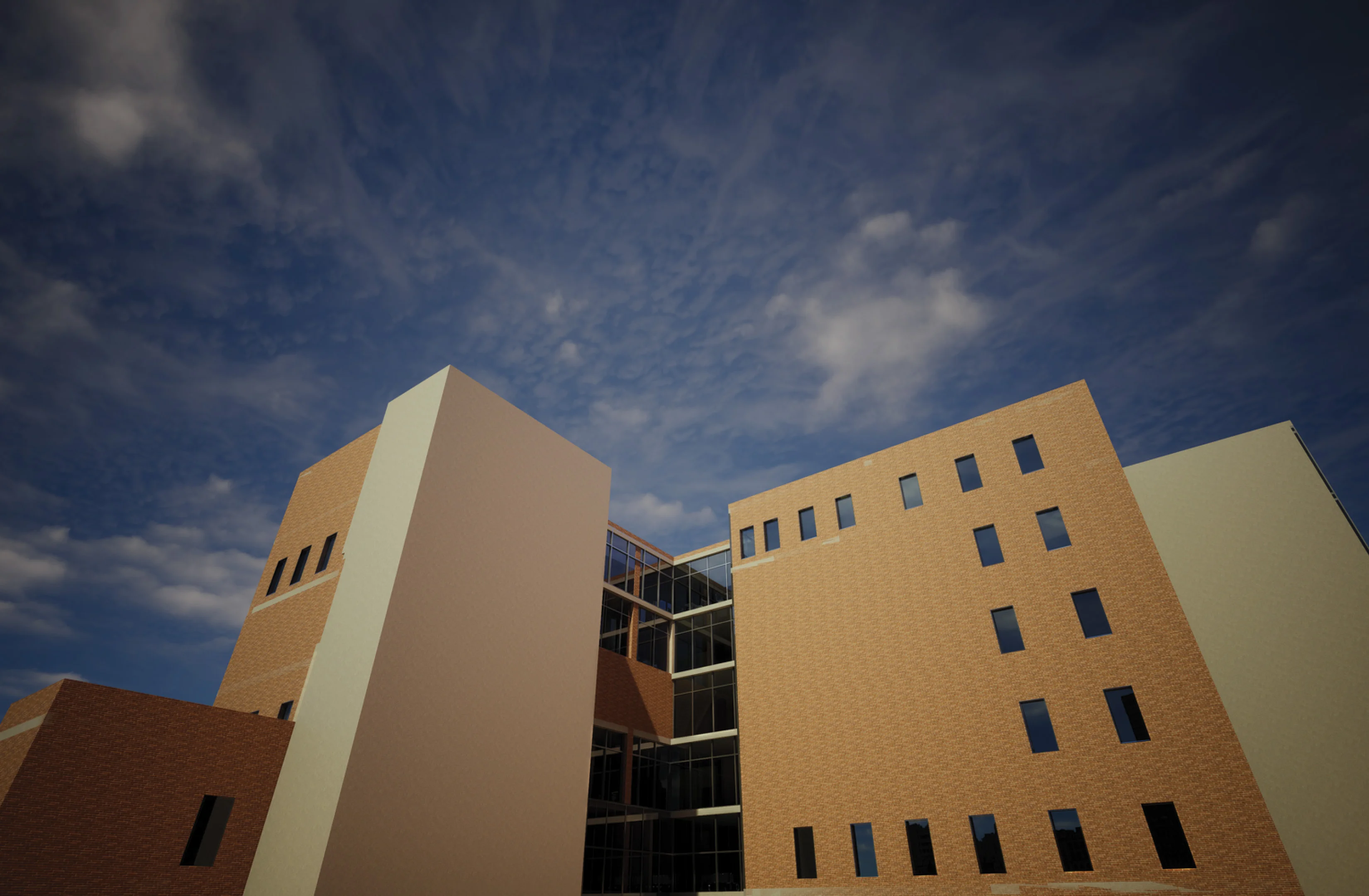
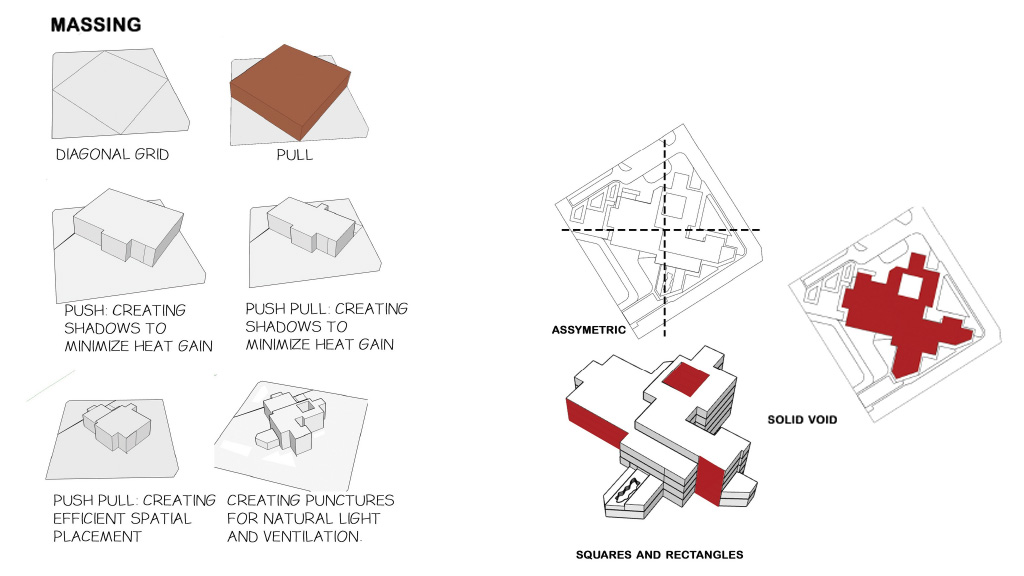
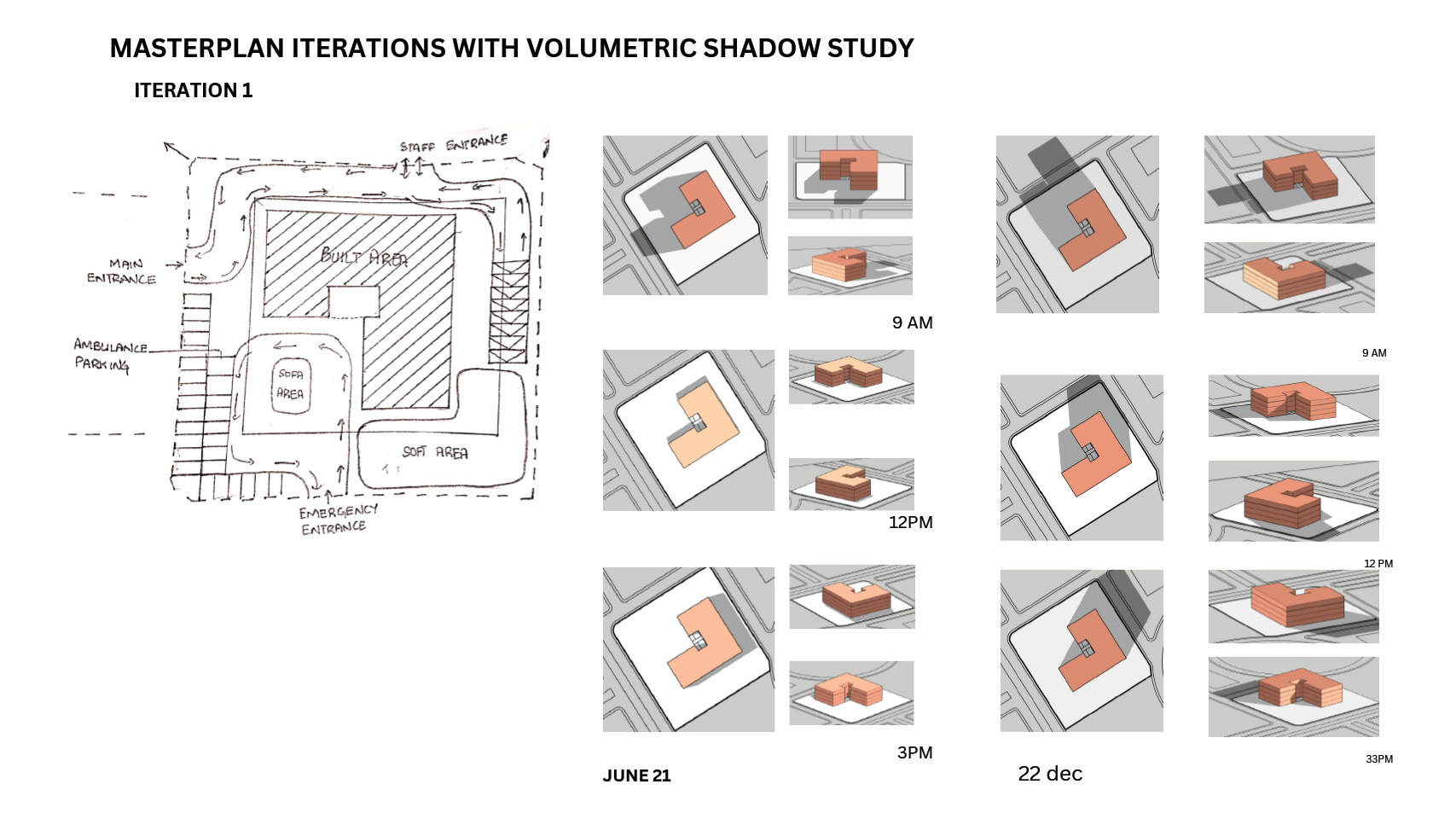
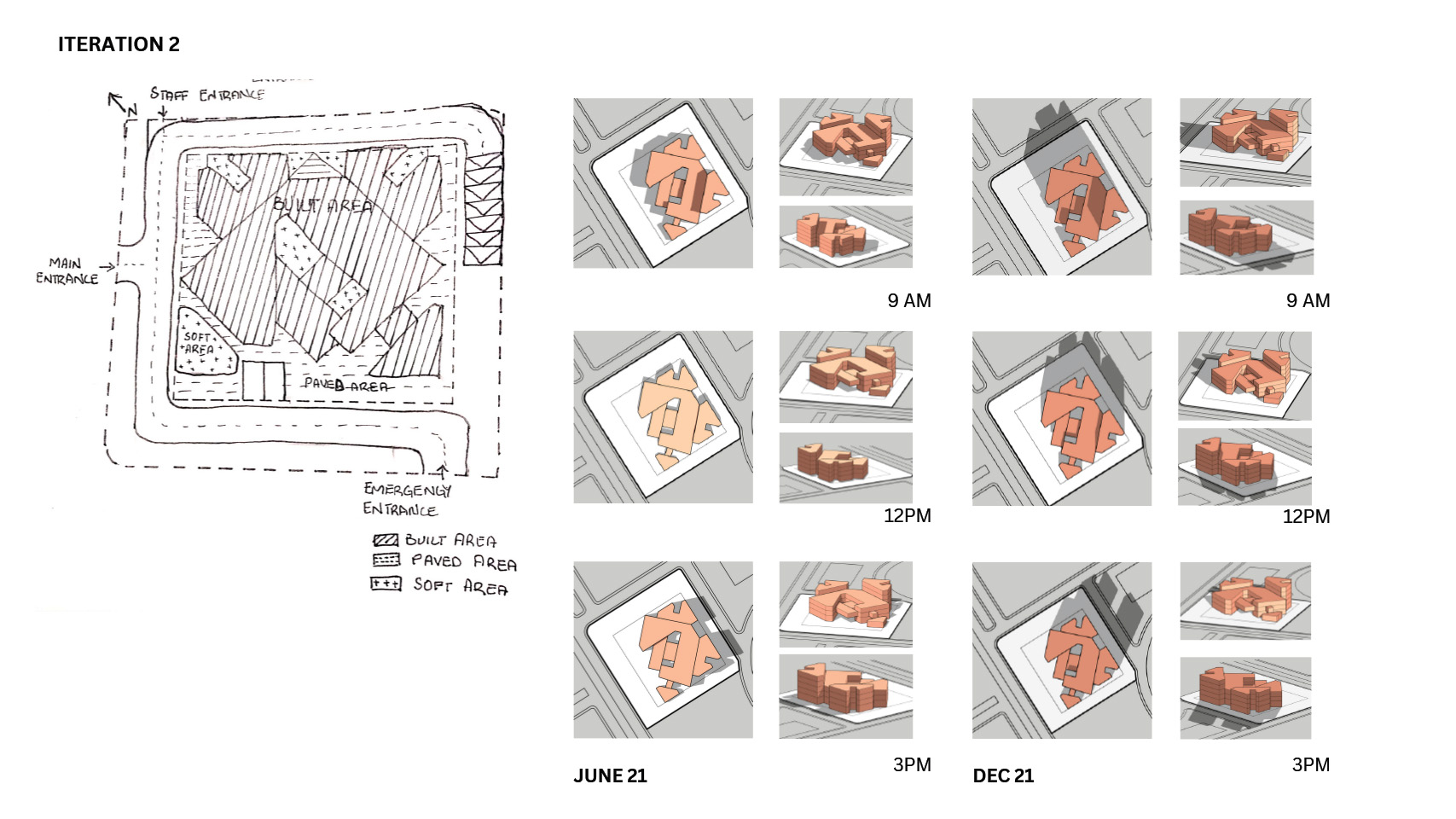
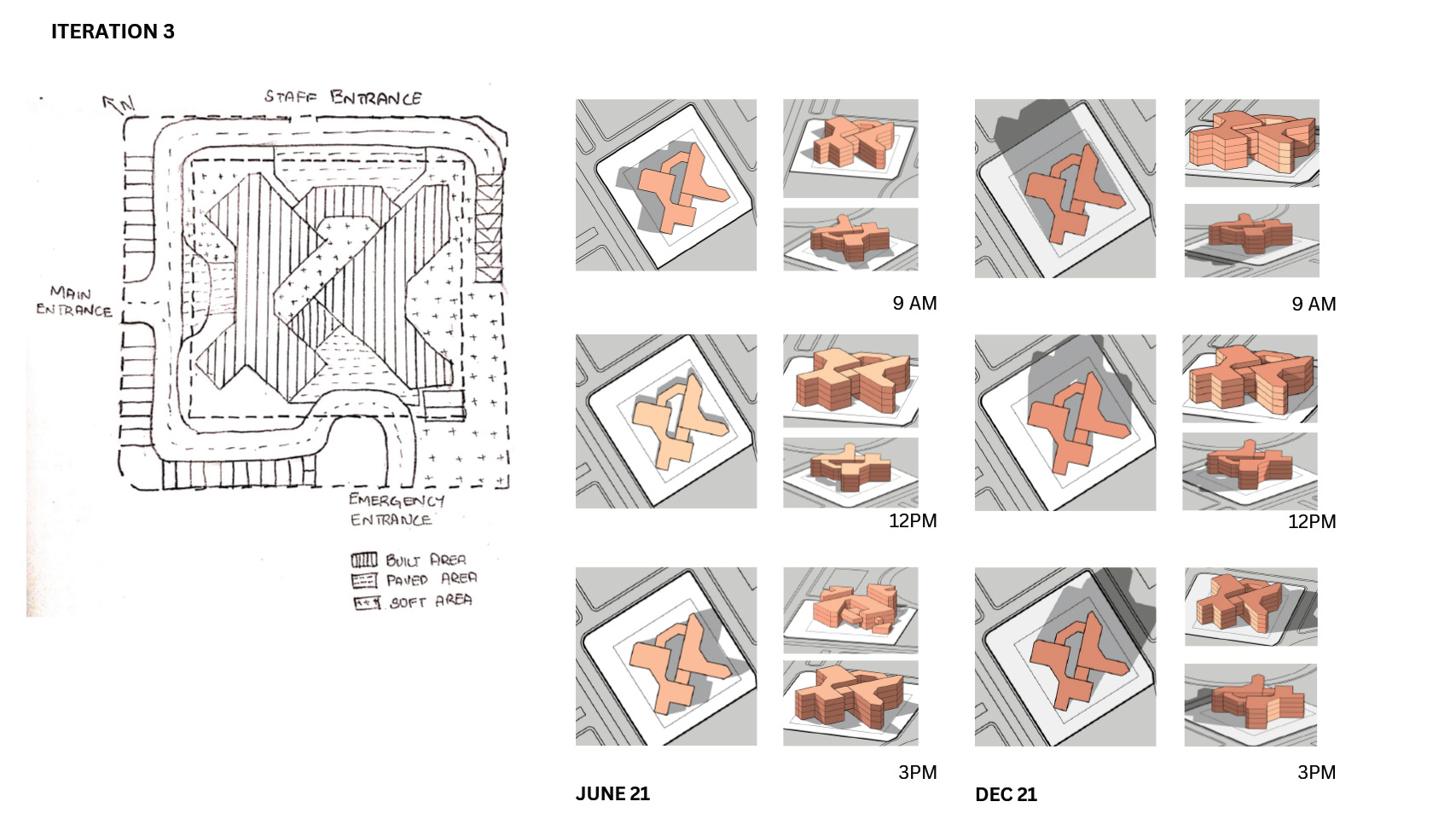

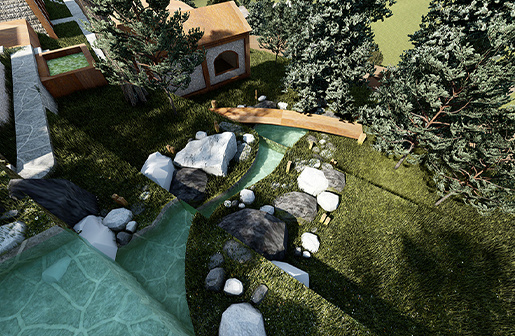
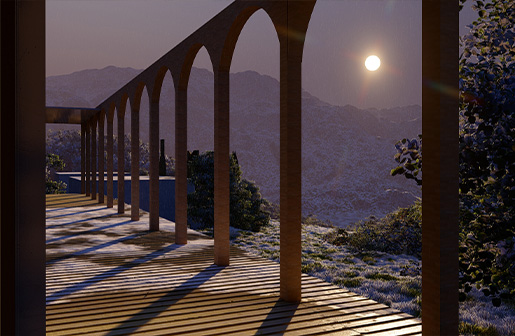
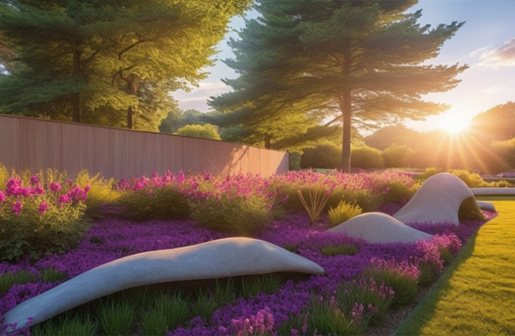
Form development was achieved through iterative volumetric explorations tested against environmental data. Shadow studies conducted for 21st June and 21st December informed massing strategies that optimized natural light while minimizing glare and heat gain. Iteration 1 focused on compact land utilization; Iteration 2 introduced staggered volumes to improve ventilation and daylighting; Iteration 3 refined the concept with landscaped courtyards and open healing gardens. The final massing allowed daylight penetration into waiting areas, corridors, and patient rooms, fostering a healthier environment. Courtyards and shaded balconies provided natural relief, offering patients and staff access to outdoor greenery. These elements were not just aesthetic but therapeutic, contributing to mental health and recovery rates. The result was an environmentally responsive structure that seamlessly blended with its context while serving as a functional healthcare hub. The design demonstrated how architecture can elevate patient care by harmonizing efficiency with the principles of wellness and sustainability.
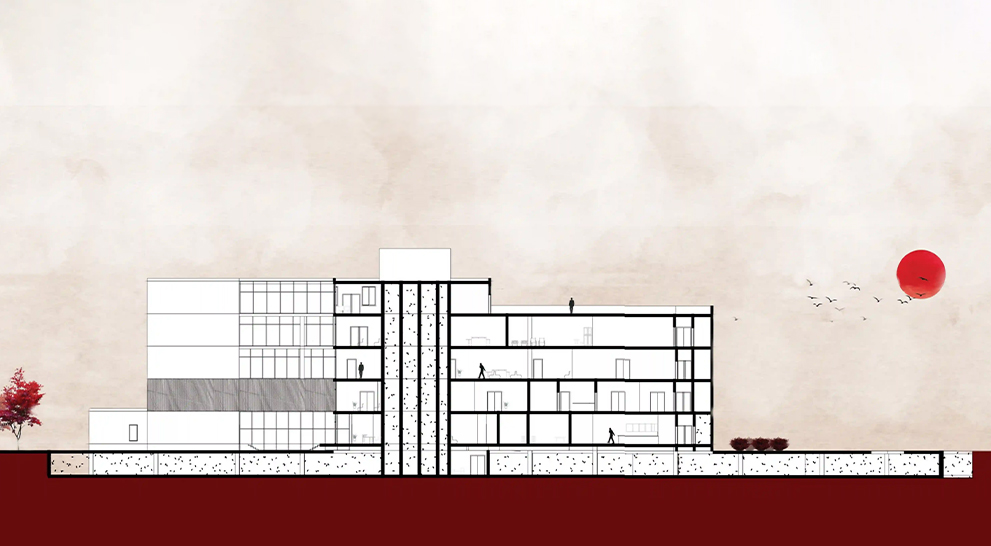
The spatial planning of the facility emphasized intuitive wayfinding, clear sightlines, and logical sequencing of spaces. Emergency and outpatient services were positioned for rapid accessibility, while quieter inpatient wards were elevated to reduce noise and ensure patient privacy. Service corridors and vertical shafts supported uninterrupted staff and equipment circulation, separating medical logistics from patient areas. Central to the ethos of the facility was its healing environment—natural light, ventilation, and views of greenery. Landscaped pockets, courtyards, and shaded rest areas created calming spaces that fostered recovery and reduced stress. Sustainability principles were embedded throughout, employing passive strategies such as optimized orientation, shading devices, and efficient fenestration. Locally sourced, durable materials ensured hygiene compliance while minimizing environmental impact. Together, these design choices produced a resilient, adaptable healthcare facility that goes beyond functionality to embody patient-centered care, operational excellence, and environmental responsibility—making it a benchmark for healthcare architecture in Pakistan.