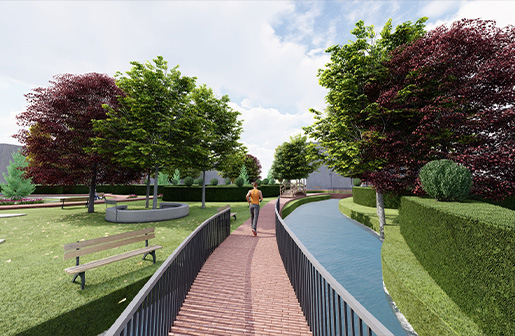
Rooftop Design
A residential rooftop transformed into a sanctuary of comfort and belonging through materiality, subtle transitions, and human-centered design.
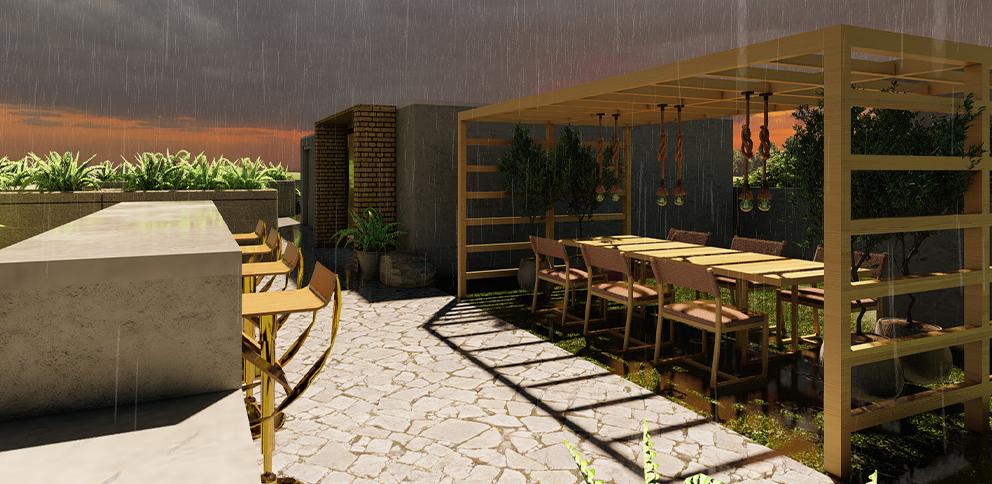
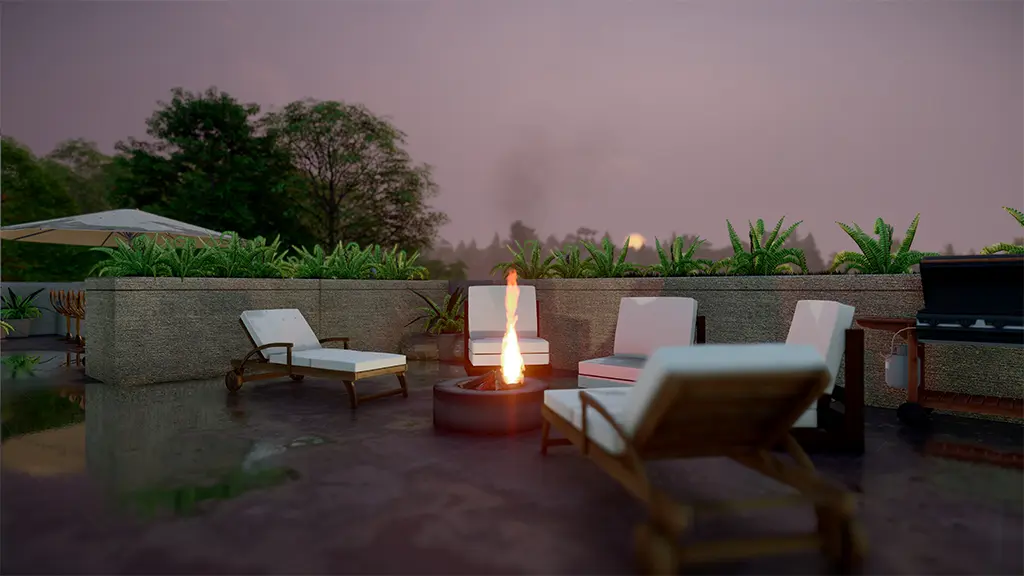
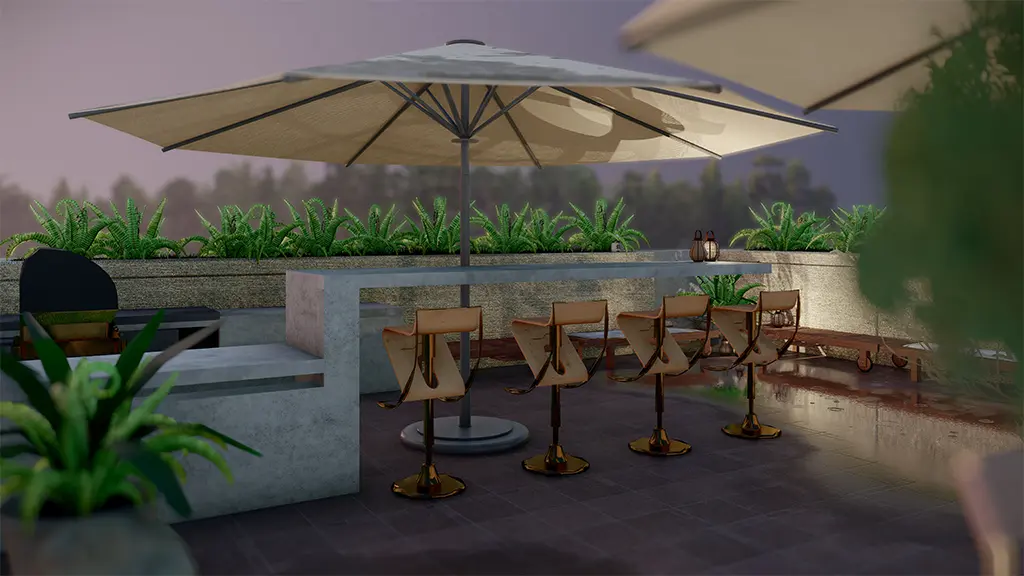
Architecture, at its core, carries a responsibility far beyond spectacle or form — it is about designing for people and shaping experiences that resonate with the human mind and spirit. In this residential rooftop project, the guiding principle was subtlety and harmony rather than loudness or extravagance. The design emphasizes the psychological experience of space, recognizing that the human brain is often more comforted by environments that are fluid, gentle, and adaptable than by overwhelming complexity. The goal was to create a rooftop that feels lived in, one that evolves with its users and quietly collects their stories over time. Subtle transitions between spaces became key, allowing the design to be re-experienced anew each day. By weaving comfort and belonging into every decision, the rooftop emerged as a space that invites pause, reflection, and a sense of home.
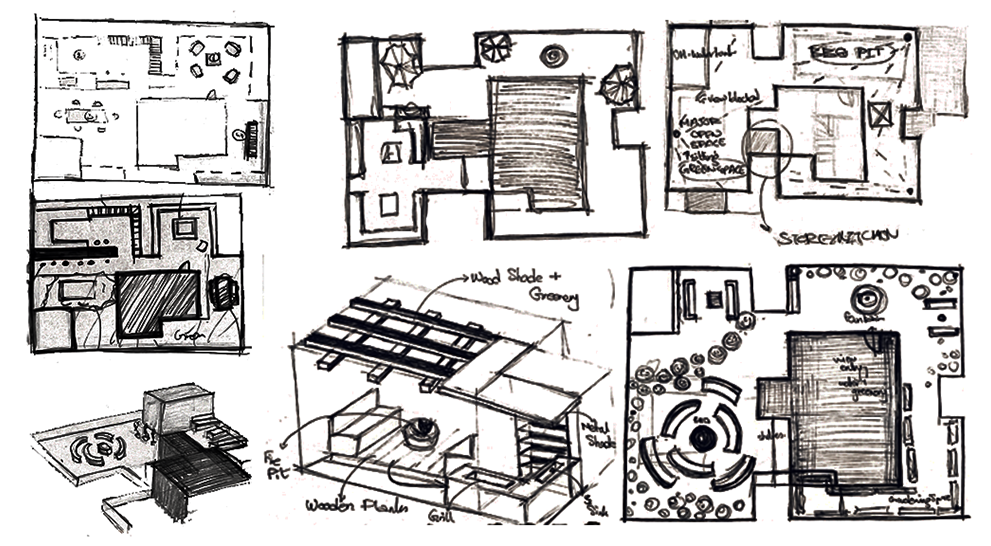
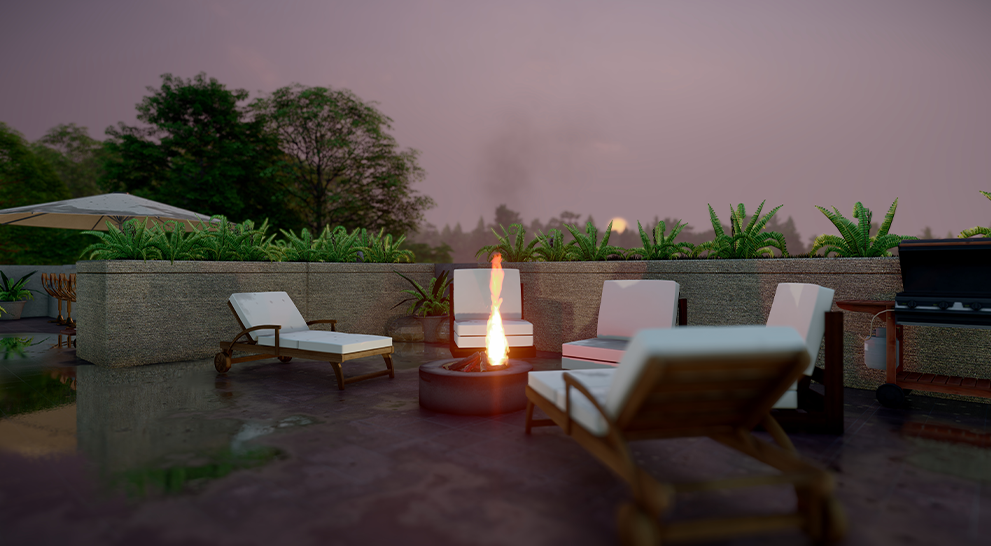
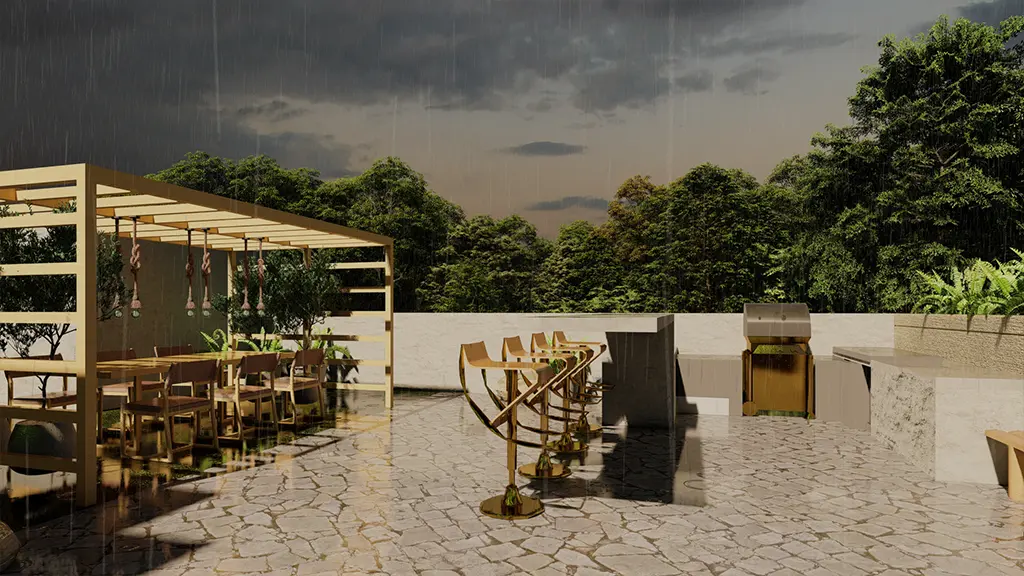
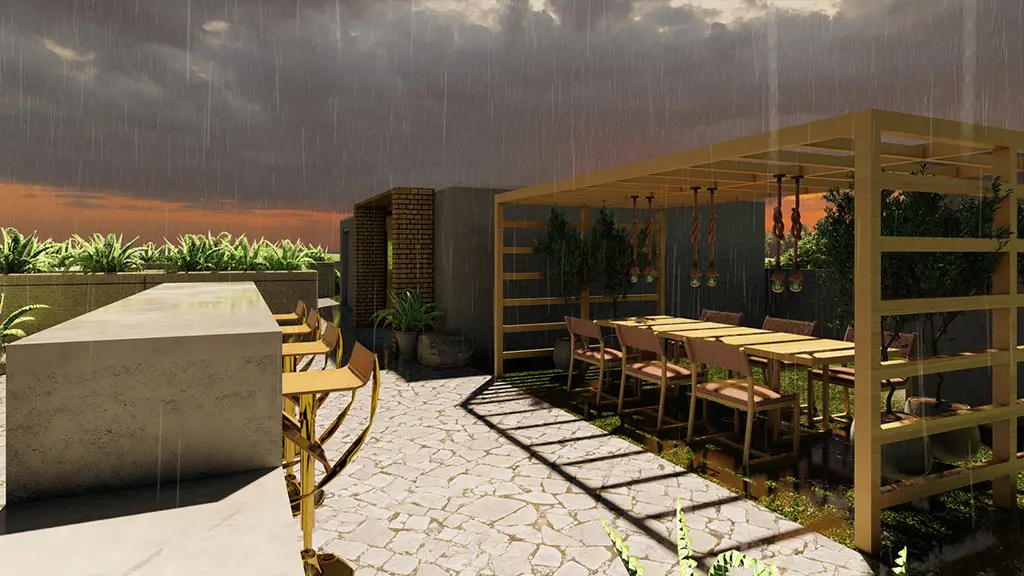
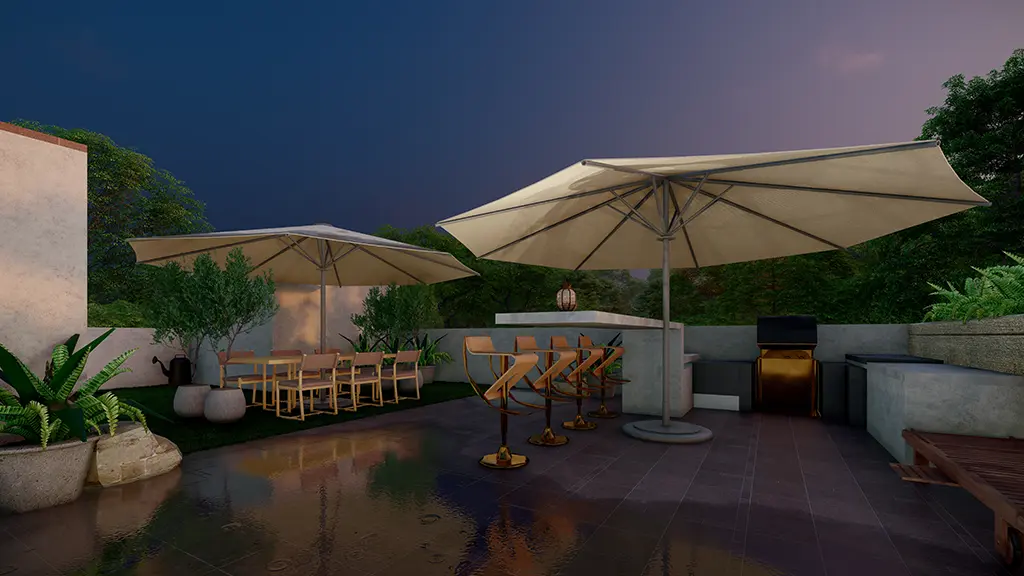
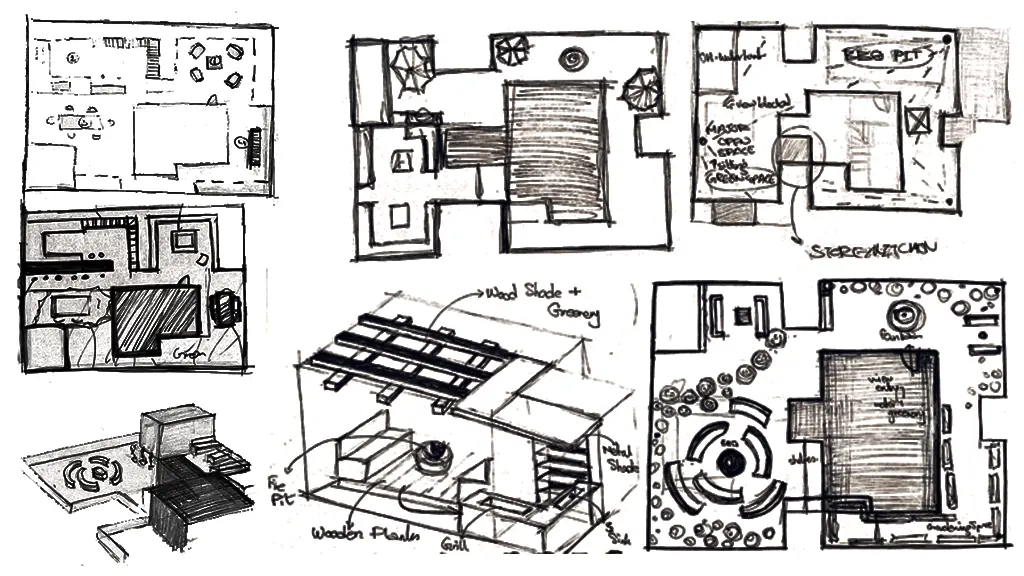
Materiality became the foundation of this philosophy, carrying the ability to shape mood and atmosphere. Shifts such as tiled flooring that gradually blends into a green roof soften boundaries, ensuring spatial segregation without detachment. Every corner remains visually tied to the whole, avoiding isolation while allowing intimacy. Small gestures, such as a quiet bench in the corner, anchor the design in human scale, offering spaces of stillness. The warmth of wood, brick, and marble enriches the rooftop with earthy authenticity, harmonizing with the existing structure and grounding the space in natural textures. These deliberate choices foster a sanctuary rooted in relaxation and honesty, where users can connect with their home, with nature, and with themselves. Ultimately, the project transcends aesthetics and function; it embodies architecture as a living experience — one of subtle transitions, evolving narratives, and a quiet yet profound sense of belonging.