From Imperfections
Exploring limitation as a design tool. Through molding, folding, and weaving, it transforms constraint into creative potential, crafting spatial systems that emerge from material behavior.
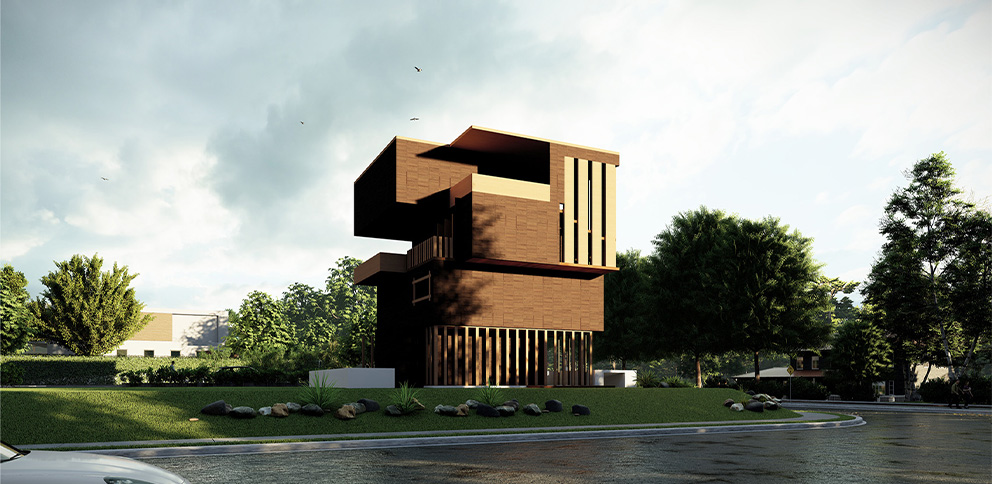
The project Limitations: From Imperfection began with a provocative question—what if limitations weren’t restrictions, but tools to work with? Conceived within an architectural studio context, it reimagines constraint as a generative force rather than a barrier. Using molding, folding, and weaving as core methods, the design became an investigation into how material behavior and spatial logic interact. Each phase of making built upon the last, establishing a dialogue between control and emergence. The process unfolded not to chase perfection, but to listen to what material imperfections reveal. This approach embraced accident, irregularity, and the tactile reality of making as integral to spatial creation. The philosophy behind the project challenges conventional design control, framing architecture as a collaborative act between designer, process, and matter — an evolving conversation shaped by imperfection.
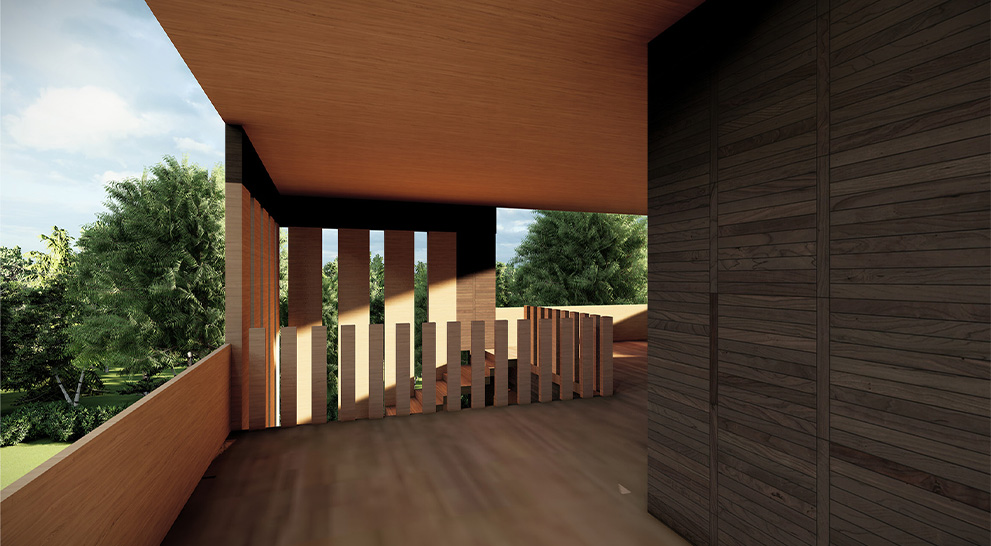
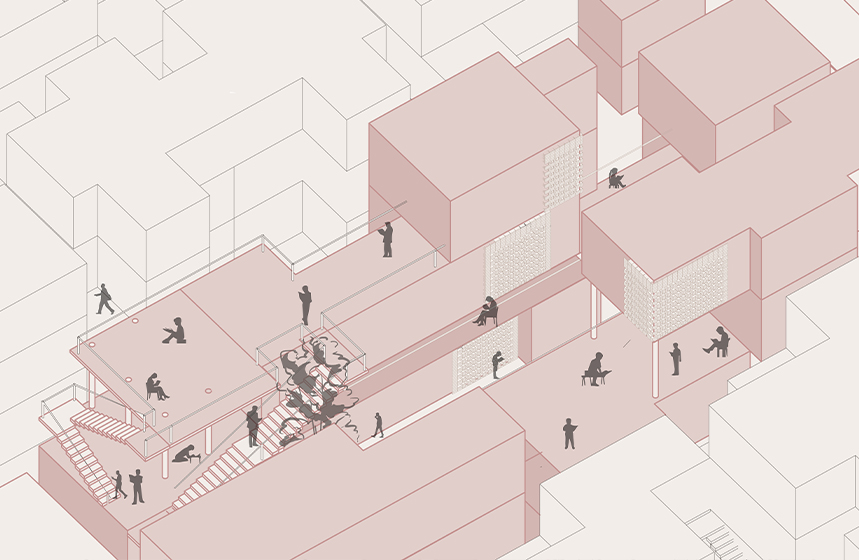
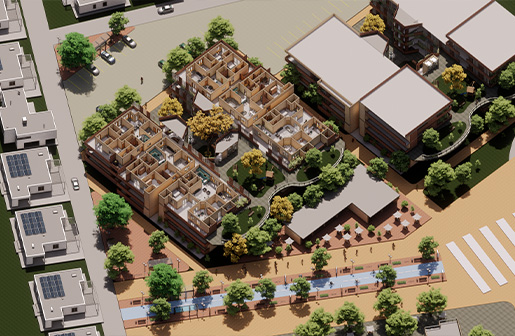
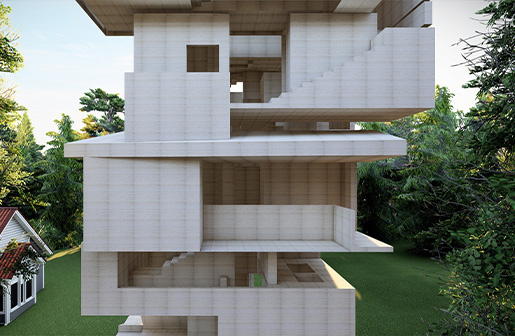
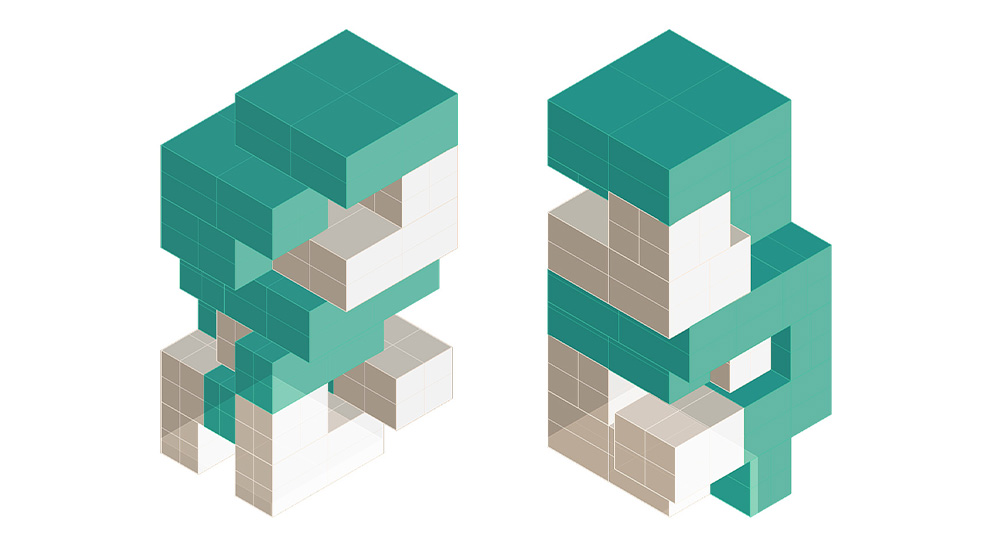
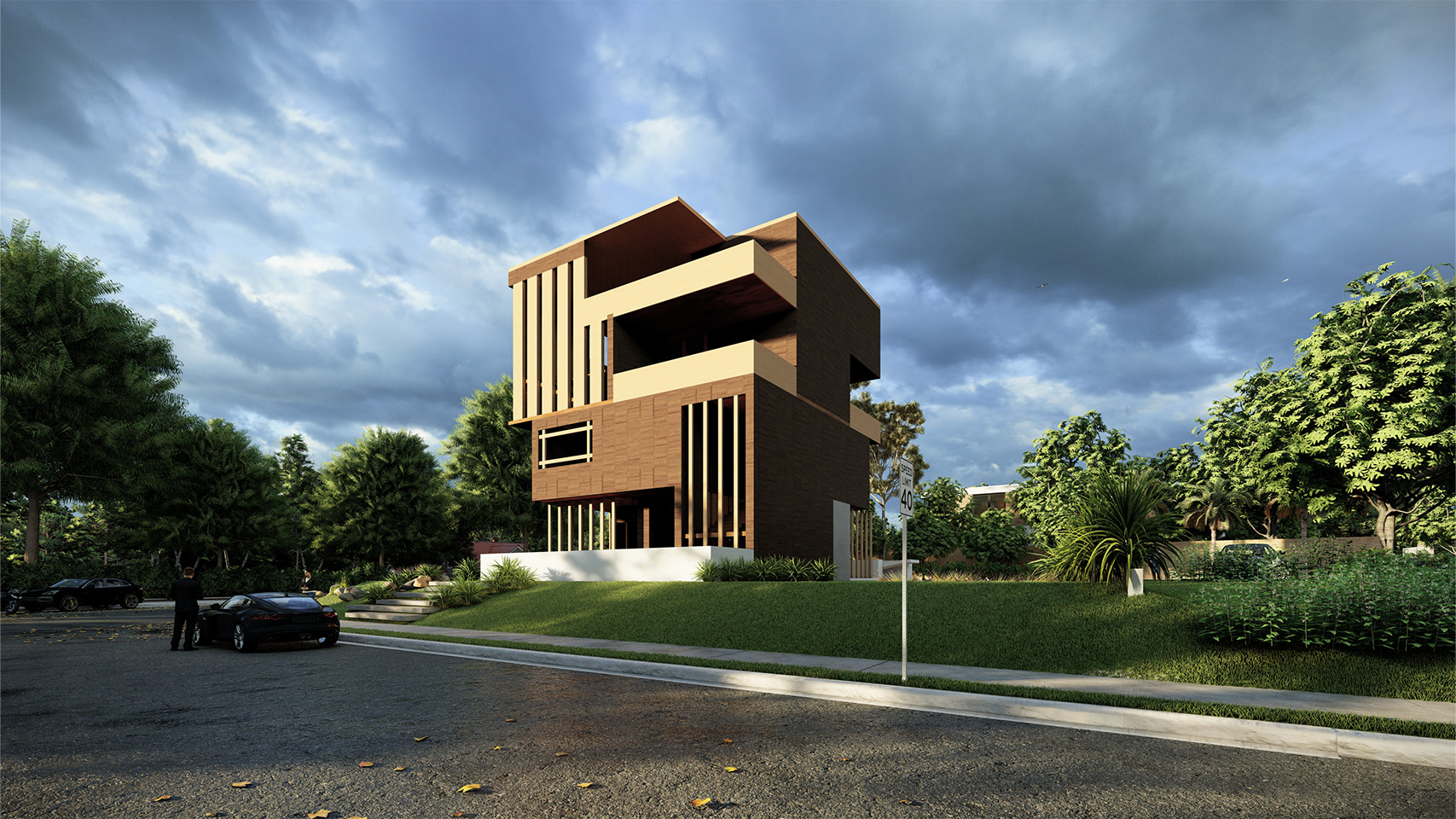
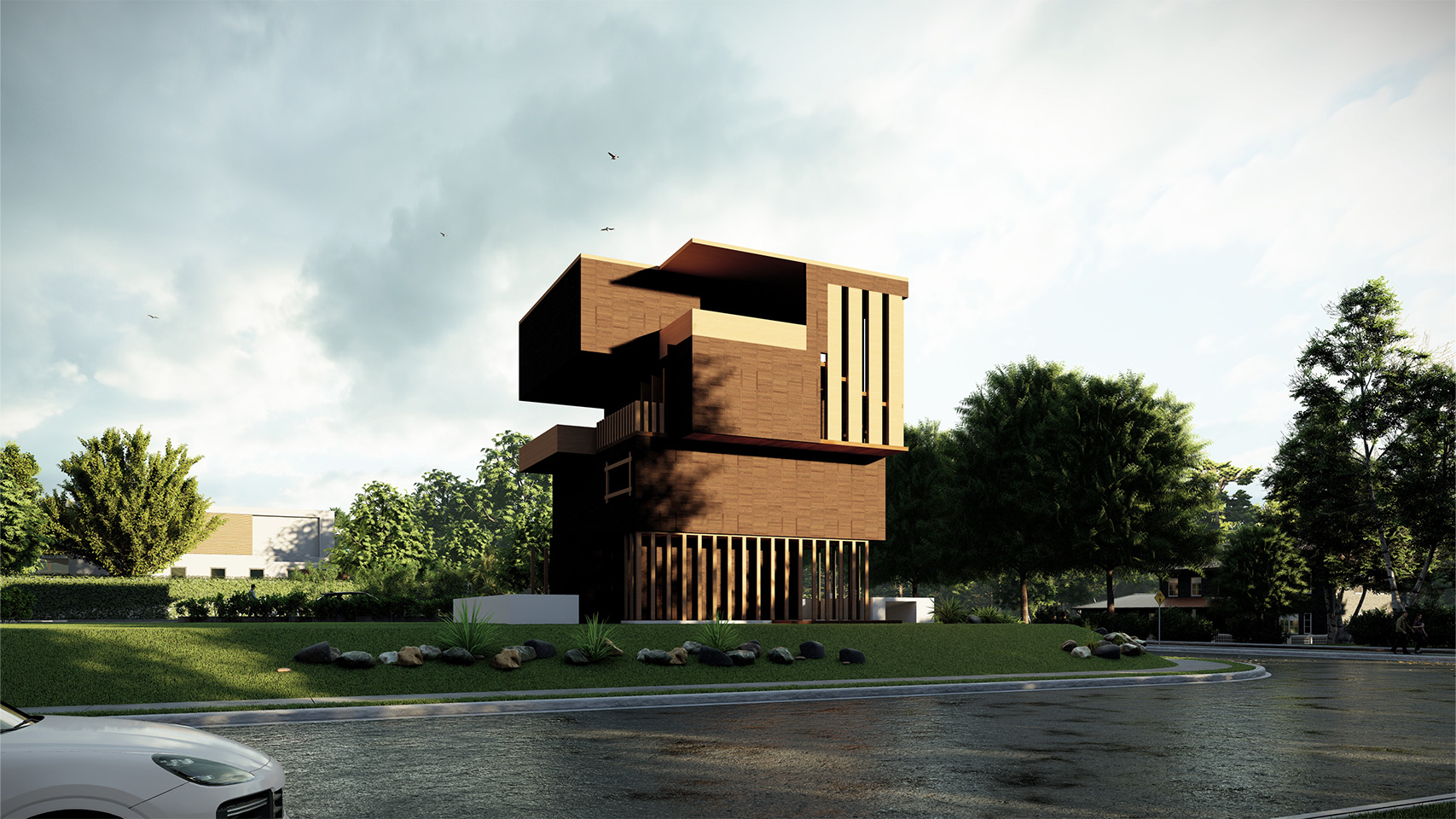
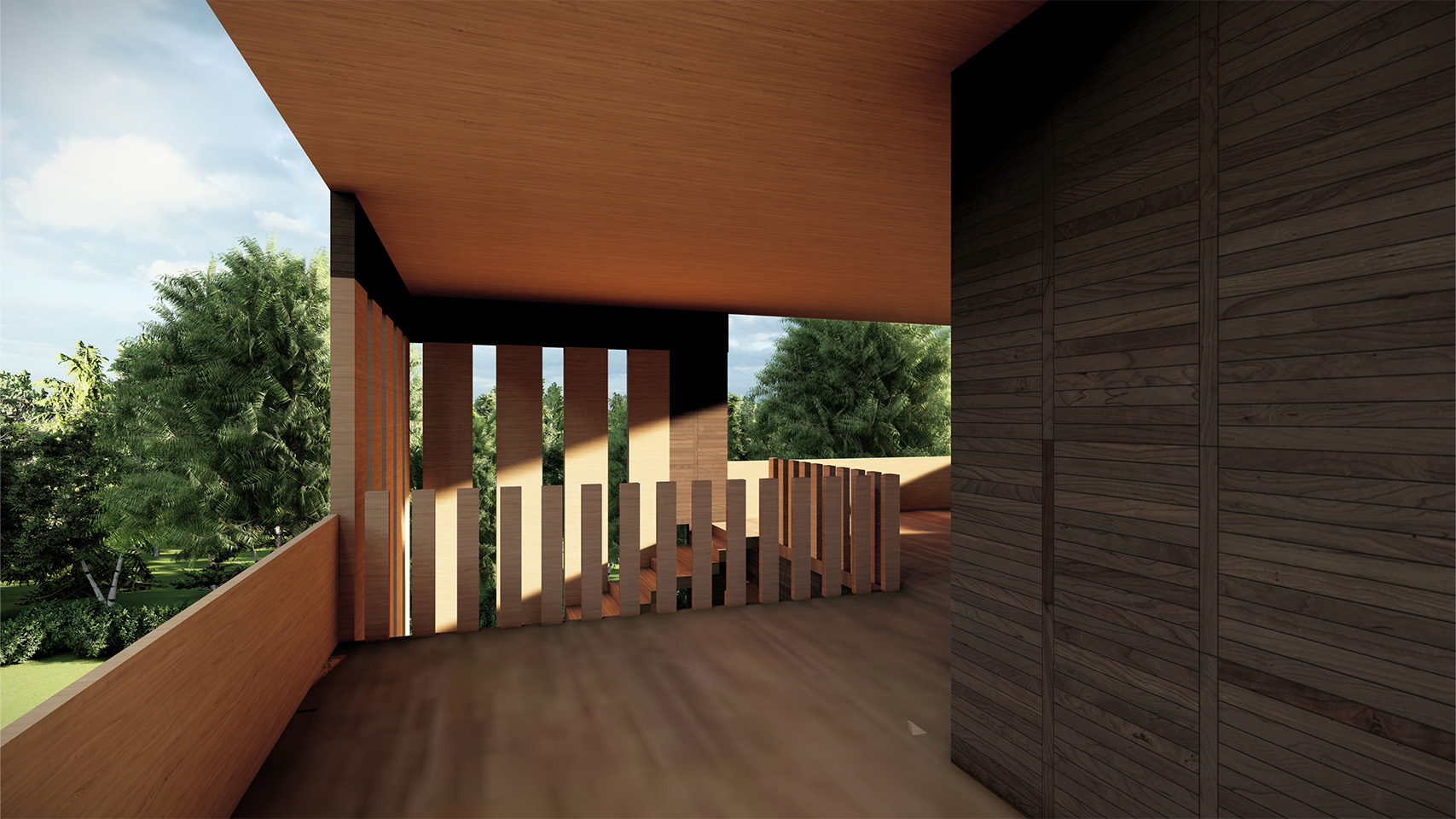
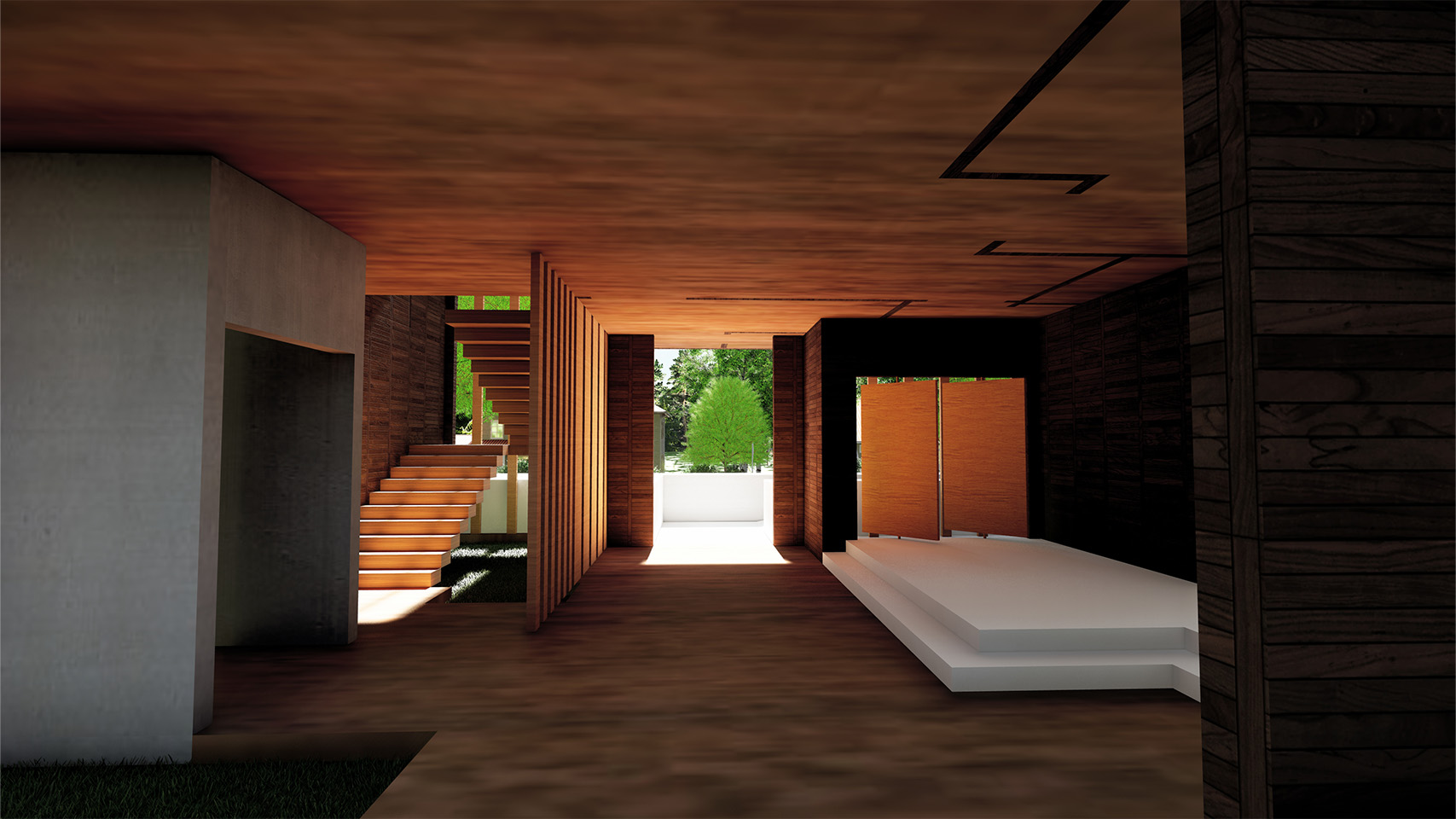
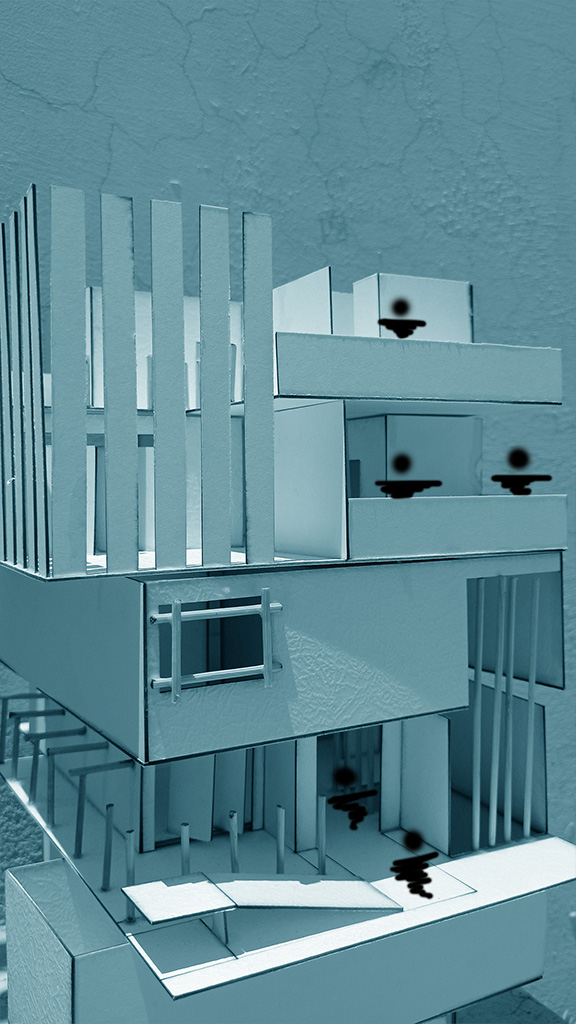
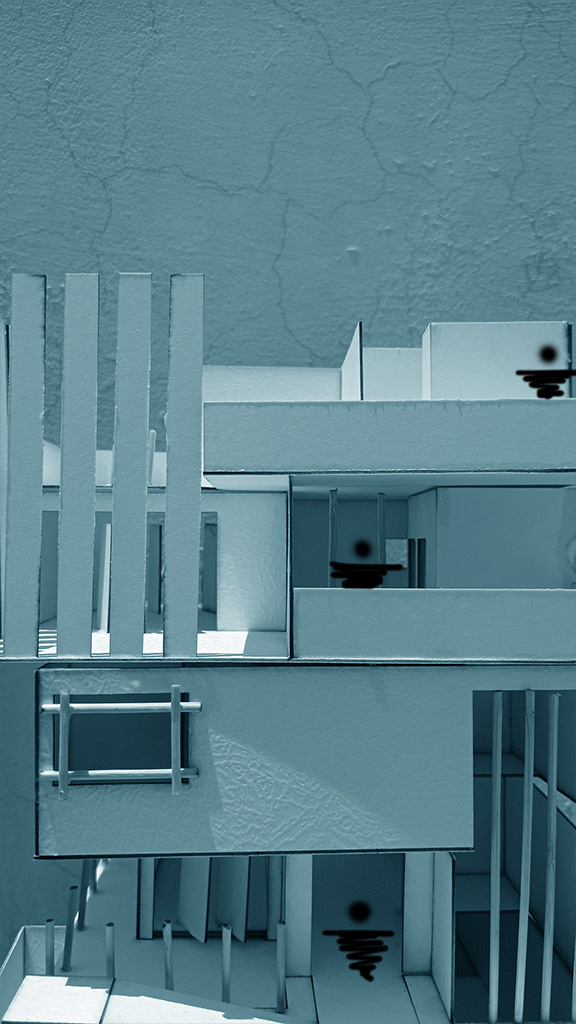
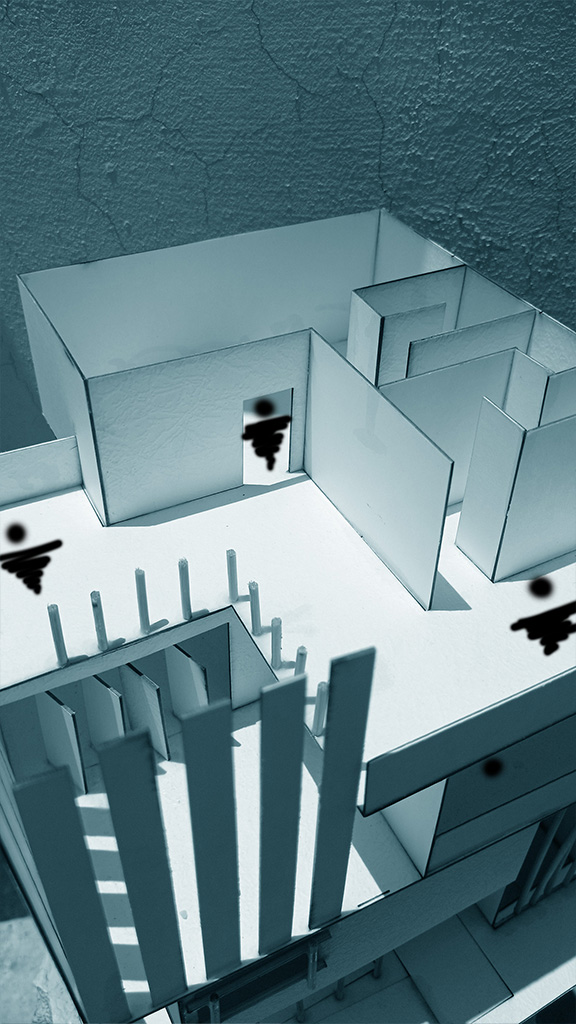
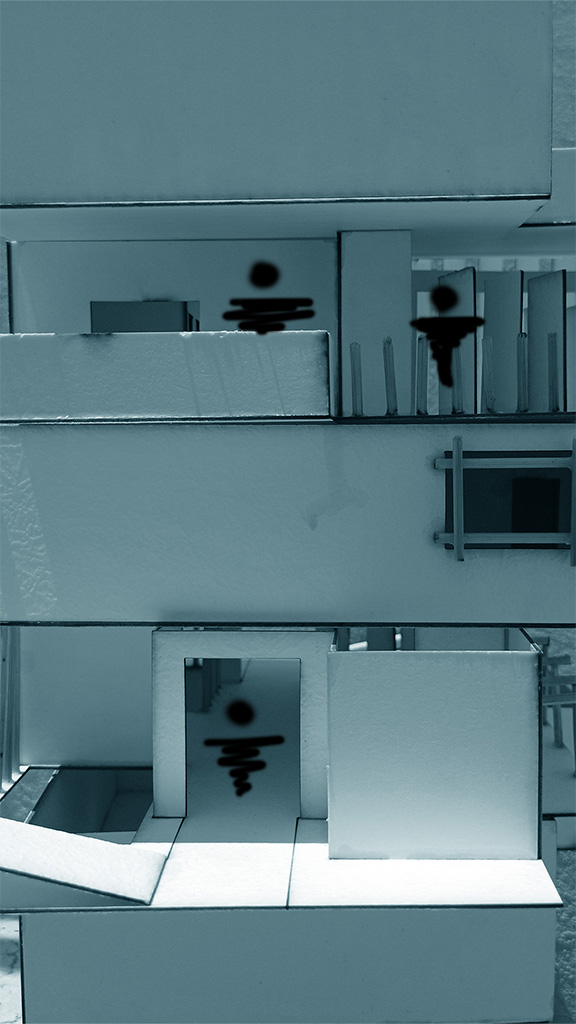
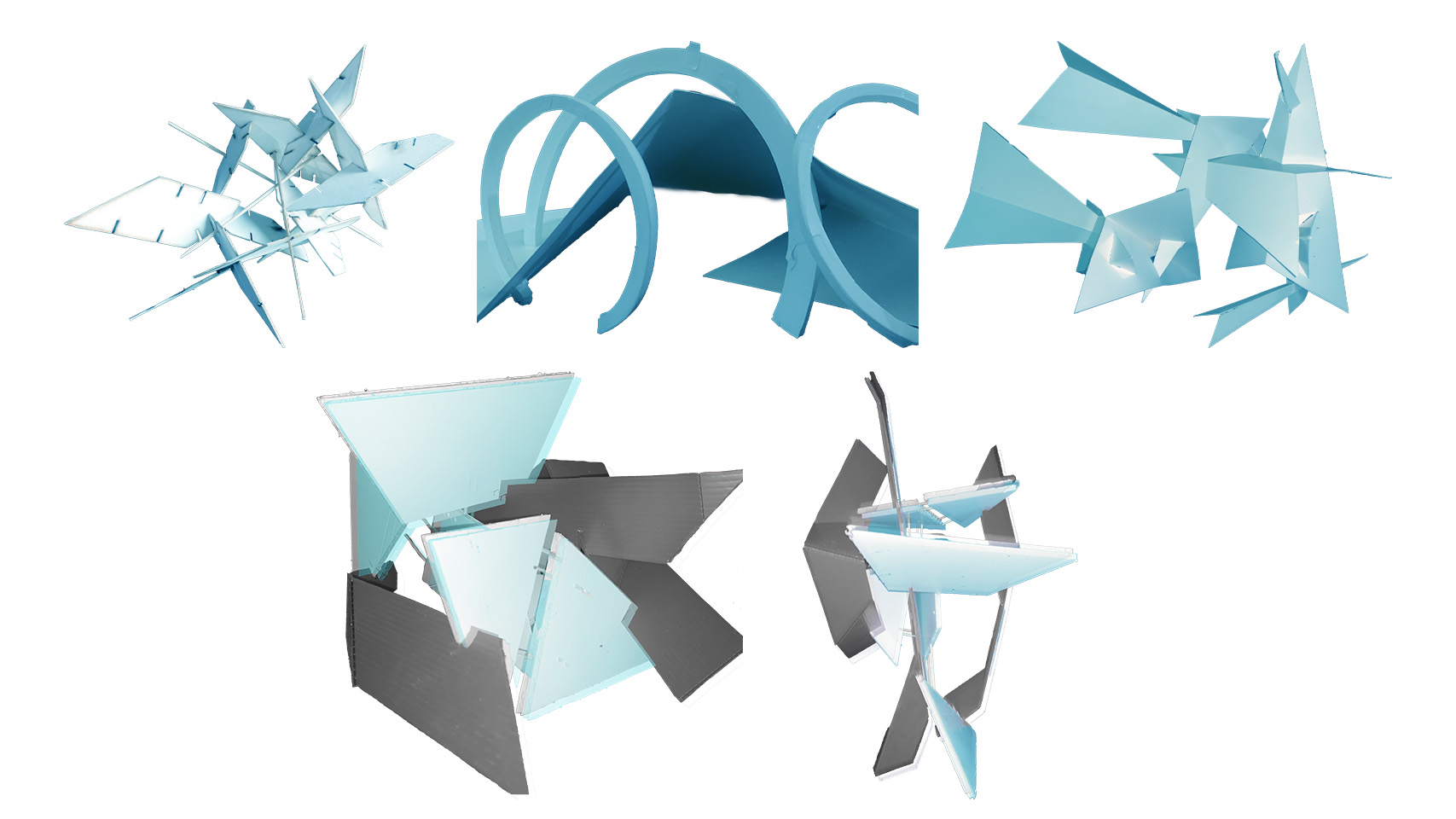
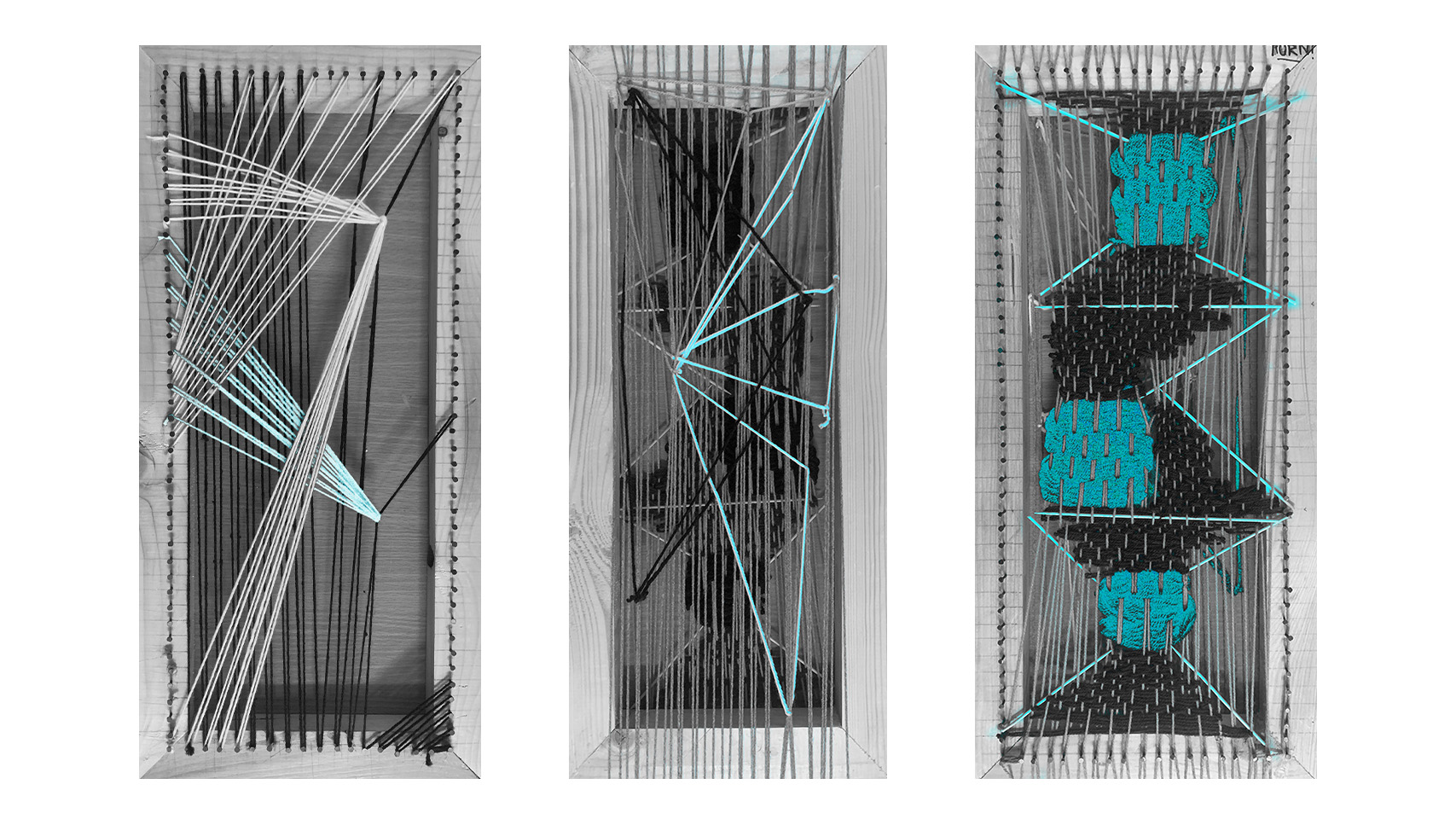
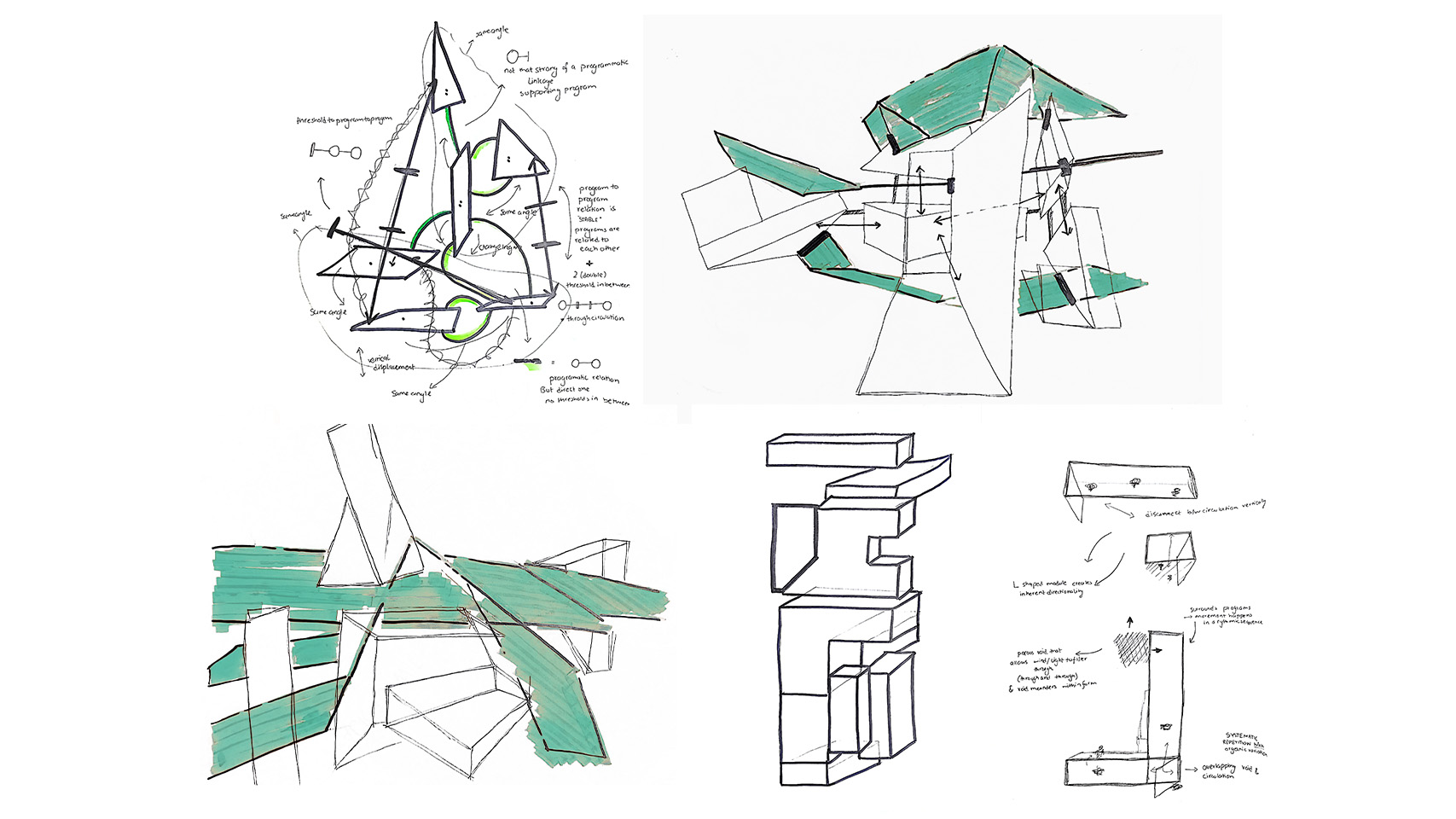
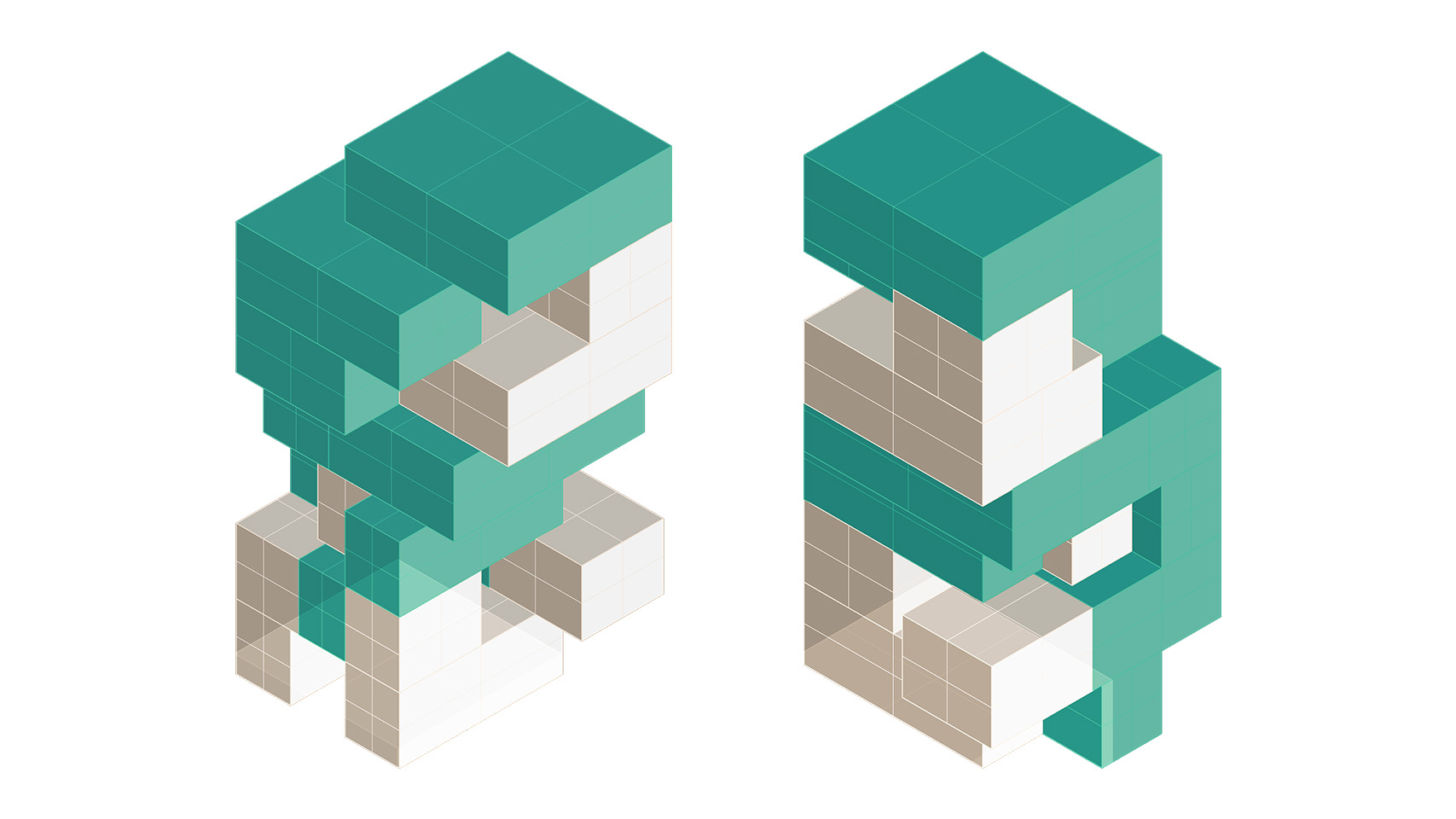
The design journey evolved through a series of physical and digital experiments that captured how form could emerge from iterative exploration. The plaster models came first — not to achieve refinement, but to read the material’s own narrative. Smooth areas marked tight joints, while roughness and bubbles mapped pressure and trapped air, revealing how plaster responded to confinement. These imperfections became data, not defects. From this, planar models translated surface readings into organized space, where folds, overlaps, and joints defined transitions, stillness, and motion. The line model (loom) then shifted focus toward atmosphere: thread tension, diagonal forces, and filtered light created emotional gradients within space. Finally, using Rhino, these analog principles were codified into a programmatic model — a vertical spatial loom where dynamic zones encouraged activity, thresholds mediated flow, and static zones offered pause. The outcome was a self-organizing spatial system, emergent yet coherent.
Contact Designers || Portfolio
You Might Find These Interesting
 DESIGNED BY: Jaisha Mubashir
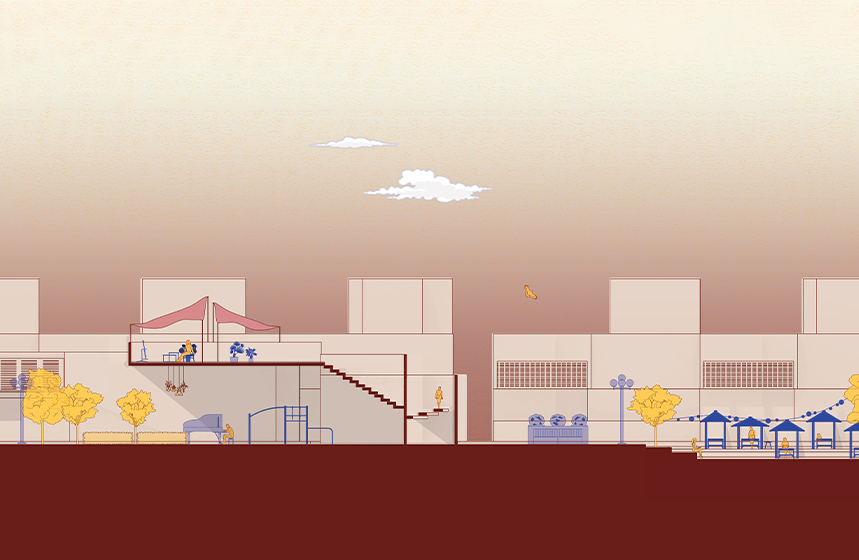
The Suburban Woman and the Chaar Dewaari
River Gardens, Islamabad, Pakistan