Curating Chaos: A Train of Tales
A railway development project that utilizes dramaturgy, iconography and phenomenology to create a living narrative, capturing memories and fostering emotional connections.
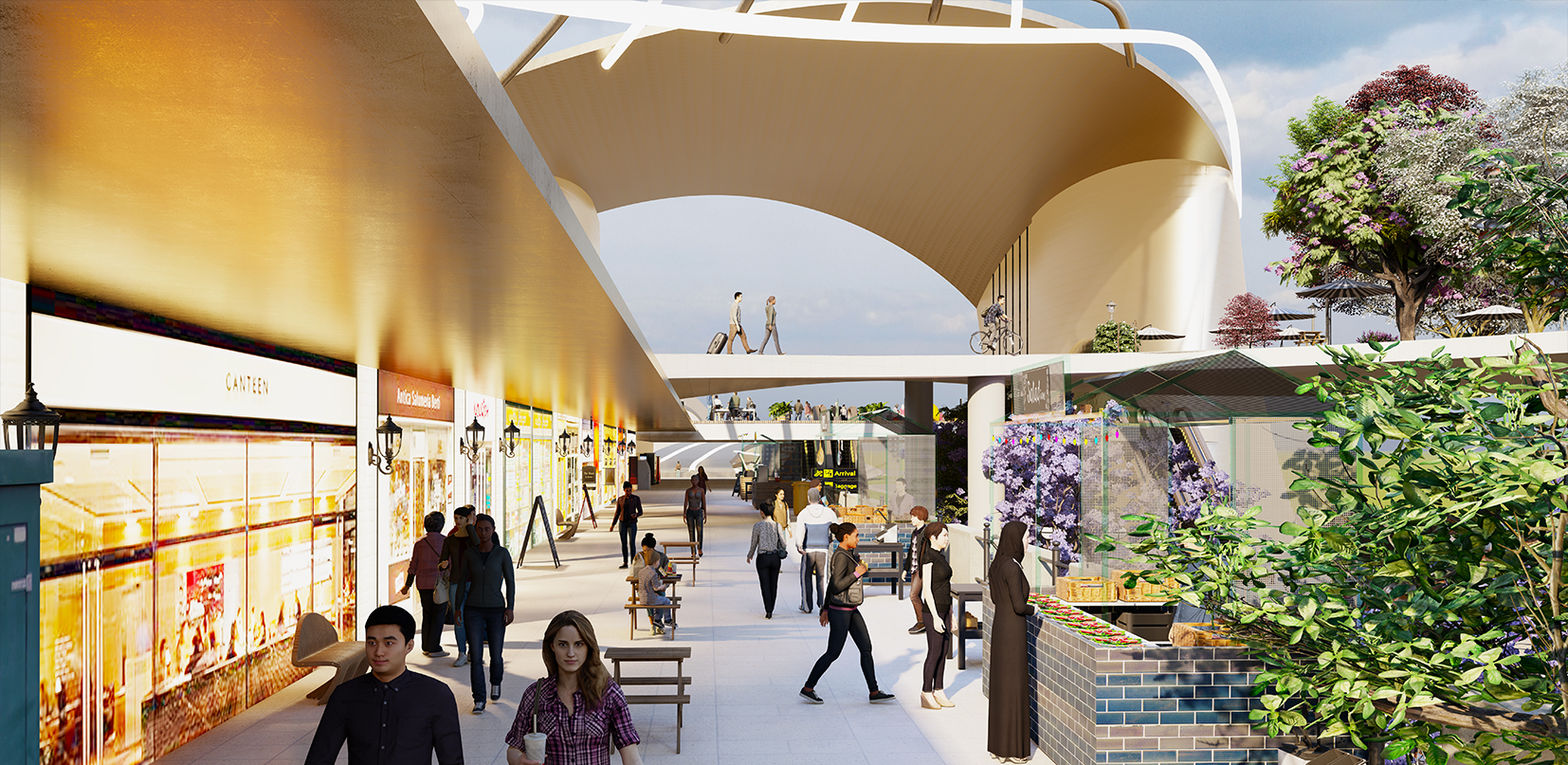
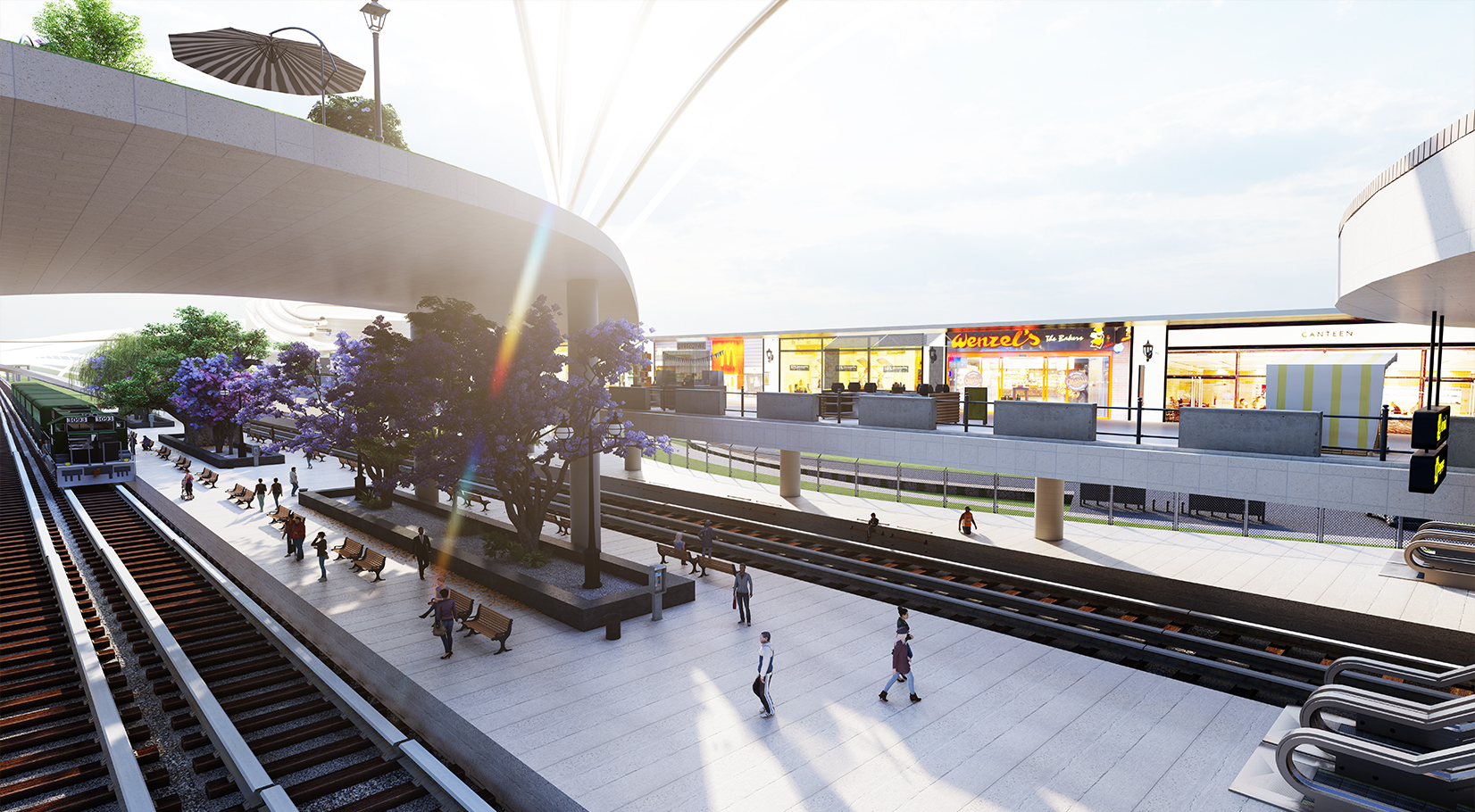
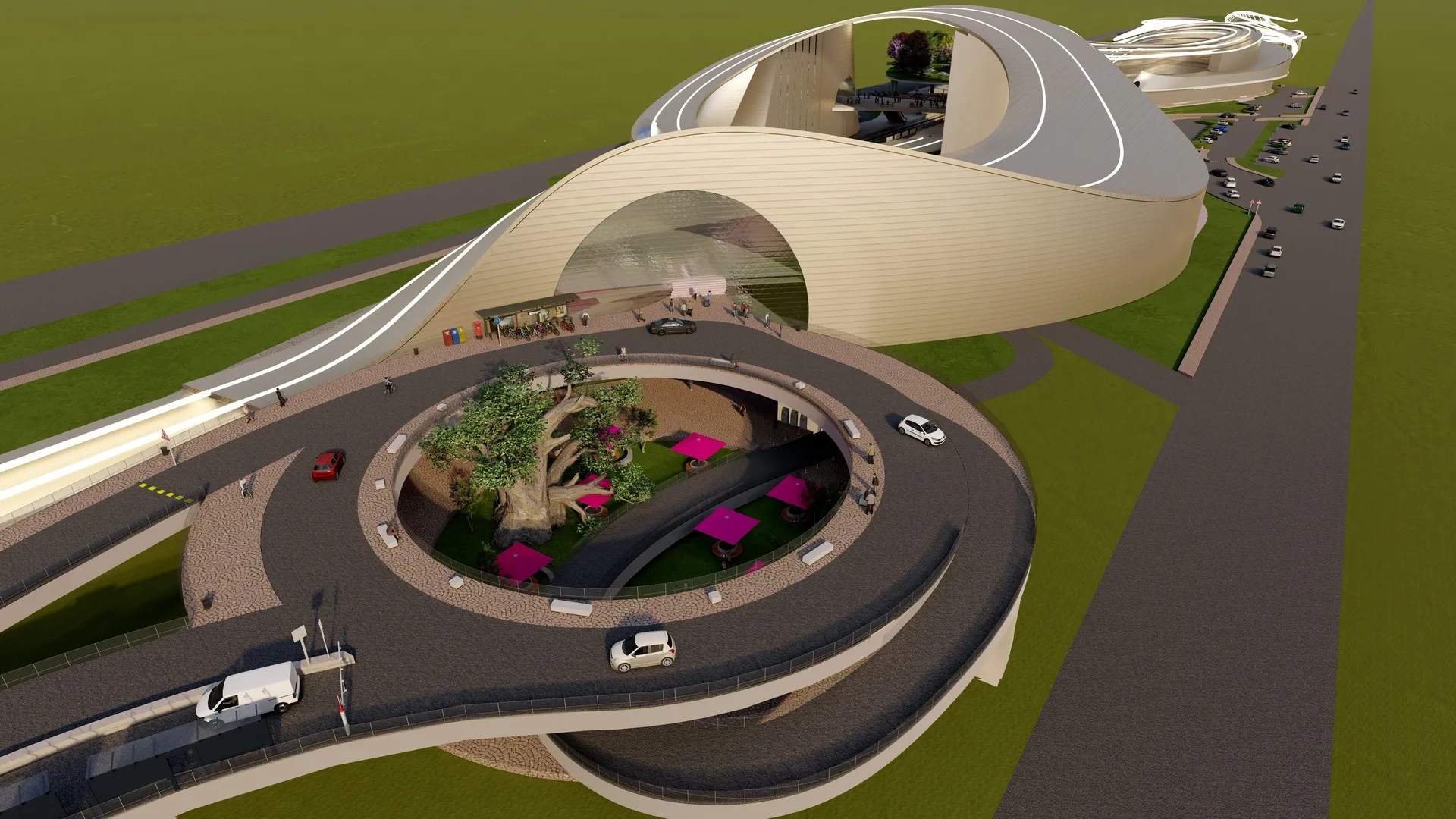
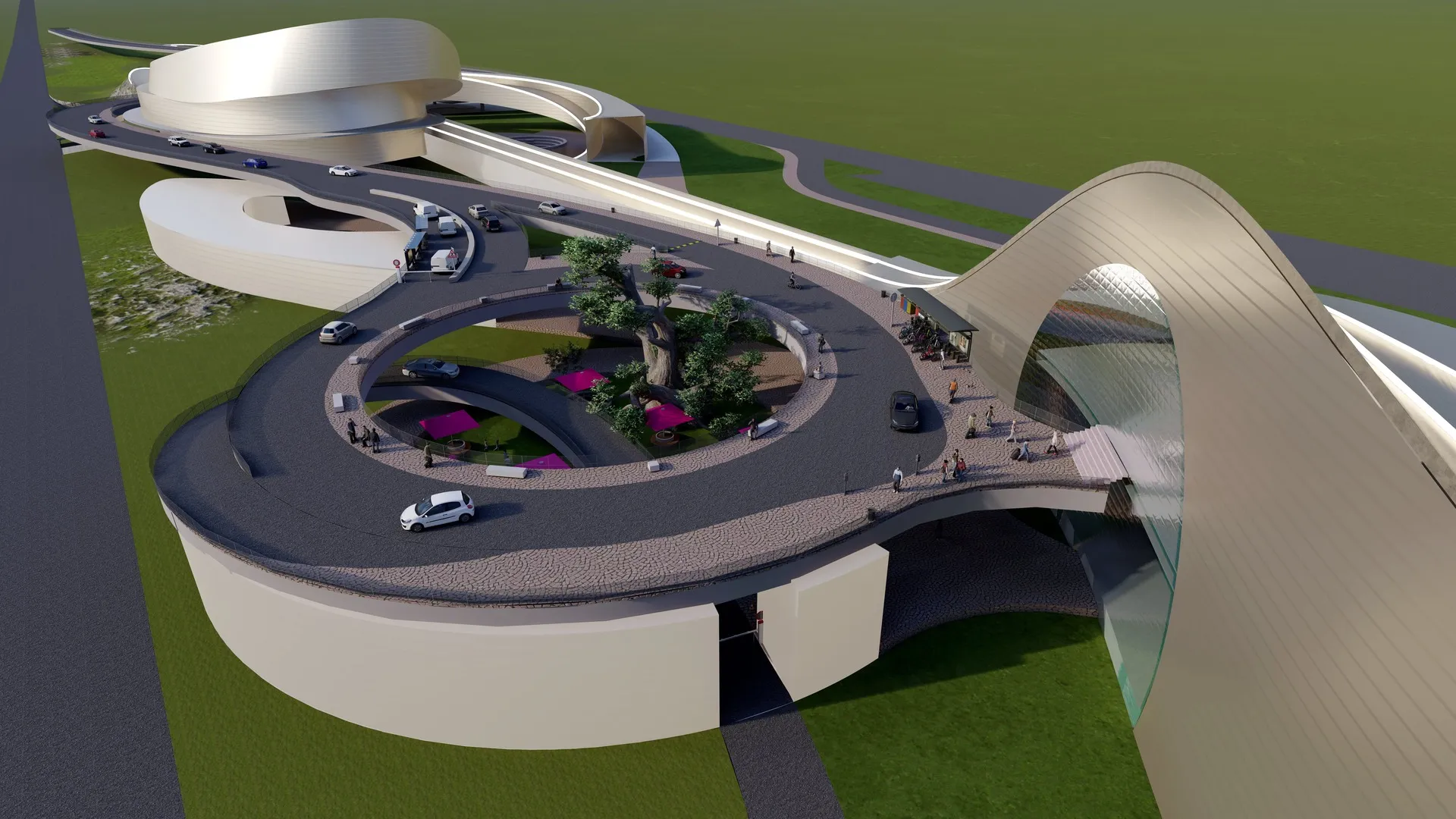
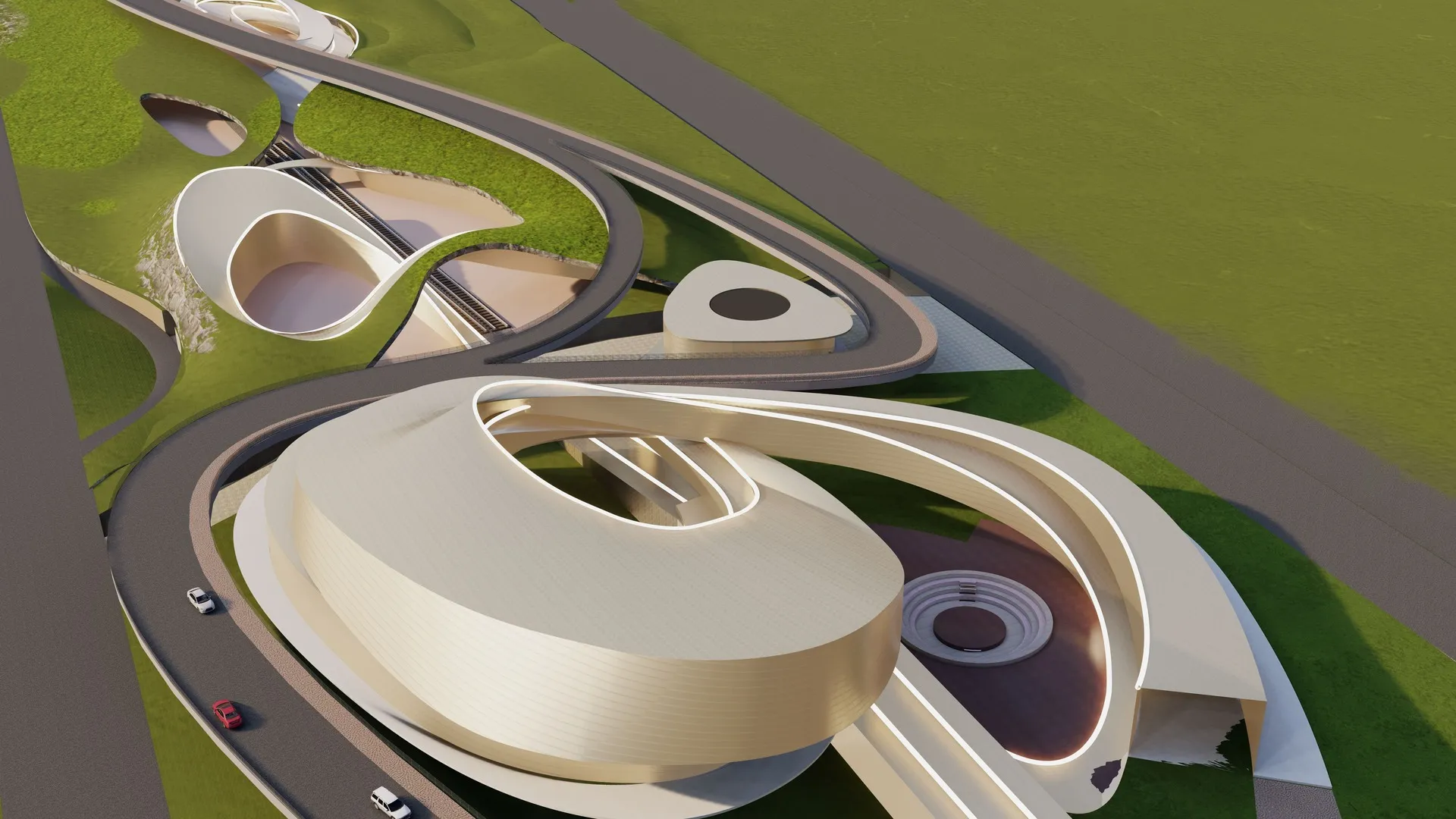
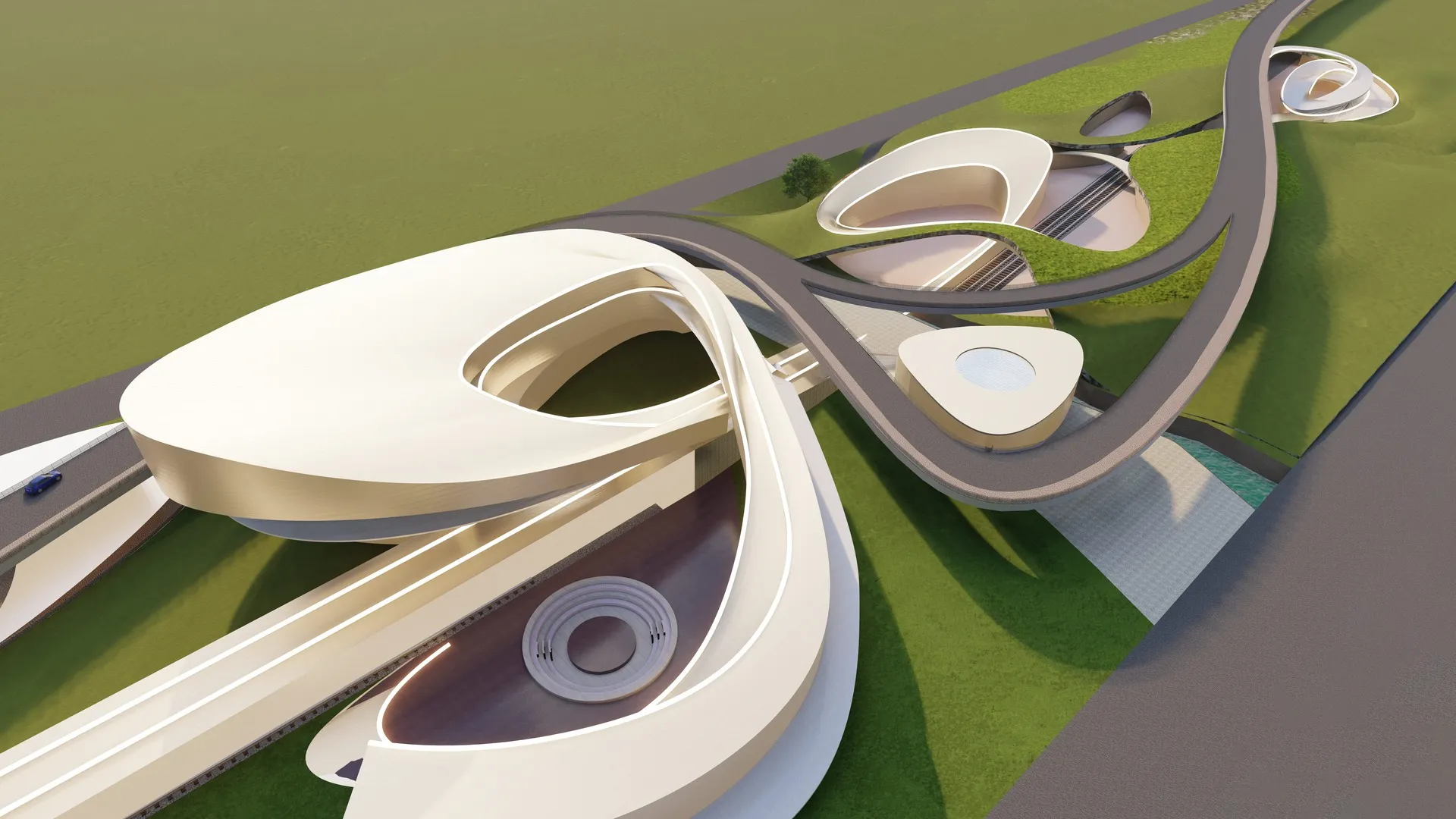
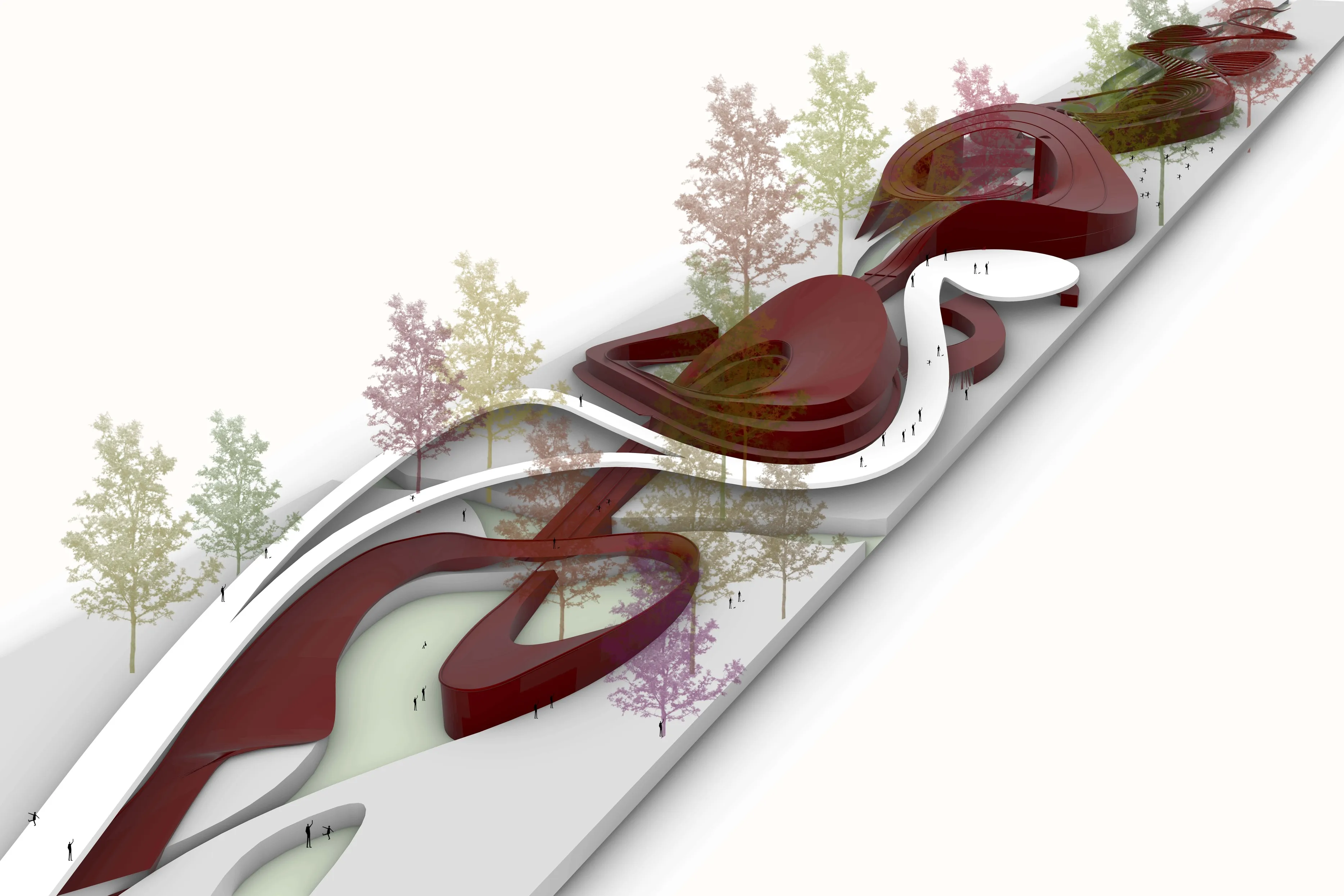
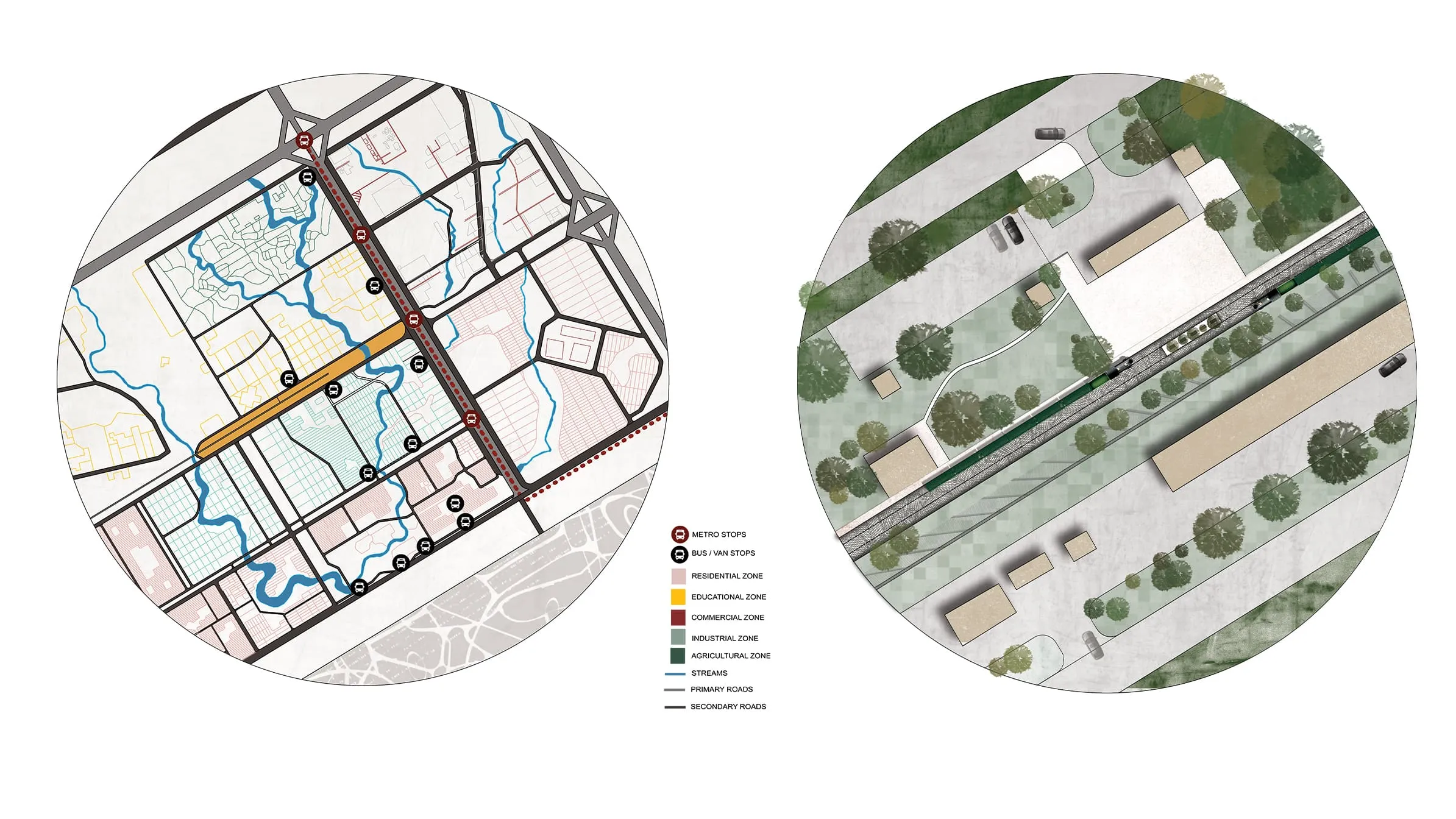
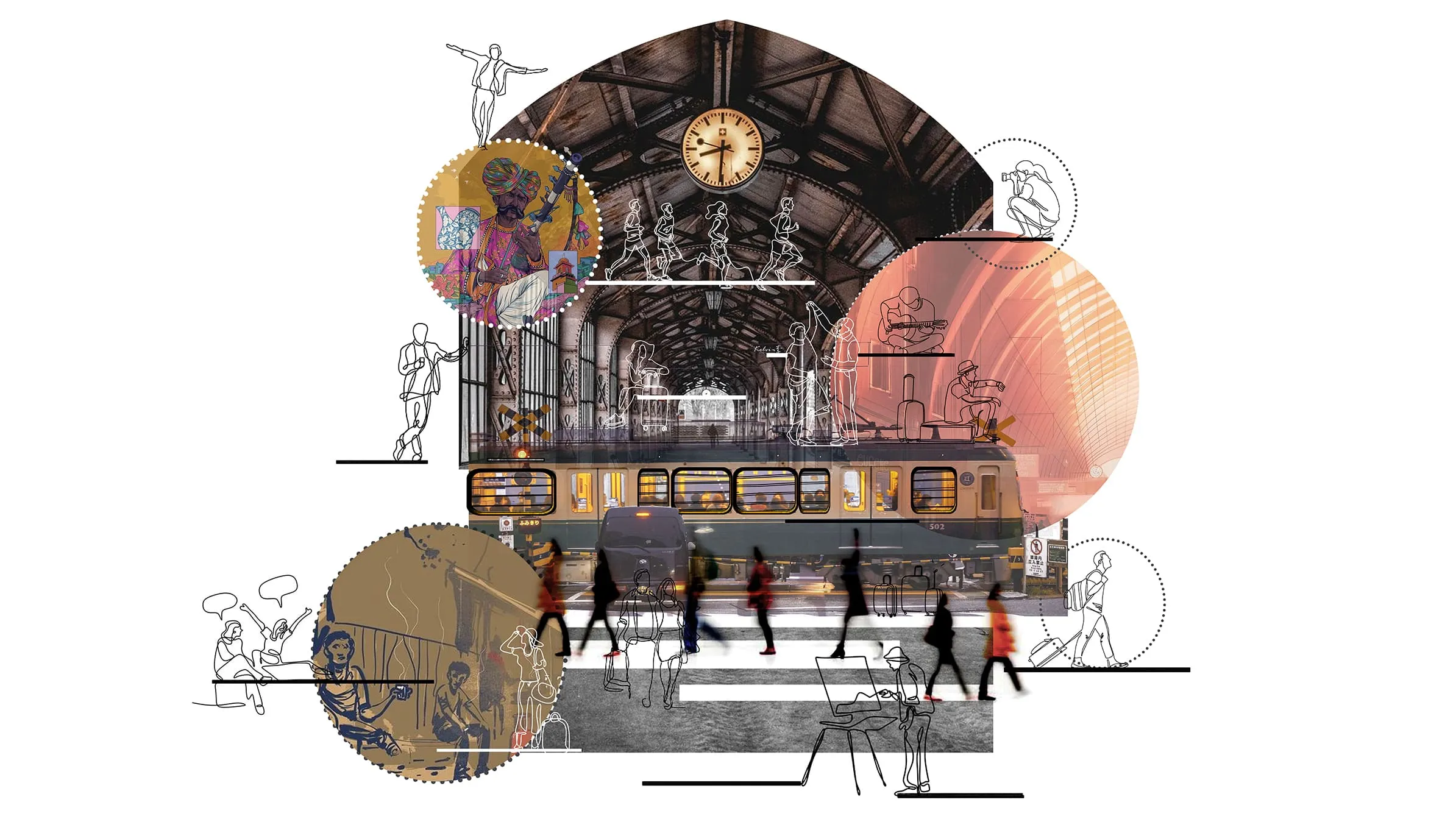

Hamna Riaz’s undergraduate thesis advocates for the construction of an innovative railway station that not only enhances connectivity but also serves as a tangible representation of the myriad emotions associated with train travel. The goal is to create a vibrant urban hub that revitalizes the city's social fabric and fosters a sense of belonging among its users. Furthermore, what space could better embody a connecting pulse, a backdrop amidst the daily commotion, where one might glean emotions from passersby, then a transit architecture? Such an endeavor holds the promise of serving as a linchpin for stimulating growth and connectivity as well as existing as a tangible reality to represent the multiple emotions that a train station is connoted to. By integrating dramaturgical strategies within the architectural design, Hamna Riaz creates an experiential space that enhances emotional stability and elevates the social fabric of Islamabad. The thesis reinvents the program of a Railway station, which is reimagined through an experiential lens, based on the cinematics of Railways and nostalgic association with trains.
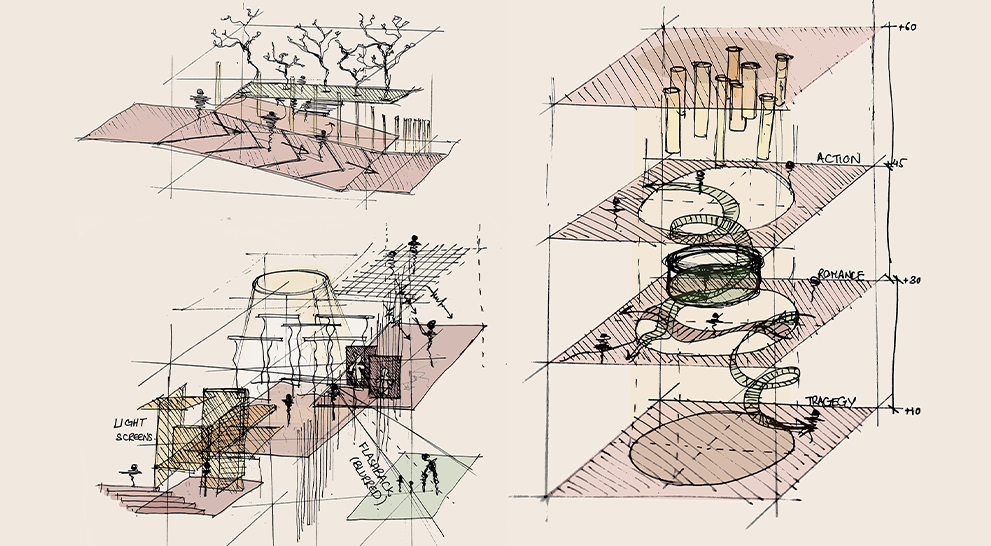
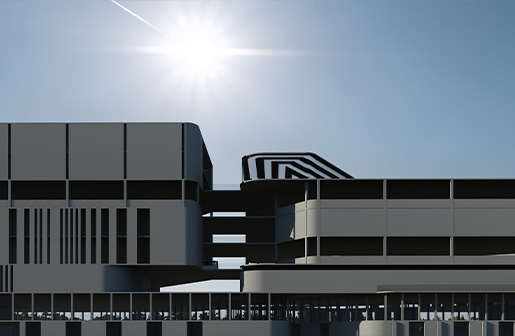
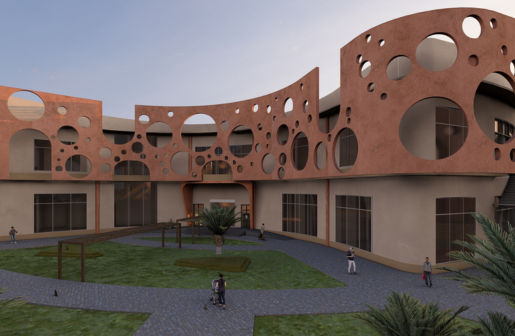
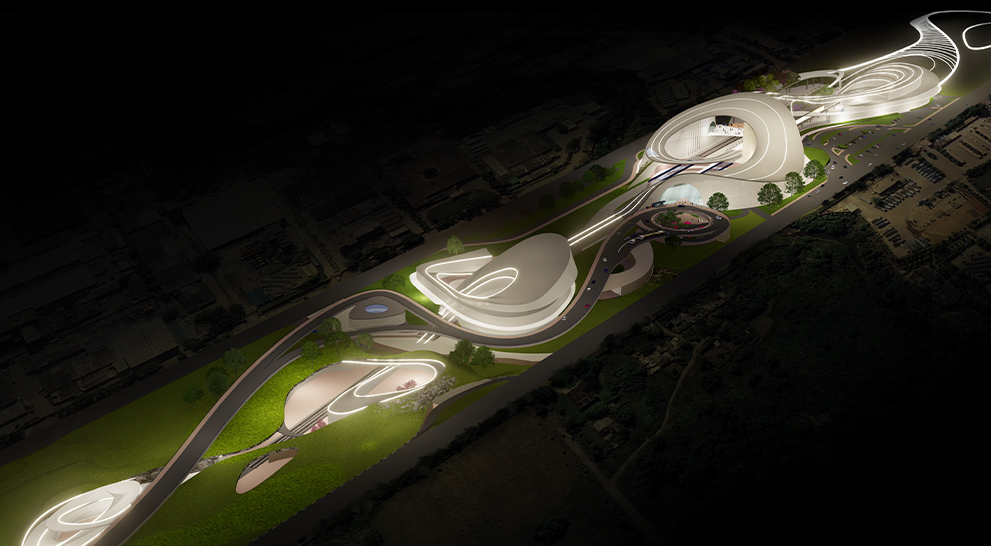
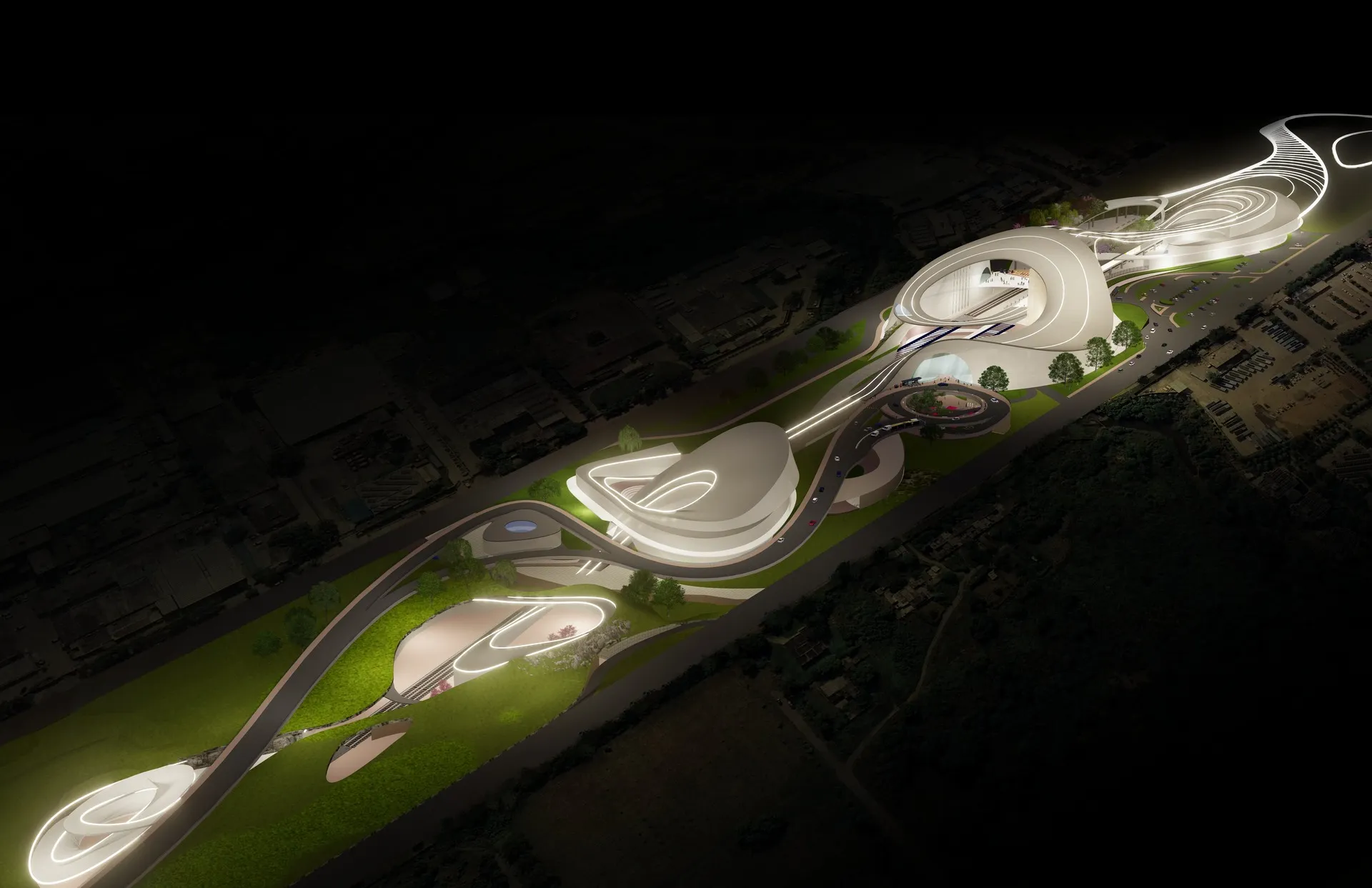
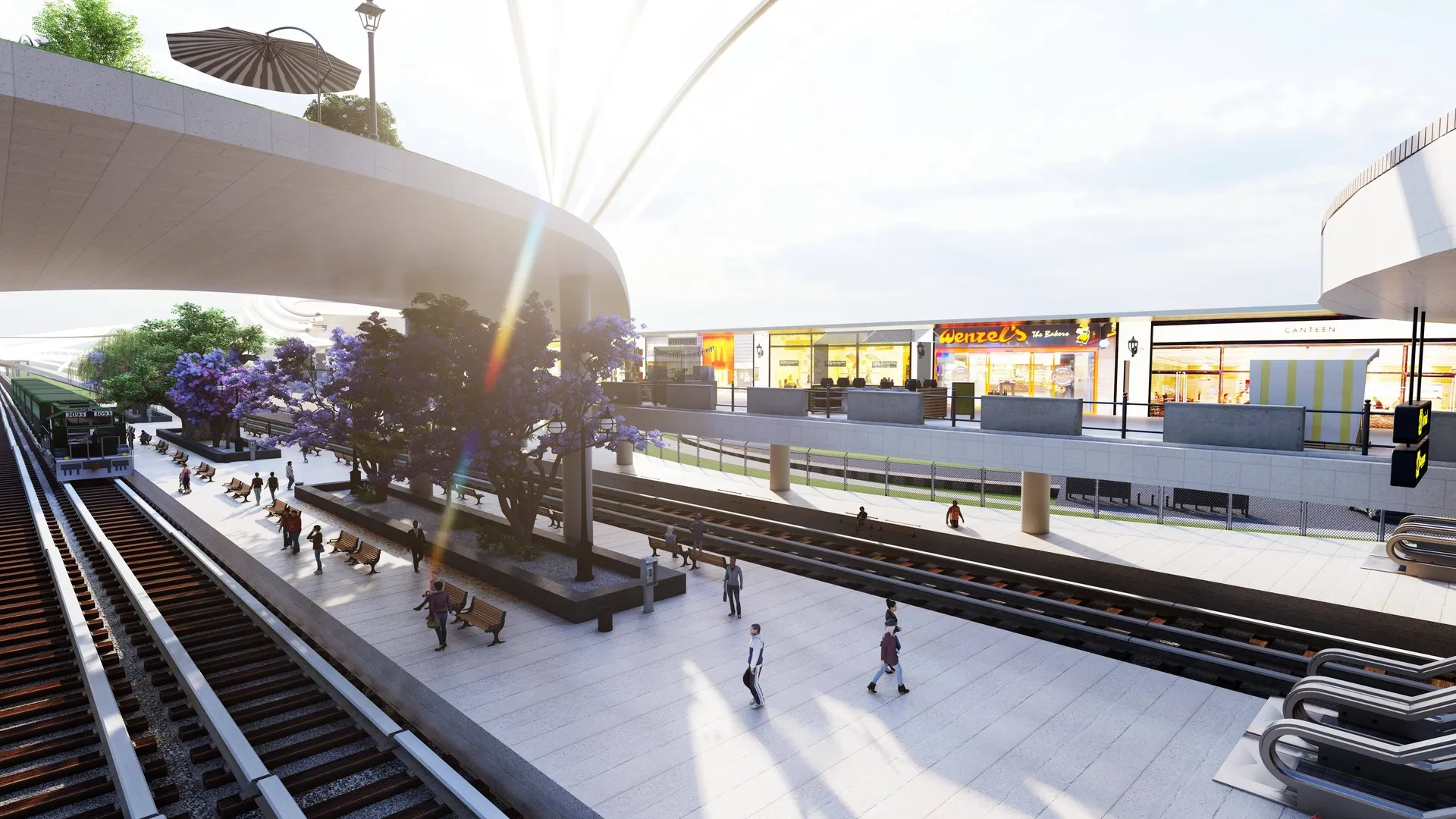
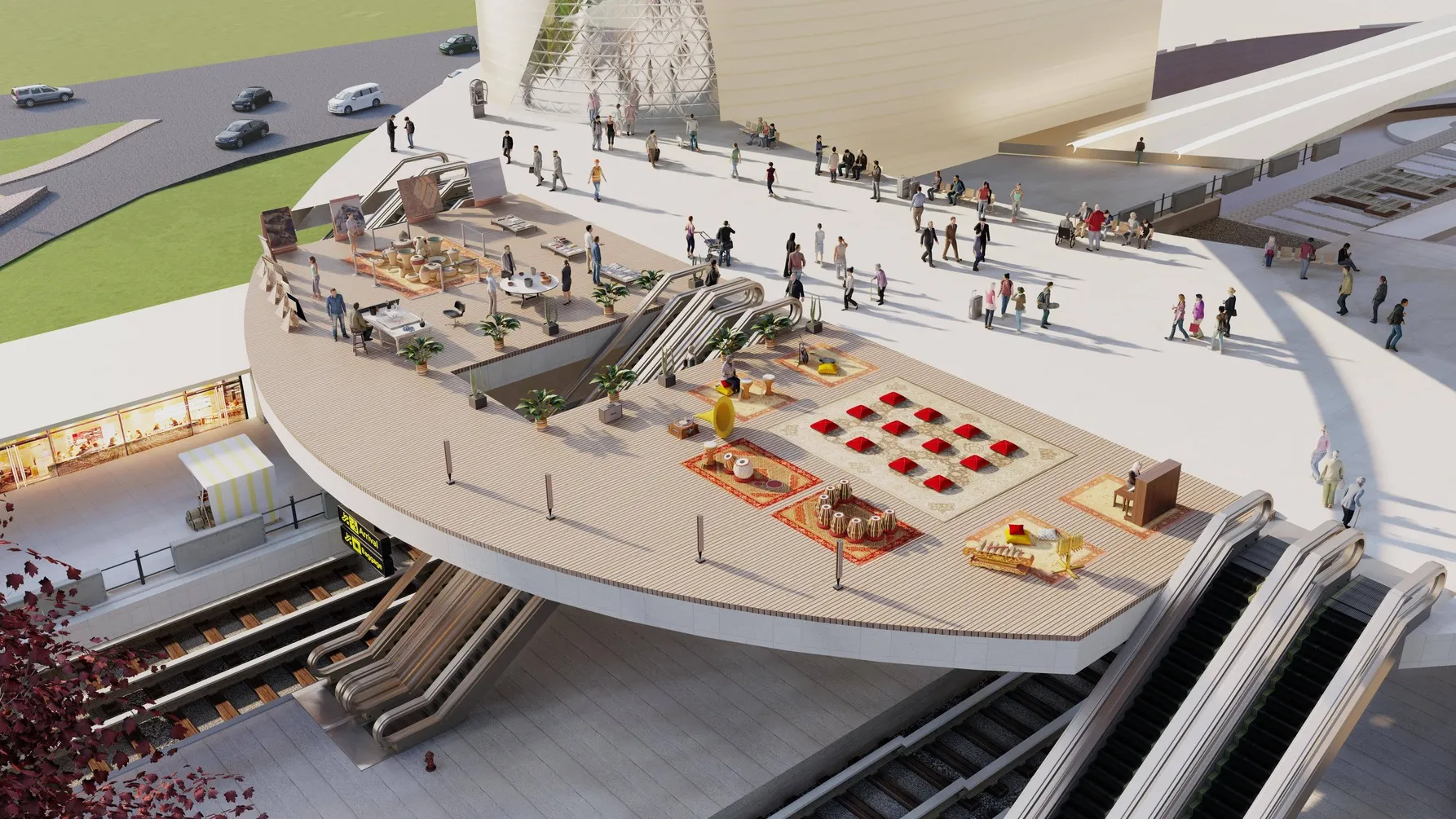
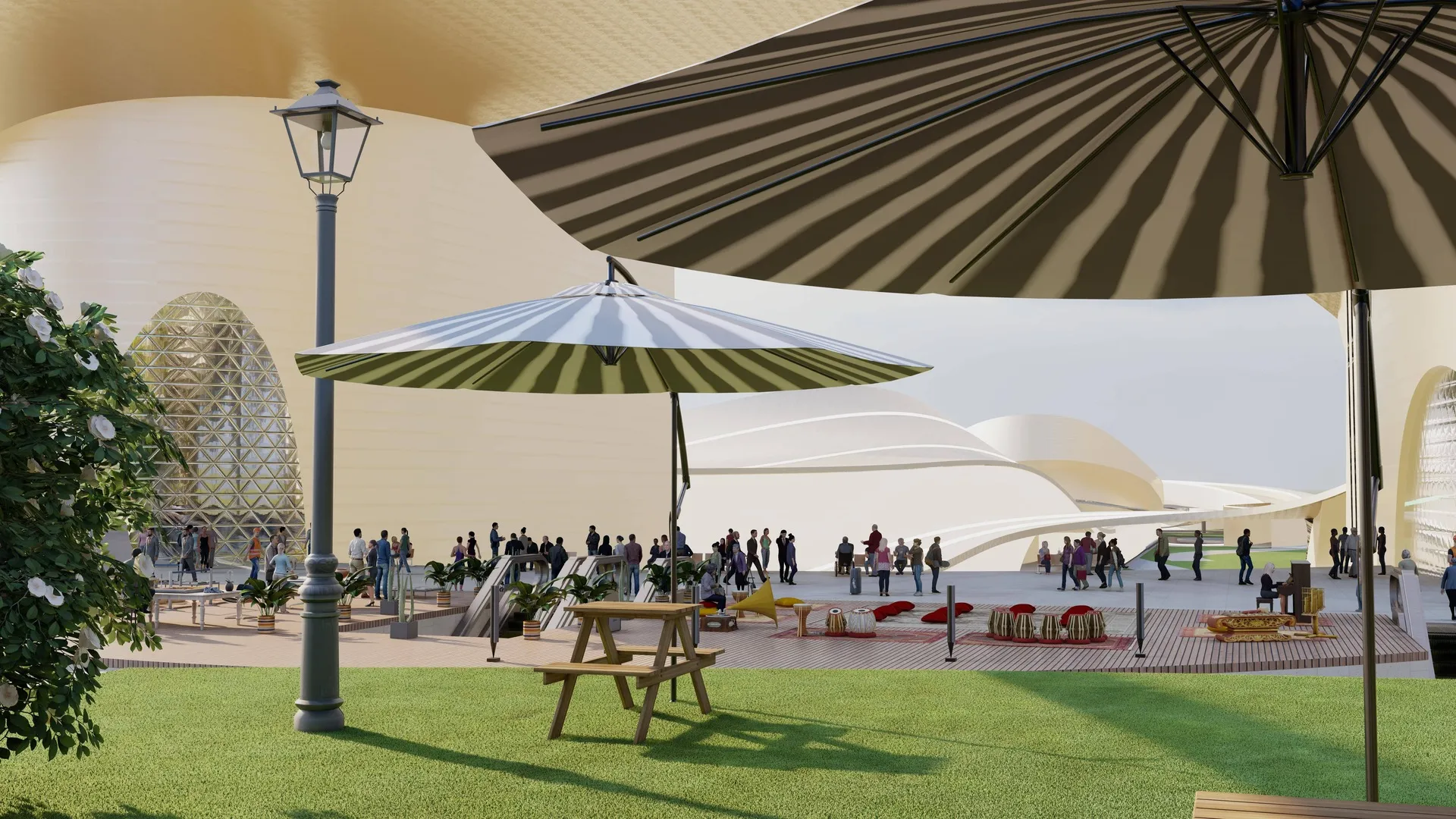
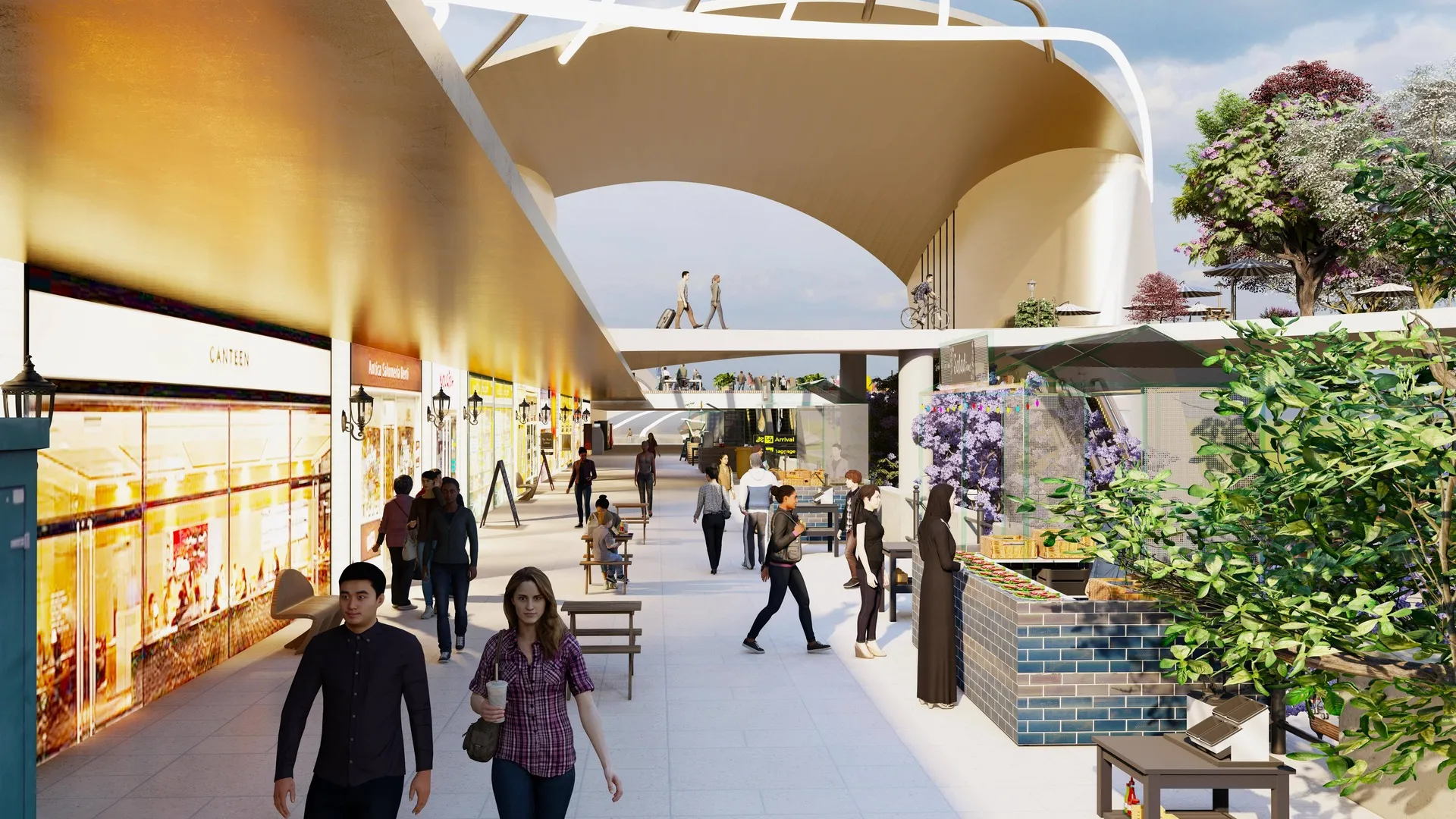
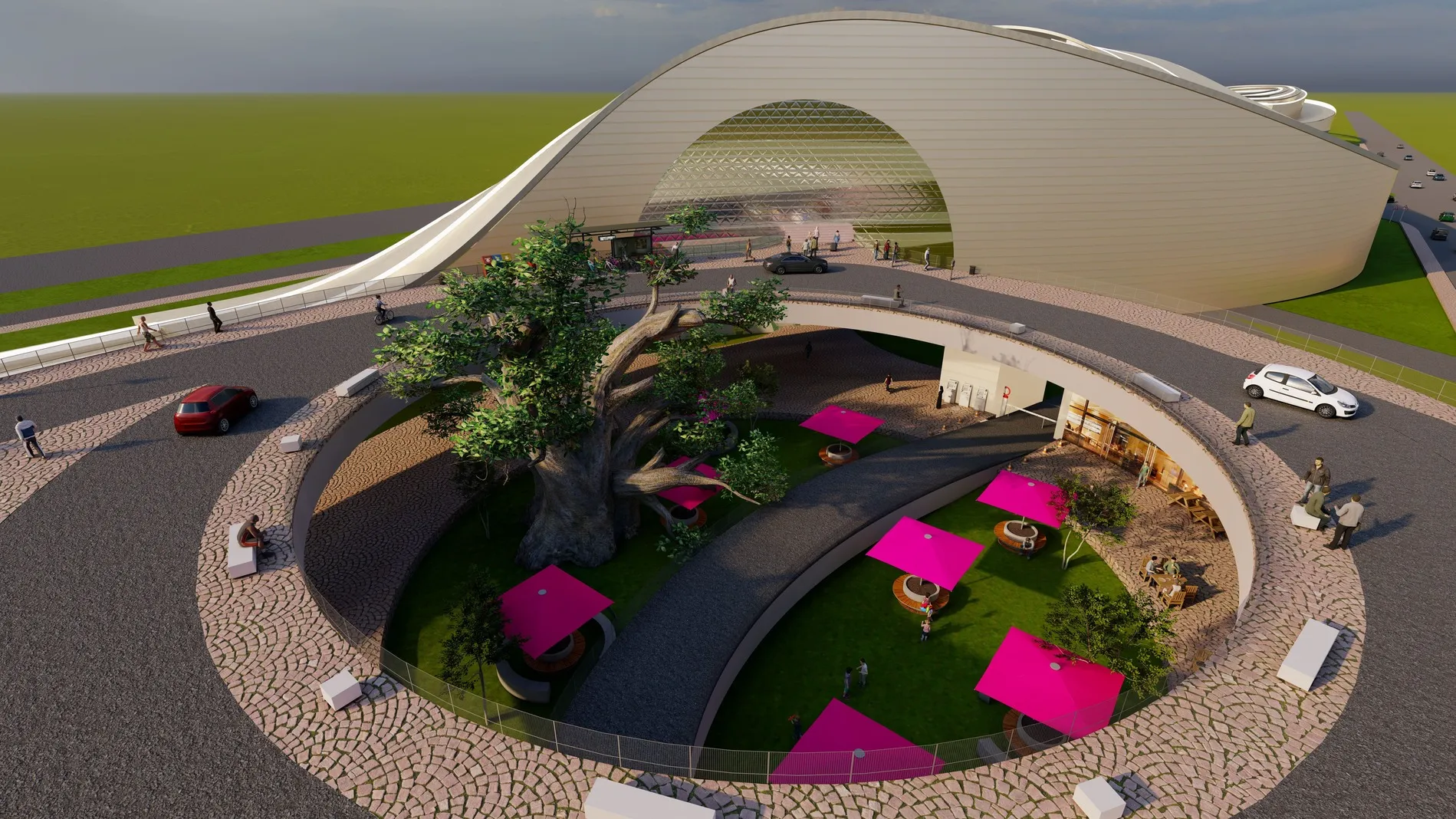
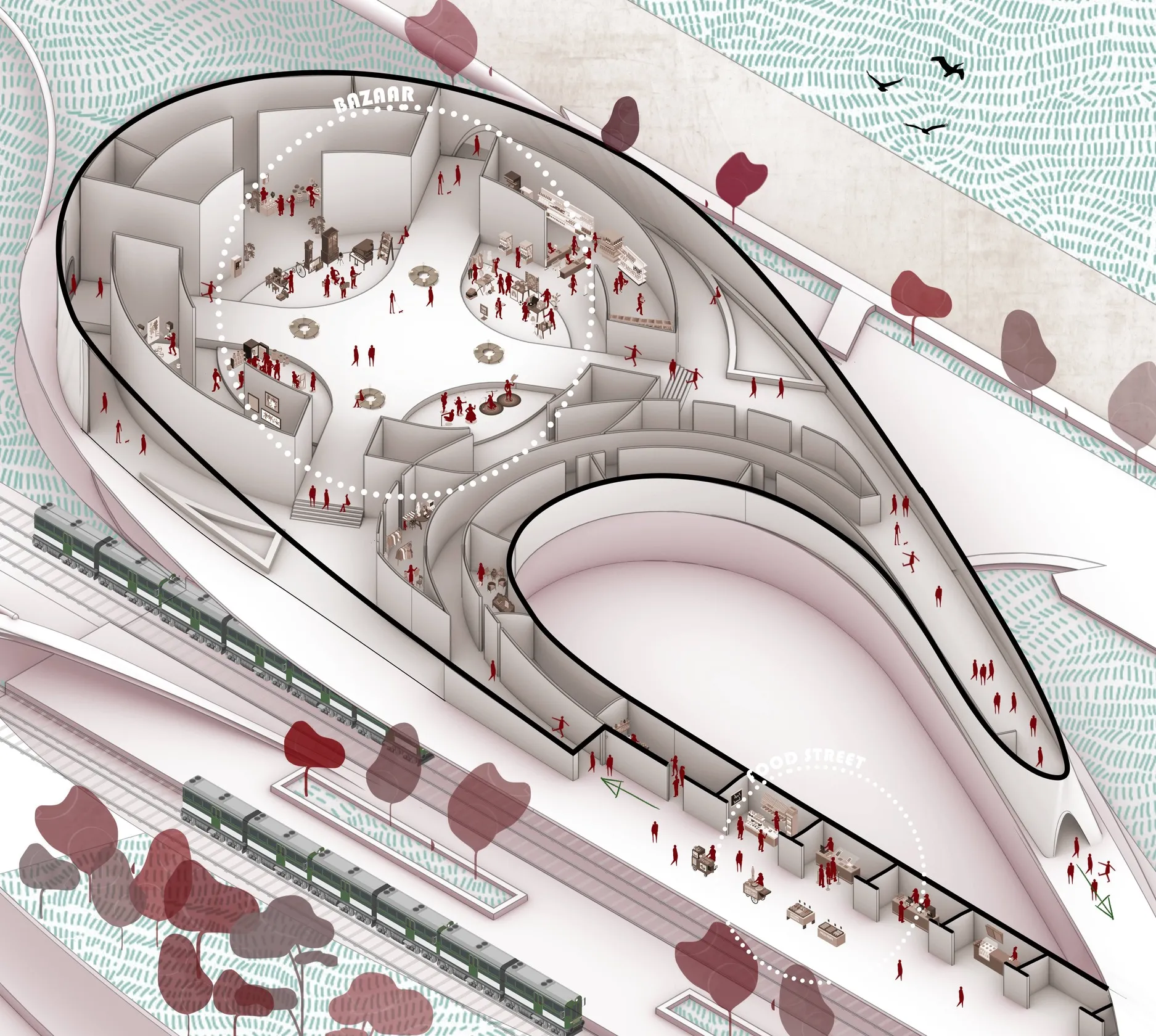
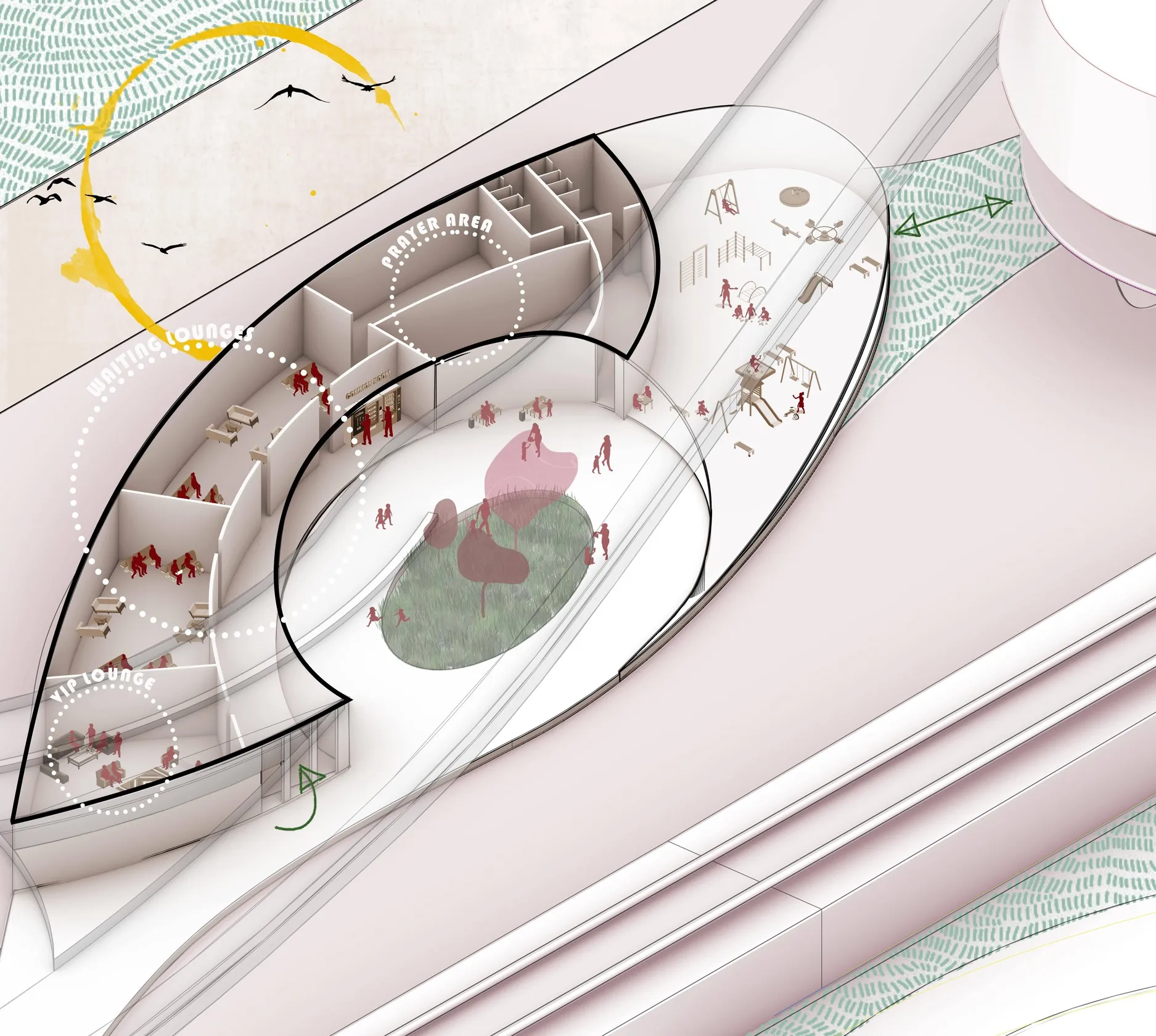
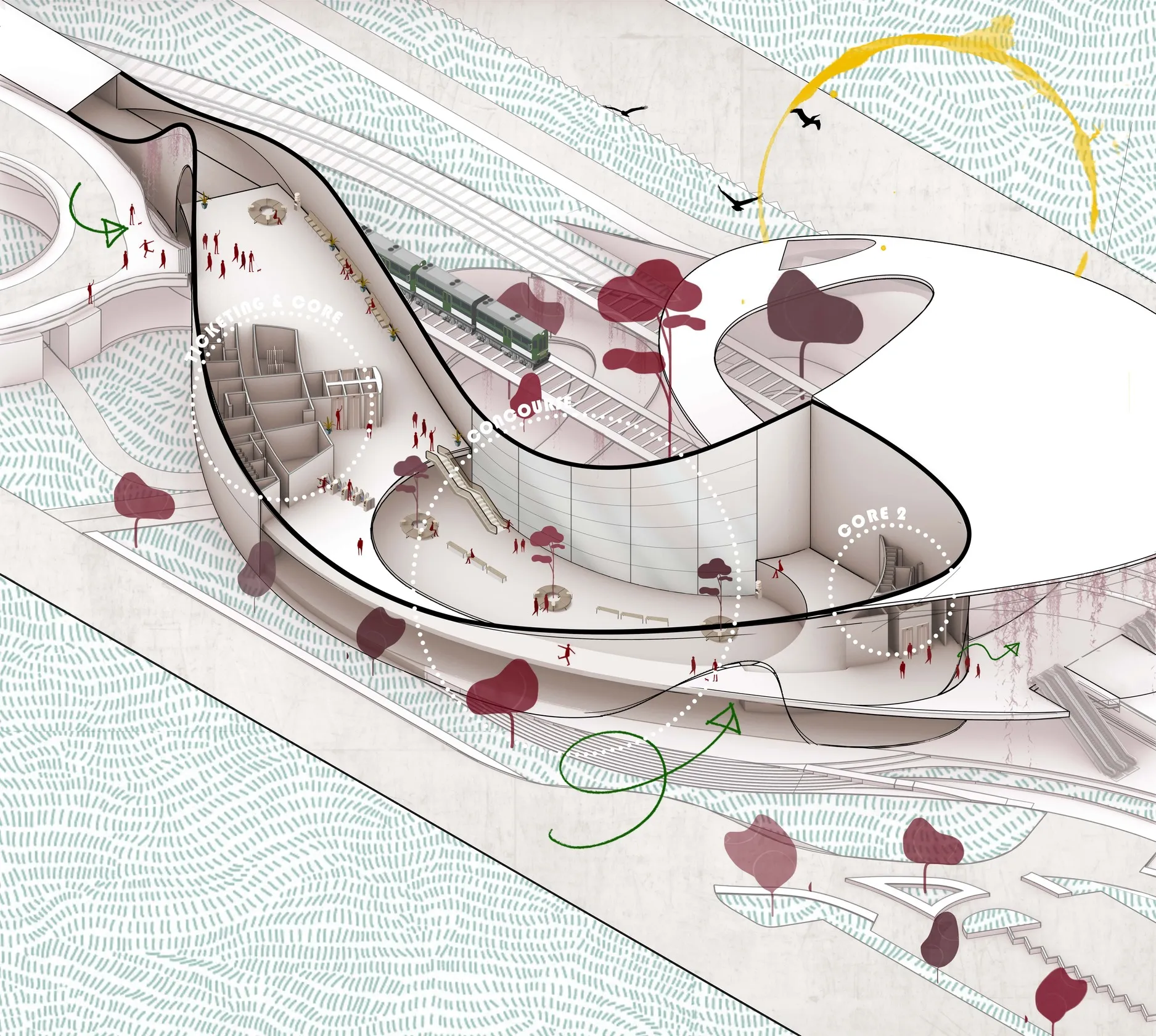
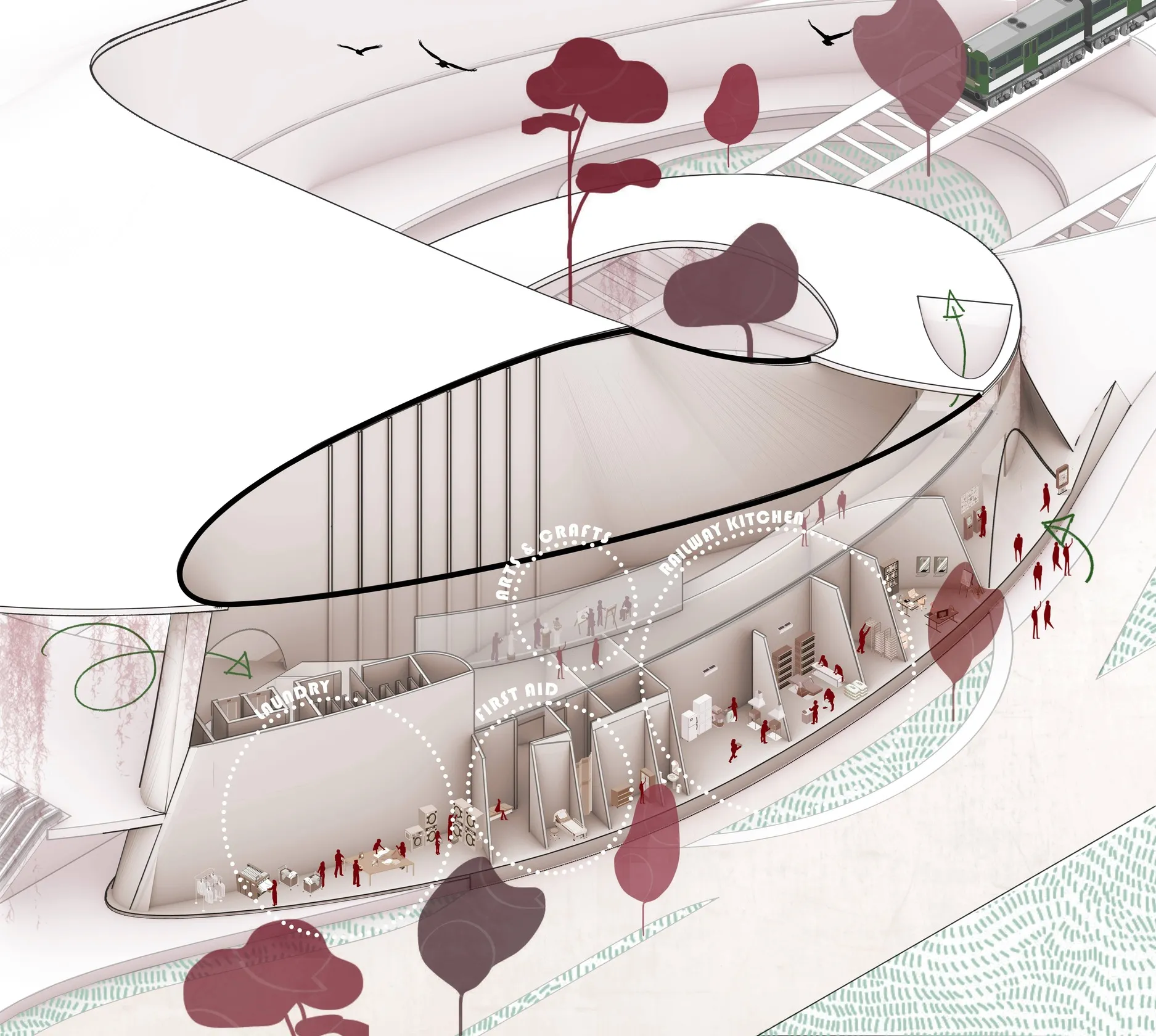
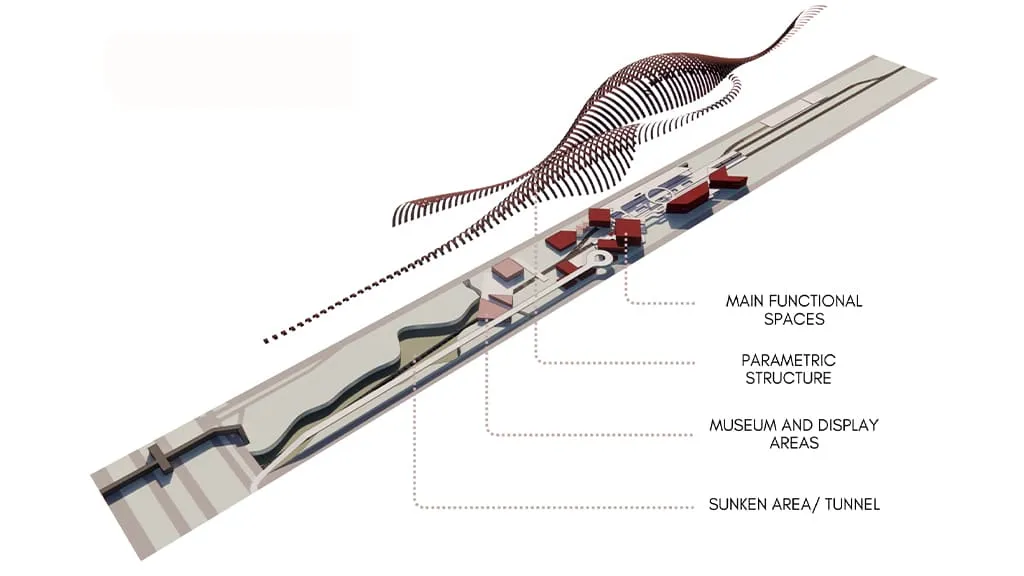
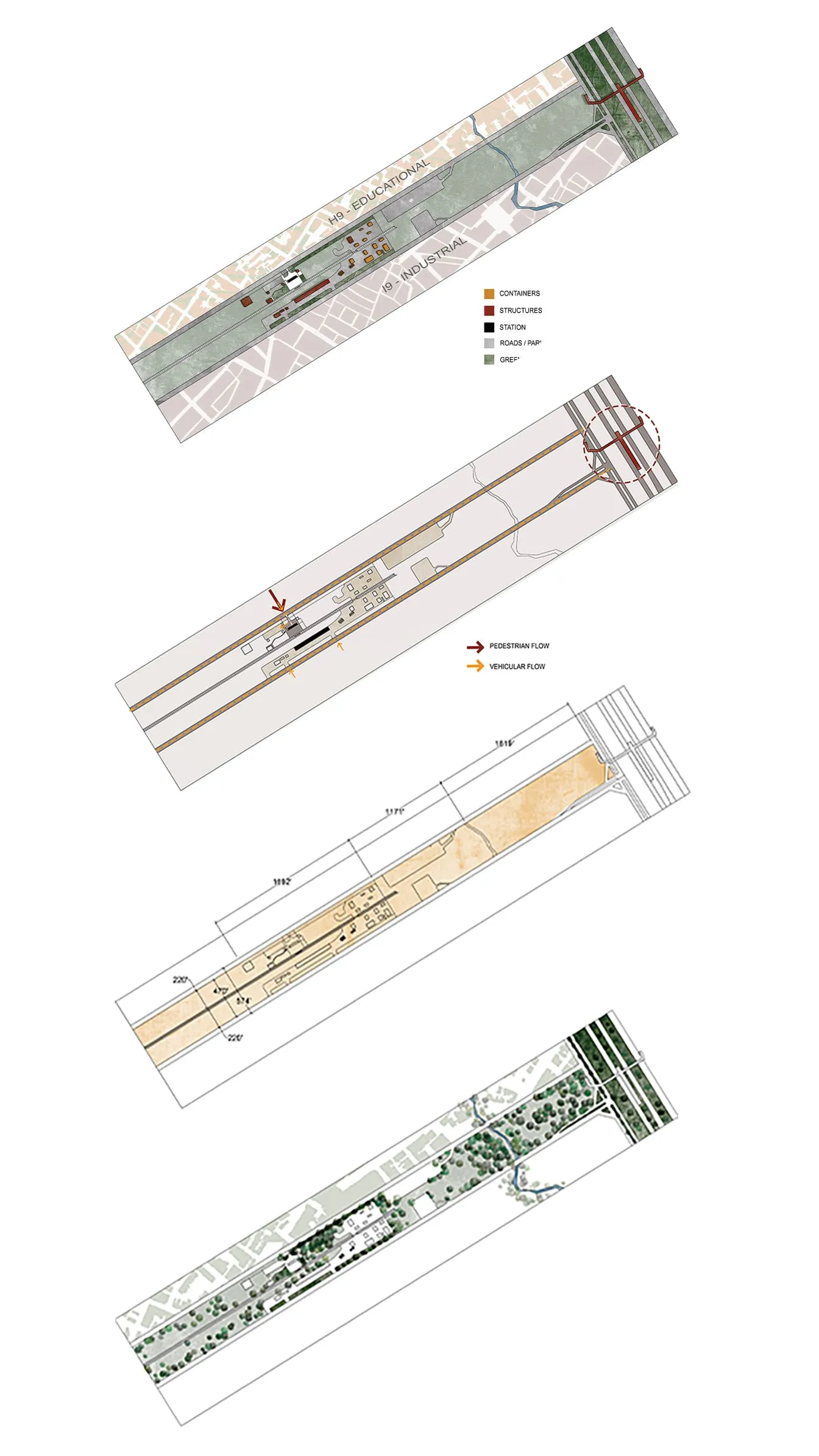
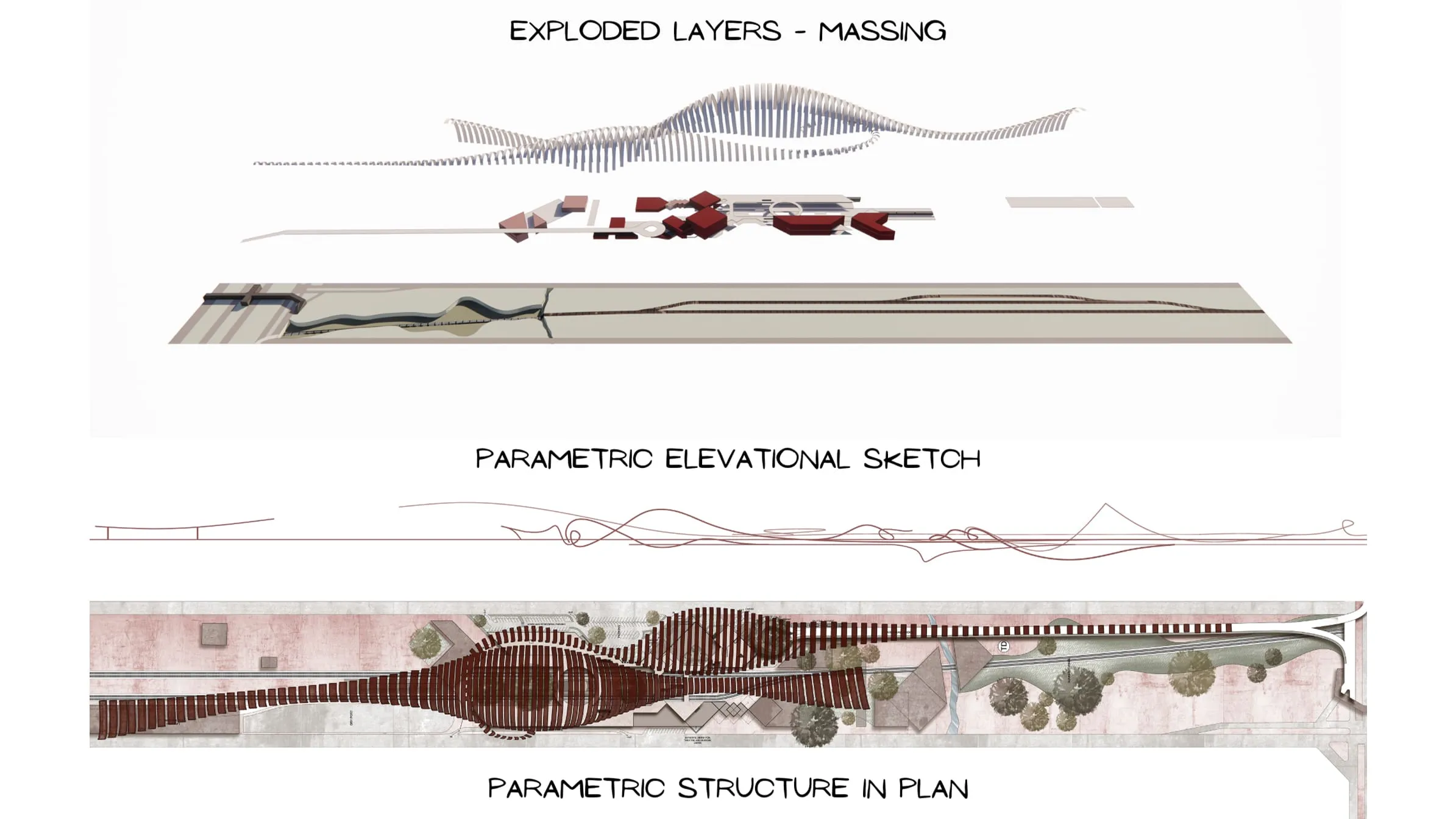
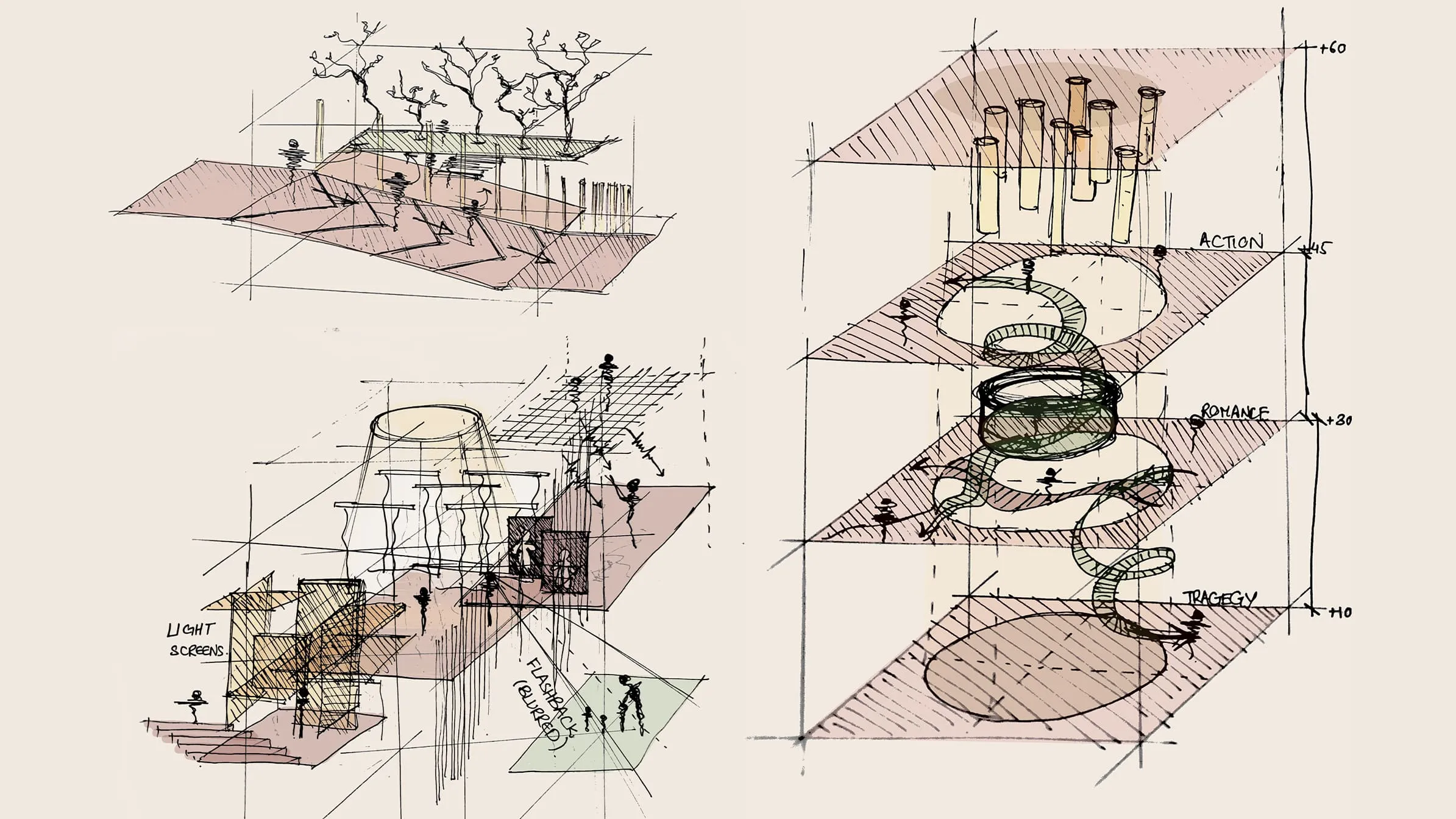
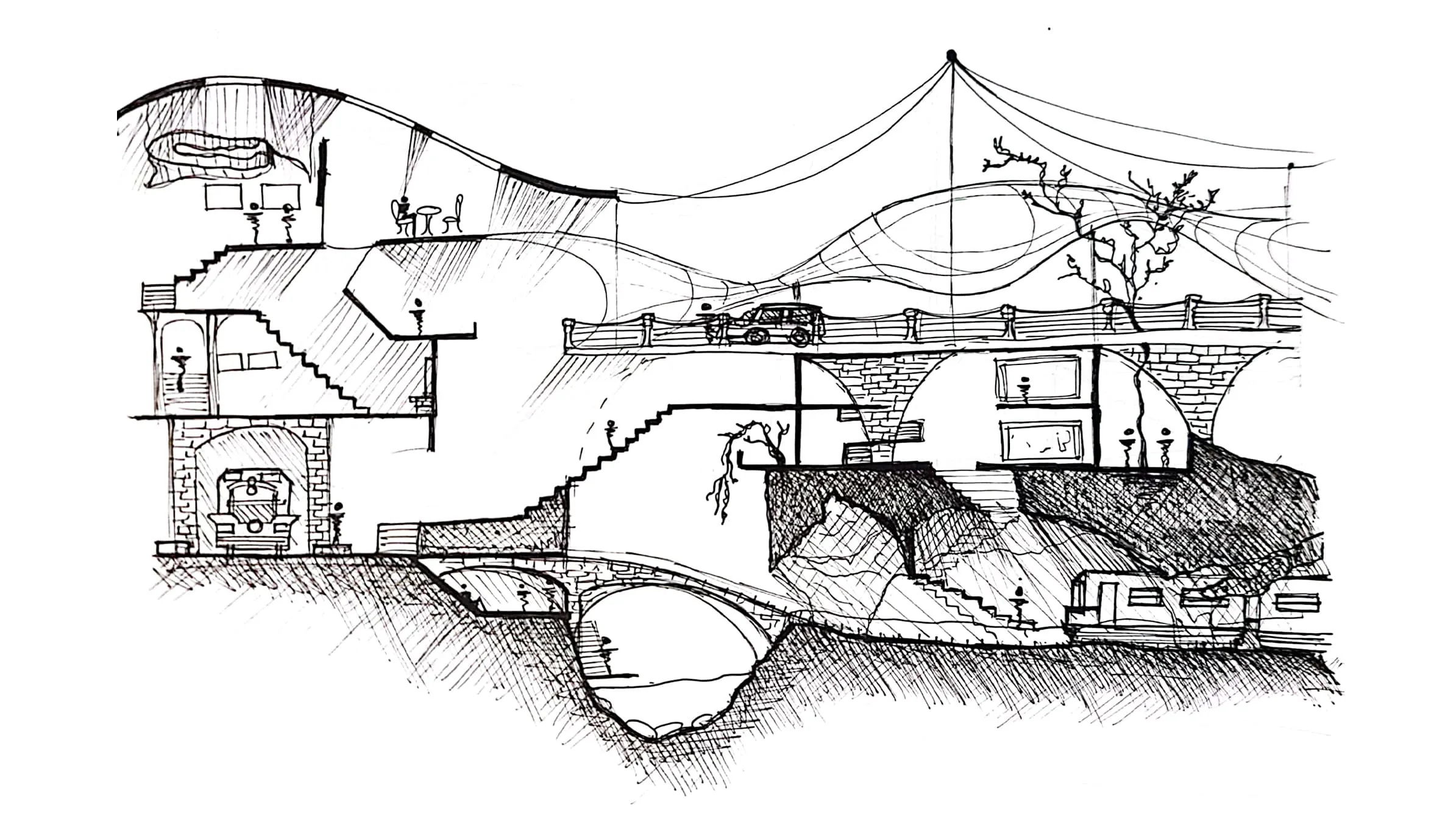
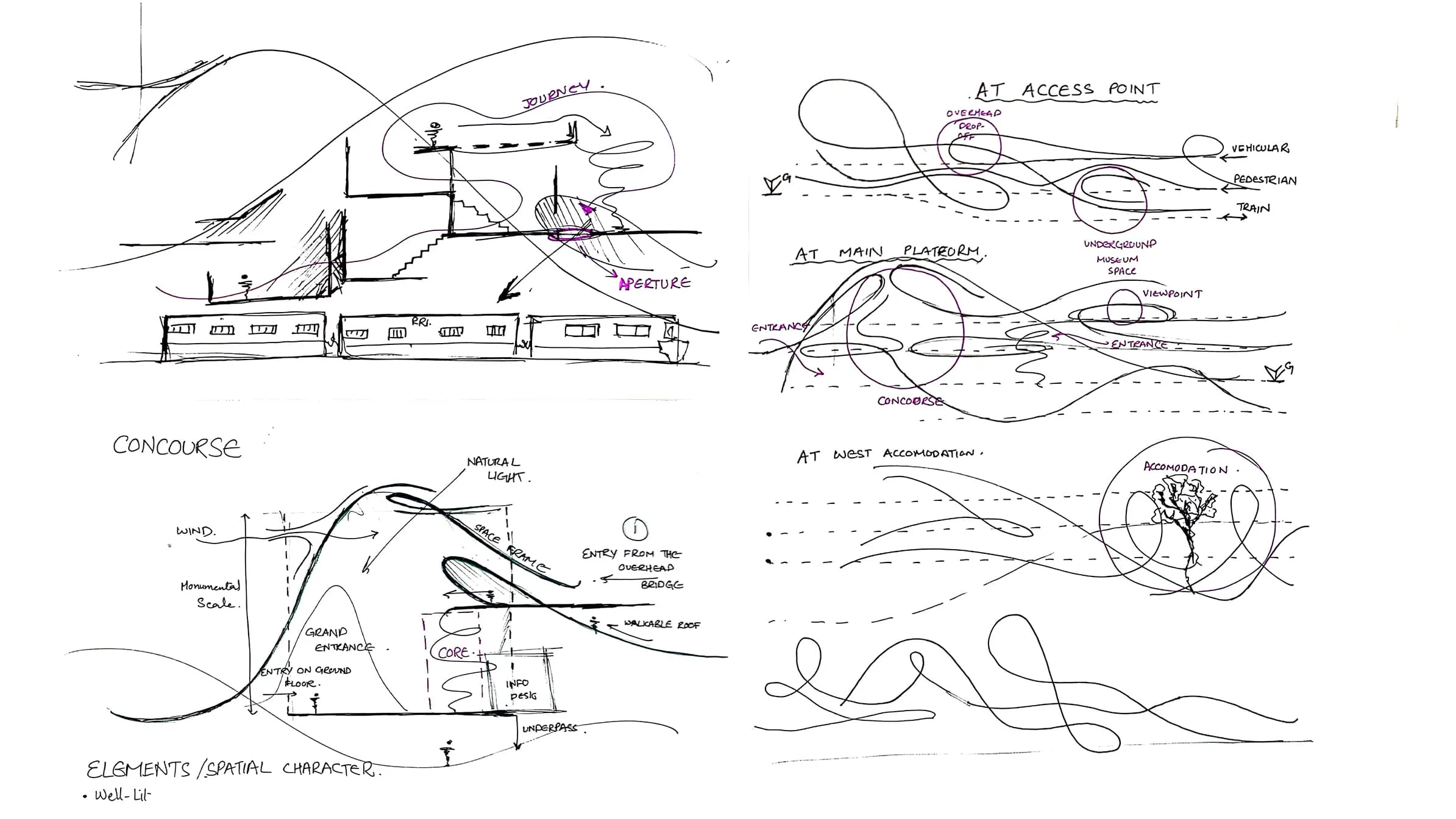
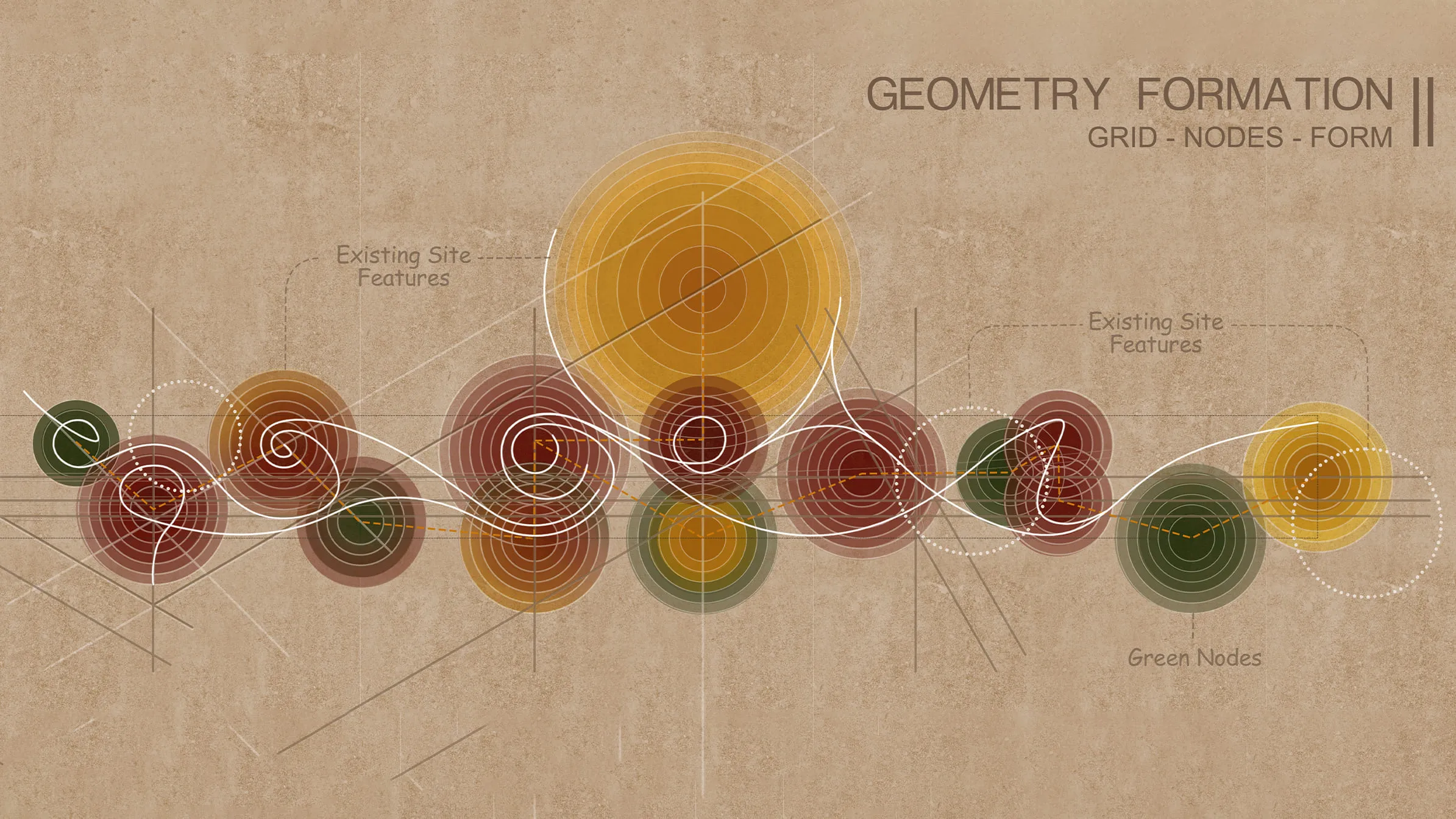
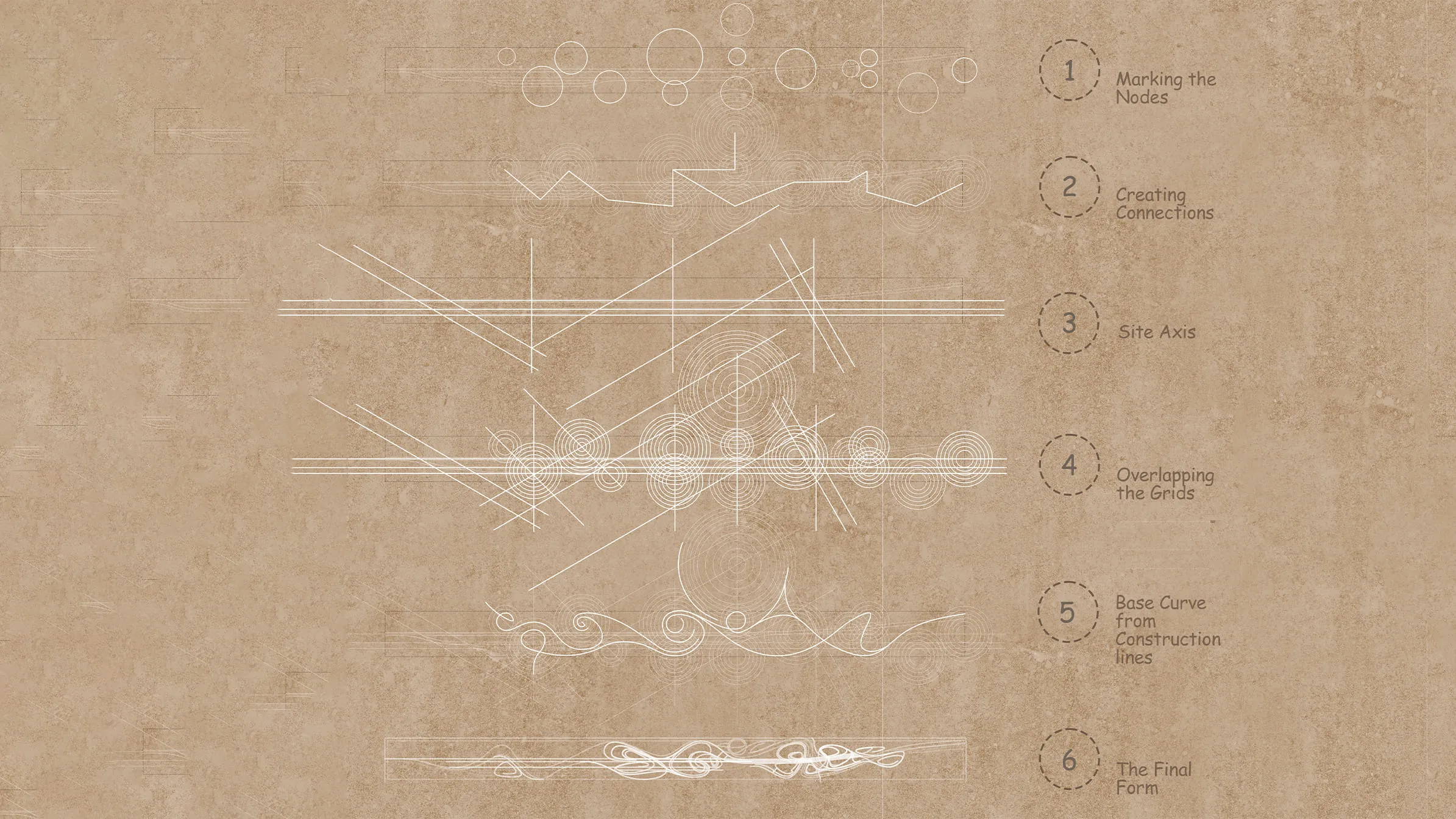


Coined as "Train of Tales, Curating Chaos" the concept juxtaposes experiences and emotions associated with railways to create an architectural narrative. This narrative aims to foster a personal connection to space, representing a tangible reality of intangible feelings and notions. It seeks to elevate Islamabad’s Margalla station's role from a mere transit point to a living narrative, capturing memories and fostering emotional connections. This approach aims to ensure social and emotional sustainability, making the station a place where people can reconnect with their cultural heritage and each other, creating a profound sense of belonging and community. The conceptual framework integrates ideas from dramaturgy, iconography and phenomenology. The design language of the project is deeply rooted in its programmatic requirements and conceptual essence. To facilitate intuitive wayfinding and user navigation, the spatial organization features curvilinear elements throughout. These fluid curves guide individuals seamlessly through various curated experiences and journeys without necessitating conscious decision-making at every turn. Instead, the circulation paths naturally flow around the space, enhancing user engagement and interaction with the built environment. The underlying grid
Contact Designers || Portfolio
You Might Find These Interesting
 DESIGNED BY: Zainab Waqas
Placeness of Space
Purana Qila Water Filtration Plant, Rawalpindi