Livable Cities
A sustainable mid-rise mixed-use housing proposal that reimagines aging government quarters in F-6/3 through walkability, form-based codes, community-driven public spaces, and inclusive urban living.
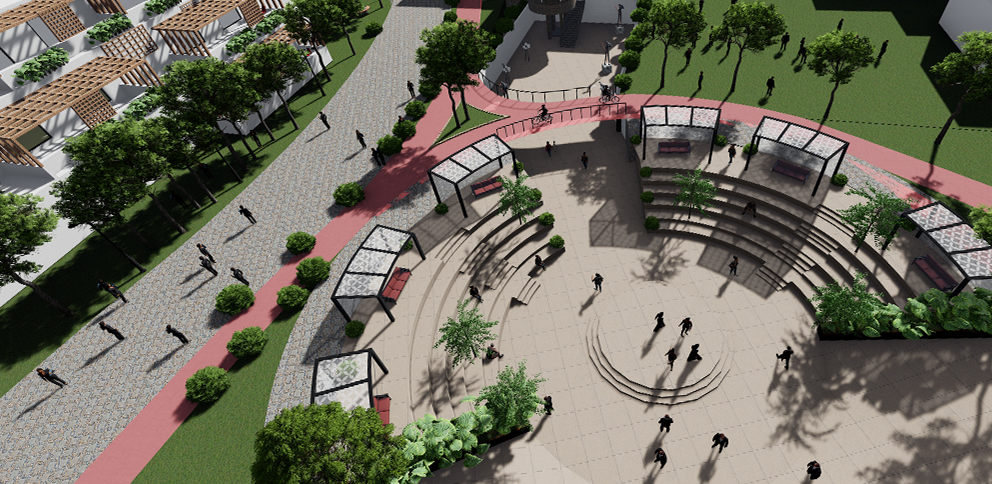
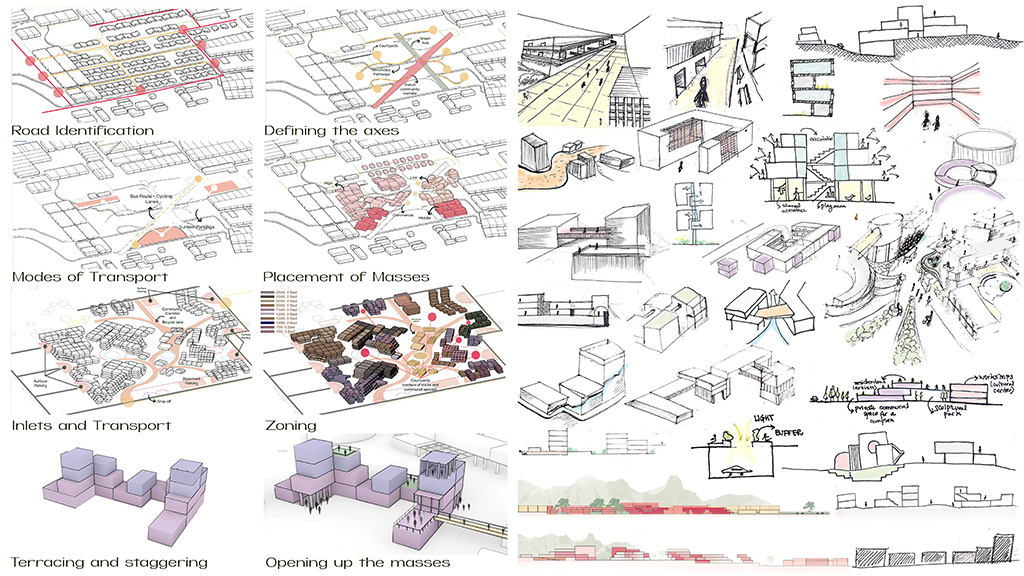
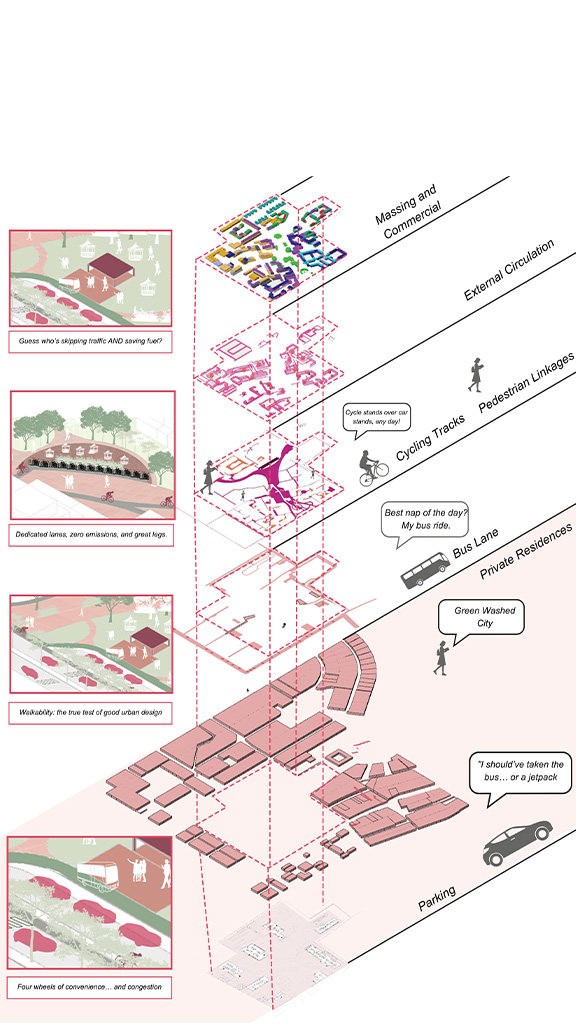
This project rethinks the aging government housing in Sector F-6/3 through sustainable, mixed-use, mid-rise development. The design shifts away from conventional zoning, re-prioritizing walkability, reduced car dependency, and integrated public spaces through form-based codes. It explores Islamabad’s origin and historical planning logic, referencing Doxiadis’s structure and analyzing unit sizes, urban clusters, and government housing typologies. The research examines changing densities and proposes a strategic mix of building heights to improve capacity. Site analysis highlights gaps in public mobility, lack of inclusivity for middle and lower-income residents, and the disconnect between workplaces and housing. The research draws inspiration from artist Anwar Saeed to incorporate climate-responsive and culturally grounded design elements into a contemporary urban vision.
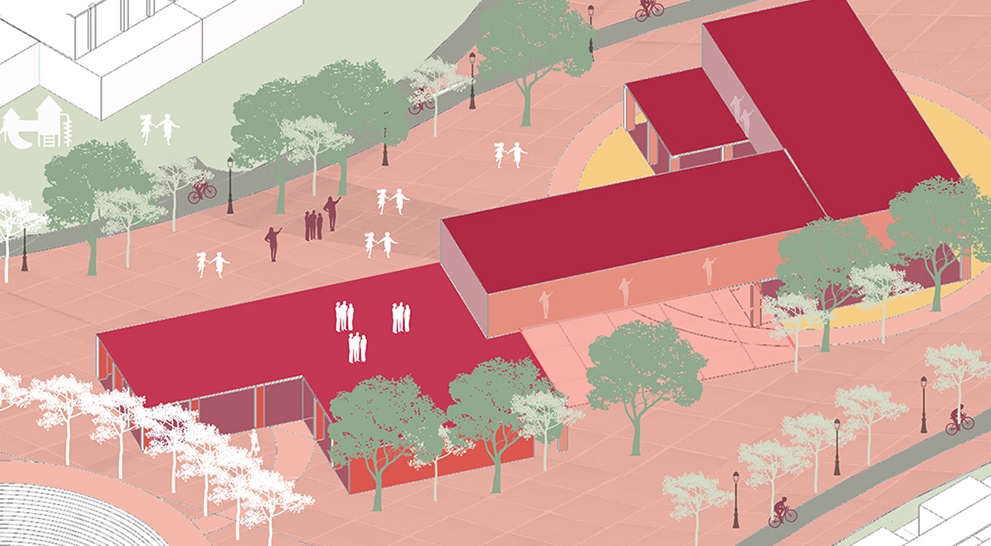
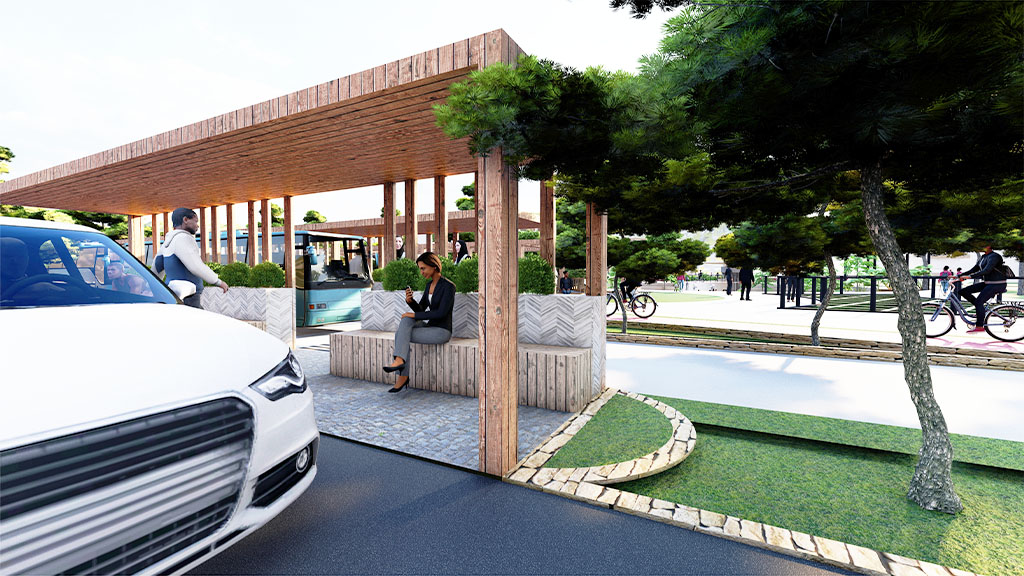
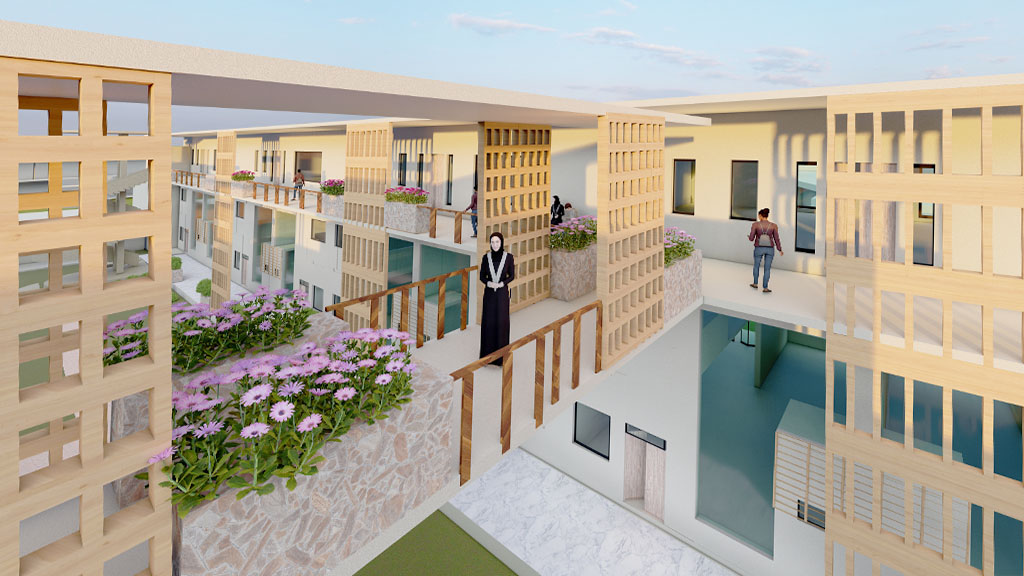
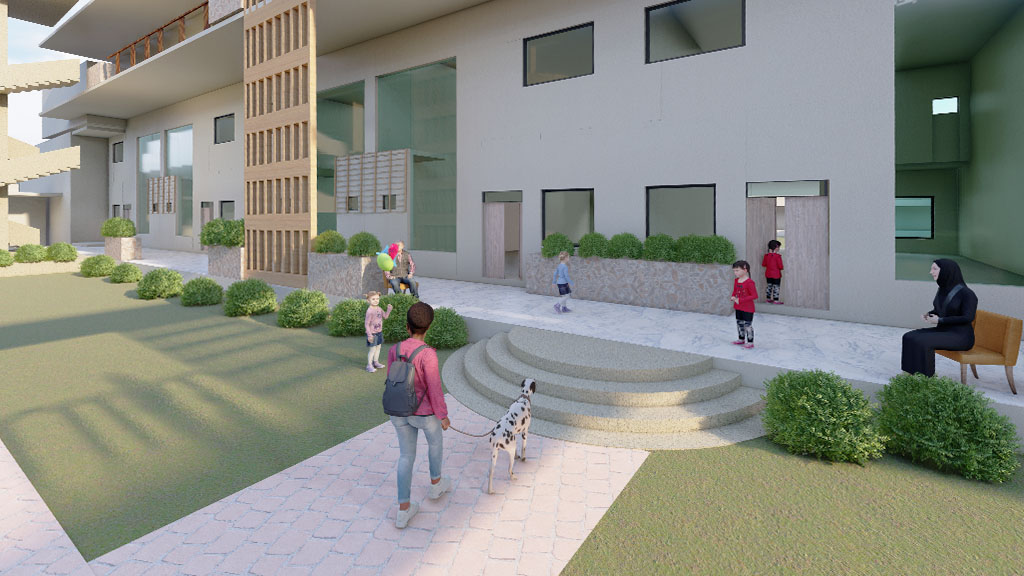
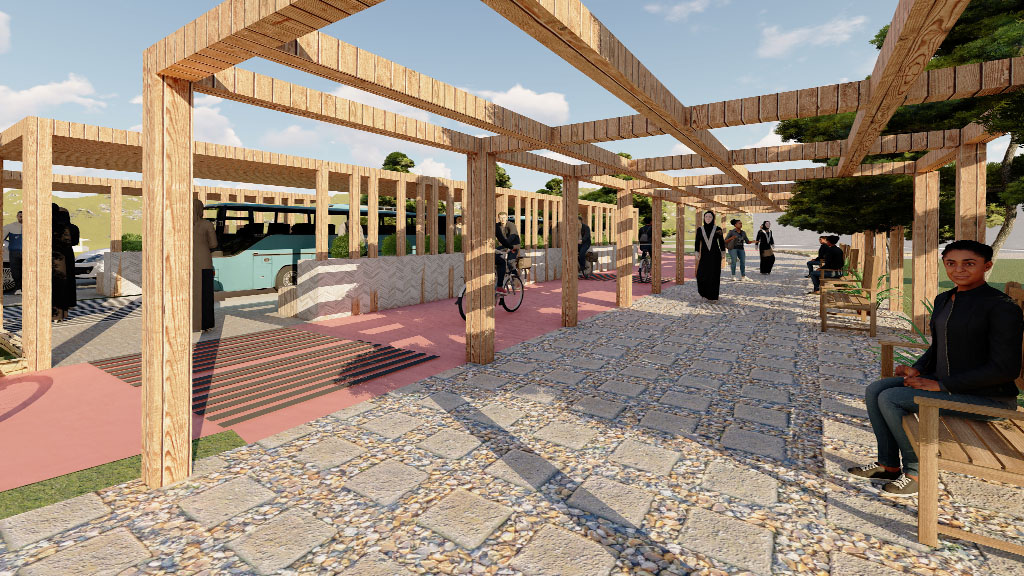
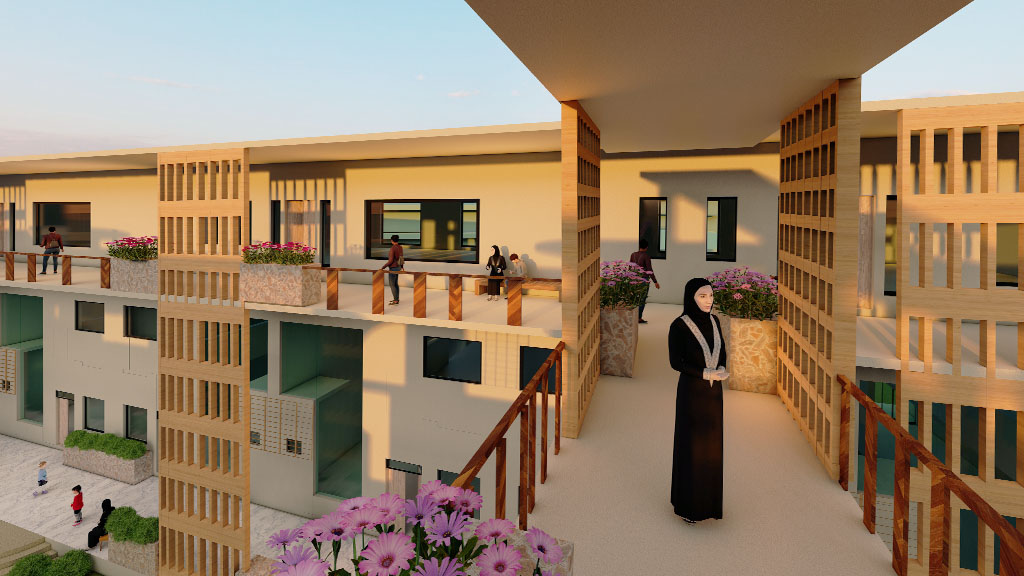
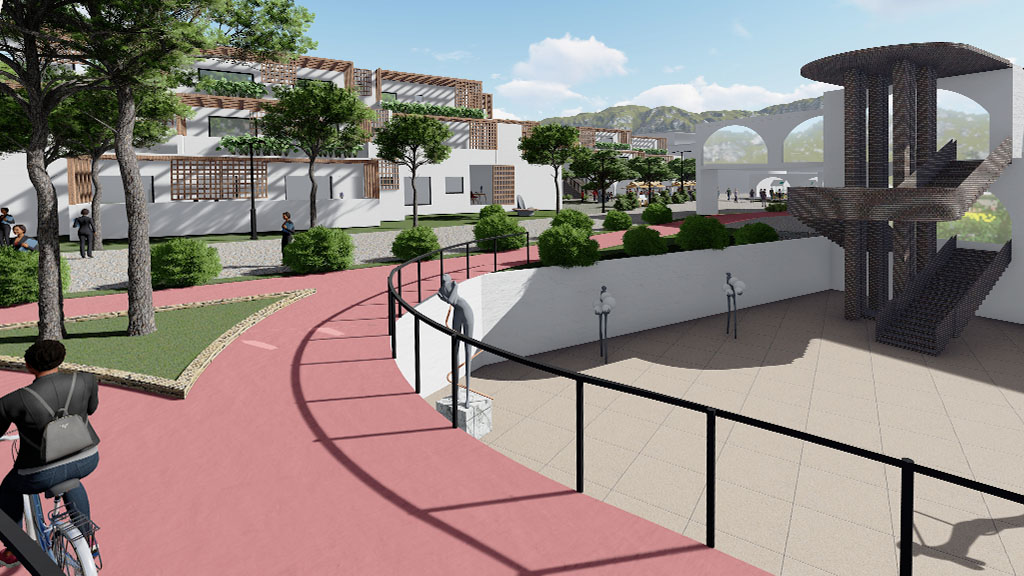
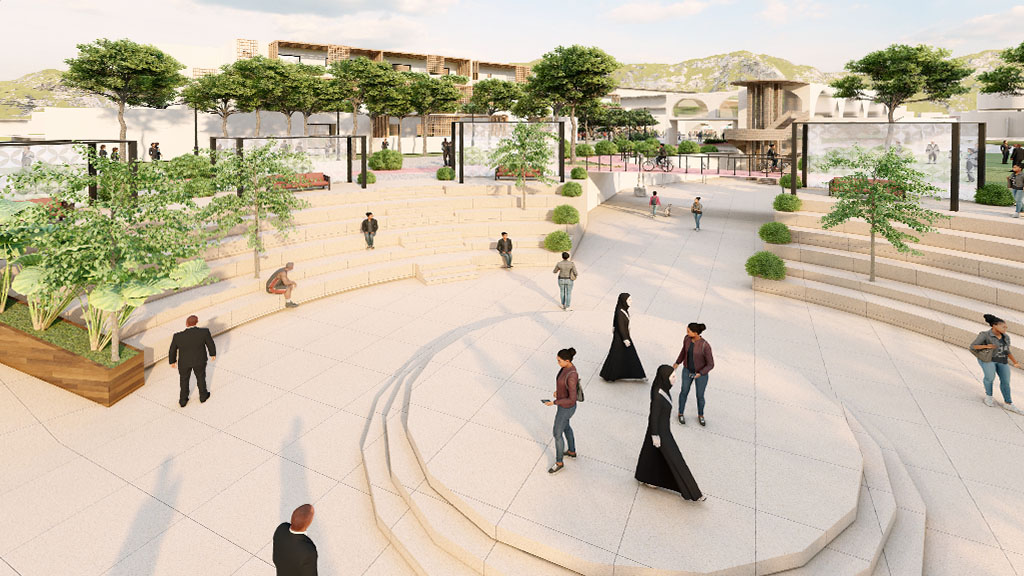
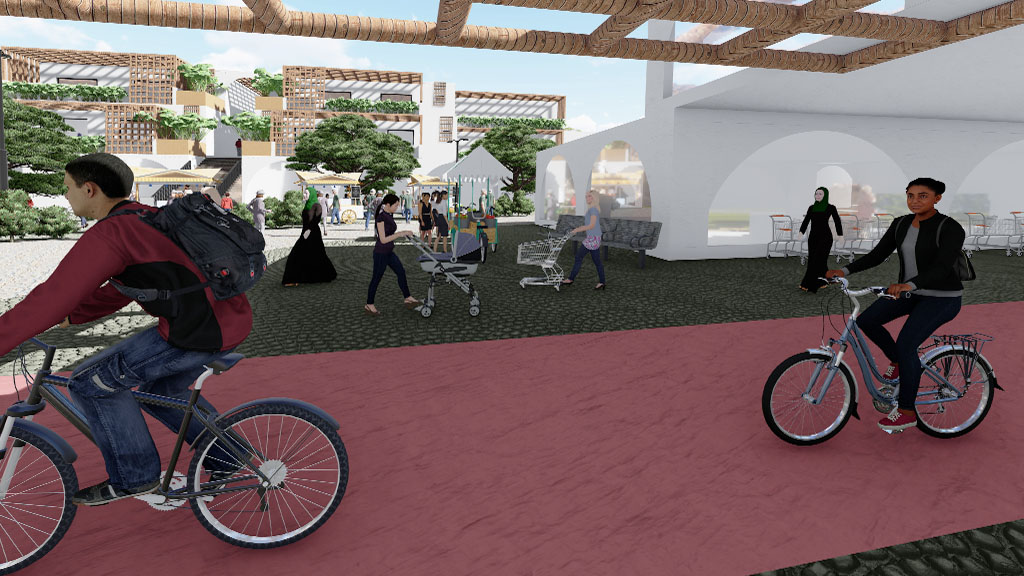
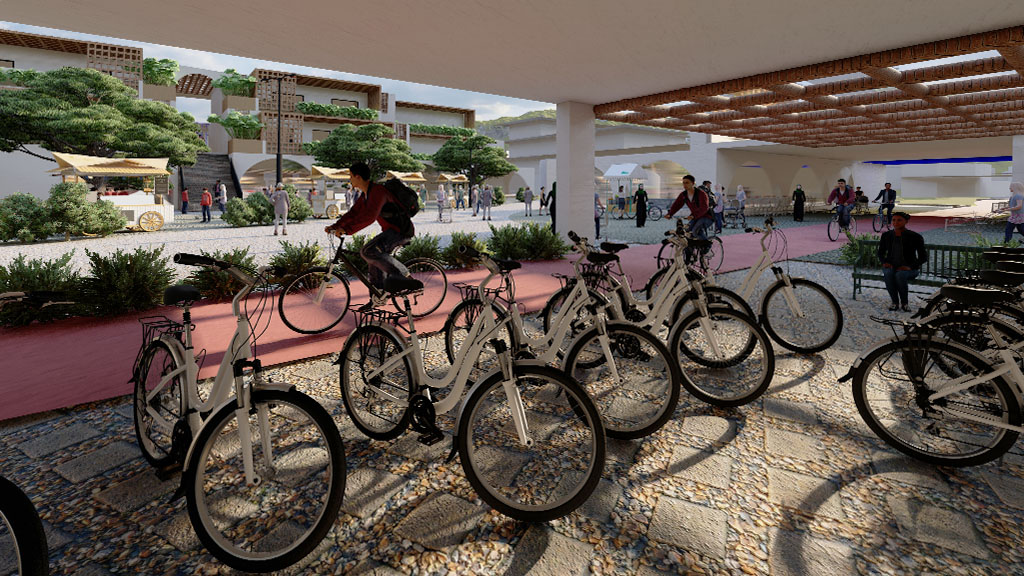
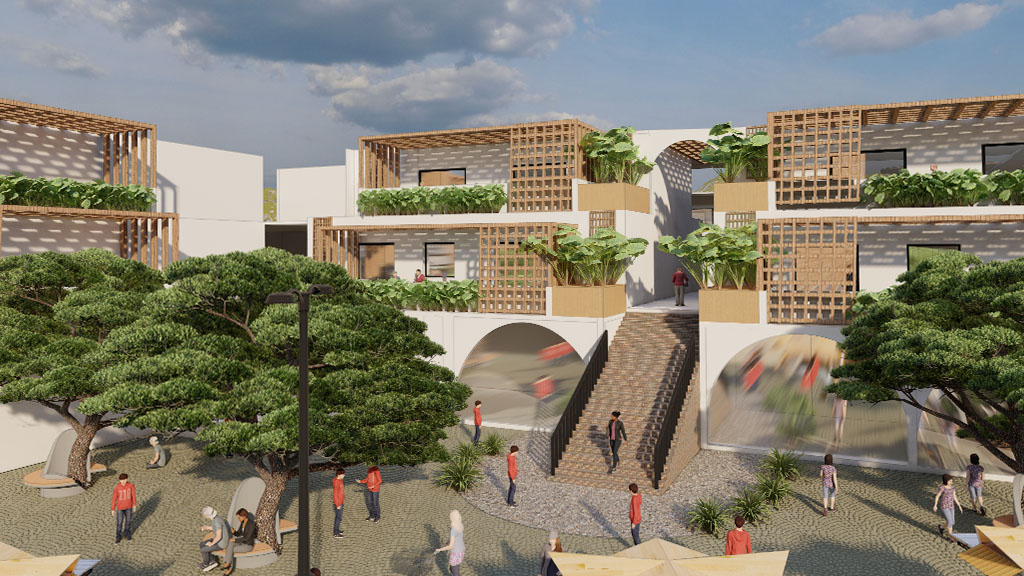
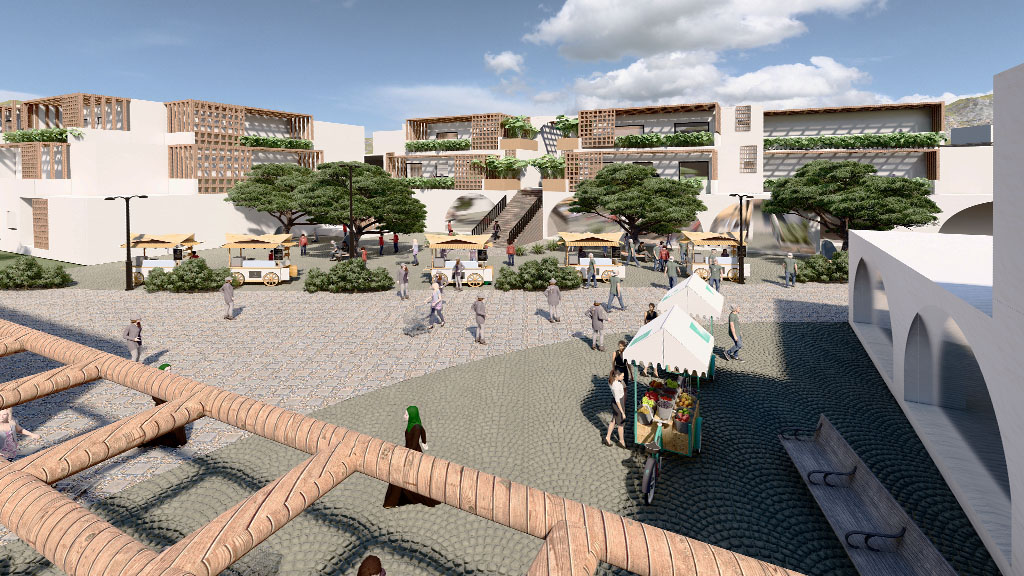
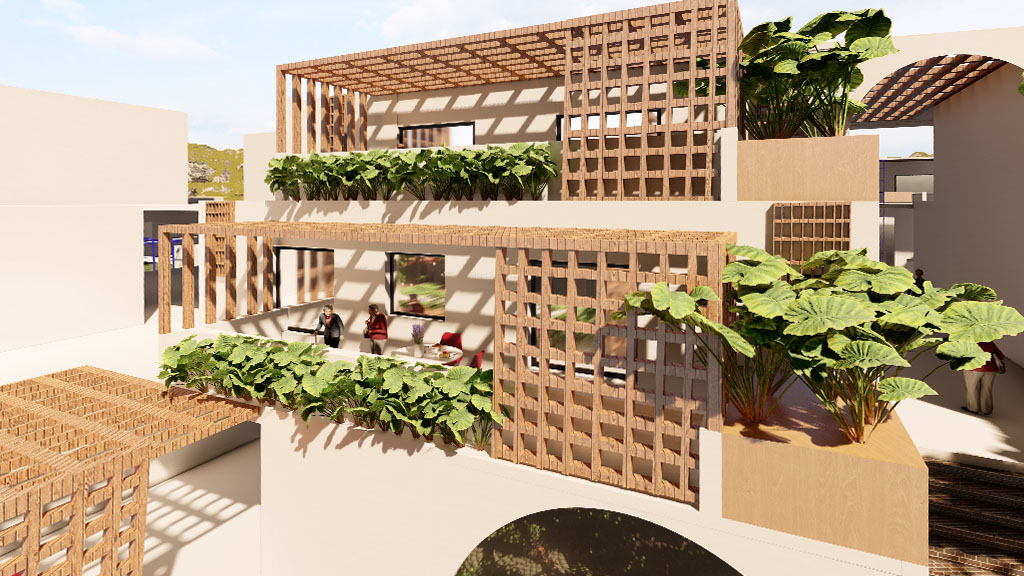
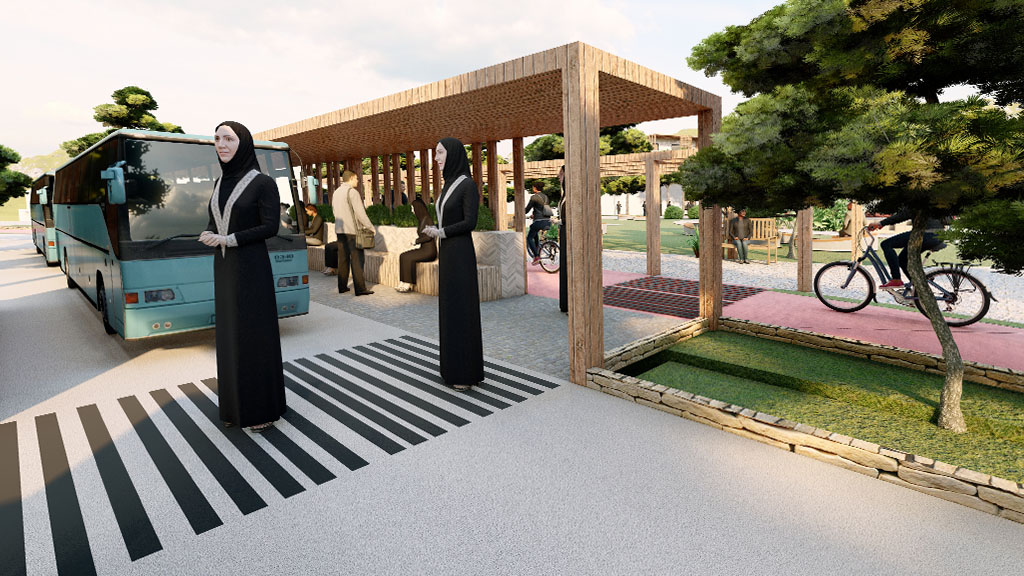
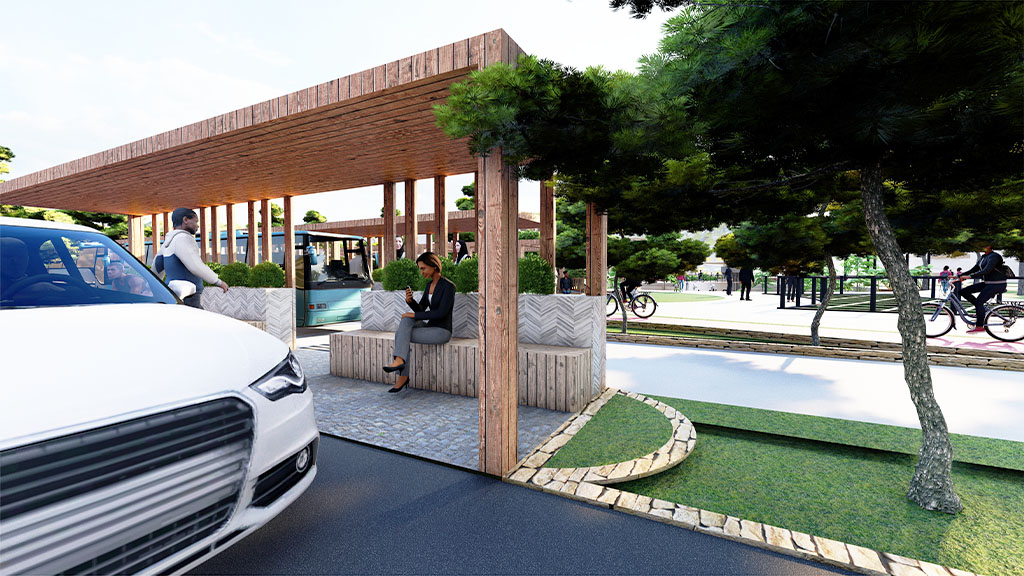
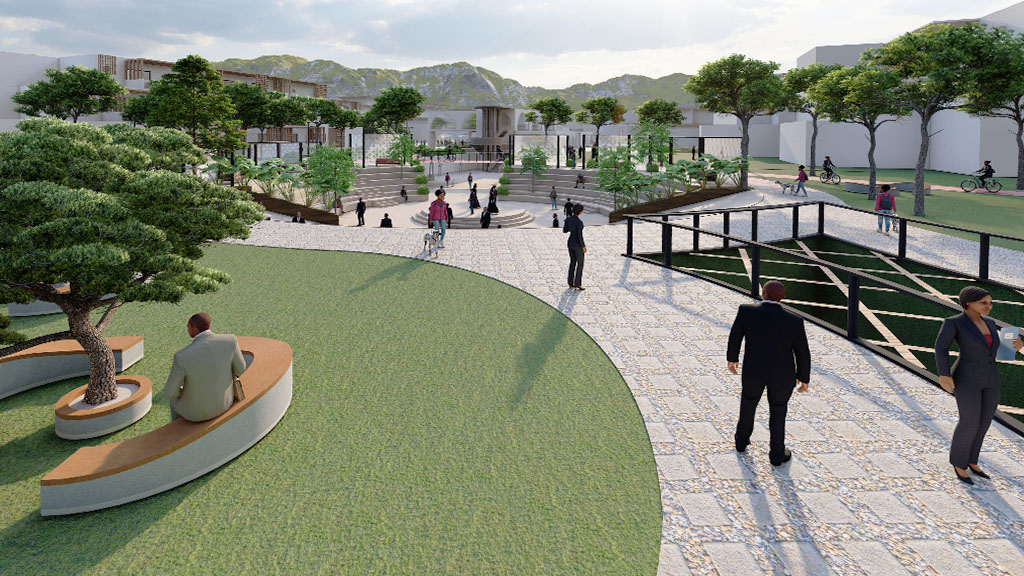
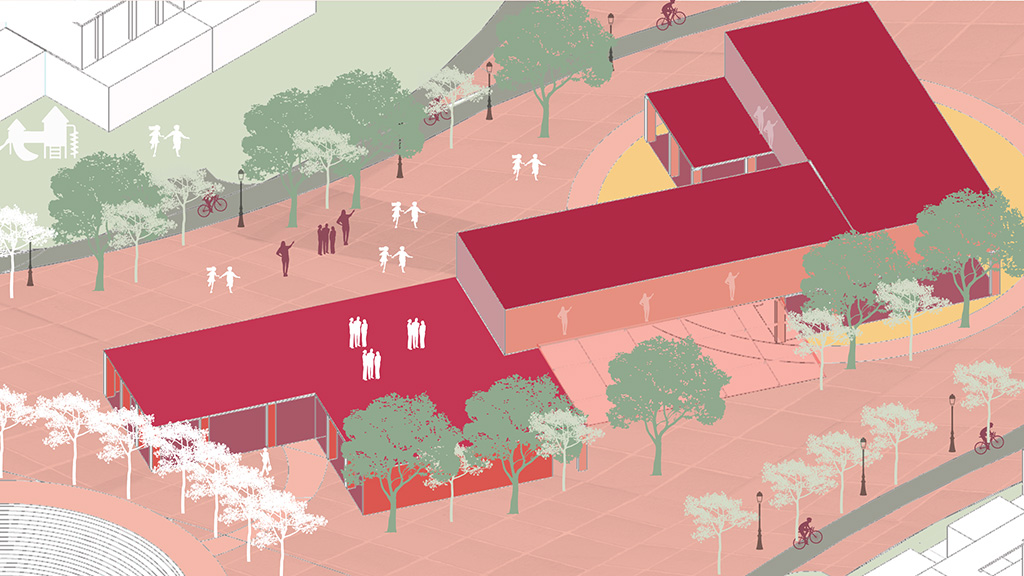
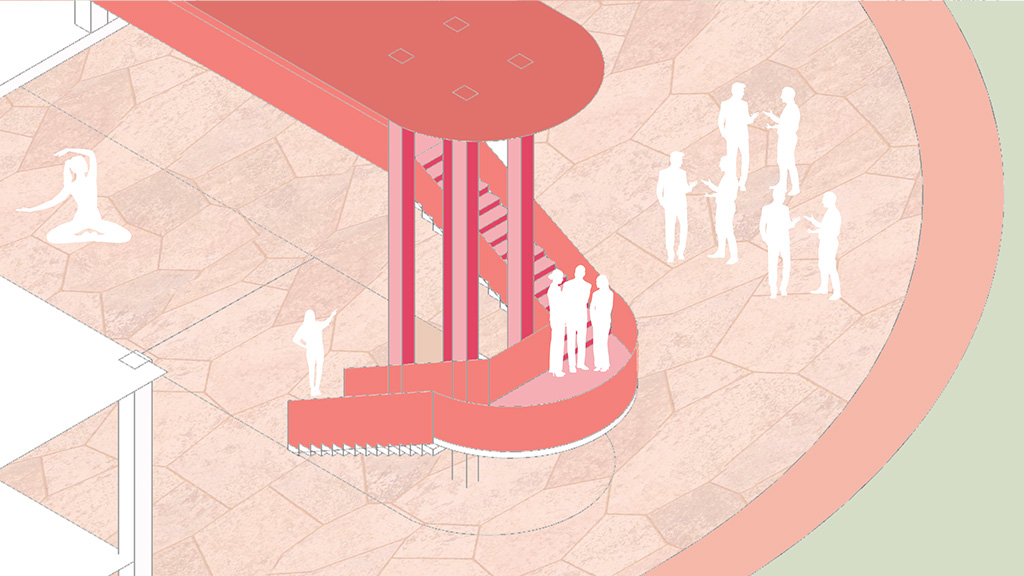
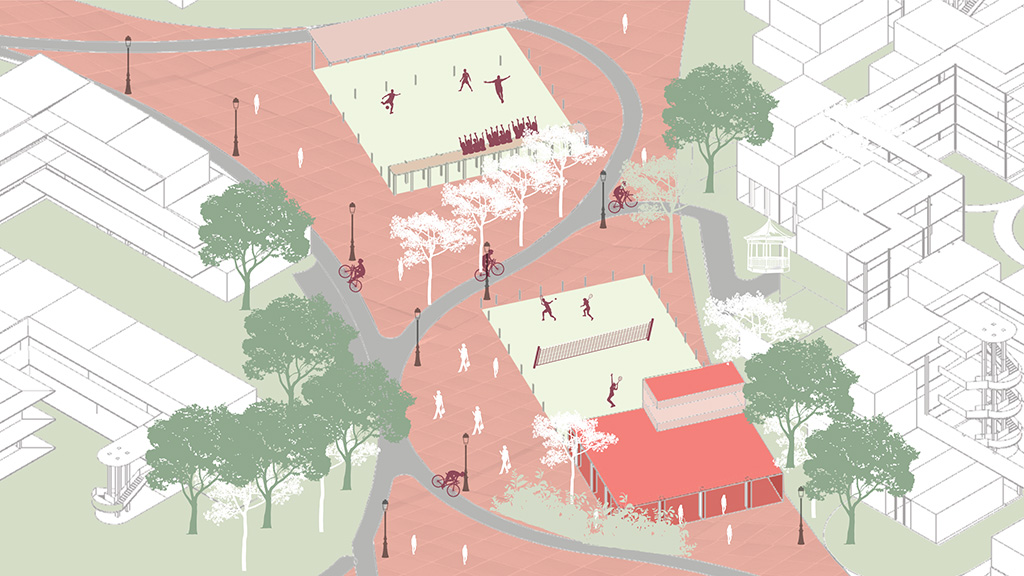
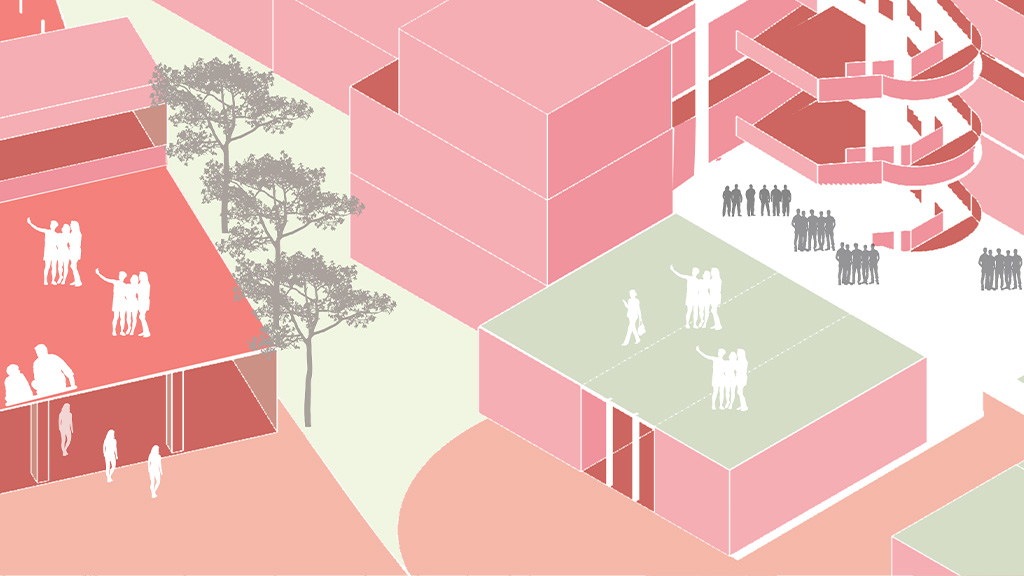
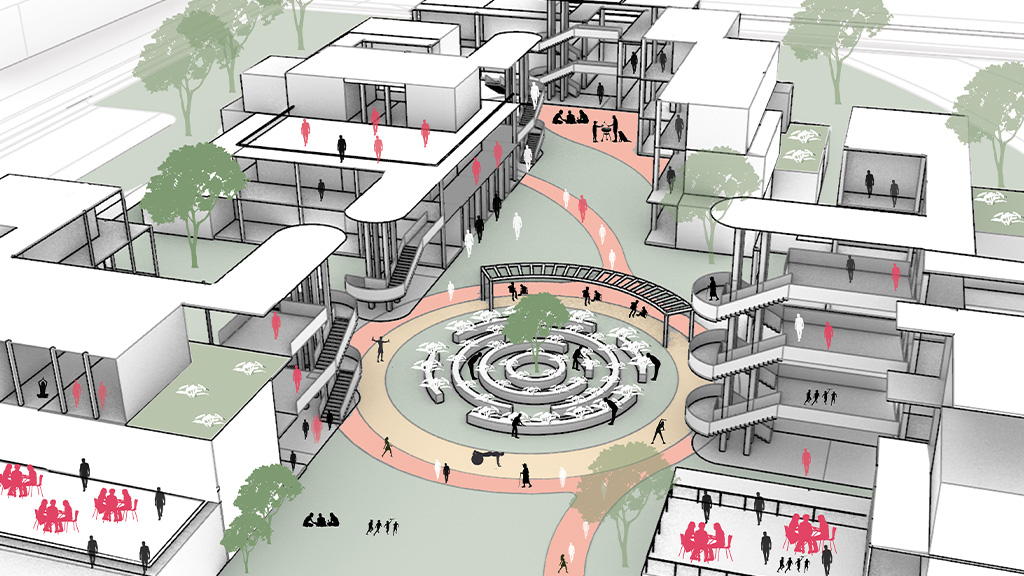
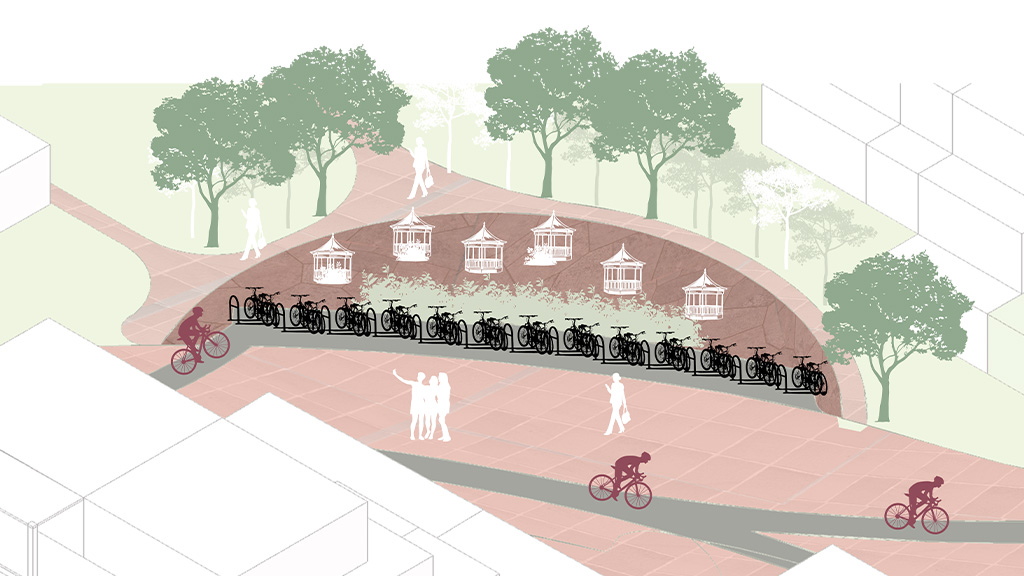
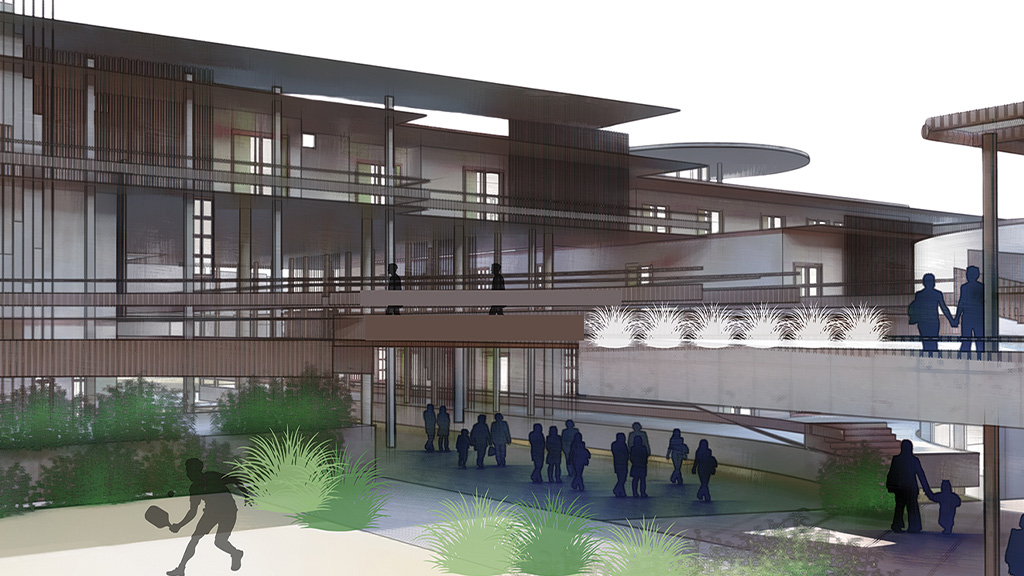
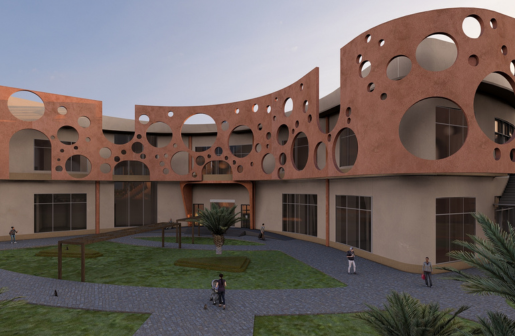
The design reimagines Doxiadis’s vision by creating an inclusive and mixed-income residential development that integrates studios to townhouses within a layered urban fabric. A central pedestrian spine connects F-6 Markaz, Kohsar Market, and CDA Park, enabling daily life to unfold through walkable proximities. The corridor transitions into semi-private courtyards and public plazas, shaping the movement from urban to neighborhood scale. A feeder bus loop connects metro stations, while cars are shifted to peripheral and basement parking to prioritize walking and cycling. Architectural strategy clusters apartments into intimate pockets, communal courtyards, and shared terraces that encourage interaction. Shared amenities such as gardening terraces, lounges, and viewing decks enable everyday rituals of interaction. Inspired by Anwar Saeed’s visual language, circular forms soften the linear grid, creating sensitivity, rhythm, and spatial flow at the micro scale.
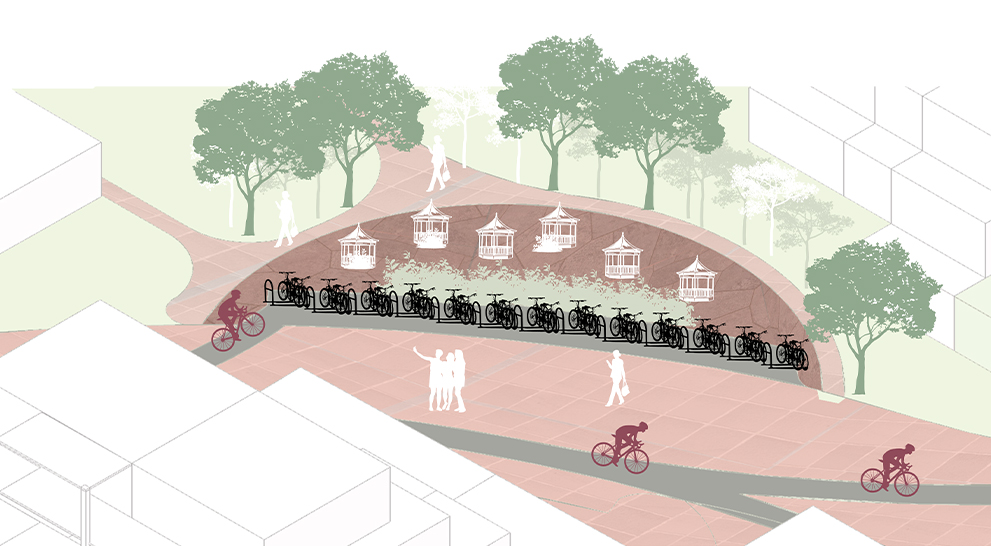
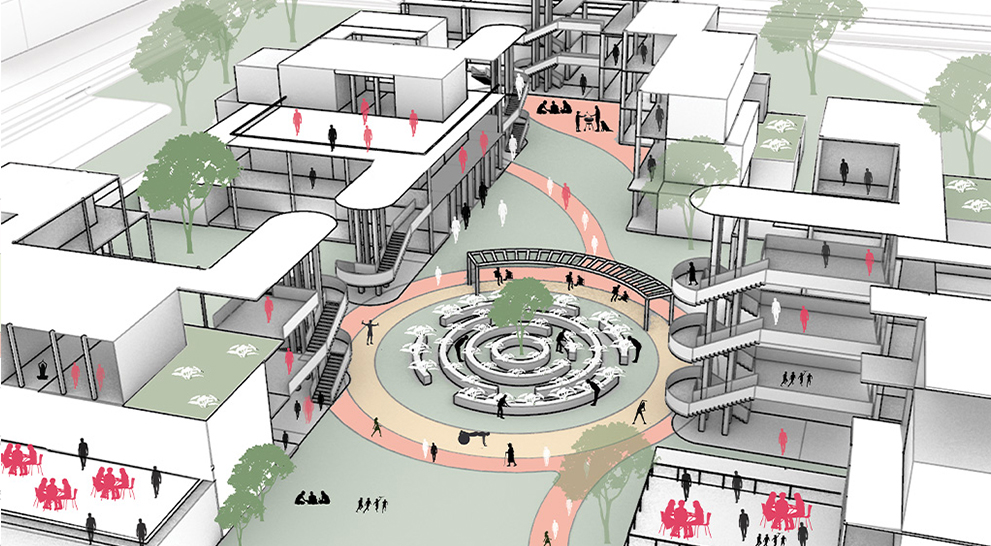
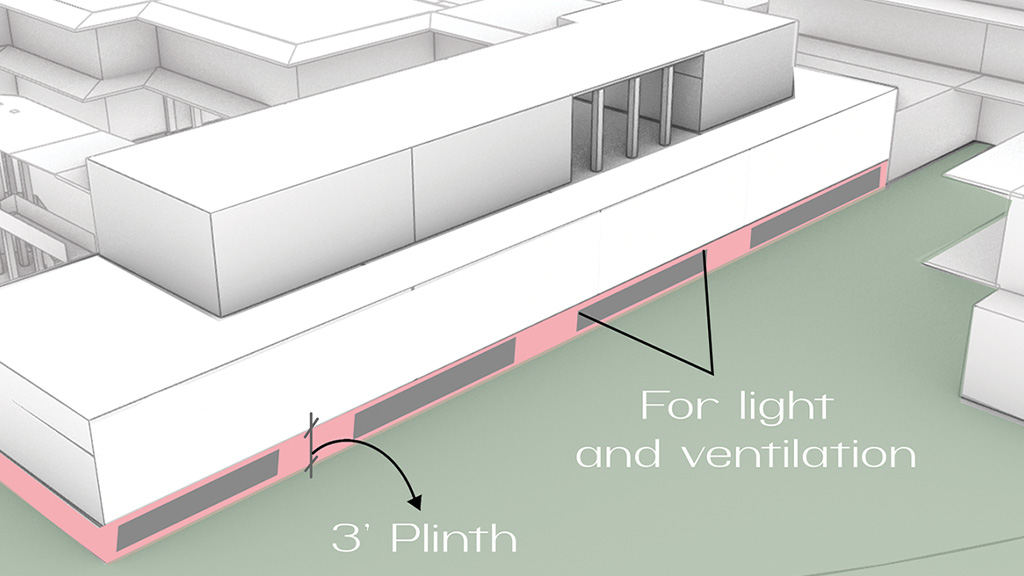
Spatial sequencing creates layered experiences that move from public plazas to private homes, balancing connectivity and privacy. The architecture responds to climate, culture, and lifestyle by integrating natural light, passive ventilation, and social gathering spaces. Form-based codes guide flexibility in unit arrangements, façade variation, and terracing to maximize openness and livability. The project envisions an urban environment where community, sustainability, and shared experience overwrite automobile-dominant planning. Through public transport integration, cycling infrastructure, mixed-income households, and multi-use streets, the design forms a living environment tied to people and their everyday lives. The project proposes a new model for government housing where sustainability, human-scale infrastructure, and inclusive neighborhoods converge to create a resilient and livable Islamabad.
Contact Designers || Portfolio
You Might Find These Interesting
 DESIGNED BY: Zainab Waqas
Placeness of Space
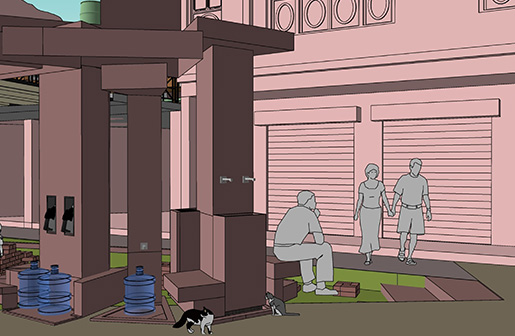
Purana Qila Water Filtration Plant, Rawalpindi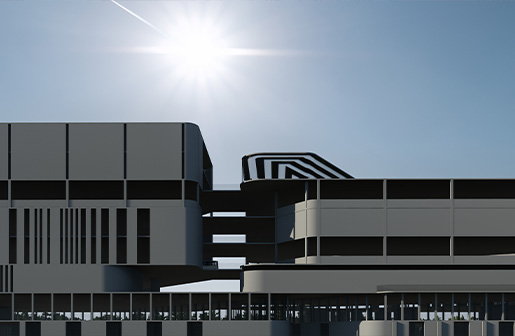
 DESIGNED BY: Uswa Naseer
Rhythms in Motion
Skyways Bus Adda, Chungi No. 26, Zone I, Islamabad