Urban Harmony
Urban Harmony reimagines Islamabad’s Park Road as a living urban spine, integrating mobility, ecology, and community to transform a vehicle corridor into a sustainable and inclusive public realm.
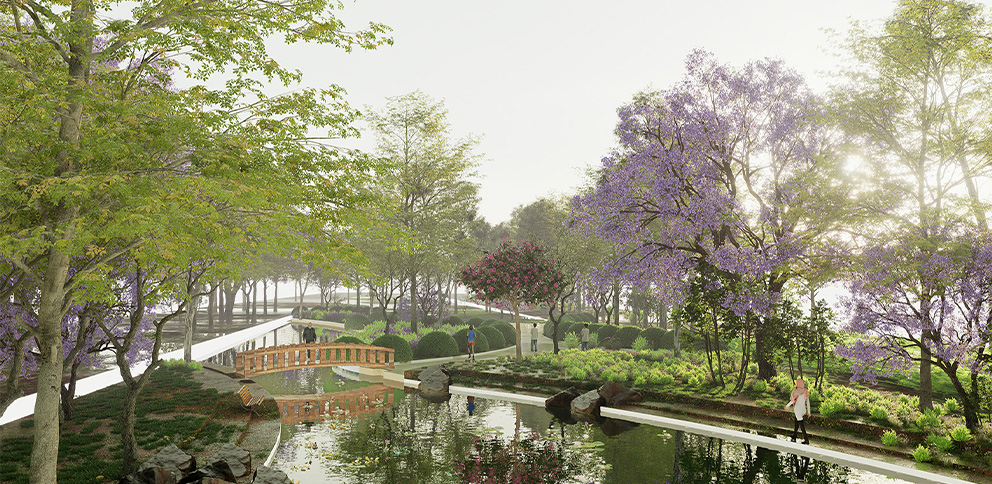
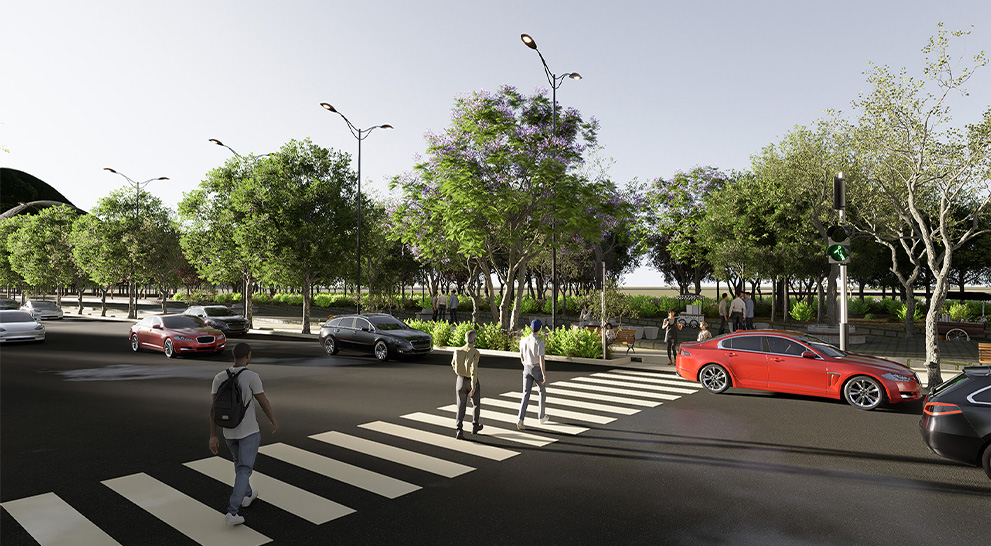
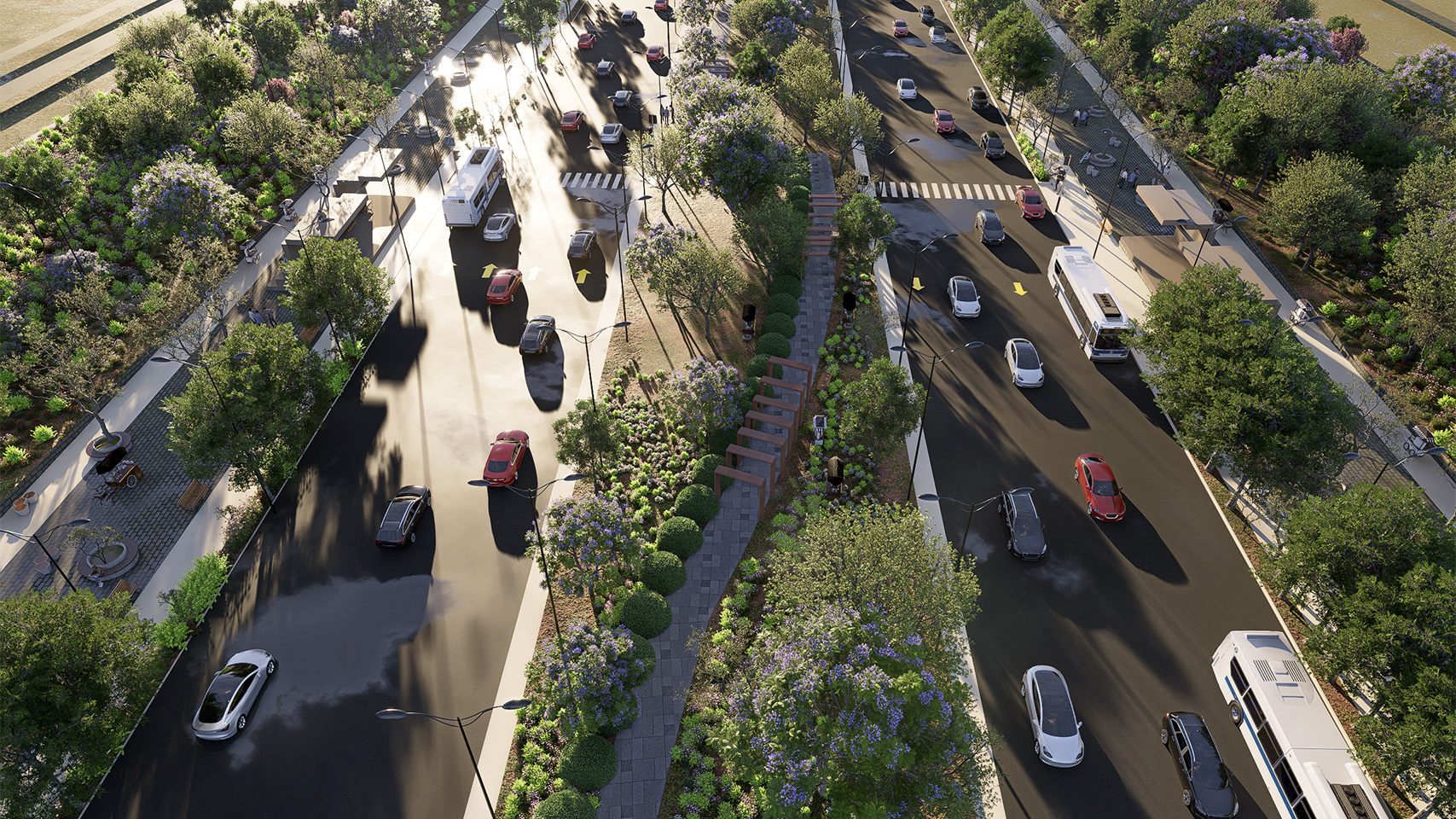
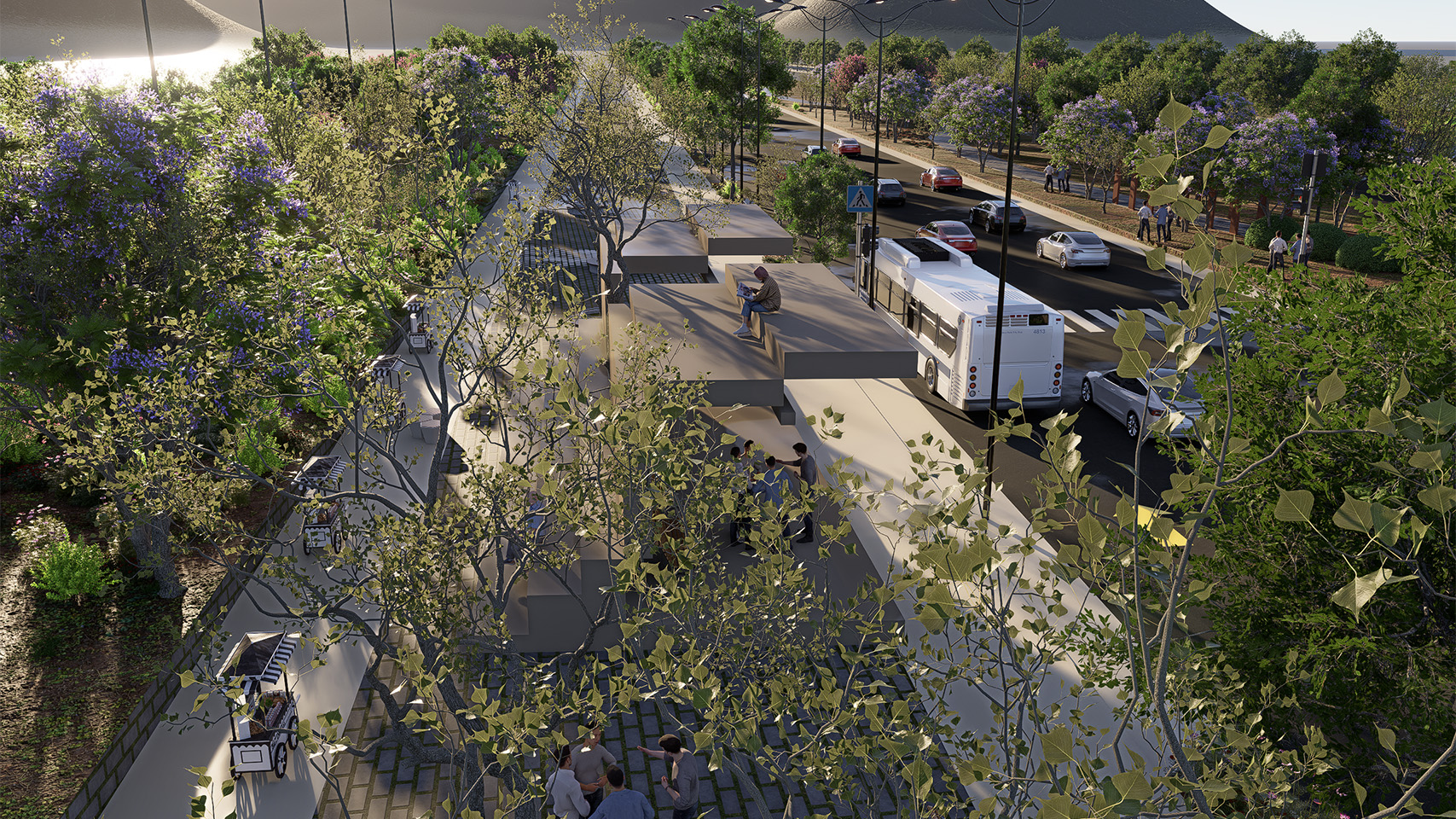
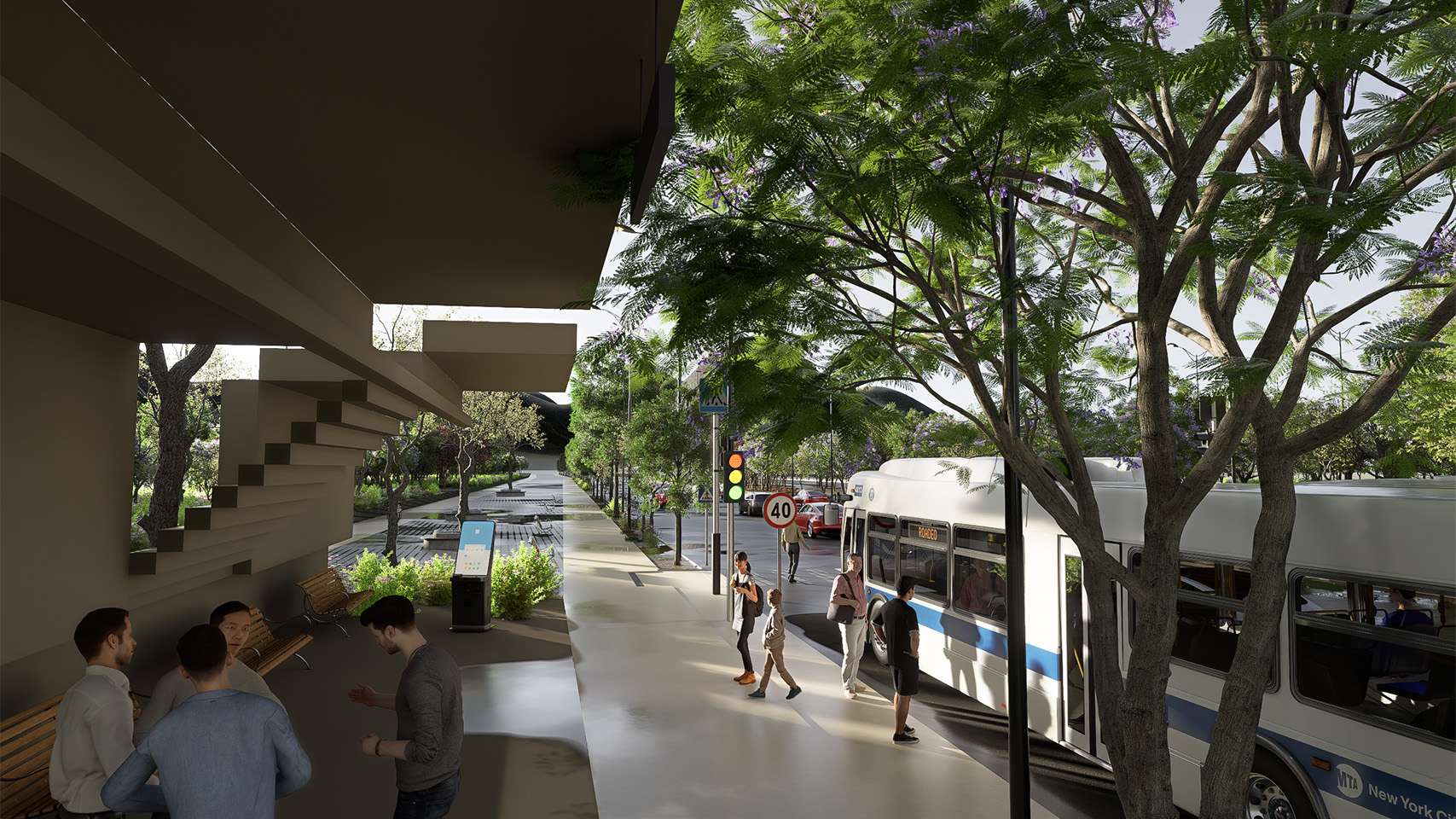
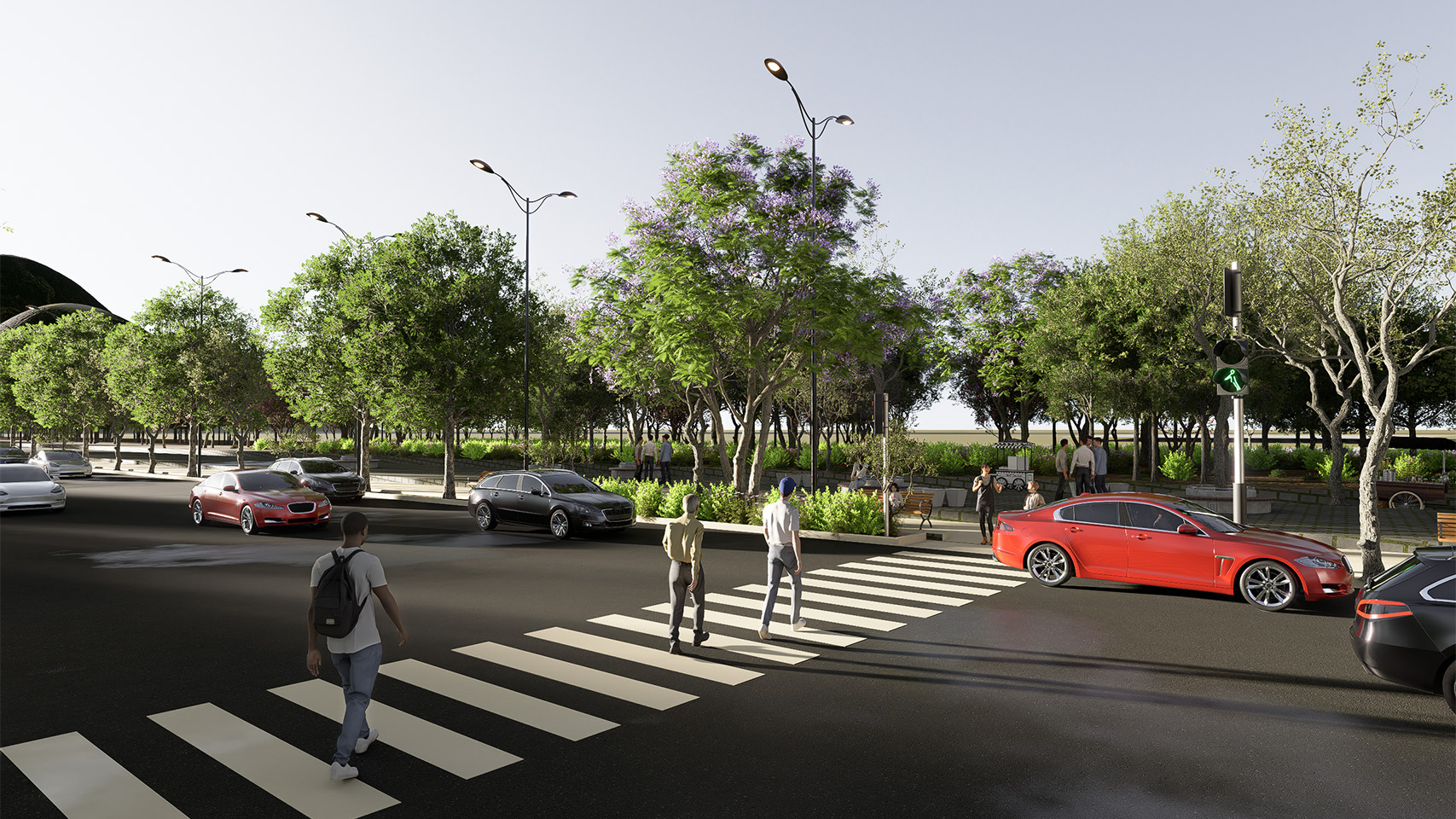
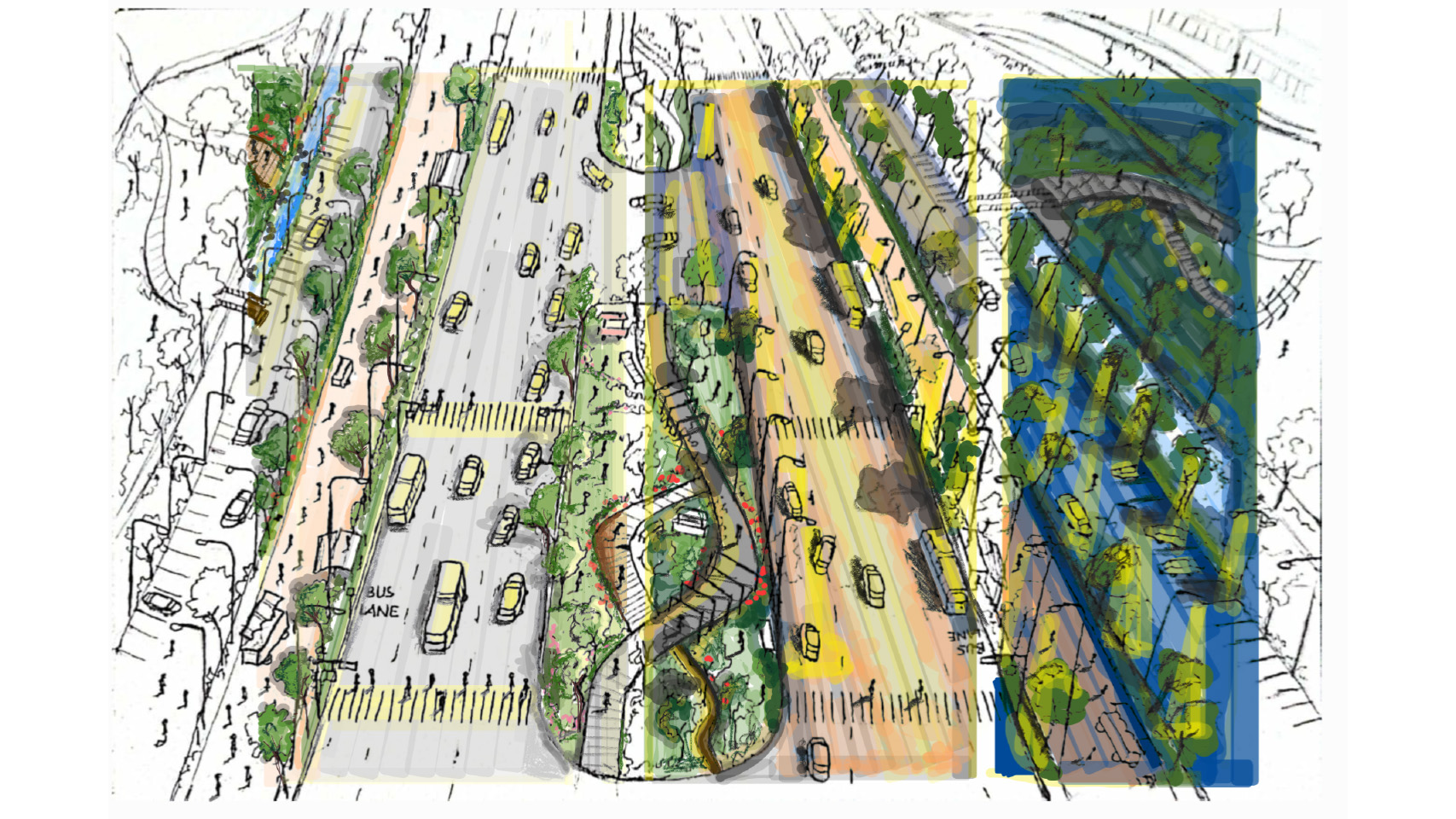
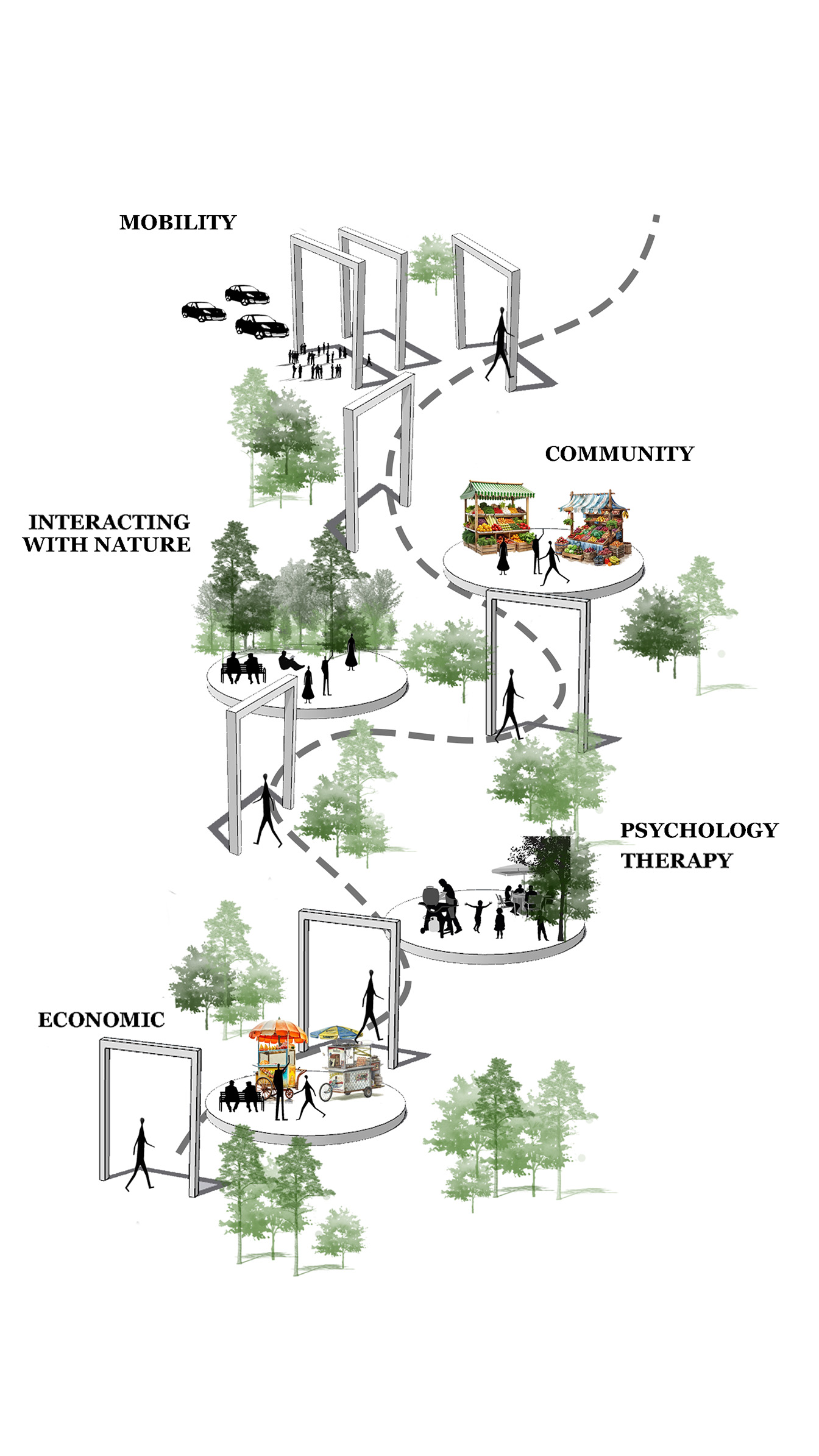
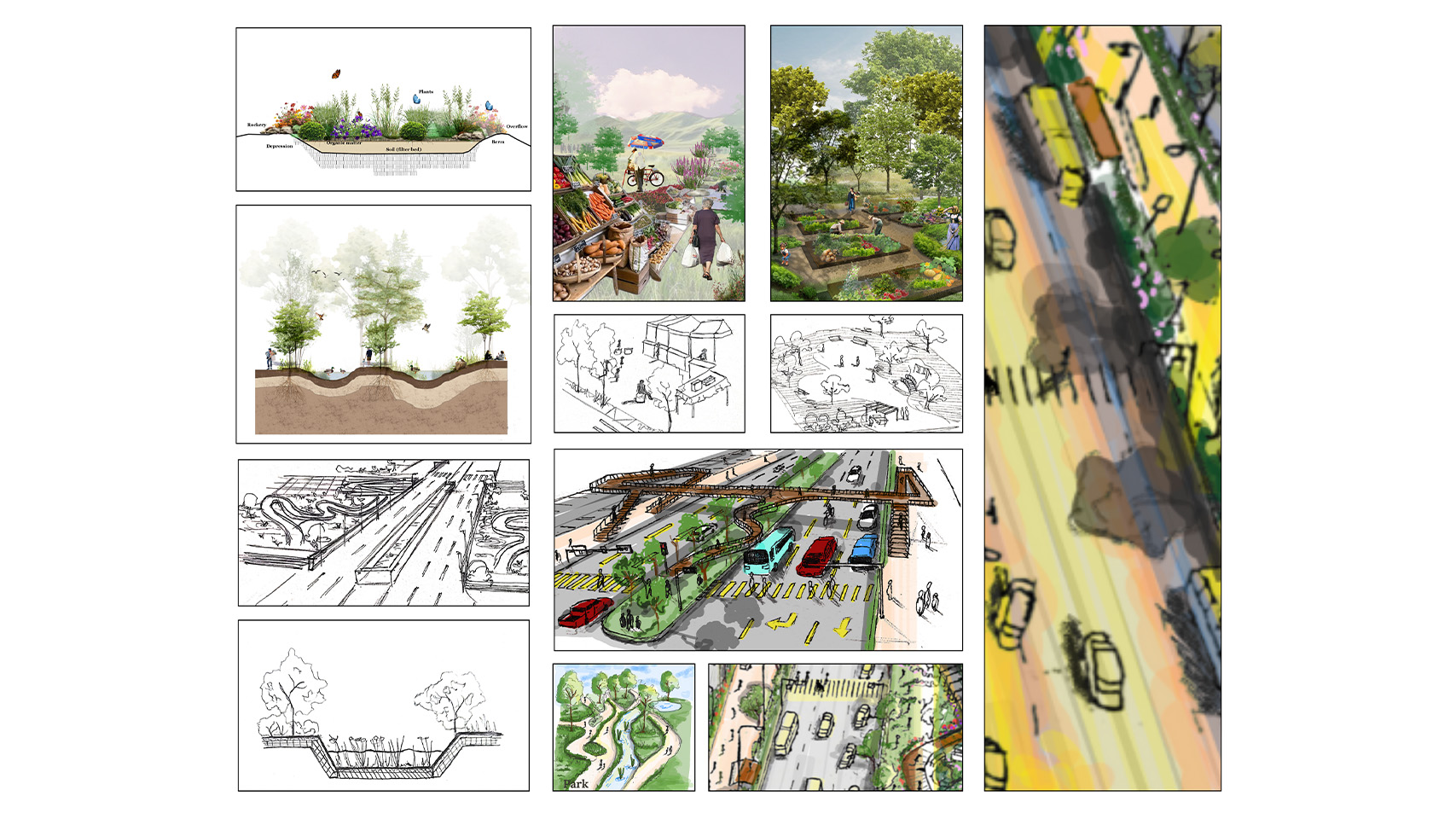
The Urban Harmony project envisions Park Road, a key corridor linking Rawal Chowk to Taramri Chowk, as more than just a transportation artery. Currently dominated by vehicles, the corridor lacks facilities for pedestrians, cyclists, or community interaction. The design redefines mobility as a connective and inclusive force, not simply the movement of vehicles. Dedicated BRT lanes, e-scooter and e-cart networks, and shaded pedestrian walkways expand travel choices, while integrated cycle lanes make non-motorized mobility safe and accessible. Redesigned bus stops function not only as waiting points but also as shaded, green, and socially inclusive micro-spaces that foster community interaction. Safety and accessibility are prioritized with features like median strips as pedestrian refuges, signalized crossings, tactile paving, and traffic calming near institutions and residential areas. By humanizing infrastructure, mobility becomes part of a holistic framework that connects people, activities, and environments.
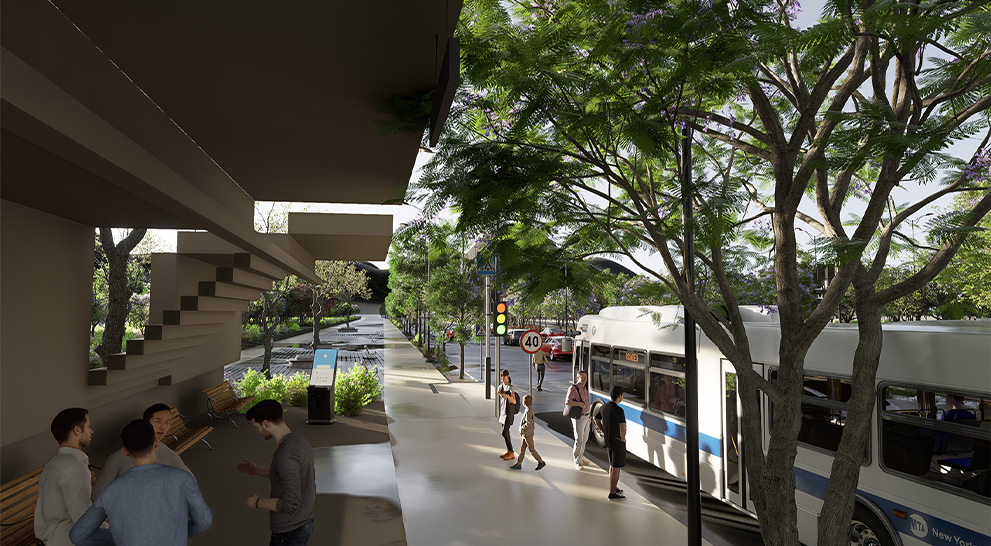
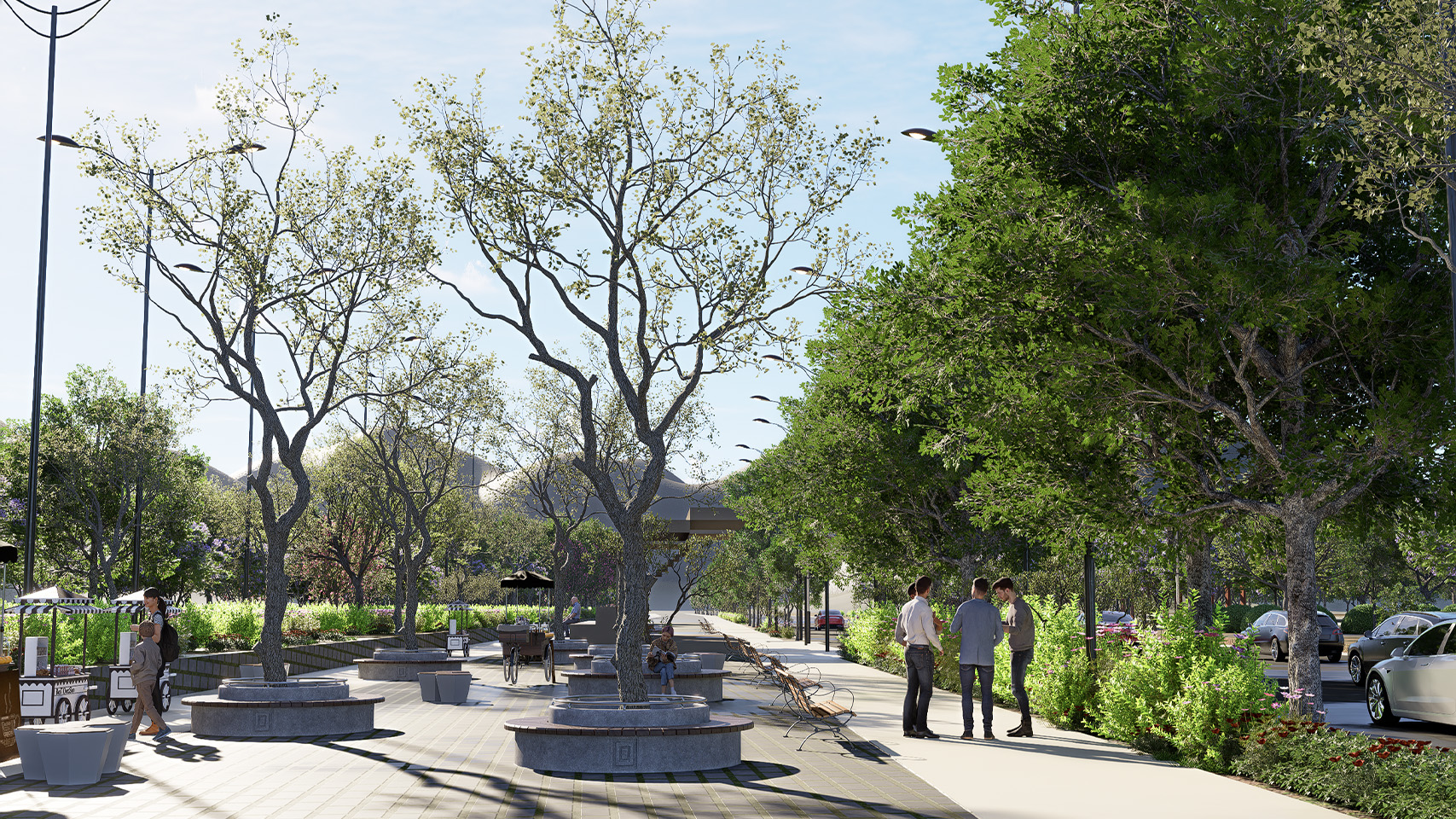
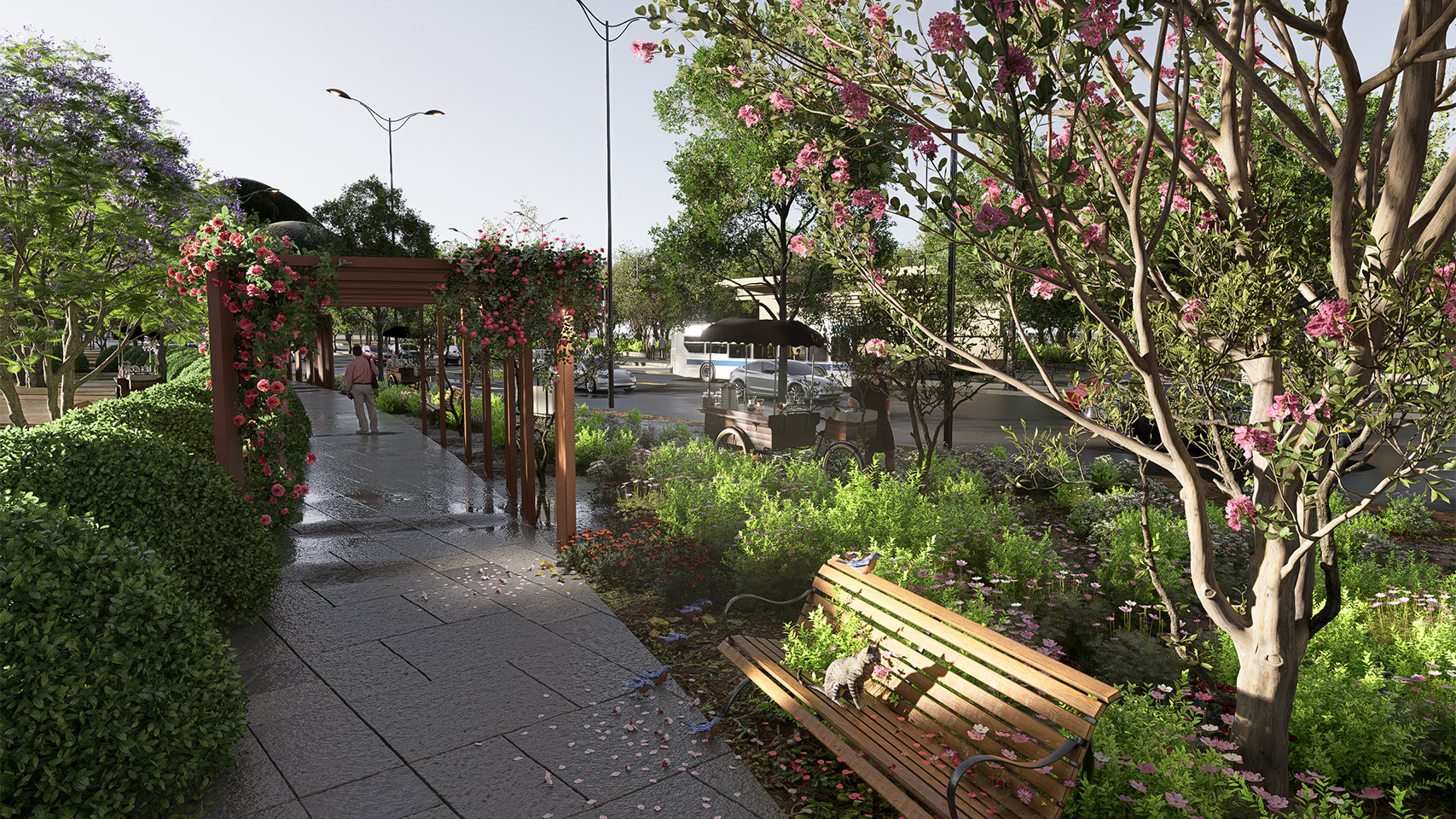
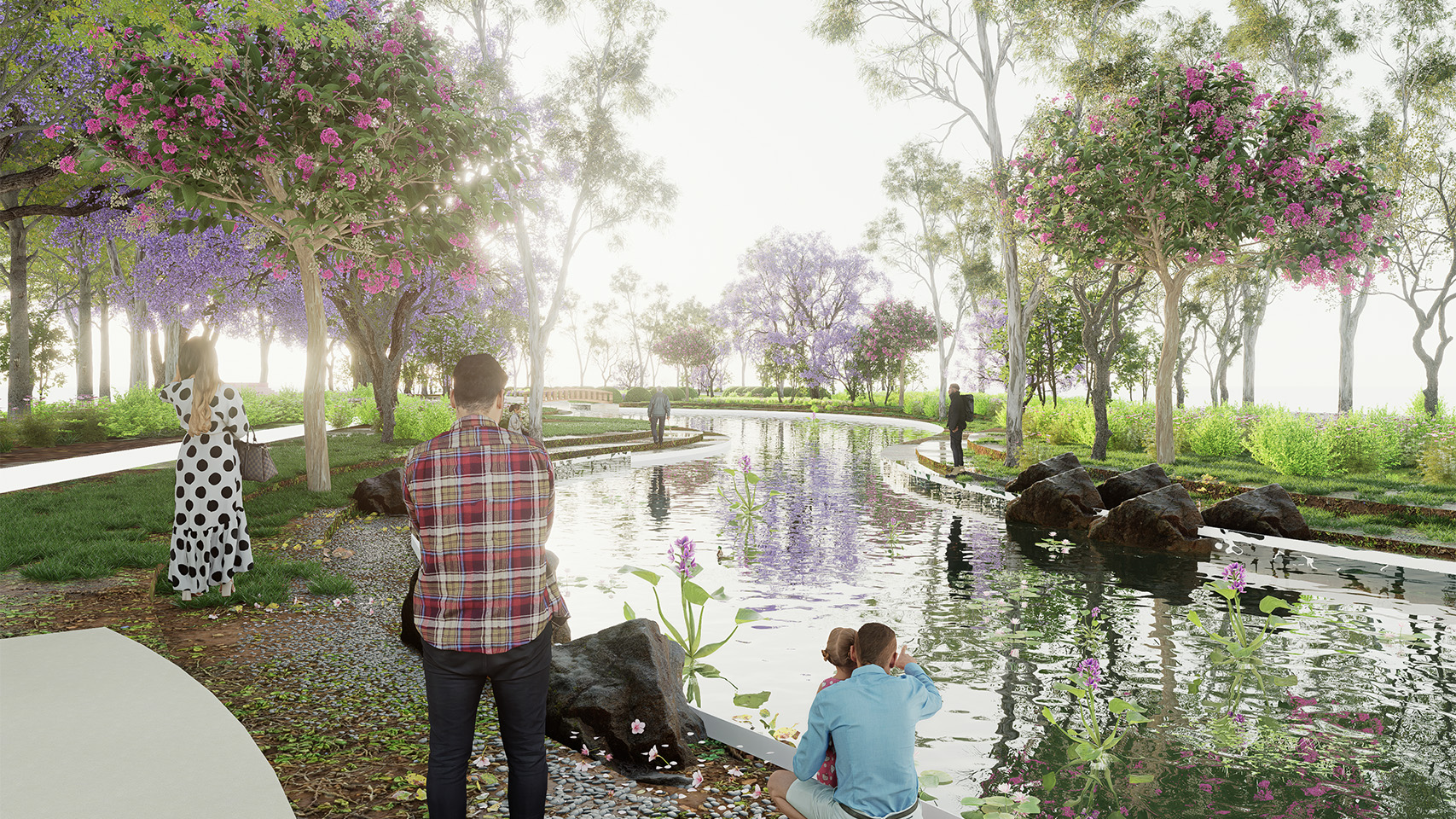
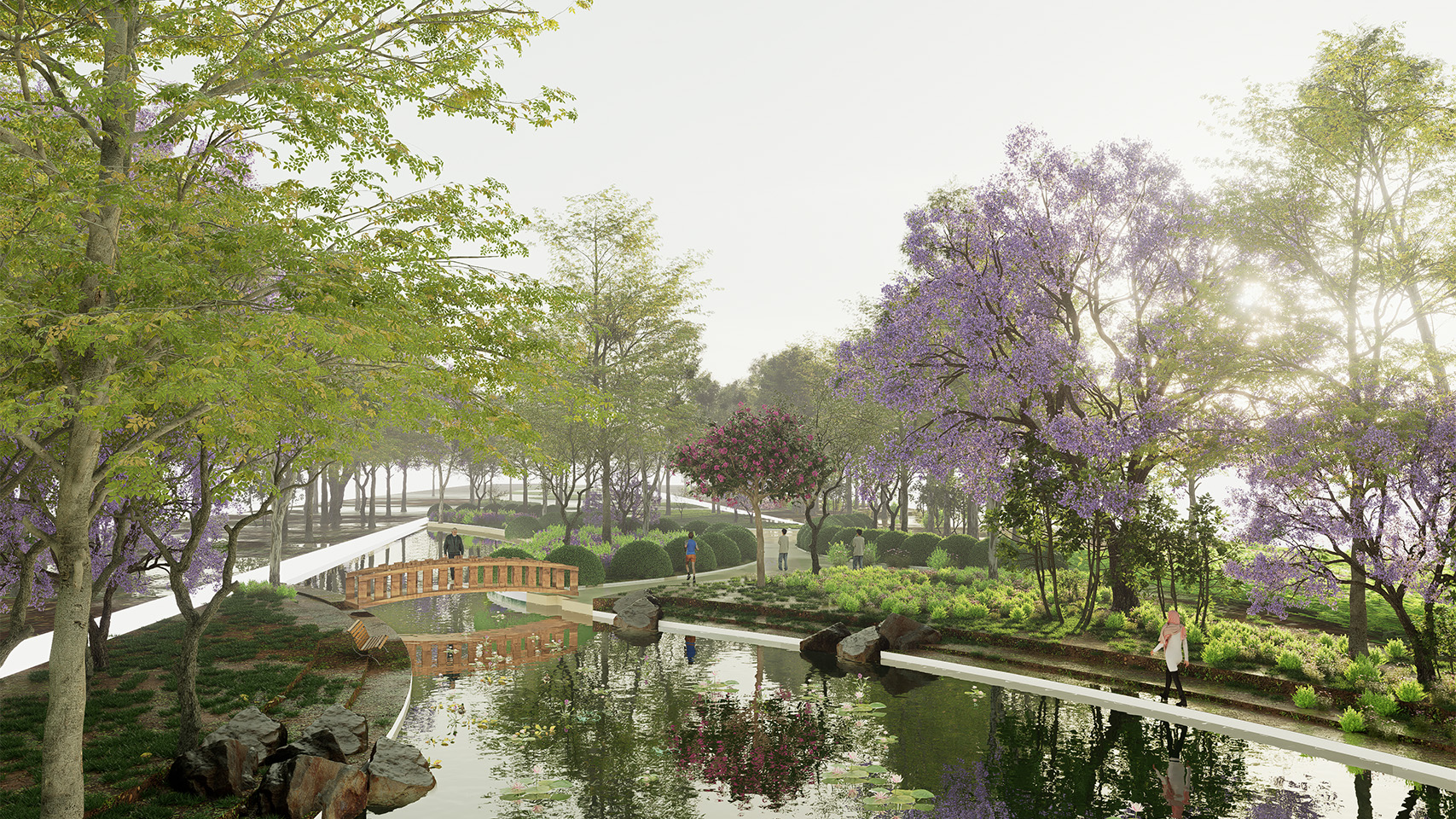
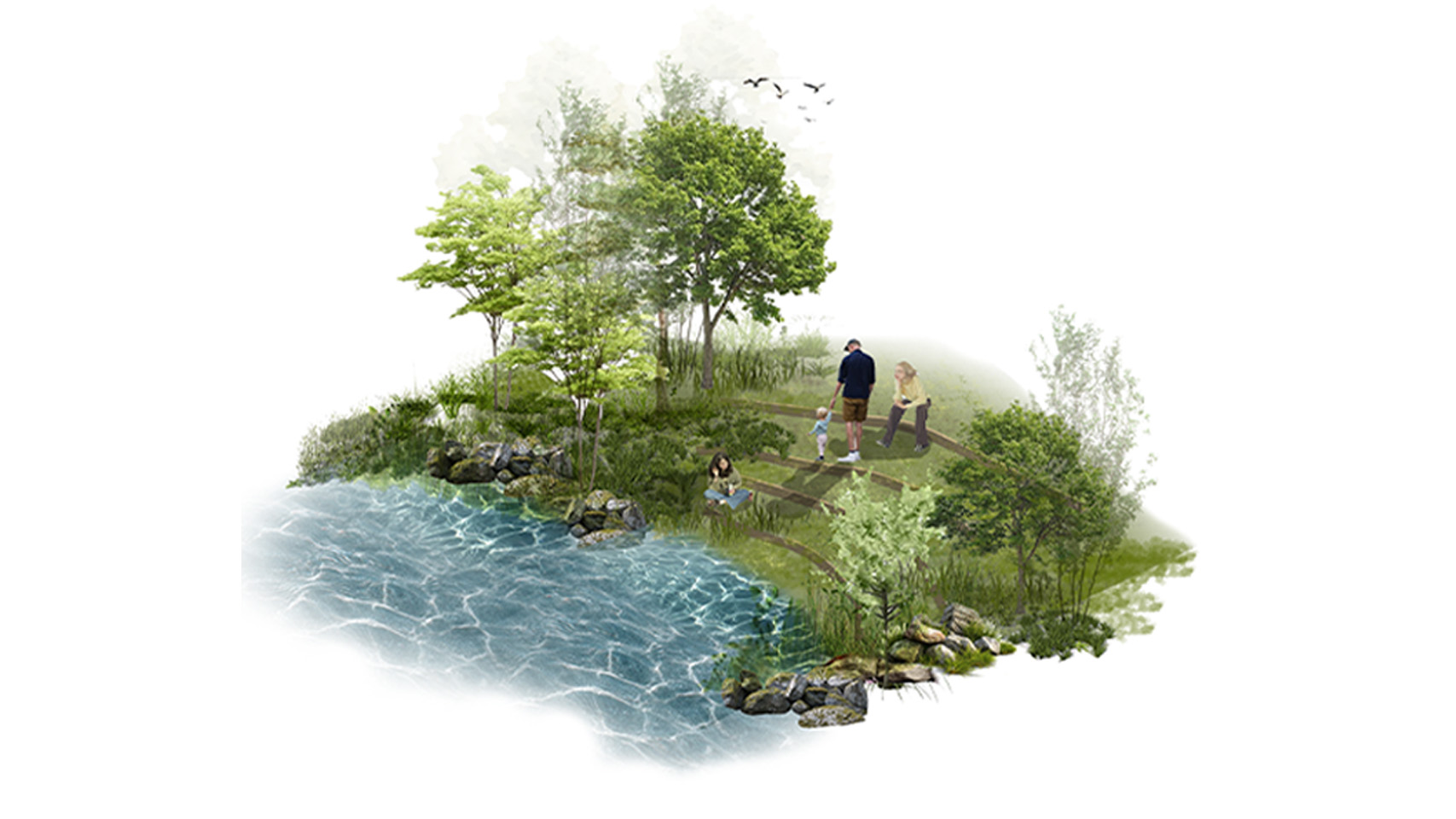
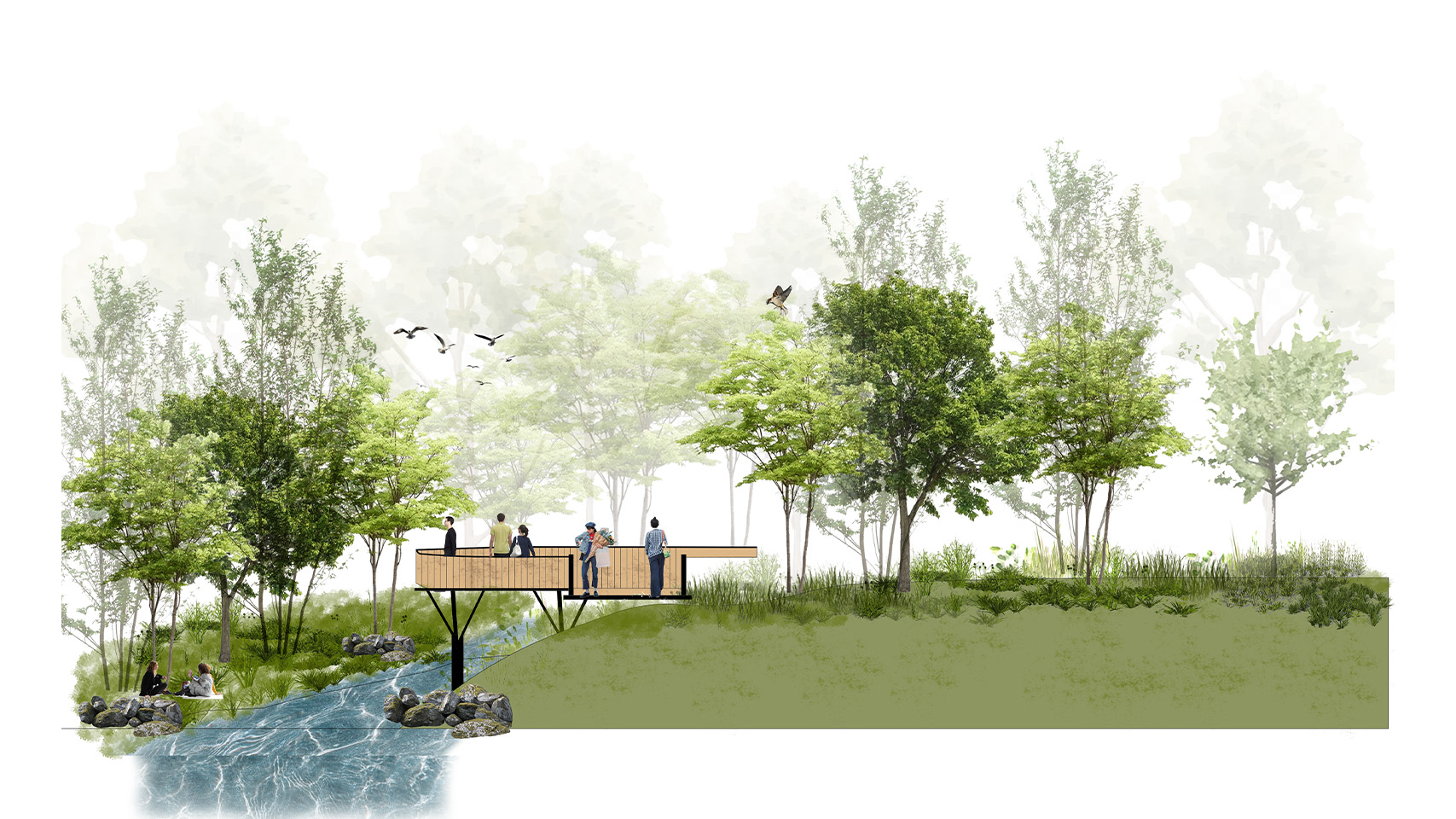
A central philosophy of the project is that nature must serve as infrastructure, not just ornamentation. Park Road’s redesign incorporates ecological systems that actively support mobility, health, and resilience. Native tree plantations form shaded canopies that cool the corridor, while bioswales and rain gardens manage stormwater runoff and reduce urban flooding. Median bioswales double as stormwater infrastructure and calming green dividers, while linear green belts stitch Park Road into a broader ecological network. Shaded sidewalks encourage walking, and pocket parks along intersections create moments of pause for commuters, residents, and students. This landscape-driven strategy addresses climate realities by mitigating air and noise pollution, lowering ambient heat, and improving biodiversity. By embedding ecology directly into infrastructure, Park Road transforms from a heat-prone vehicle corridor into a livable urban spine where environmental health is inseparable from social and mobility needs.
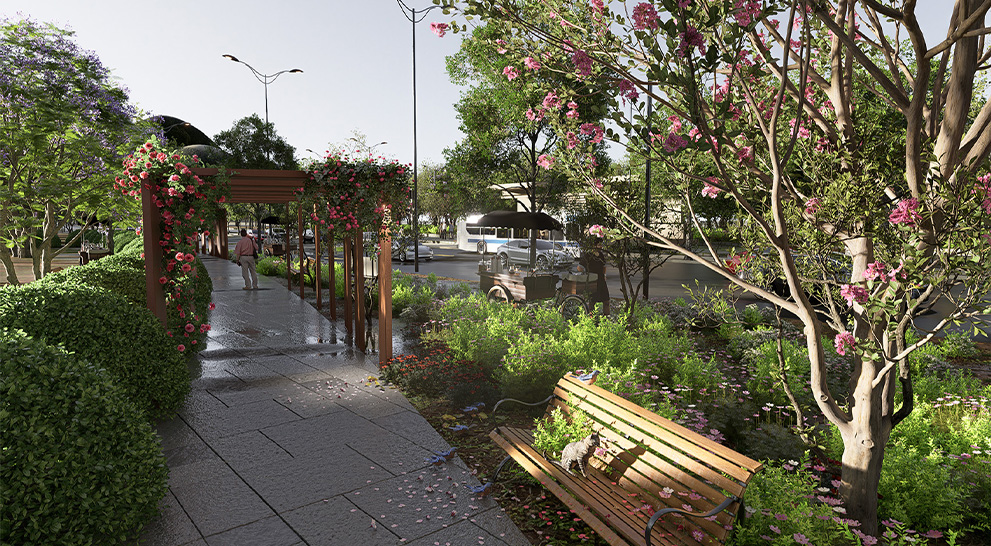
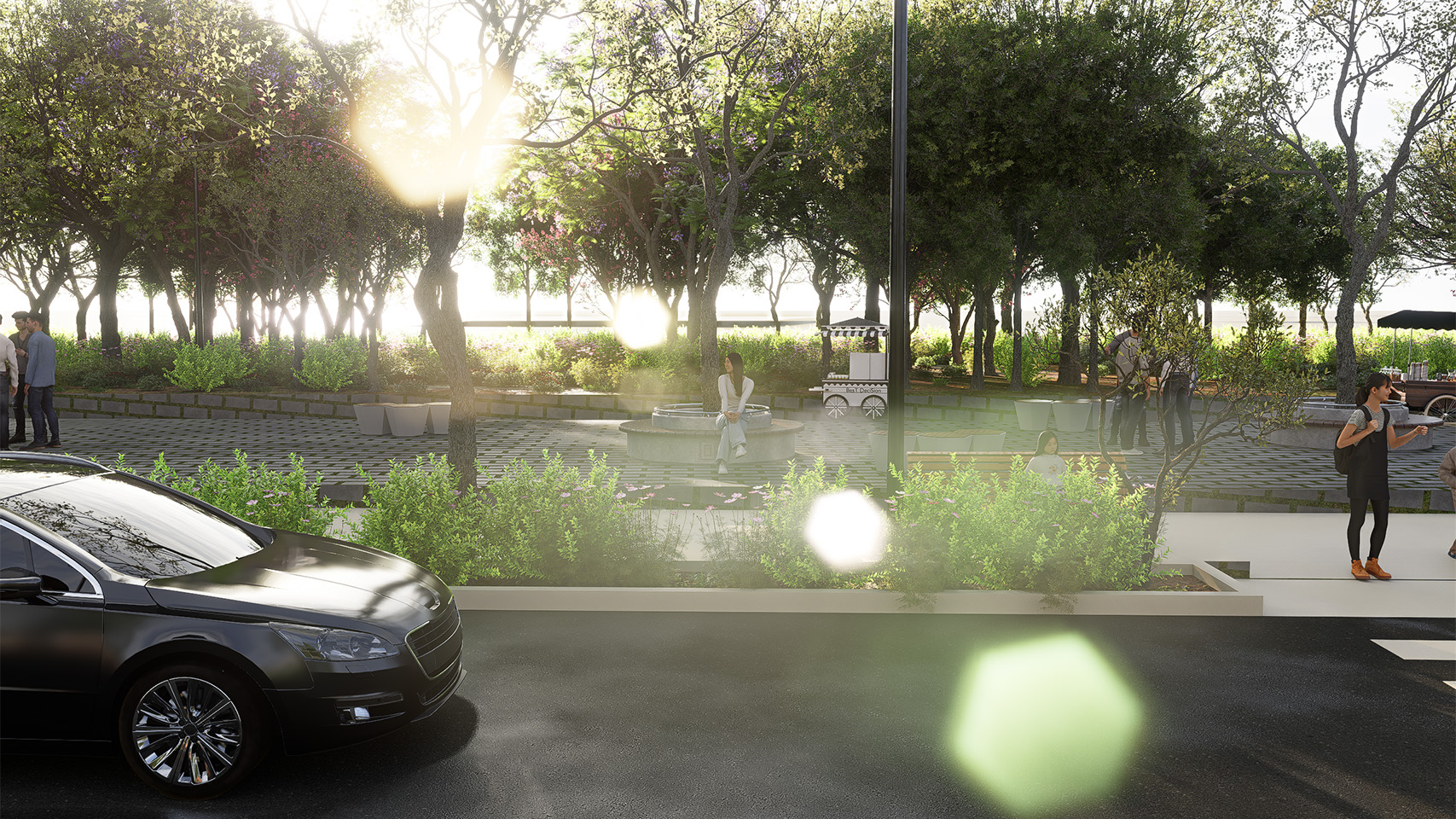
At its core, Urban Harmony is about community. The project proposes pocket plazas and neighborhood nodes near key institutions such as COMSATS, NIH, and Koral, where shaded seating, kiosks, and vendor spaces create human-scaled destinations. Bus stops and green belts integrate street furniture, transforming functional infrastructure into welcoming community nodes. Accessibility features—wheelchair ramps, tactile paving, child-friendly spaces—ensure inclusivity for all users, especially women, children, and the elderly. By making Park Road a place of exchange and belonging rather than merely a transit corridor, the project repositions infrastructure as a driver of social cohesion. This holistic layering of mobility, ecology, and community results in a living urban spine that supports both modern transport and cultural life. The transformation of Park Road sets a precedent for Islamabad’s urban future: a corridor where sustainability, connectivity, and inclusivity converge to form a model of resilient city-making.
Contact Designers || Portfolio
You Might Find These Interesting
 DESIGNED BY: Zainab Waqas
Placeness of Space
Purana Qila Water Filtration Plant, Rawalpindi
 DESIGNED BY: Uswa Naseer
Rhythms in Motion
Skyways Bus Adda, Chungi No. 26, Zone I, Islamabad