Restaurant Design
A courtyard-inspired restaurant in Shigar, blending traditional typology with modern design to merge built form, nature, and culture—offering comfort, heritage, and tranquility in one space.
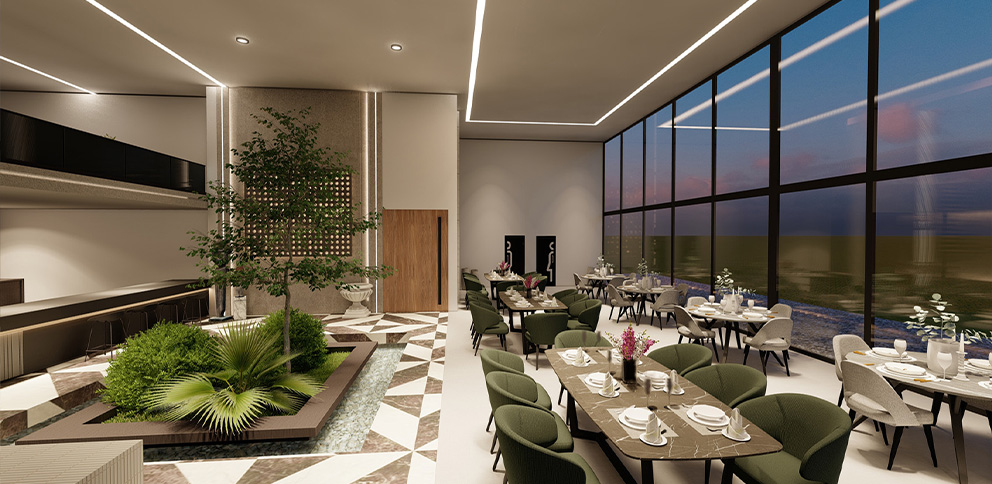
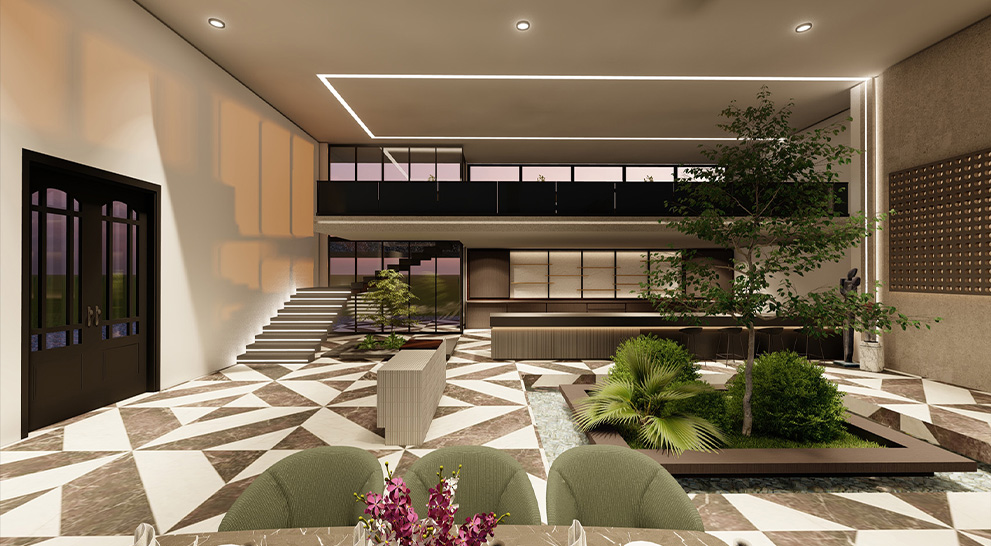
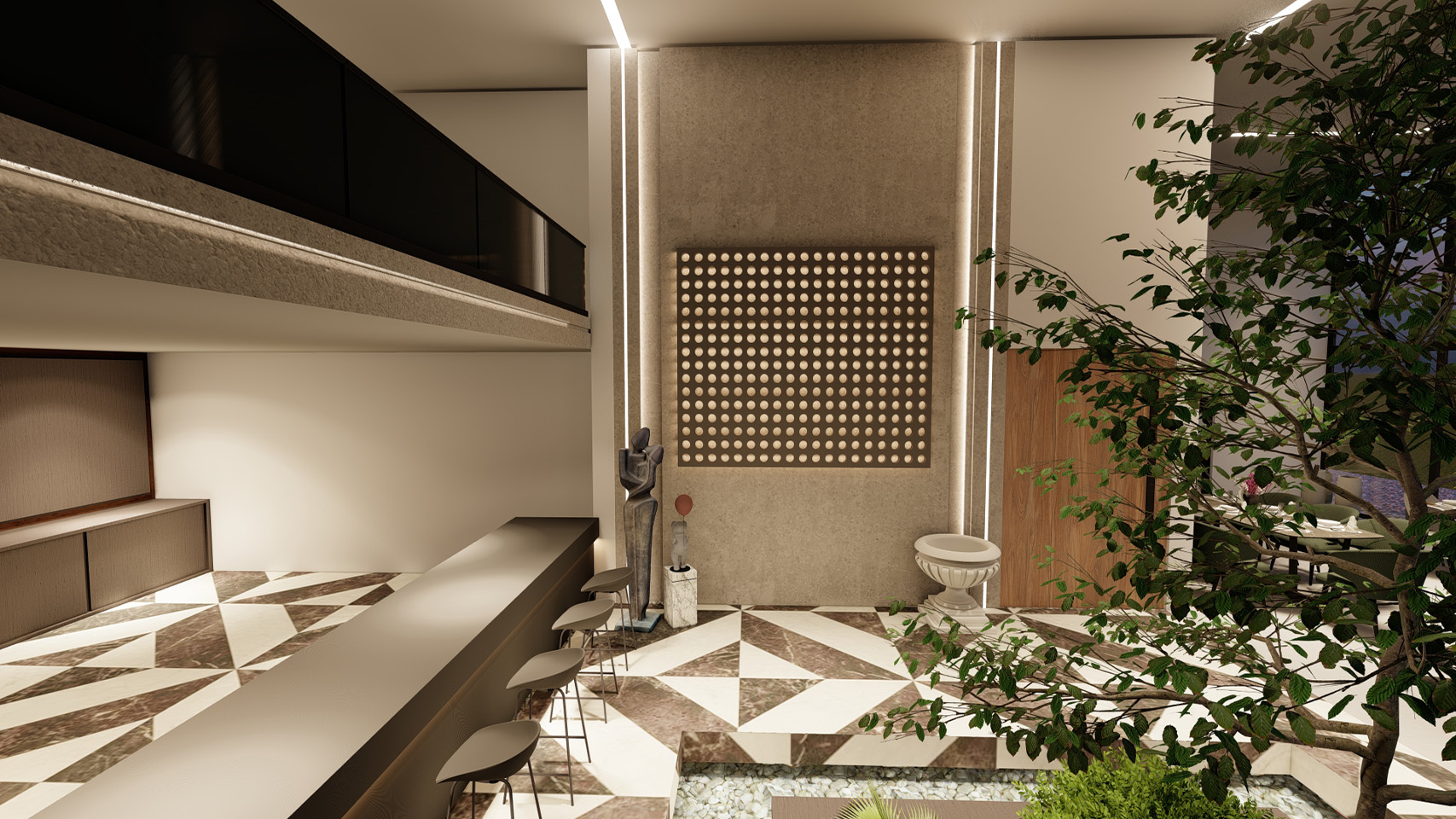
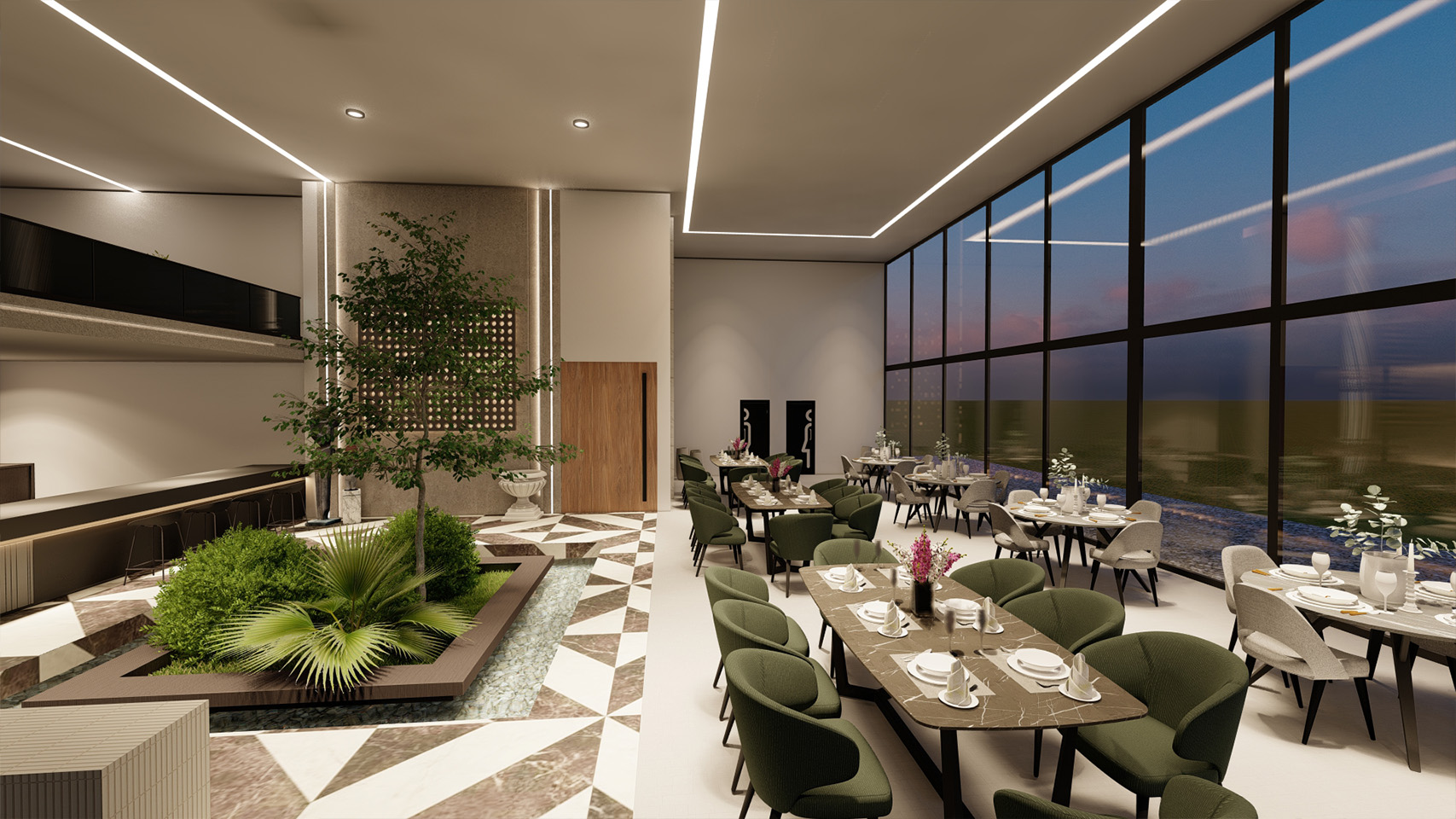
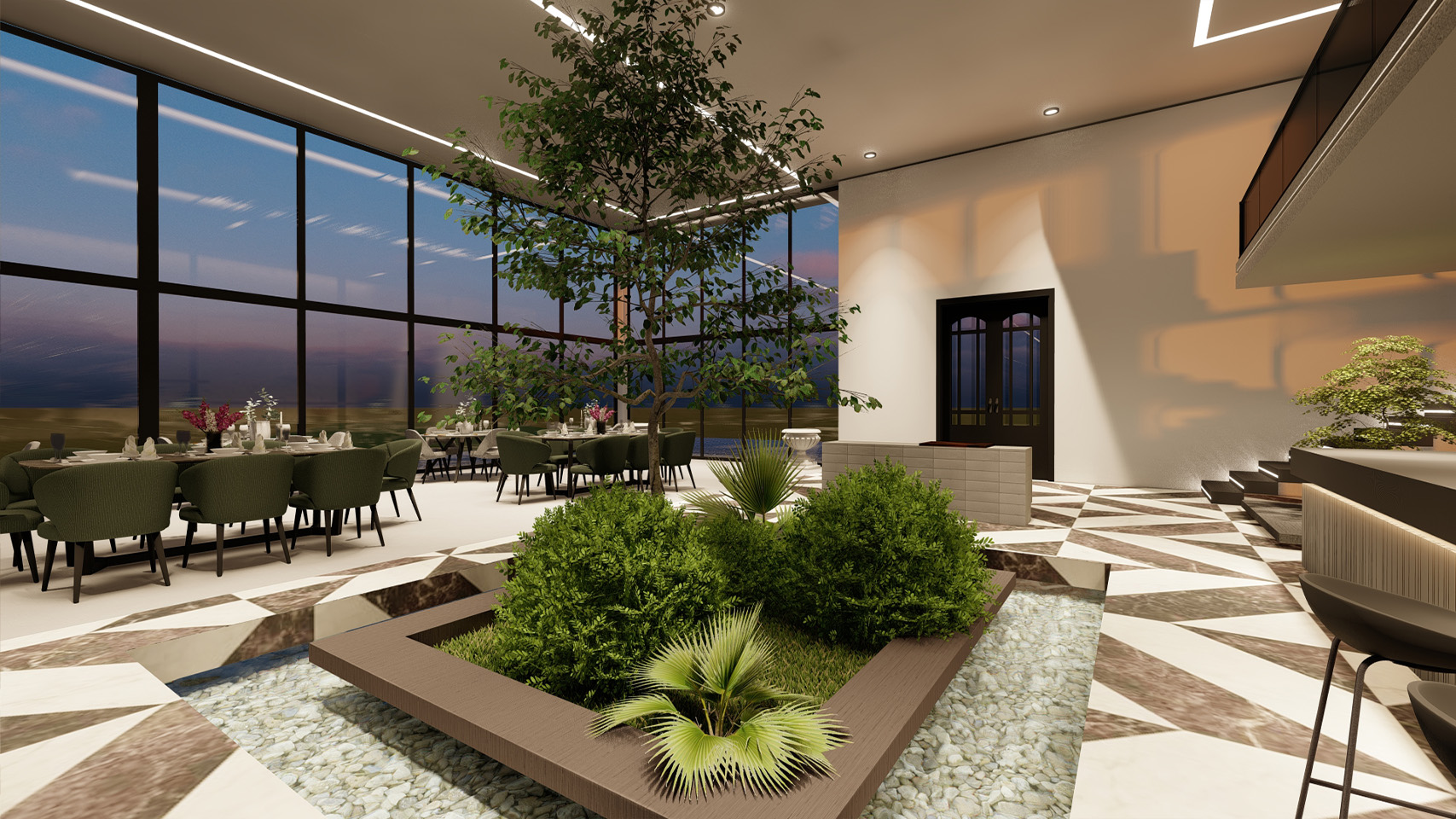
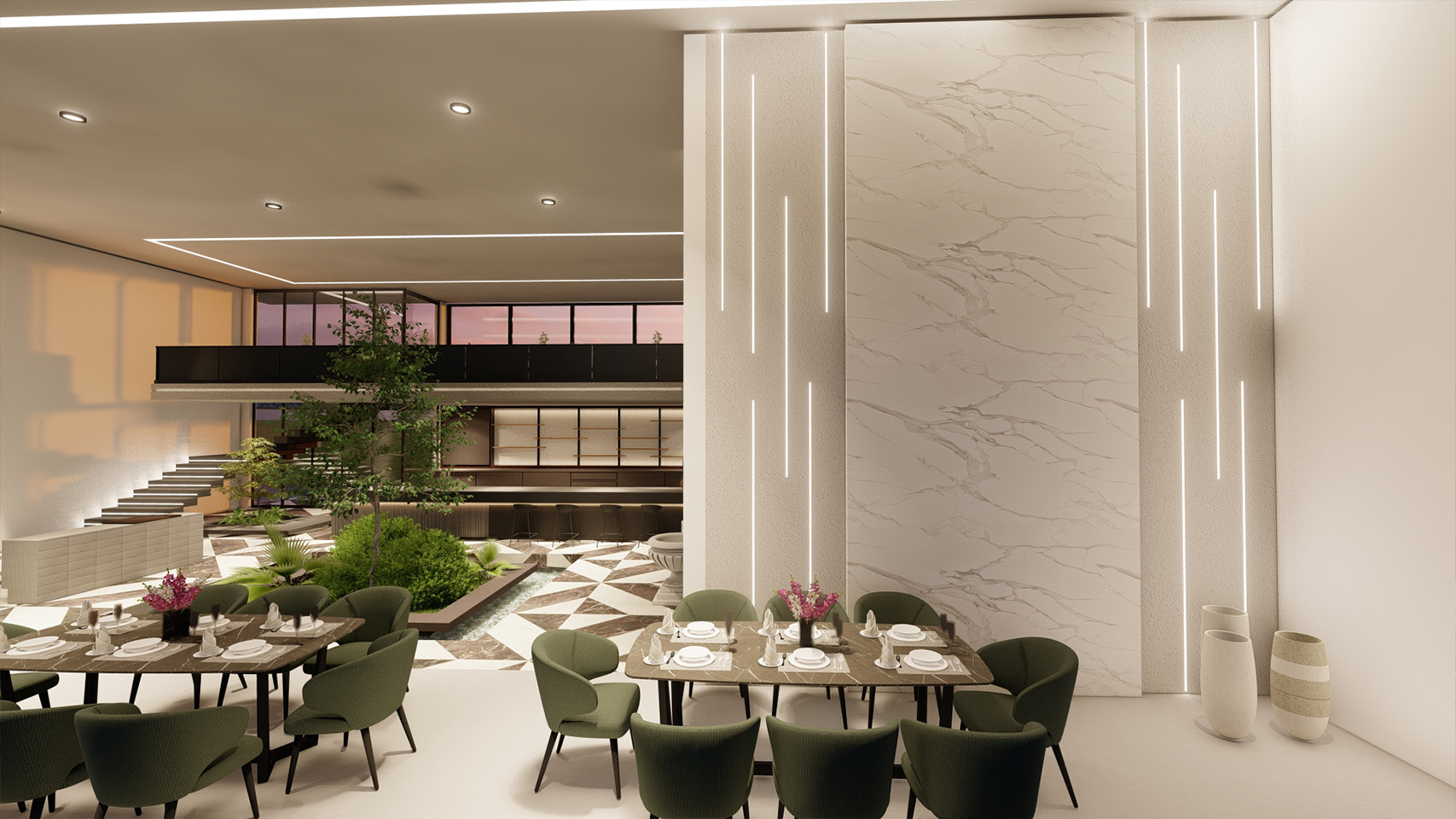
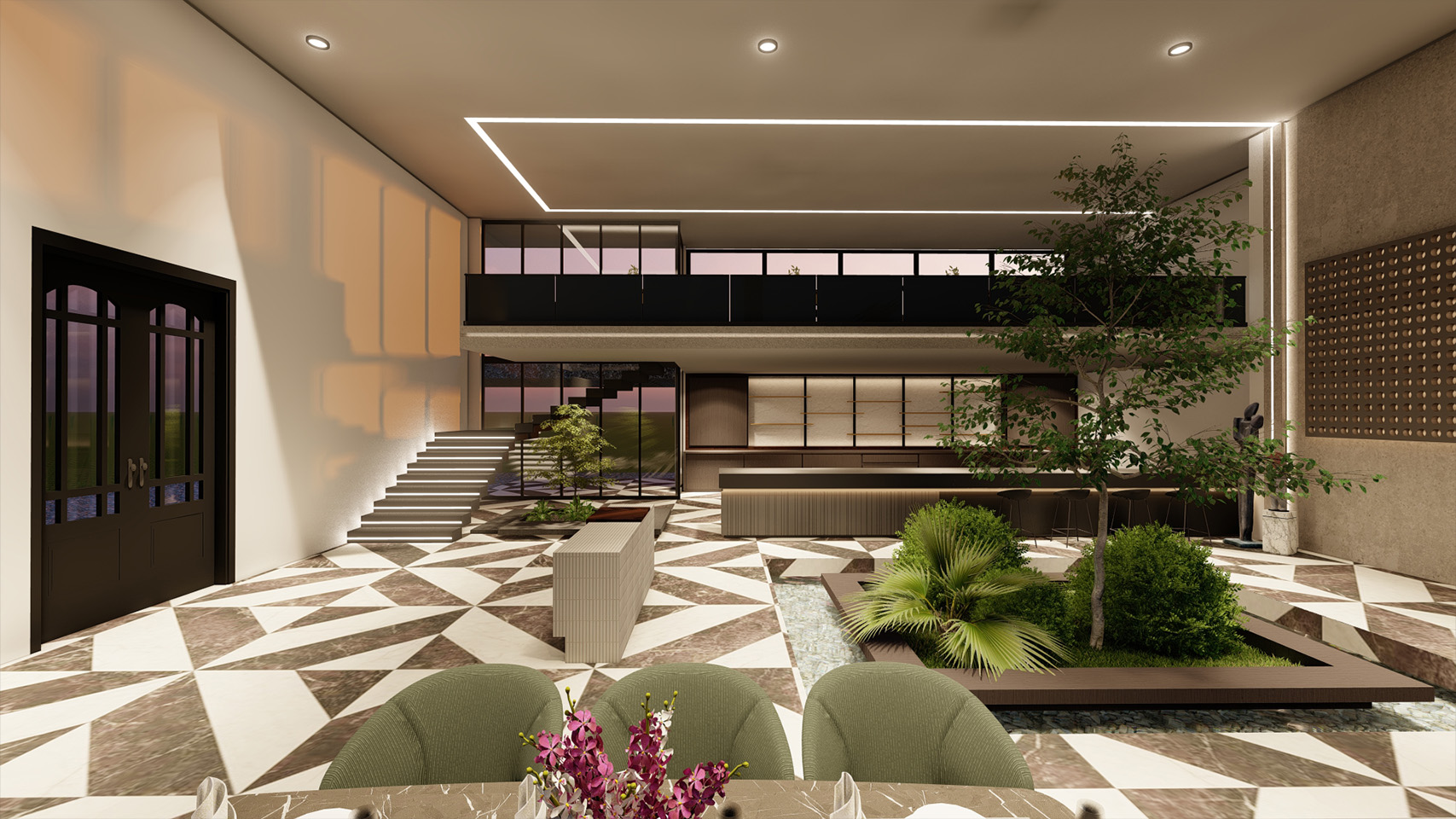
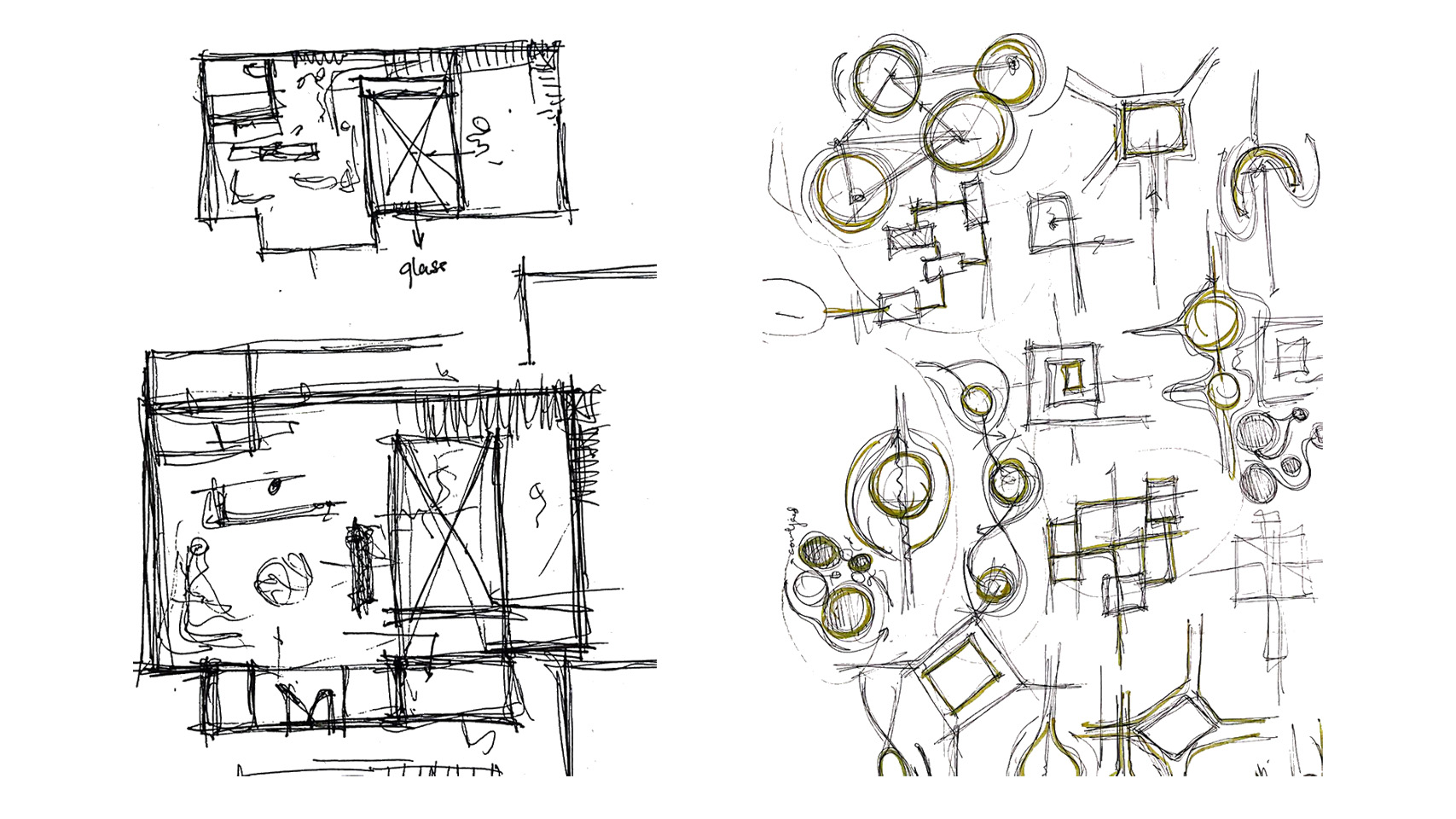
This restaurant design, developed as part of a fourth-year architecture studio at the National College of Arts, draws inspiration from the courtyard typology of traditional Shigar houses. In Shigar’s heritage, the courtyard is more than a spatial feature—it is the cultural and social hub of daily life. Taking this as its foundation, the project reinterprets the courtyard in a modern context, positioning it at the heart of the restaurant. The open green space becomes the soul of the design, bringing in natural light, ventilation, and a tranquil atmosphere. Dining is envisioned as a collective experience in harmony with Skardu’s landscapes and cultural richness. Organized seating, service, and circulation revolve around the courtyard, ensuring every visitor remains connected to nature. This spatial hierarchy reflects community traditions while introducing a contemporary architectural vocabulary suited to modern hospitality needs.
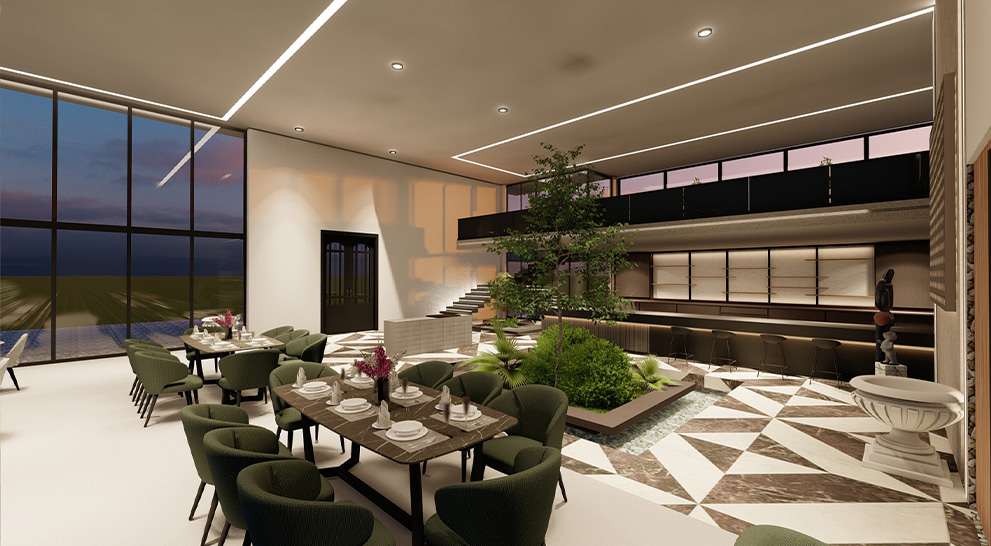
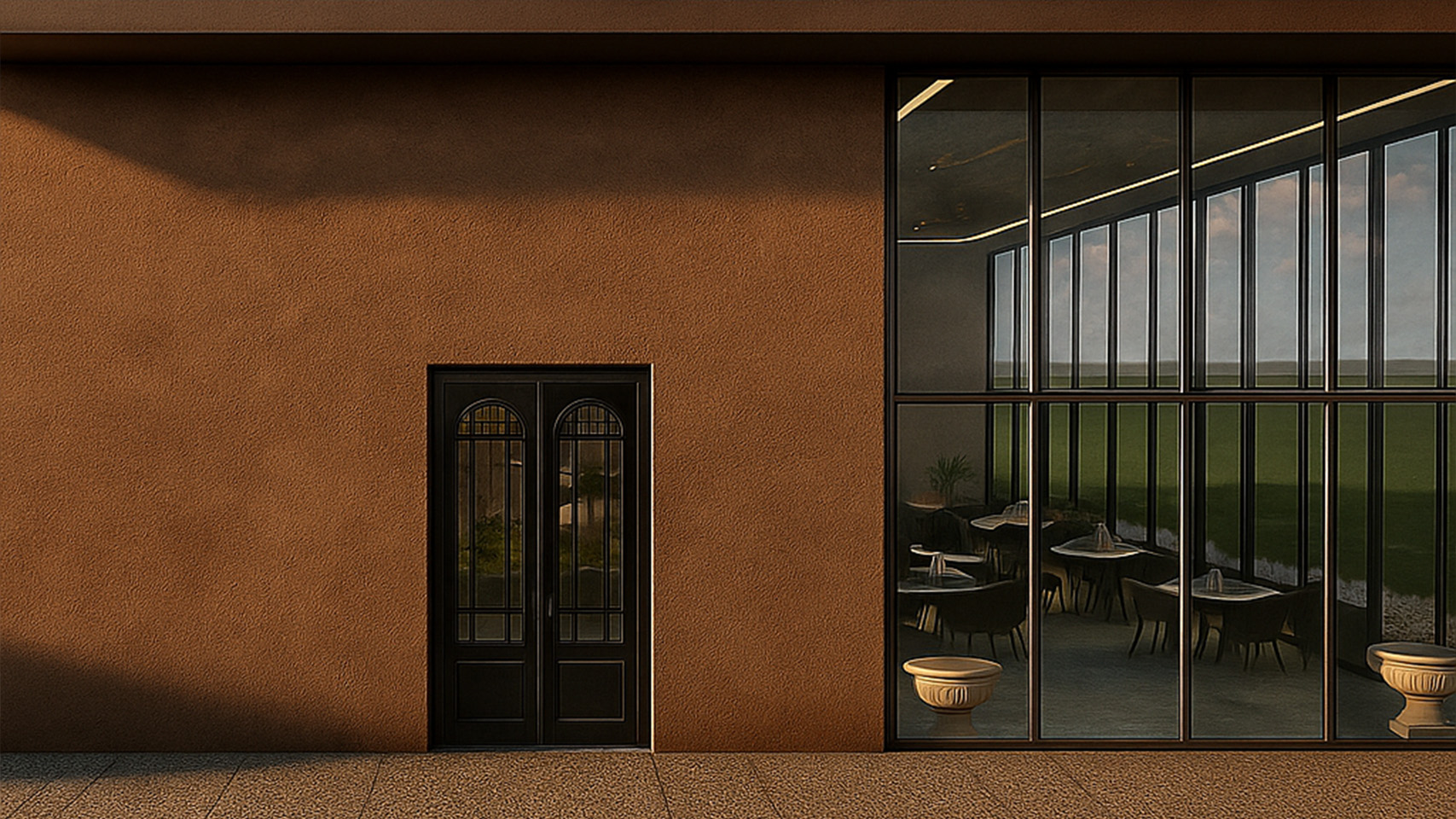
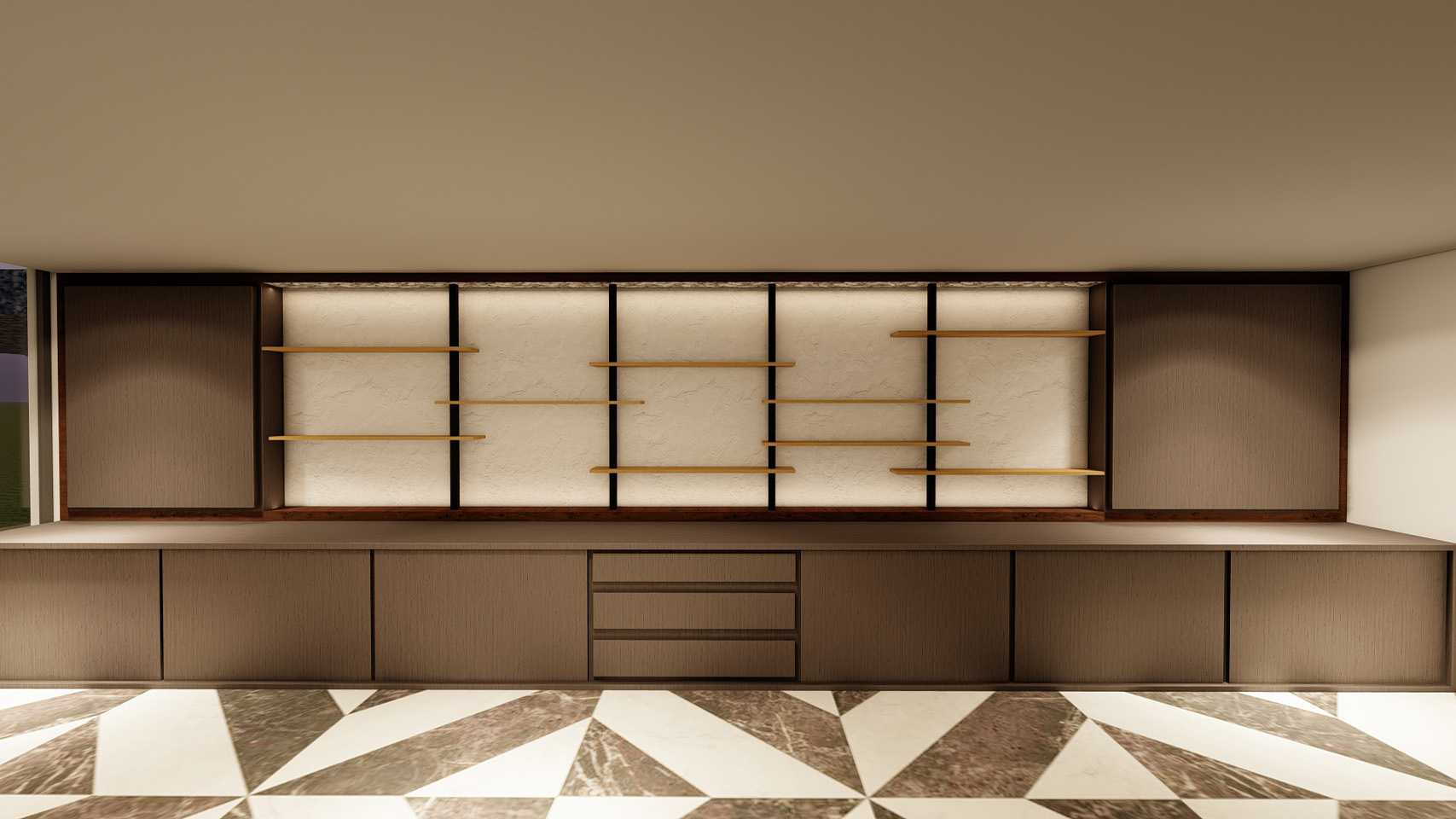
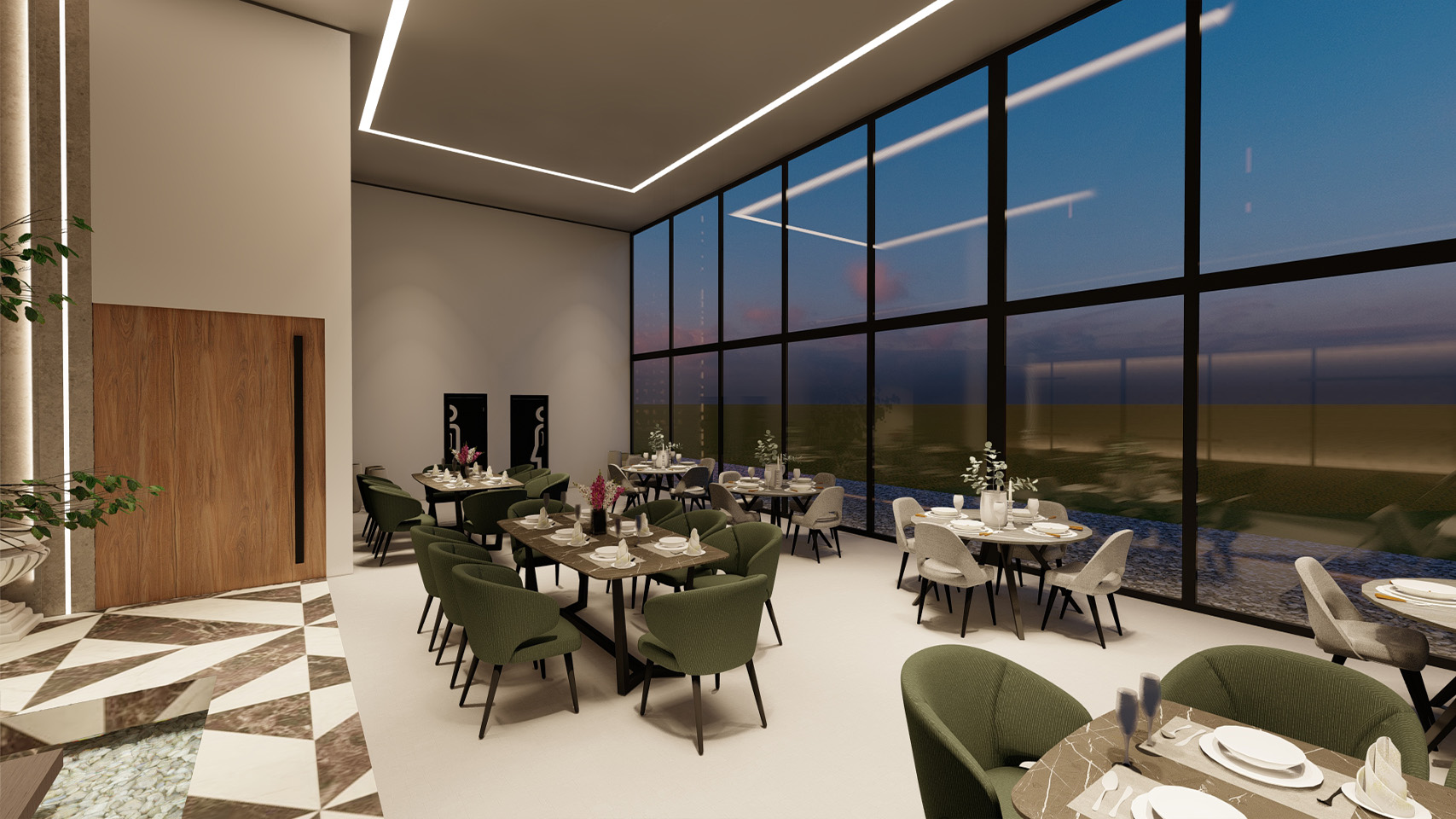
The courtyard not only defines ambiance but also strengthens functionality. It naturally ventilates the interiors, diffuses daylight, and offers shaded, climate-responsive comfort. Service areas are efficiently placed to remain unobtrusive, while seating zones balance openness with privacy and orient toward the mountains, framing Skardu’s dramatic views. Material choices—stone, wood, and natural finishes—honor local traditions while refined detailing adds modern elegance. The courtyard evolves throughout the day: sunlit in the morning, softly illuminated at night, constantly mediating between built form and landscape. Beyond dining, the restaurant becomes an immersive experience, where tradition, nature, and contemporary design merge into a narrative of belonging, comfort, and cultural continuity.