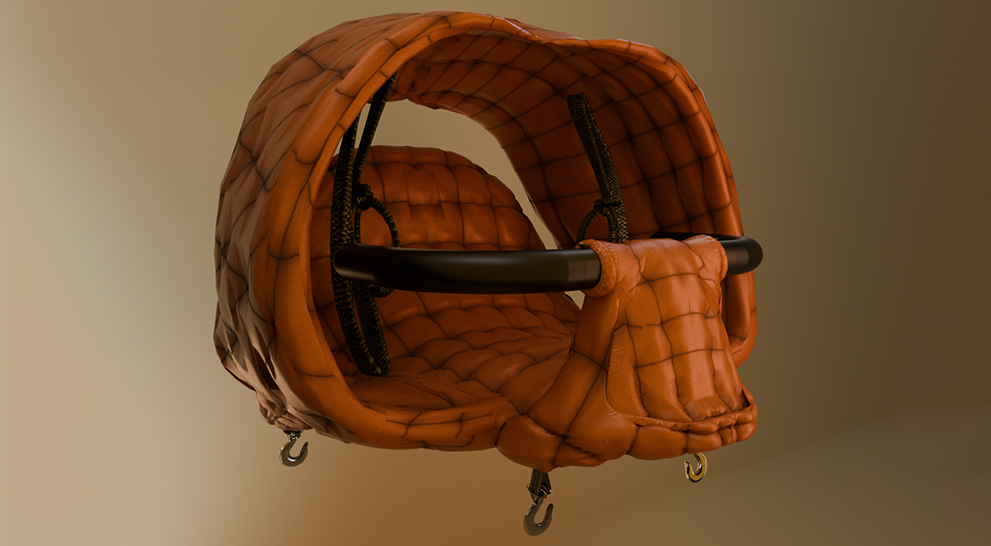
Fitty
Fitty is a compact, saddle-style motorbike seat for kids, with contoured support, leg shields and adjustable foot hoops to boost posture, comfort and safety on Pakistani roads.

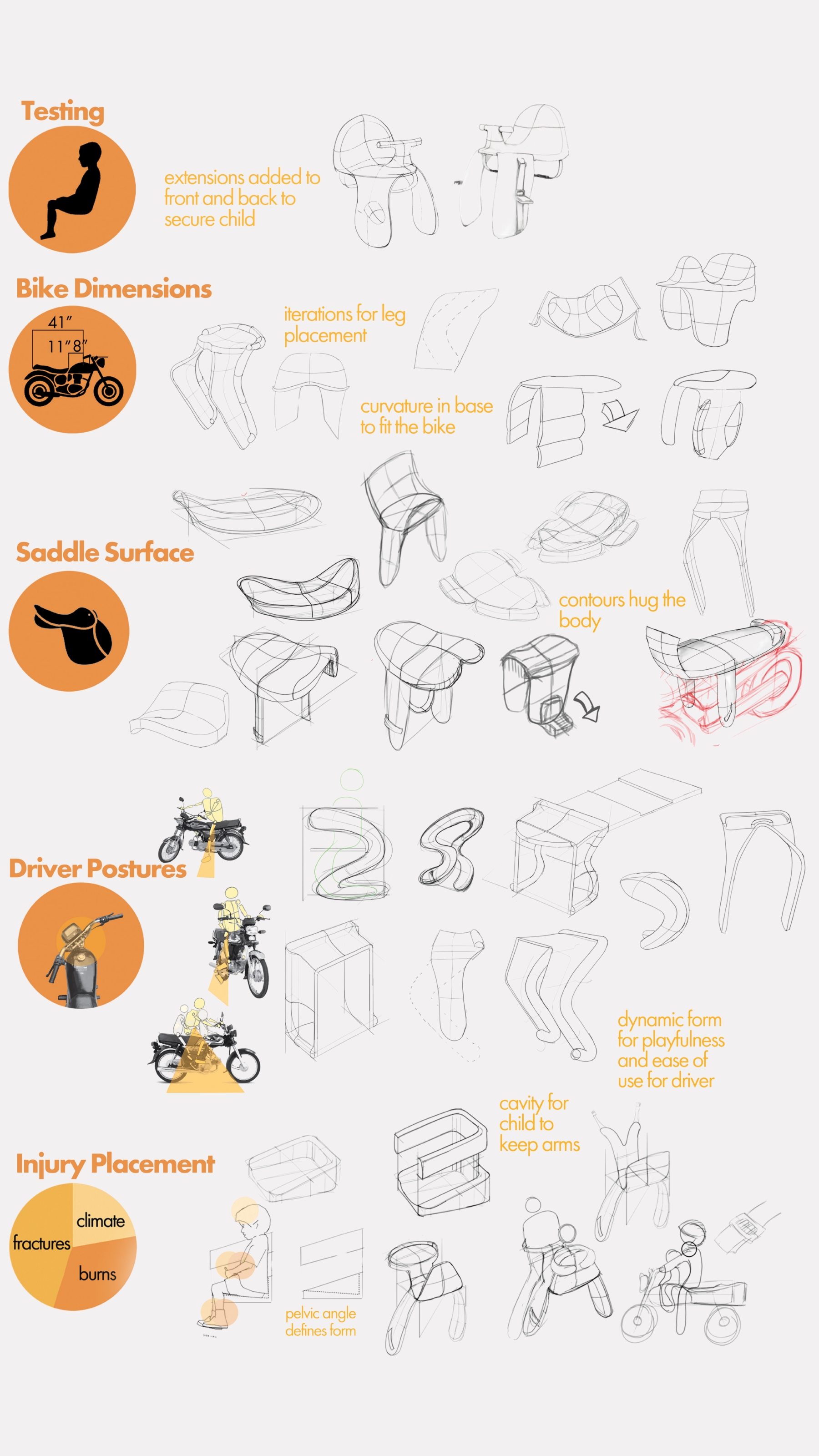
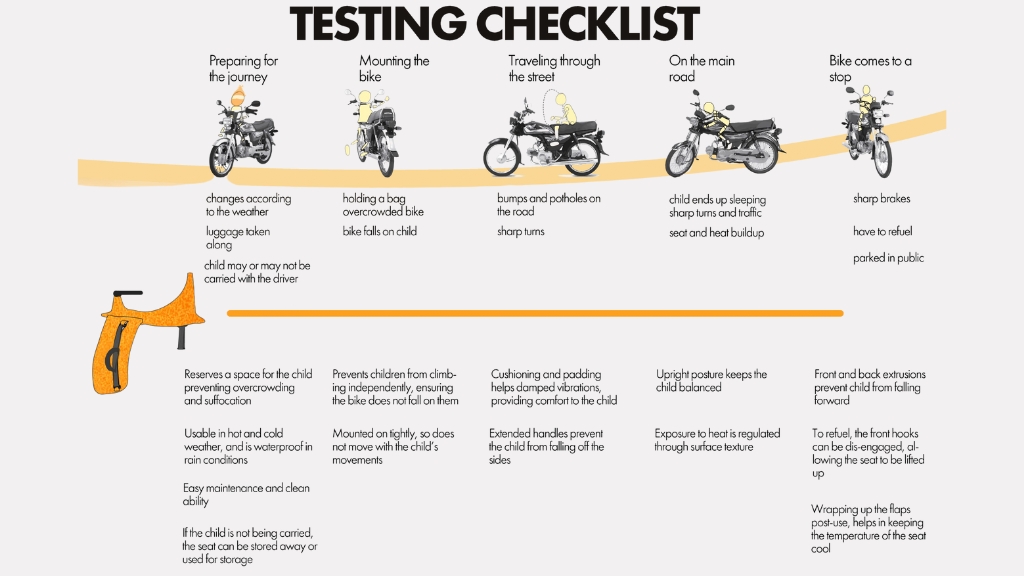
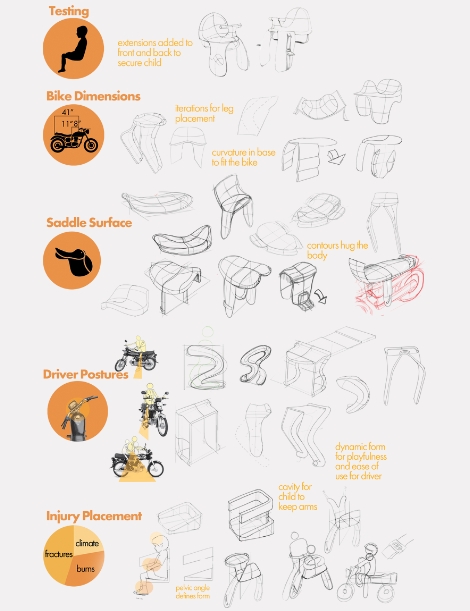
Fitty is a child seating solution for everyday motorbike travel in Pakistan, born from field research with families, doctors and transport engineers to address contextual risks and habits. It tackles a clear problem: children often ride as front riders or pillions without protection, struggle to balance on uneven roads, and are exposed to hot tanks, exhaust heat, fumes and traffic. Rather than imposing foreign standards, the concept adapts to local bike use, space limits and weather extremes. The goal is simple: make rides safer and more comfortable while seeding a culture of safety through a device parents will use. Guided by a priority matrix, the design emphasizes the child’s wellbeing and easy integration into routines. Key objectives include shielding limbs, encouraging upright posture, intuitive holds, dampening vibration, and adding adjustable foot support so different ages can ride securely. Fitty also accounts for overcrowded seats, luggage, stops and potholes by reserving space for the child without hindering the rider, aiming to reduce slipping, swaying and handlebar contact. By merging ergonomic insights from saddles and children’s play postures with the realities of congested streets, Fitty frames safety as comfort, familiarity and convenience.
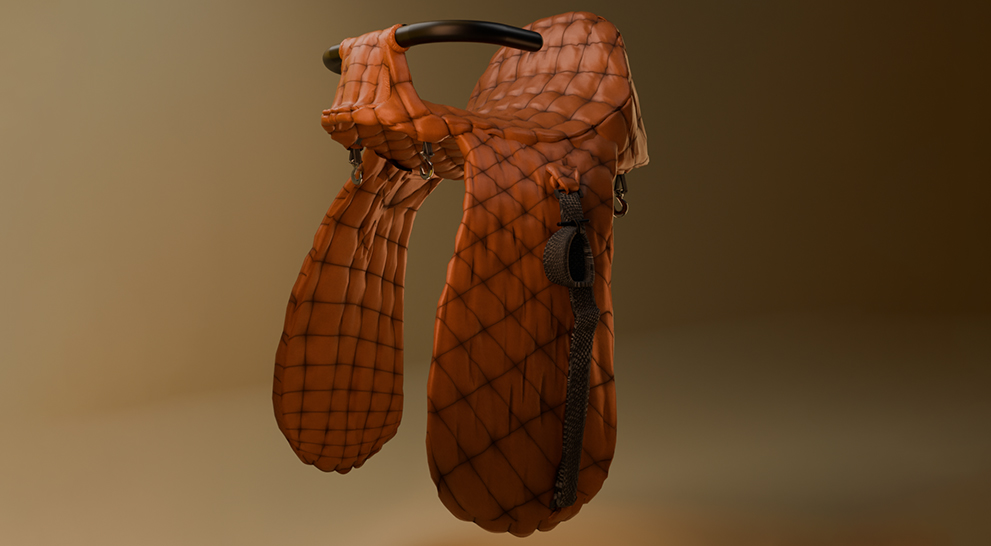
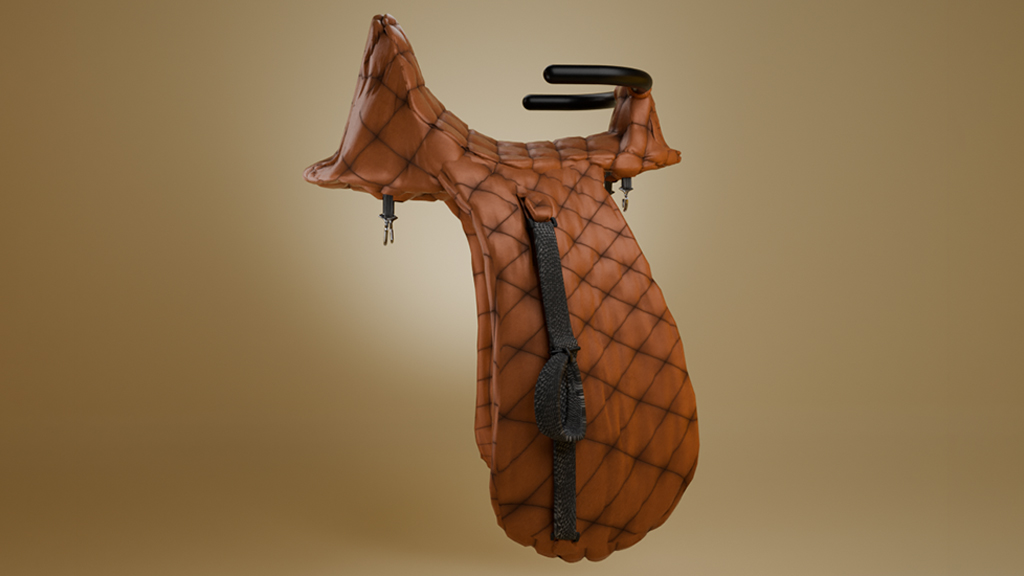
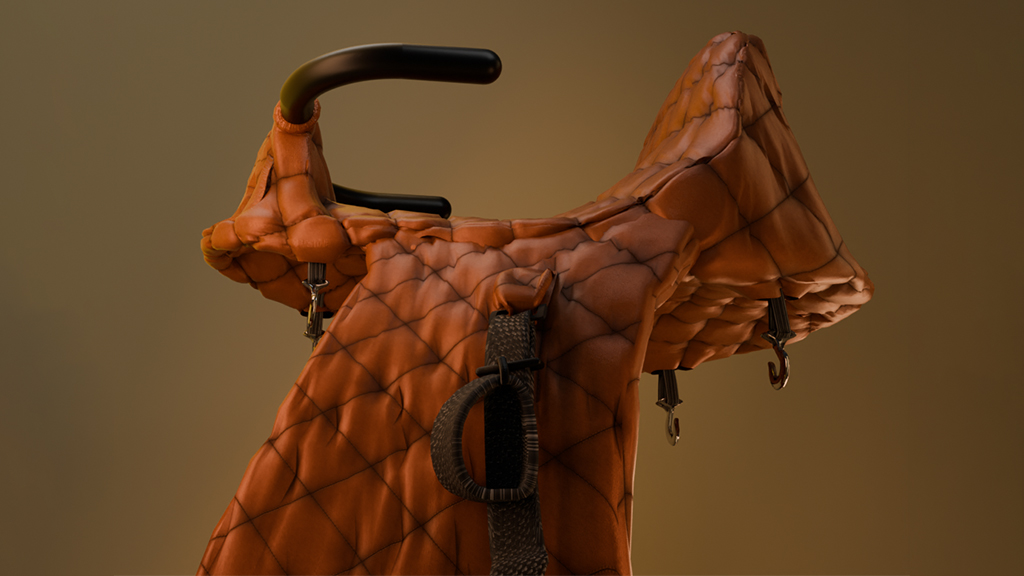
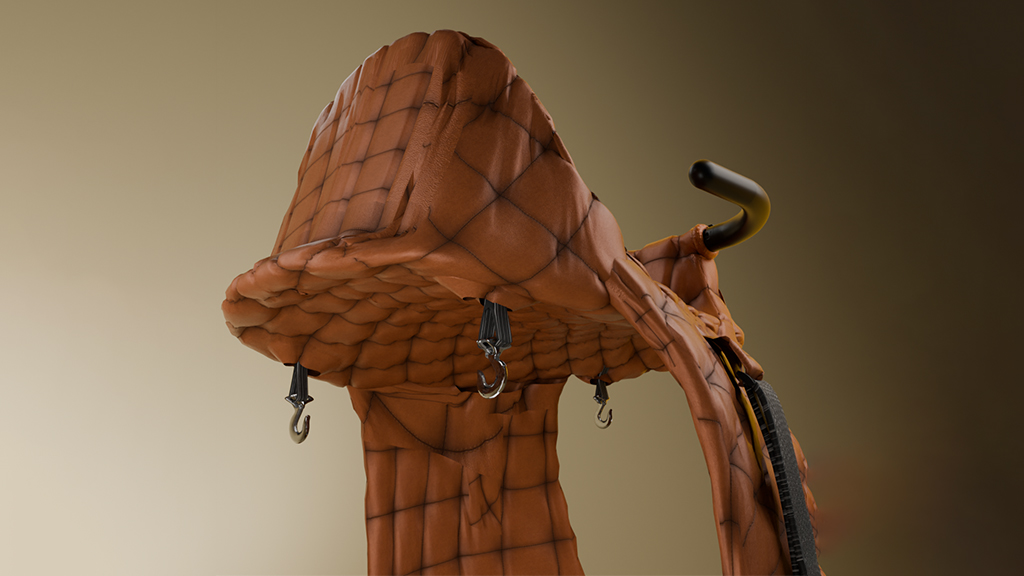
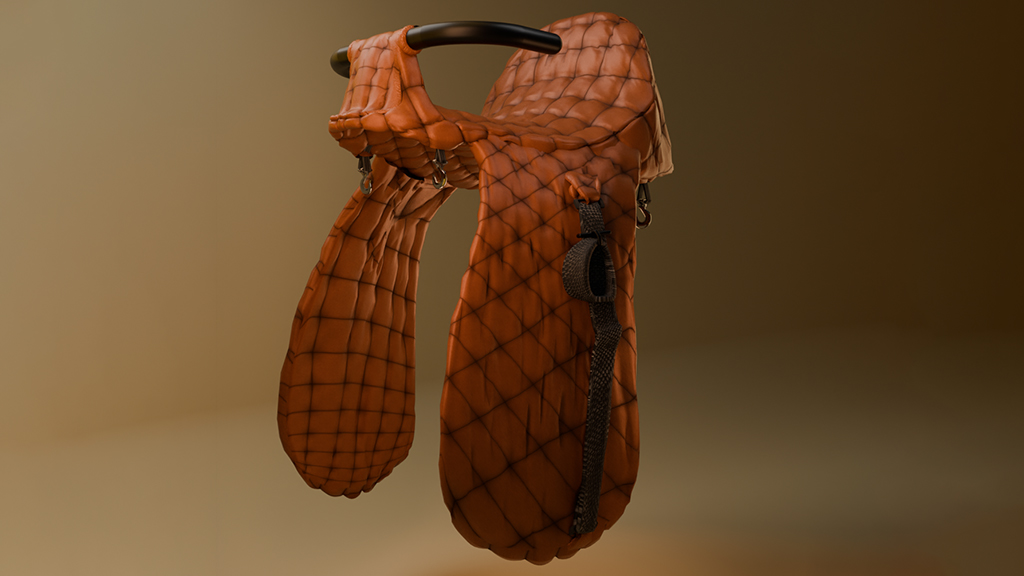
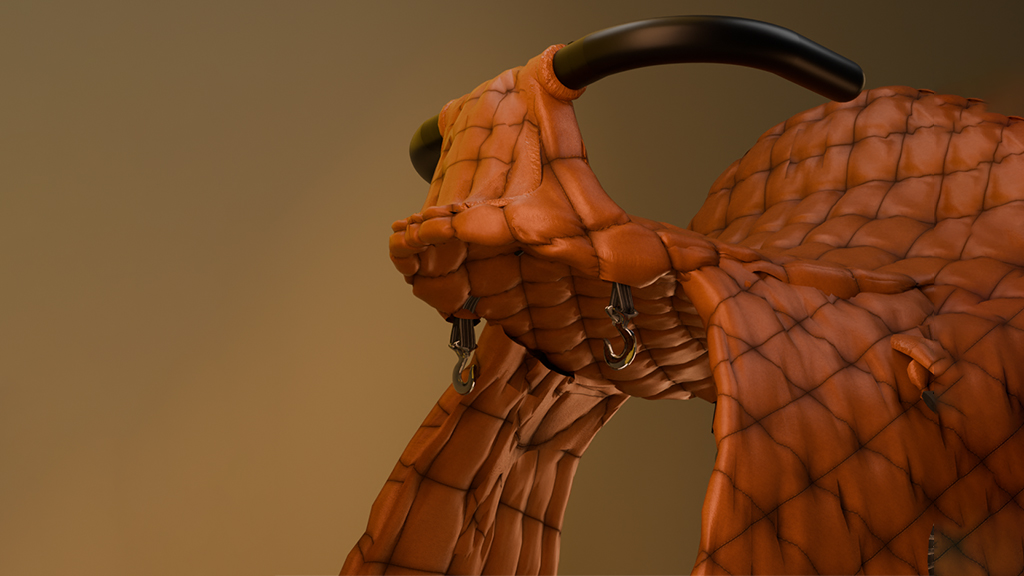
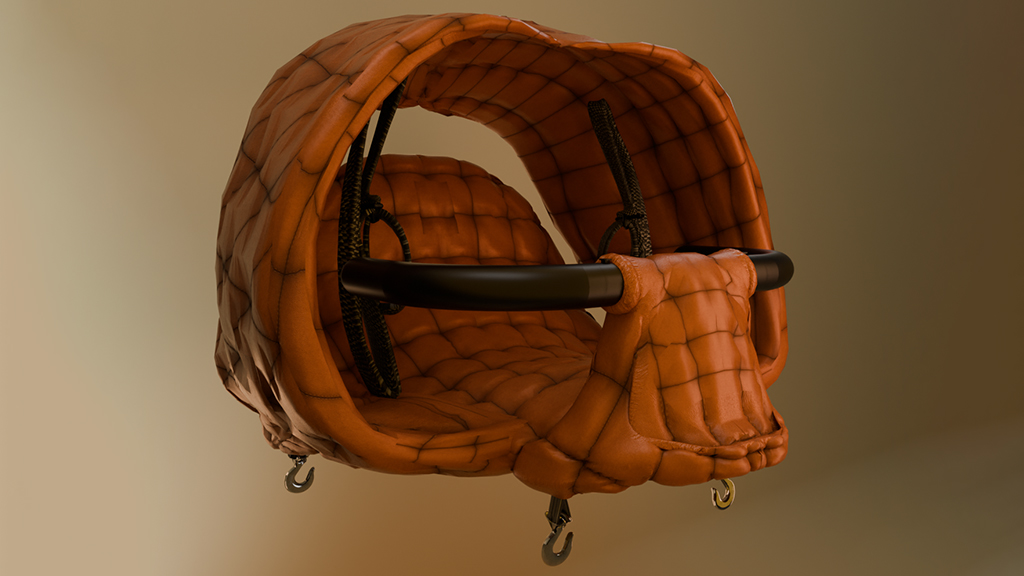
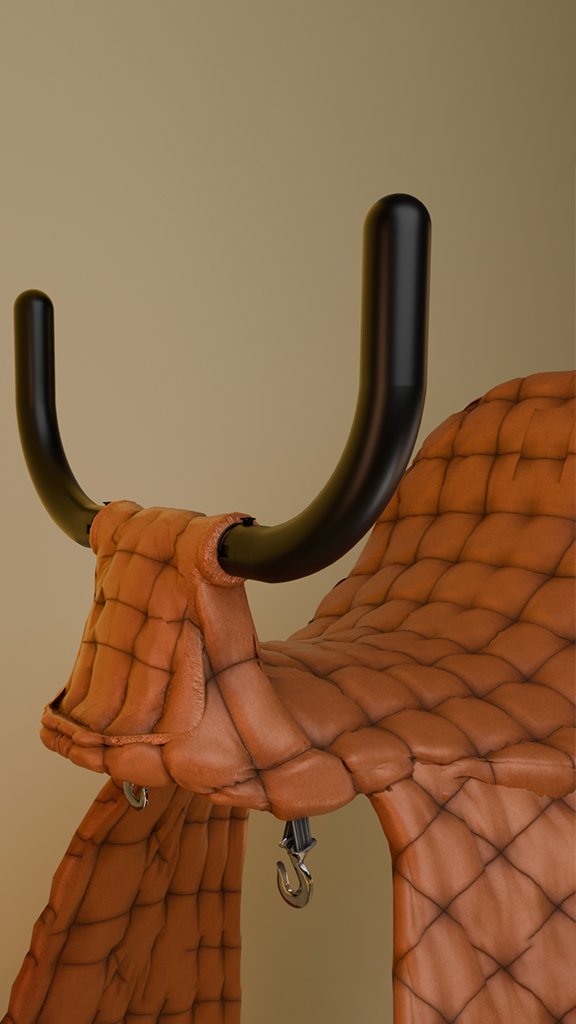
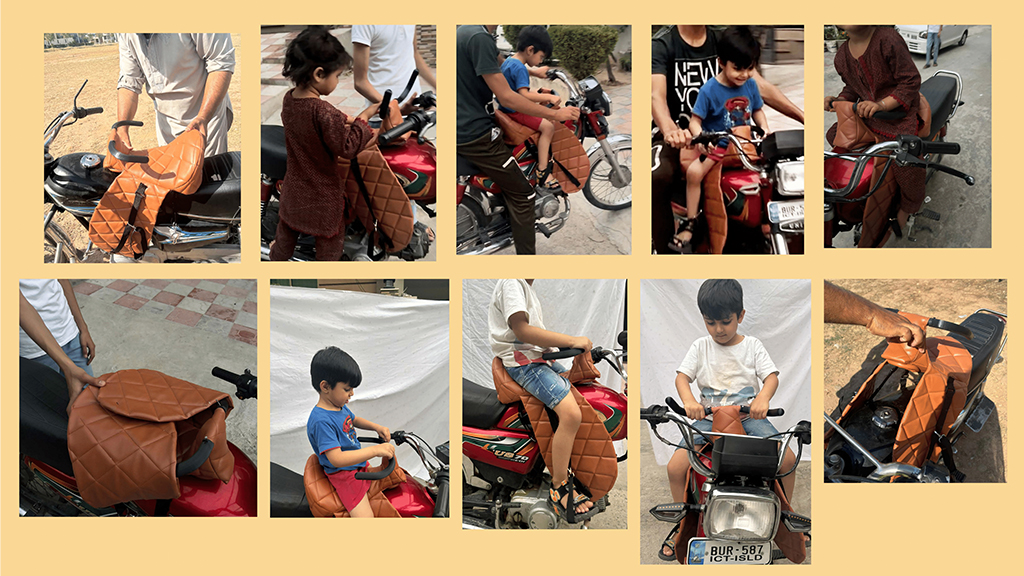
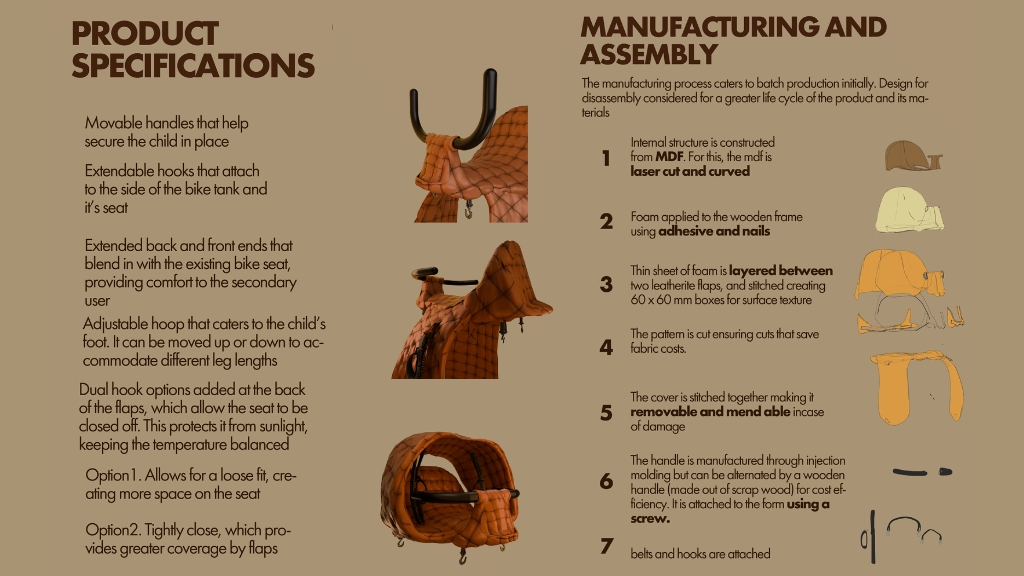
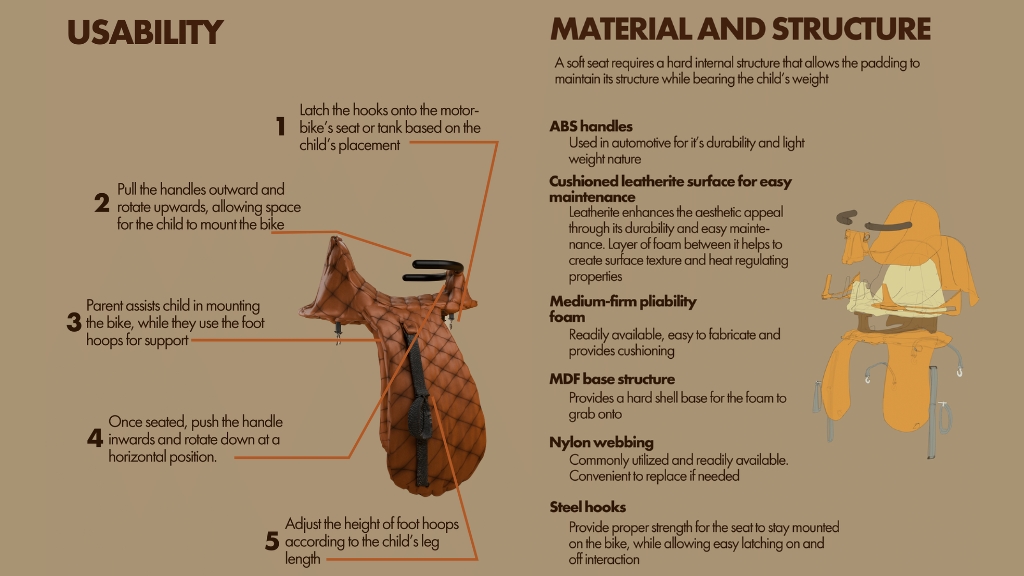
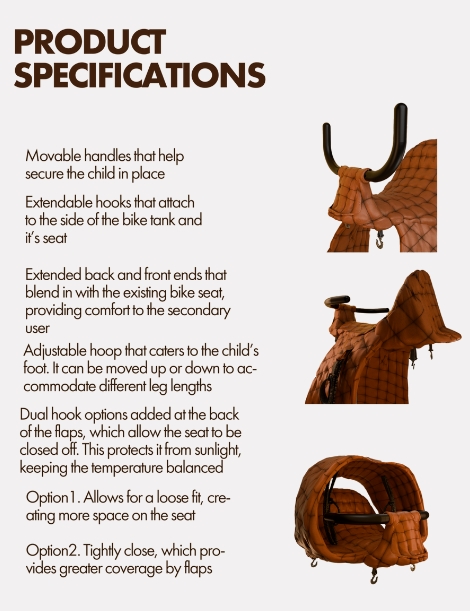
Fitty’s design translates research into a compact, child-centered seating system made of three main elements: a contoured saddle-inspired seat, protective leg flaps with adjustable foot hoops, and horizontal handlebars for a secure cylindrical grip. The saddle-like curves balance the center of gravity and lodge the rider with raised front and rear extrusions to prevent forward or backward slip. The form also discourages unsupervised mounting. The leg flaps are sized for ages three to eight, guiding an open hip and gentler knee angle so legs drop away from bars and don’t impede the driver. A sliding strap hook on webbing lets footrest height adapt to growth, while hoop rests cocoon the feet from lateral traffic. The handles run lengthwise as side guards, improving balance and limiting sway. Four seat straps — two fronts, two rear — hook on and cinch tight to varied bike models, enabling fast, repeatable attachment. Postural support, limb shielding, damping and storage affordances are embedded without bulk, preserving family routines. Dimensions reference local anthropometry and bike space: approx. 40 cm seat length, 30 cm hip breadth, 18×40 cm flaps, with a tank cavity for front riders and equal usability at the rear. Contours cue posture and cut vibration.