Menuva: Reimagined
A rehabilitation device that unifies upper limb rehabilitation into one compact form, integrating exercise variety, vibration therapy, data tracking and therapist connectivity for post-stroke recovery
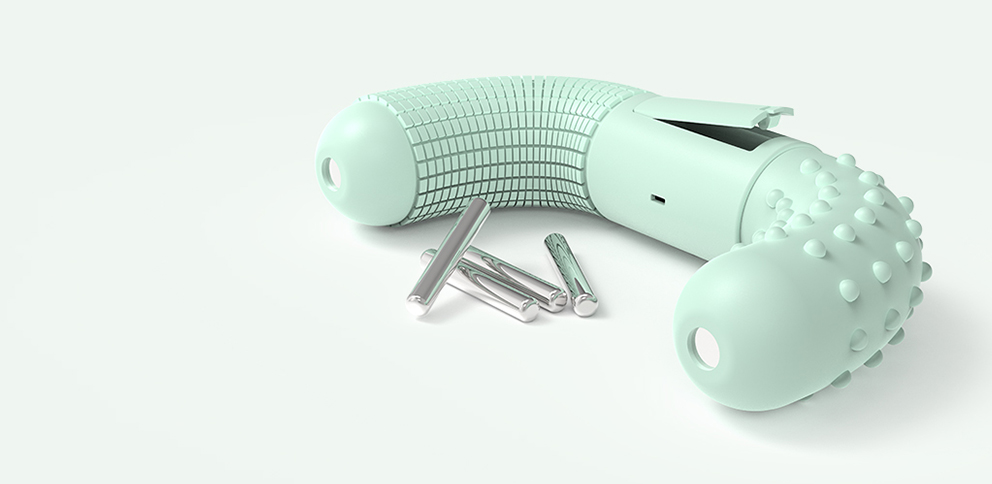
Stroke is a leading cause of long-term disability, with over 65% of survivors experiencing persistent upper limb impairment that severely limits independence in daily living. Conventional rehabilitation practices are fragmented, requiring multiple tools for isolated exercises, while access to physiotherapy is restricted by cost, distance, and availability of specialists. Through extensive secondary research, stakeholder interviews, field observations, critical gaps emerge repetitive and monotonous therapy leads to poor patient adherence, integrated data tracking is lacking, therapist oversight in home-based recovery is minimal, and personalization across different stages of motor rehabilitation is insufficient. These findings highlight the urgent need for a consolidated, patient-centered solution that combines therapeutic diversity, motivation, and clinical connectivity into one cohesive system. Menuva is conceived as the design response, serving as a unified rehabilitation device that addresses these systemic challenges by offering structured, measurable, and engaging recovery pathways for stroke patients.
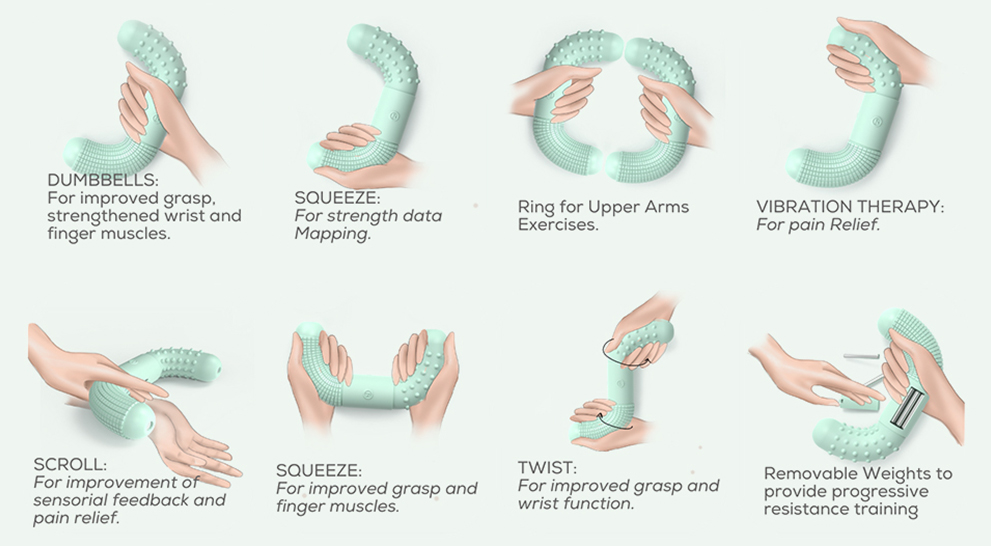
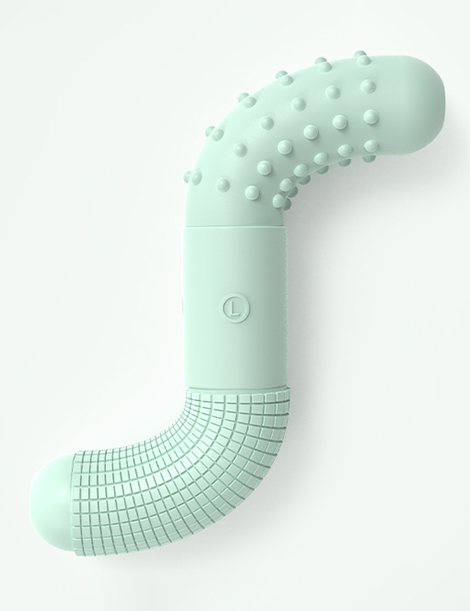
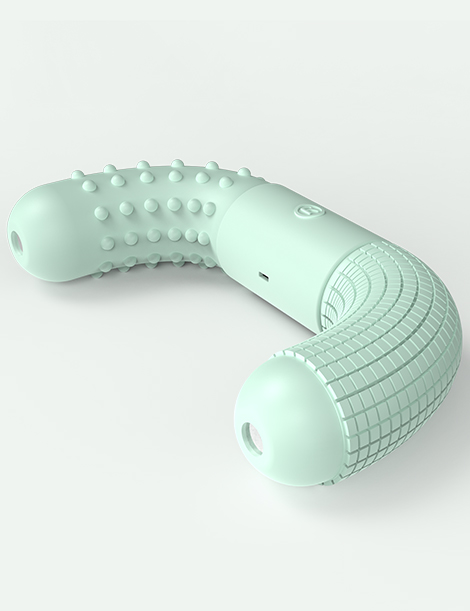
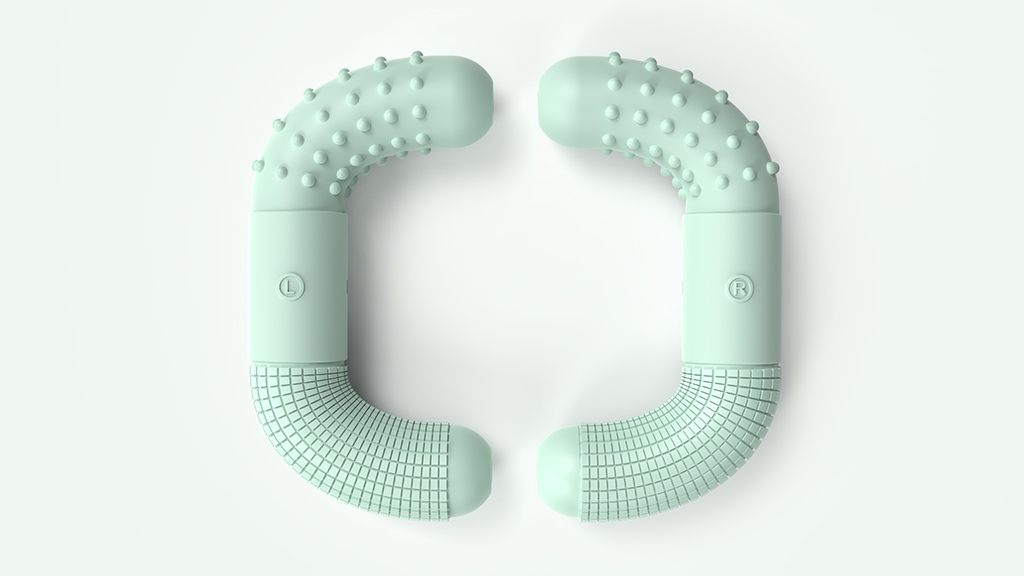
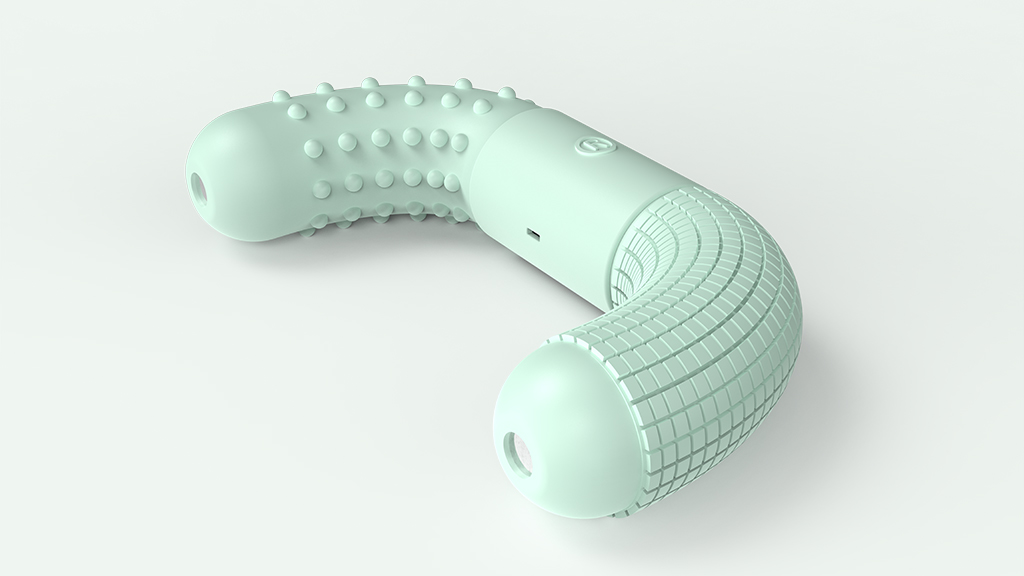
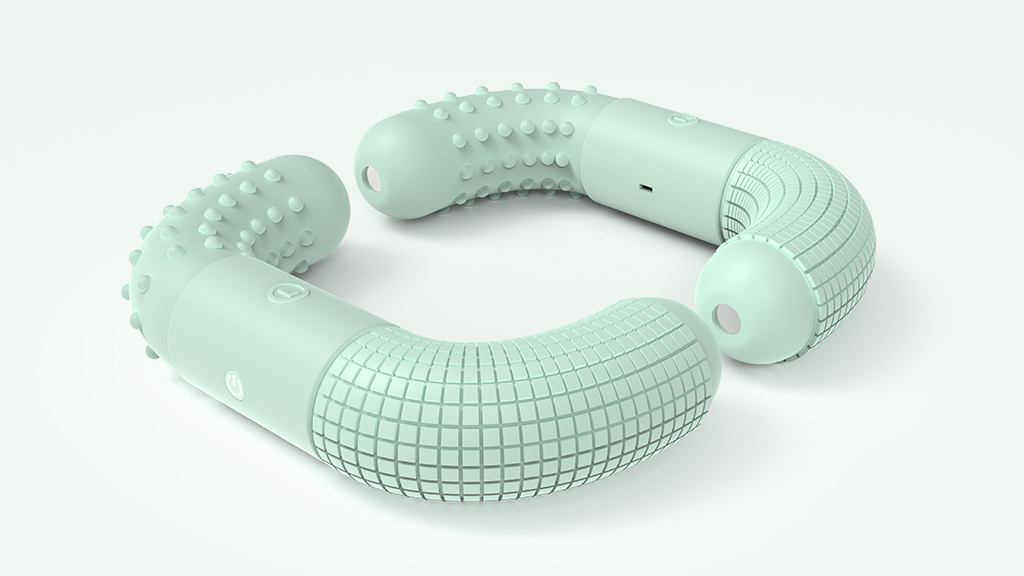
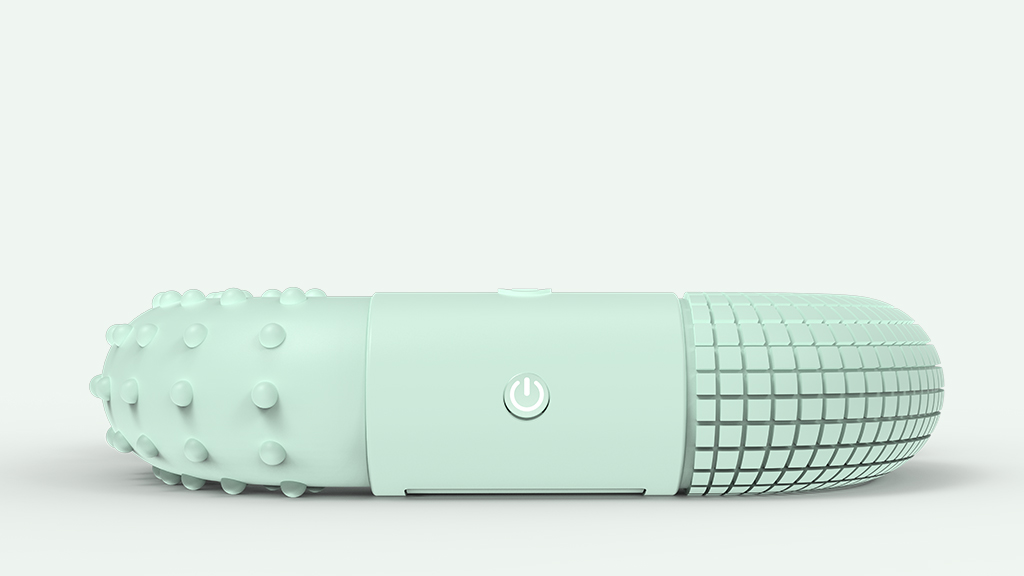
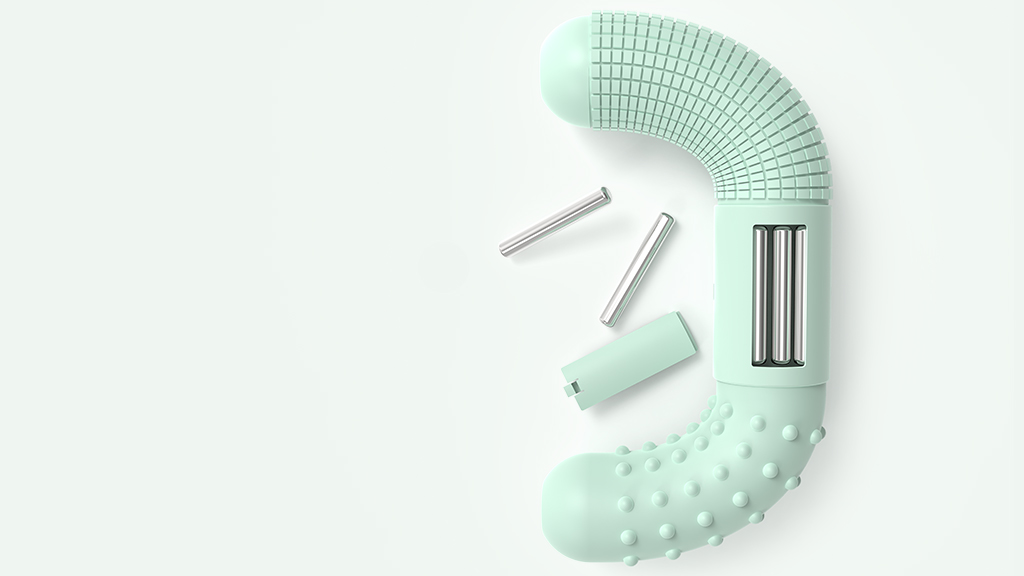
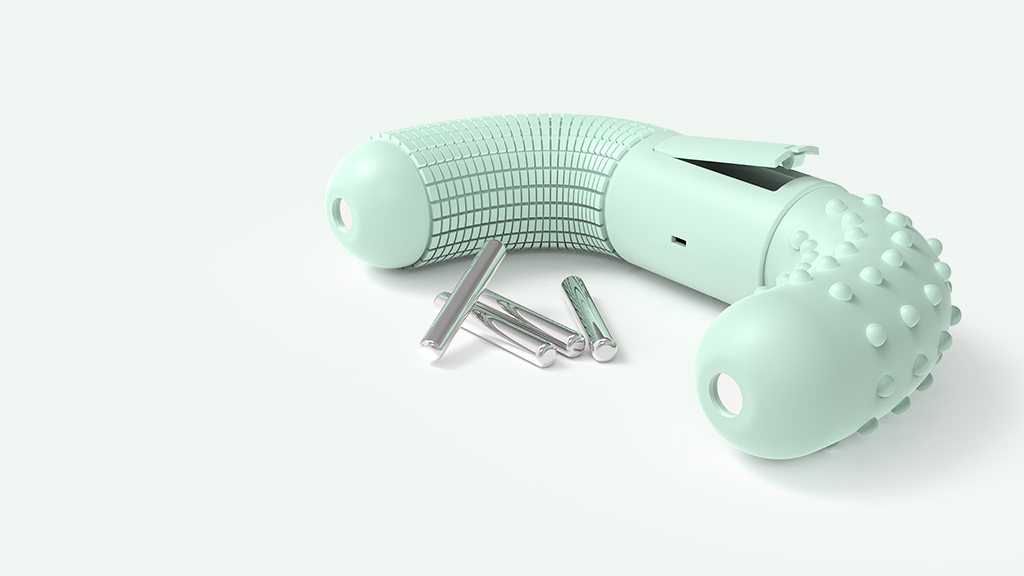
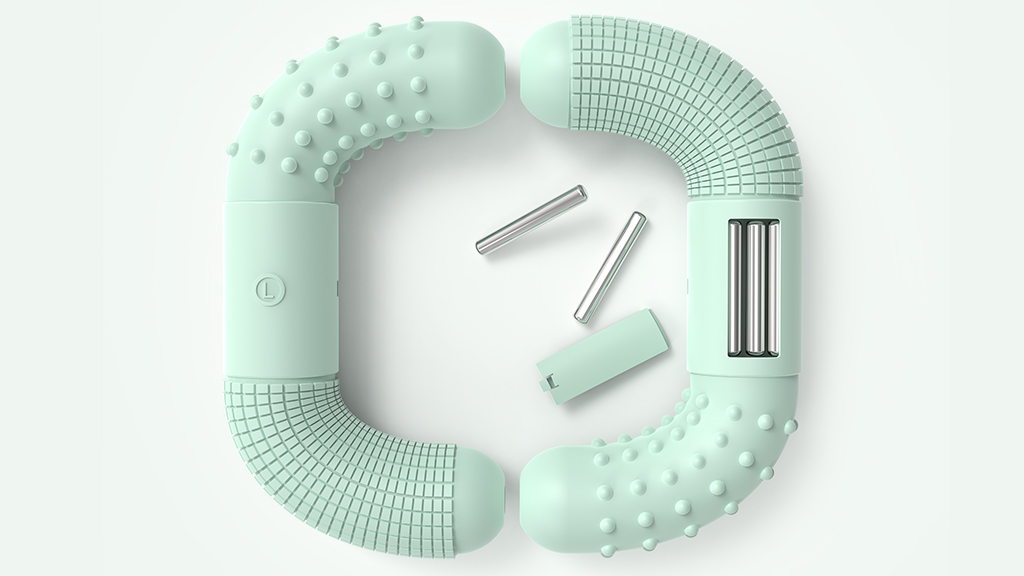
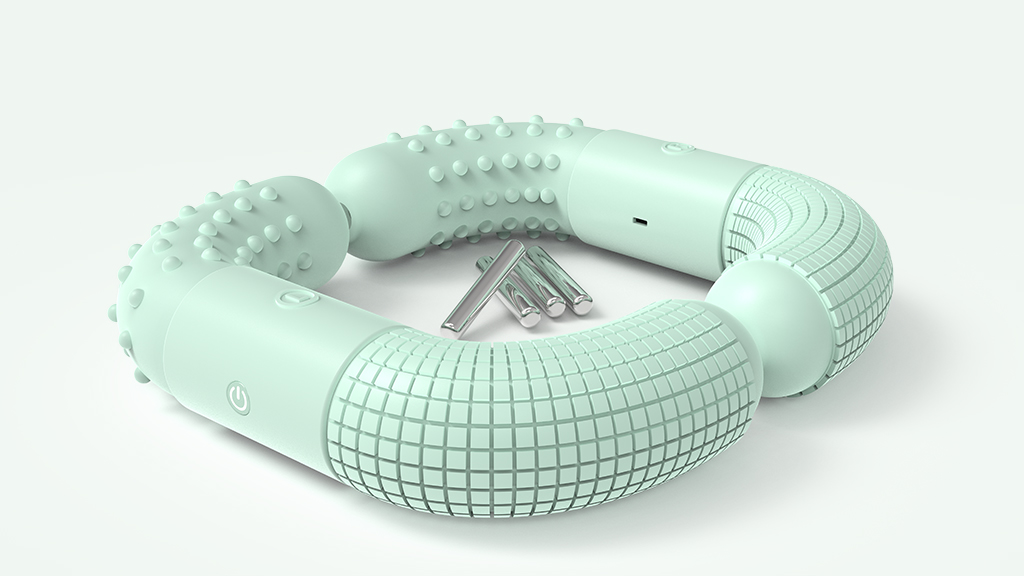
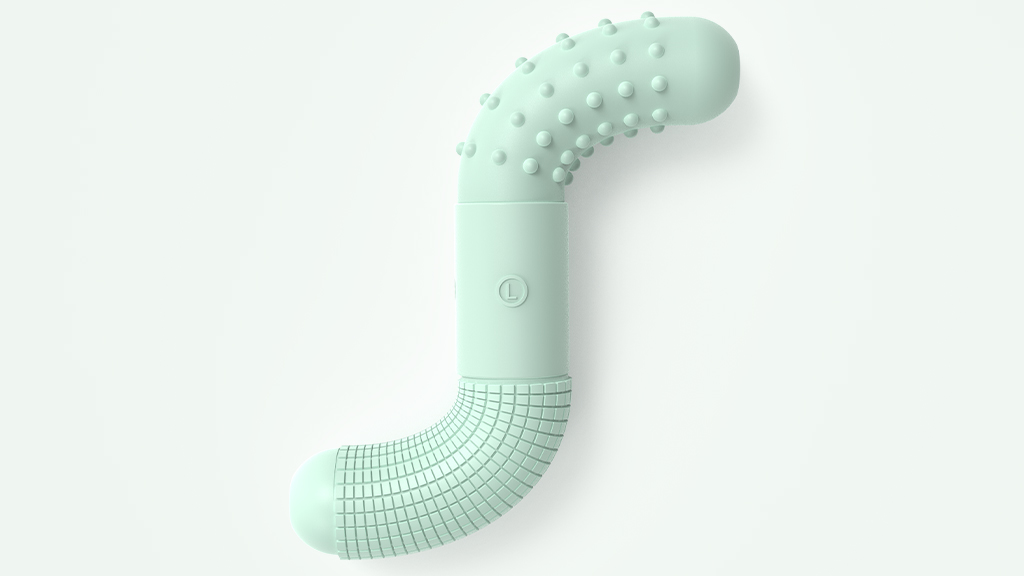
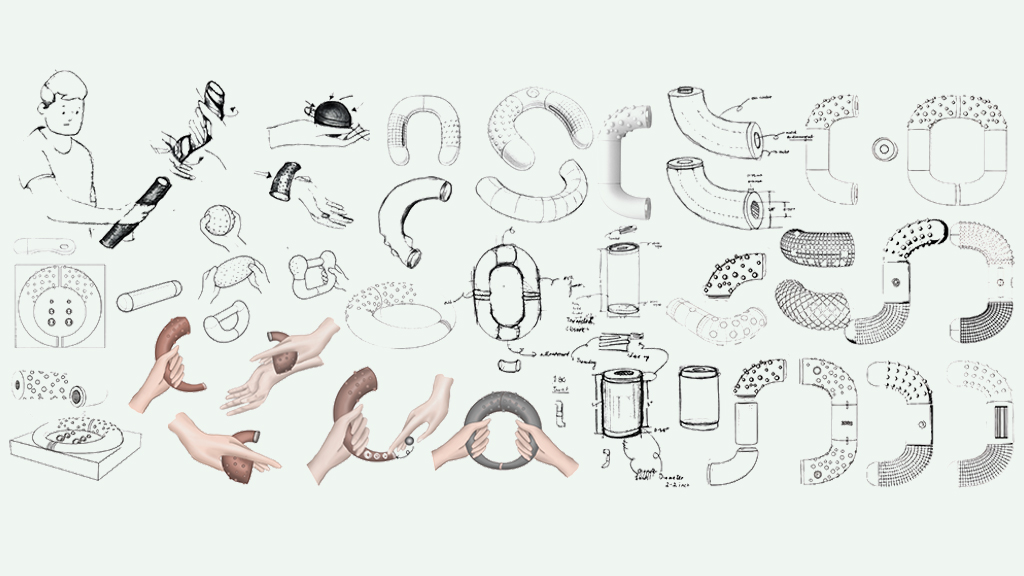
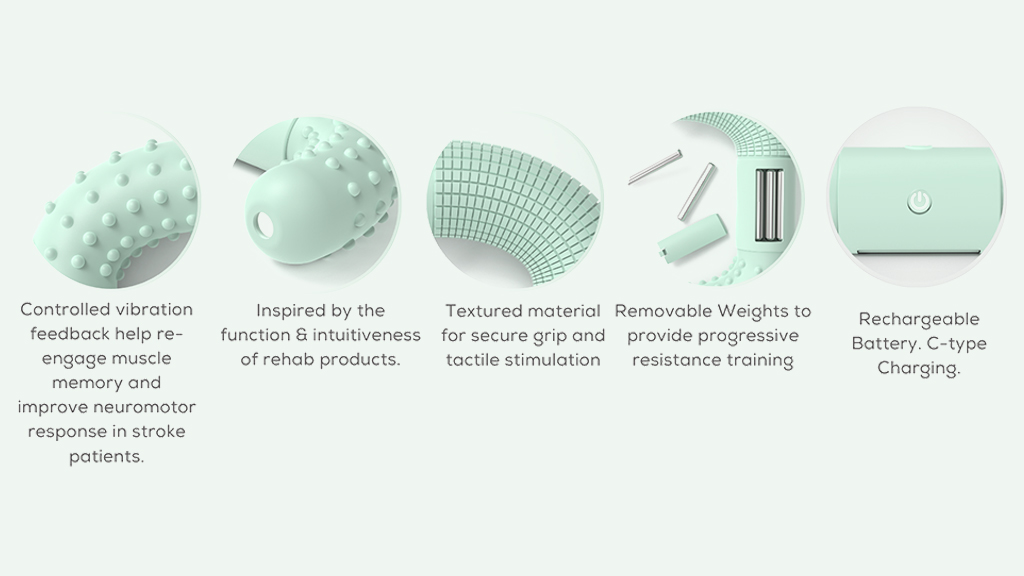
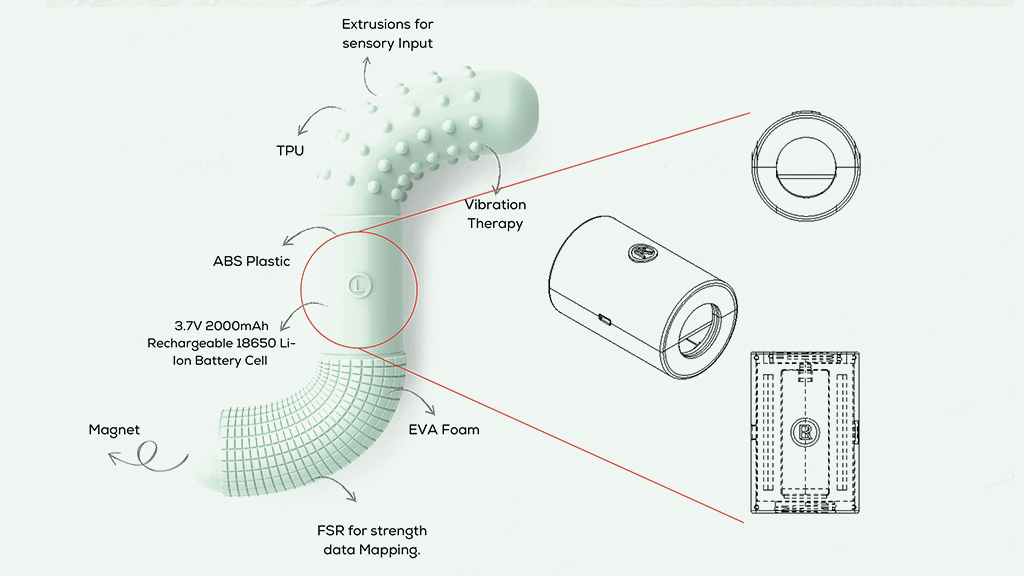
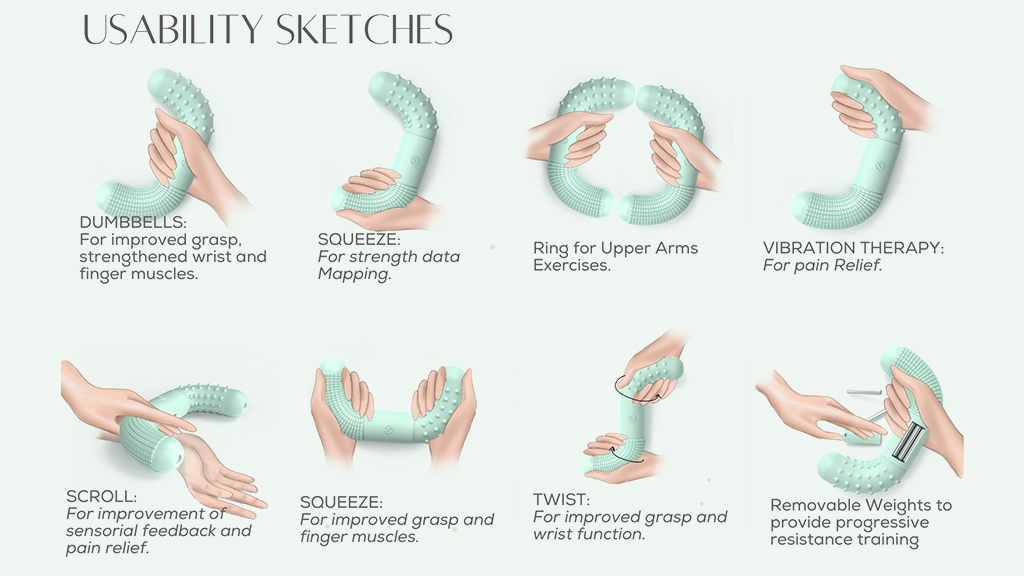
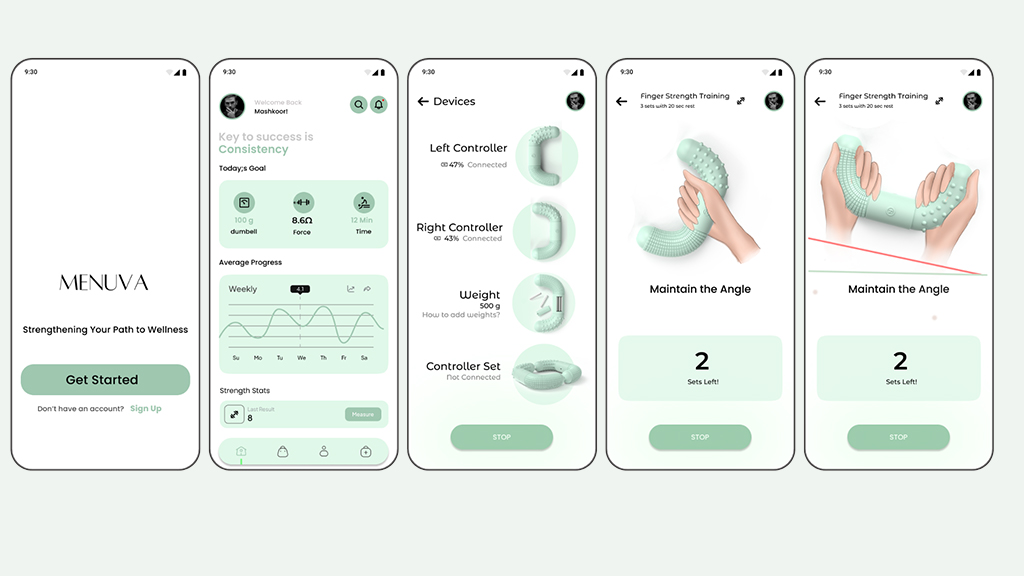
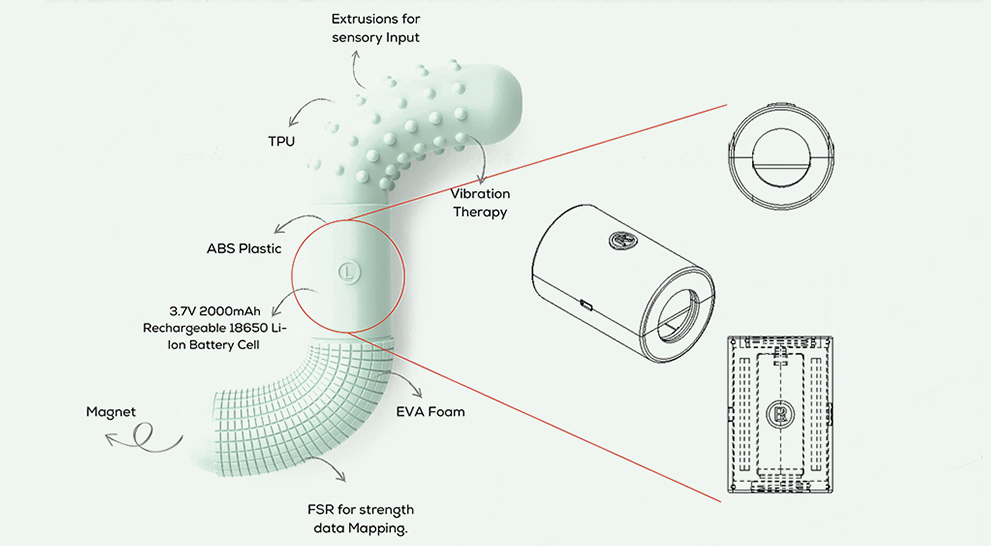
The design of Menuva progresses through iterative exploration of form, ergonomics, and integration of therapy functions. Early sketches and mockups examine different geometries to support varied grip patterns, while groove detailing and surface texture provide tactile cues for correct hand placement. Prototyping informs the selection of ABS for structural strength, with EVA and TPE creating a softer, more comfortable tactile interface. Weight distribution is carefully balanced to minimize fatigue in weakened muscles, and the compact geometry is refined to remain portable while accommodating embedded technology. Internal components, including force-sensitive resistors, a gyroscope, and a vibration module, are arranged to preserve both balance and usability. Modular weights extend functionality, enabling gradual progression without requiring multiple tools. In parallel, the companion application develops with a focus on clarity and straightforward navigation. These design choices are not finalized in isolation but are prepared for evaluation, where feedback determines their effectiveness in practice.